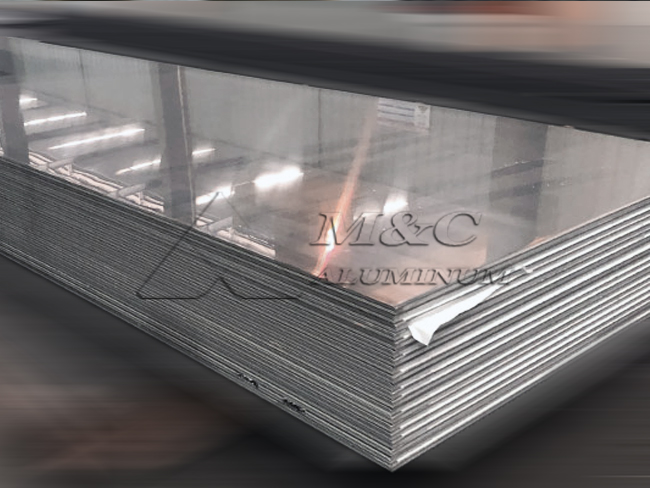
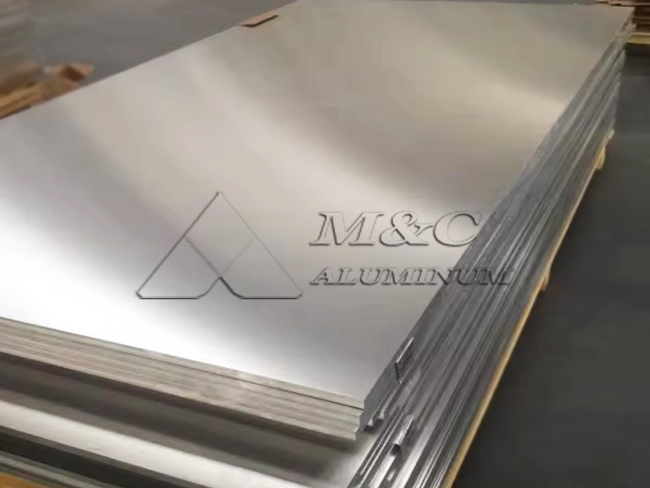
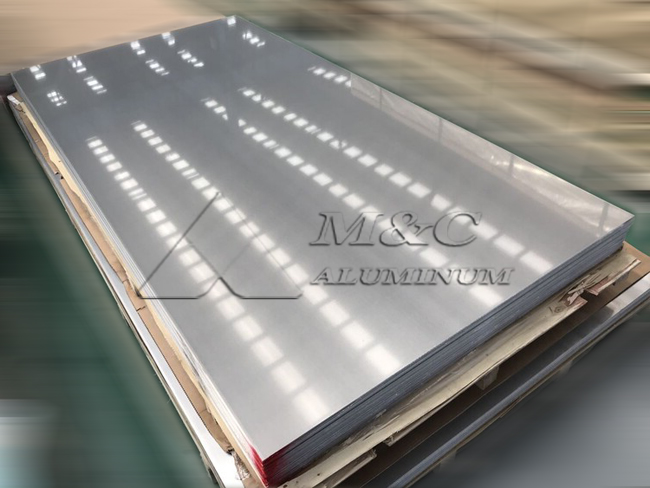
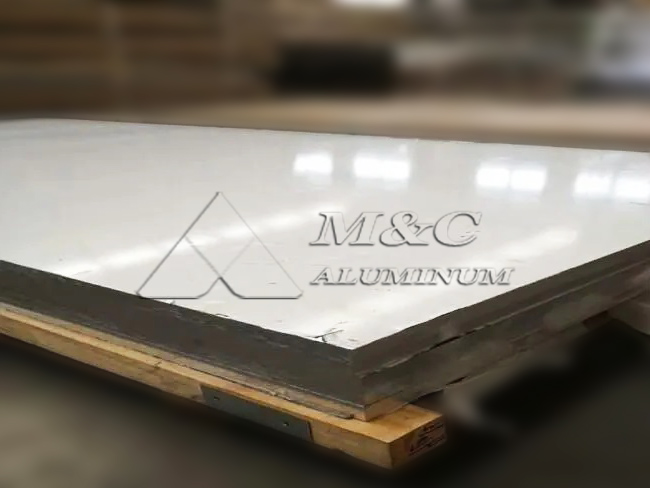
As an aluminum sheet manufacturer supplying material for shipyards, boat builders, marine equipment producers, and offshore engineering contractors, we produce 5052 H32 aluminum sheet for applications where corrosion resistance, stable formability, and reliable medium strength are required. In marine environments, material selection directly affects service life, fabrication efficiency, and long-term maintenance cost. For this reason, 5052 H32 aluminum sheet is widely used in hull components, cabin structures, decks, covers, gangways, access panels, fuel tank parts, and general marine fabrication.
5052 belongs to the Al-Mg alloy family. Its magnesium content gives the alloy good resistance to seawater and industrial atmospheres, while the H32 temper provides strain-hardened and stabilized properties. Compared with heat-treatable alloys, 5052 H32 does not depend on solution heat treatment for strength. This makes it practical for forming, cutting, bending, and welding in many marine sheet metal structures.
Why 5052 H32 Is Used in Marine Structures
The marine industry requires aluminum sheet that can perform under salt spray, humidity, vibration, and repeated wet-dry exposure. 5052 H32 marine grade aluminum sheet offers a balanced combination of corrosion resistance and workability. It is not normally selected for the highest loaded hull plates in large vessels, where 5083 or 5086 may be specified, but it is highly suitable for medium-duty structures and fabricated parts.
From our production experience, customers commonly choose 5052 H32 aluminum sheet when they need a clean surface, consistent flatness, good bending performance, and weldability. The H32 temper provides higher strength than annealed O temper while maintaining sufficient ductility for marine fabrication. This is important for components such as seat bases, cabin panels, lockers, hatch covers, and instrument consoles, where both forming and durability are required.
Typical Marine Applications of 5052 H32 Aluminum Sheet
5052 marine aluminum sheet marine applications cover a broad range of vessel and marine equipment parts. As a factory, we manufacture sheet and plate according to project drawings, thickness requirements, surface requirements, and inspection standards. Common applications include:
Small boat and workboat interior panels
Cabin partitions and wall panels
Deck plates and anti-slip tread surfaces
Hatch covers, storage box covers, and inspection doors
Fuel tank baffles and non-pressure tank parts
Porthole frames, cover plates, and brackets
Gangways, ladders, and access platforms
Marine equipment casings and electrical enclosures
Offshore platform auxiliary structures
Ship furniture, lockers, and control cabinet panels
For projects involving welded deck assemblies or stiffened panels, 5052 H32 sheet may be combined with extrusions, profiles, and other marine aluminum products. In applications where large integrated deck panels are required, customers may also evaluate our FSW Panel solutions for improved dimensional stability and reduced welding deformation.

Chemical Composition and Mechanical Properties
The performance of 5052 H32 aluminum sheet is closely related to alloy composition and temper control. Magnesium is the main strengthening element, while chromium helps improve corrosion resistance and grain structure stability. During production, we control melting, casting, hot rolling, cold rolling, and stabilization processes to achieve consistent mechanical performance.
The following table shows typical reference values. Final values can be supplied according to applicable standards such as ASTM B209, EN 485, or customer-specific marine specifications.
| Item | Typical Specification |
|---|---|
| Alloy | 5052 |
| Temper | H32, strain hardened and stabilized |
| Main alloying element | Magnesium |
| Mg content | 2.2 to 2.8 percent |
| Cr content | 0.15 to 0.35 percent |
| Density | Approx. 2.68 g/cm3 |
| Typical tensile strength | 210 to 260 MPa |
| Typical yield strength | 160 to 215 MPa |
| Typical elongation | 8 to 12 percent, depending on thickness |
| Standard thickness range | 0.5 mm to 12 mm, customized by order |
| Common marine thickness | 1.5 mm, 2 mm, 3 mm, 4 mm, 5 mm, 6 mm |
| Surface finish | Mill finish, brushed, coated, film protected, customized |
| Weldability | Good with suitable filler and procedure |
| Corrosion resistance | Very good in marine and salt spray environments |
| MOQ | 1-3 tons |
Thickness Selection for Marine Use
Correct thickness selection depends on loading, span, forming method, welding design, and classification requirements. For light interior marine panels, 1.5 mm to 2.5 mm 5052 H32 aluminum sheet is often sufficient. For hatch covers, lockers, platforms, and walkable surfaces, 3 mm to 6 mm is more common. For structural or semi-structural parts, engineers should confirm the required load capacity, stiffener spacing, and joint design before finalizing thickness.
As a manufacturer, we do not recommend selecting thickness only by comparing price per sheet. A thin sheet may reduce initial material cost but can increase deformation, vibration, noise, and reinforcement requirements. A properly selected marine aluminum sheet can reduce the total fabricated weight while maintaining service performance.
Corrosion Resistance in Seawater Environments
One of the main reasons for choosing 5052 marine grade aluminum is its strong resistance to seawater corrosion. The aluminum surface naturally forms a protective oxide film, and the magnesium alloy system improves performance in chloride-containing atmospheres. This makes 5052 H32 aluminum sheet suitable for boat components exposed to salt spray, coastal air, and humid engine room conditions.
However, corrosion resistance also depends on design and installation. We advise customers to avoid water traps, sharp crevices, and direct contact with incompatible metals without insulation. When stainless steel fasteners are used, suitable washers, sealants, or isolation materials should be considered to reduce galvanic corrosion. For painted or coated marine parts, proper cleaning, degreasing, and surface preparation are essential.
Fabrication and Forming Performance
5052 H32 aluminum sheet offers good forming performance compared with many higher strength marine alloys. It can be cut, punched, drilled, bent, rolled, and stamped using standard aluminum fabrication equipment. The H32 temper provides a practical balance between strength and bendability, but minimum bend radius should still be considered according to thickness and grain direction.
For tight bending, designers should avoid unrealistic radii, especially on thicker sheets. Cracking at the bend line can occur if the radius is too small or the edge condition is poor. We can supply sheet with controlled edge quality or protective film to support downstream processing. For components requiring deep forming, O temper may sometimes be more suitable, followed by process evaluation.
Welding Considerations for 5052 H32 Marine Aluminum Sheet
5052 marine aluminum sheet has good weldability by MIG and TIG processes. In marine fabrication, welding procedures should control heat input, distortion, and joint cleanliness. Because aluminum oxide melts at a much higher temperature than the base metal, the welding area should be properly brushed or mechanically cleaned before welding.
Suitable filler materials are normally selected based on corrosion resistance, joint strength, and service conditions. For marine fabrication, 5356 filler is commonly used with 5052 alloy. When customers require compatible consumables, our Aluminum welding wire can be supplied to support consistent welding quality across sheet, plate, and assembly production.
After welding, designers should consider that the heat affected zone may have reduced strength compared with the original H32 temper. This is normal for strain-hardened aluminum alloys. For critical welded structures, joint design, reinforcement, inspection, and testing should follow the relevant marine engineering standard.
Surface Quality and Factory Inspection
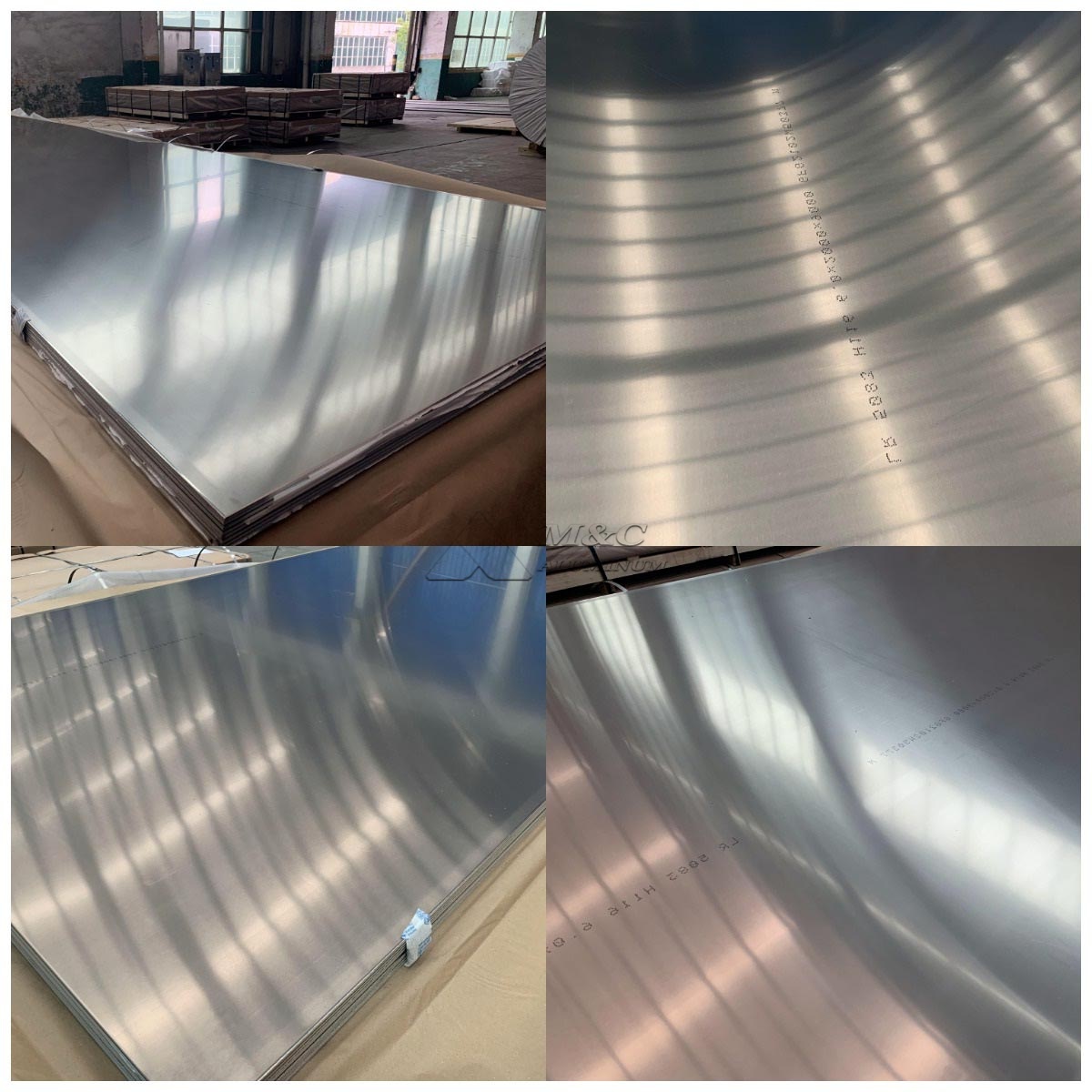
Marine aluminum sheet requires stable surface quality because visible defects may affect coating performance, appearance, and corrosion resistance. In our factory inspection process, we check surface condition, thickness tolerance, width and length tolerance, flatness, mechanical properties, and packaging condition before shipment.
Typical inspection items include:
| Inspection Item | Factory Control Focus |
|---|---|
| Chemical composition | Verified by spectrometer during melting and casting |
| Thickness tolerance | Measured across sheet width and length |
| Flatness | Controlled through rolling and leveling processes |
| Surface condition | Checked for scratches, black marks, oil stains, and rolling defects |
| Mechanical properties | Tensile and elongation tests according to order standard |
| Edge quality | Slit edge, trimmed edge, or saw cut edge as required |
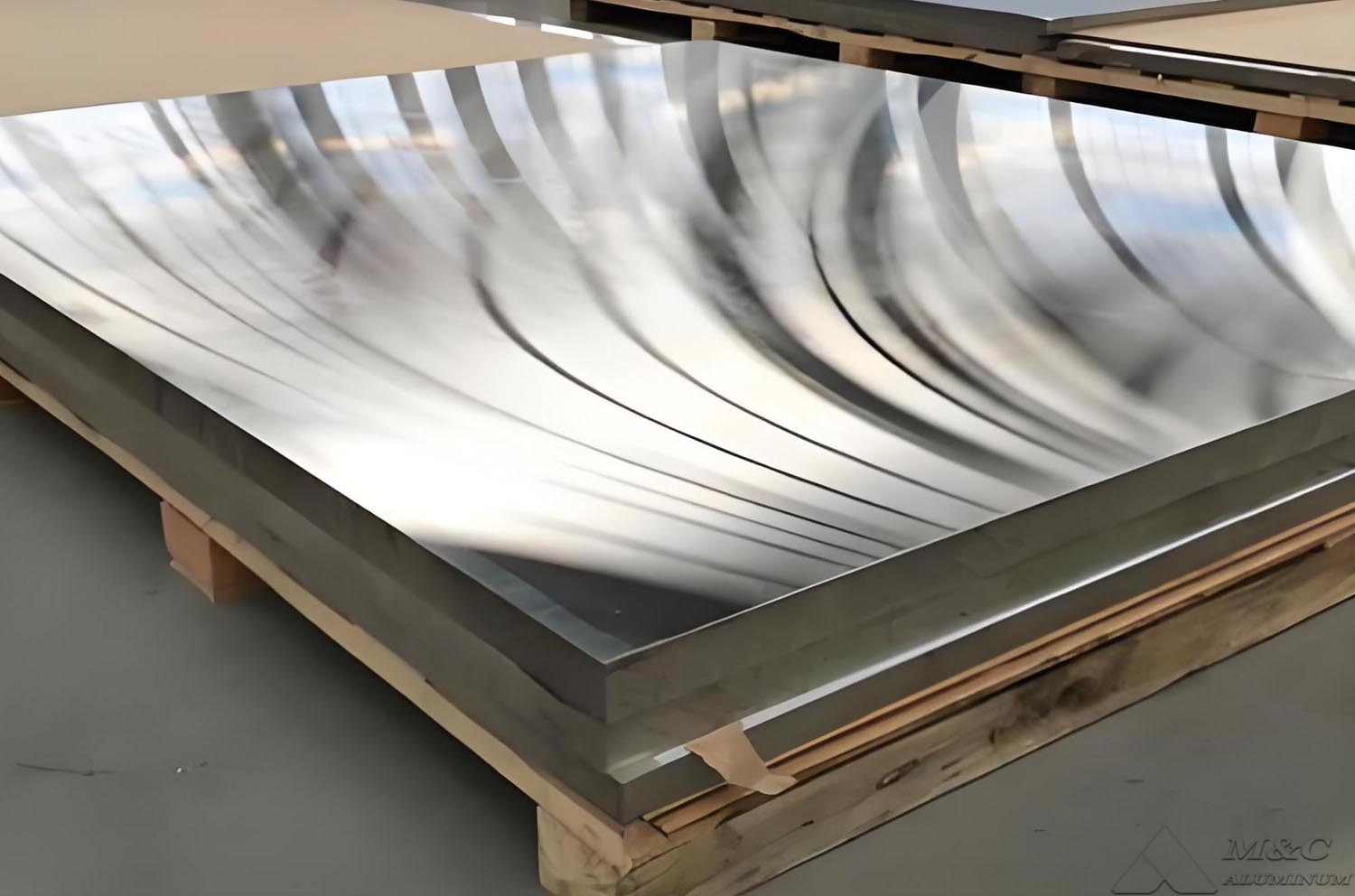
| Packaging | Moisture protection, wooden pallet, export seaworthy packing |
| Documentation | Mill test certificate, packing list, and quality documents |
Comparison With Other Marine Aluminum Alloys
5052 H32 is not the only aluminum alloy used in marine construction. 5083, 5086, 5059, 6061, and 6063 are also common, depending on load requirements and fabrication method. The advantage of 5052 H32 is its balance of corrosion resistance, formability, and cost efficiency for medium-strength applications.
5083 and 5086 generally provide higher strength and are often used for hull plates and heavy marine structures. 6061 and 6063 are heat-treatable alloys more commonly used in profiles, frames, and machined parts. For sheet parts that need bending, welding, and long-term exposure to marine atmospheres, 5052 H32 remains a practical and widely accepted choice.
Ordering Information From Our Factory
When purchasing 5052 H32 aluminum sheet for marine applications, clear technical information helps us produce and inspect the material accurately. We recommend that customers provide the following details:
Alloy and temper, such as 5052 H32
Thickness, width, and length
Quantity and packing method
Required standard, such as ASTM B209 or EN 485
Surface requirement, such as mill finish, brushed finish, or film protection
Application, such as deck panel, hatch cover, enclosure, or marine cabinet
Tolerance and flatness requirements
Certificate and third-party inspection requirements, if applicable
For export orders, we use moisture-resistant packaging and reinforced pallets suitable for long-distance sea transportation. Sheets can be interleaved with paper or protected with film according to surface requirements. Proper packaging reduces the risk of water stains, abrasion, and handling damage during shipment.
Engineering Notes for Better Service Life
The performance of 5052 H32 aluminum sheet in marine environments depends not only on alloy quality but also on structure design and maintenance. Drainage should be considered in deck and enclosure design. Dissimilar metal contact should be isolated. Coated surfaces should be inspected periodically, especially in areas exposed to abrasion. Welds and cut edges should be cleaned and protected according to the project coating system.
For high vibration areas, sheet thickness and stiffener layout should be reviewed carefully. For walking surfaces, anti-slip treatment, tread plate, or surface patterning may be required. For fuel tank or liquid storage applications, welding procedure, leak testing, and compatibility should be confirmed before production.
Conclusion
5052 H32 aluminum sheet is a reliable material for many marine applications requiring corrosion resistance, moderate strength, good formability, and weldability. As a manufacturer, we focus on stable alloy composition, controlled rolling process, accurate dimensions, clean surface quality, and export-grade packaging. For boat builders and marine equipment manufacturers, properly specified 5052 H32 marine aluminum sheet can support efficient fabrication and dependable service in saltwater and coastal environments.
By matching alloy, temper, thickness, surface finish, and inspection standard to the actual application, engineers can obtain better performance from marine aluminum sheet while controlling fabrication cost and long-term maintenance requirements.