Introduction
In the ever-changing and harsh marine environment, ships must withstand not only strong winds and waves but also continuous exposure to high salinity and corrosive conditions. Under such extreme circumstances, material selection directly determines the vessel's lifespan and operational safety.
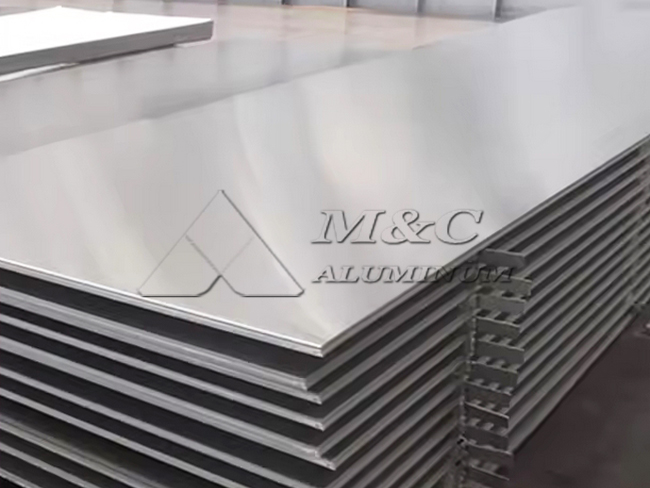
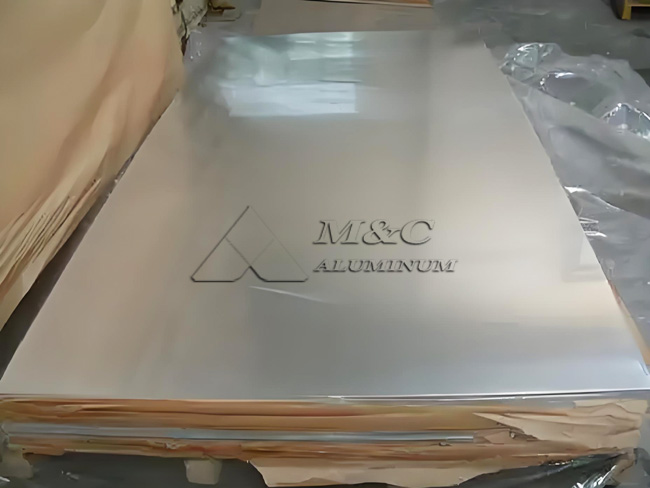
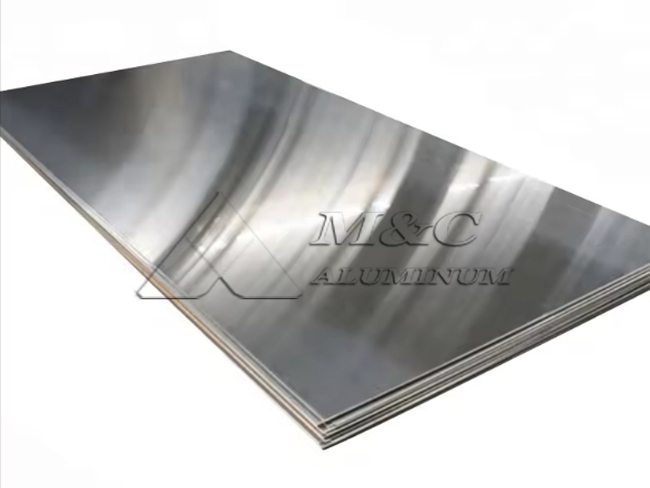
In recent years, ultra-thick 5083 Aluminum Alloy plates have seen explosive growth in applications such as high-end yachts, LNG carriers, research vessels, and engineering ships-earning recognition as a true "marine-dedicated aluminum."
What Is Ultra-Thick 5083 Marine Aluminum Plate?
5083 aluminum alloy belongs to the Al-Mg (aluminum-magnesium) anti-corrosion series, with a magnesium content typically ranging from 4.0% to 4.9%.
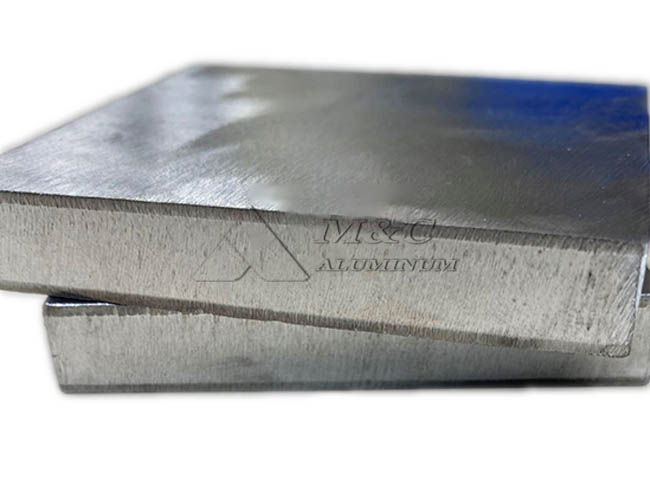
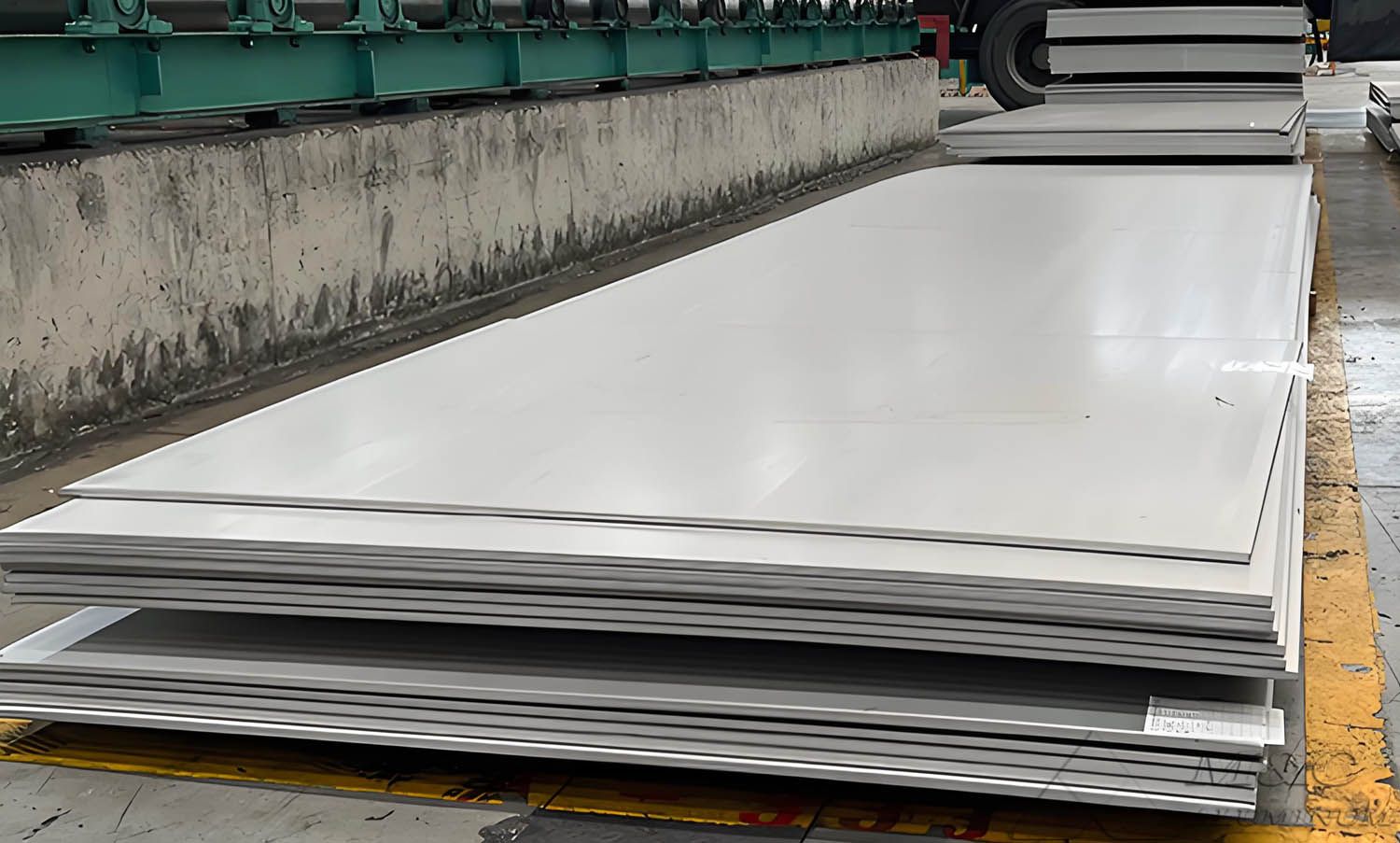
"Ultra-thick" generally refers to plates with thicknesses ranging from 10 mm to 50 mm, while ship decks commonly use 8–30 mm, with thicker specifications customized depending on vessel type and structural requirements.
Unlike ordinary aluminum plates, ultra-thick 5083 aluminum plates are not simply "thicker versions." They undergo specialized rolling and annealing processes to ensure both strength and toughness, preventing issues such as cracking or delamination.
Compared to steel, with a density of approximately 2.7 g/cm³ (about one-third of steel), it offers significant lightweight advantages while excelling in corrosion resistance and weldability-perfectly meeting the long-term demands of marine environments.
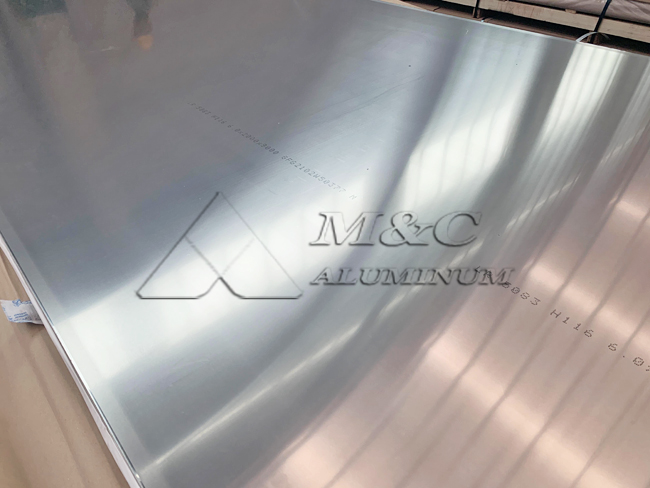
Typical tempers include O, H111, H116, and H321, with H116/H321 specifically designed for superior corrosion resistance and anti-exfoliation performance in marine conditions.
Specifications of Marine Grade 5083 Aluminum Plate
| Alloy | 5083 |
| Temper | O, H111, H112, H116, H321 |
| Thickness | 3 – 50+ mm |
| Widht | 1000-2650mm |
| Length | 1000-16000mm |
| Tensile Strength | 275 – 350 MPa (O/H111) |
| Yield Strength | 125 – 295 MPa (depending on temper) |
| Elongation | 10% – 16% |
| Density | ~2.67 g/cm³ |
| Weld Efficiency | 90% – 95% |
Performance Advantages of 5083 Marine Aluminum Plate
1. Excellent Seawater Corrosion Resistance
The high magnesium content enables the formation of a dense oxide film, providing outstanding resistance to seawater and salt spray environments.
2. High Strength with Good Toughness
Although non-heat-treatable, 5083 achieves high strength through work hardening while maintaining excellent ductility and impact resistance.
3. Superior Weldability
5083 aluminum offers excellent welding performance, with high strength retention after welding, making it ideal for large structural assemblies.
4. Outstanding Low-Temperature Performance
Unlike many materials that become brittle at low temperatures, 5083 aluminum maintains, and even improves-its strength and ductility under cryogenic conditions.
5. Extreme Lightweight Advantage
With a density about one-third that of steel, it significantly reduces vessel weight, lowers the center of gravity, and improves fuel efficiency and stability.
Applications of Ultra-Thick 5083 Aluminum Plate
Hull Structures: decks, bulkheads, superstructures
LNG / FLNG Storage Tanks:
One of the most advanced applications. LNG is stored at -162°C, and 5083-O plate is ideal for spherical tanks and membrane containment systems due to its cryogenic stability and weldability.High-Speed Vessels: hydrofoils, ferries, yachts
Offshore Engineering Equipment: living modules, helidecks on offshore platforms
Why Not Choose Steel or Other Materials?
1. Compared with Steel
Steel offers high strength but comes with high weight, increased fuel consumption, and poor corrosion resistance. It requires frequent anti-corrosion maintenance and is prone to rust over time.
In contrast, ultra-thick 5083 aluminum is lightweight, corrosion-resistant, and requires minimal maintenance, with a service life of 15–20 years, offering superior long-term cost efficiency.
2. Compared with Ordinary Aluminum (e.g., 1050, 1060)
Conventional aluminum alloys have lower strength and thinner gauges, making them suitable only for non-load-bearing parts.
Ultra-thick 5083, with optimized alloy composition and processing, provides significantly higher strength, toughness, and corrosion resistance, making it suitable for critical structural components.
3. Compared with Composite Materials
While composites are lightweight, they are expensive, difficult to weld, and challenging to repair. They may also degrade over time in marine environments.
5083 aluminum offers a balanced solution: moderate cost, excellent weldability, easy maintenance, and long-term durability-making it more practical for large-scale shipbuilding.
About MC Aluminum
As a professional marine aluminum plate manufacturer, MC Aluminum produces high-quality 5083 marine-grade aluminum plates that undergo strict quality control and meet international shipbuilding standards.
Our products are certified by major classification societies such as CCS, ABS, and BV, ensuring reliability for critical ship structures. Whether for domestic shipyards or international shipbuilders, our materials provide consistent, globally recognized performance.
Original Source: https://www.marinealum.com/a/why-ultra-thick-5083-aluminum-plate-has-become-the-preferred-material-for-shipbuilding.html
Tag: 5083 ultra-thick aluminum plate 5083 marine aluminum plate 5083 H116 aluminum plate 5083 H321 aluminum plate ultra-thick aluminum plate shipbuilding aluminum plate marine aluminum alloy marine grade aluminum plate aluminum plate manufacturer