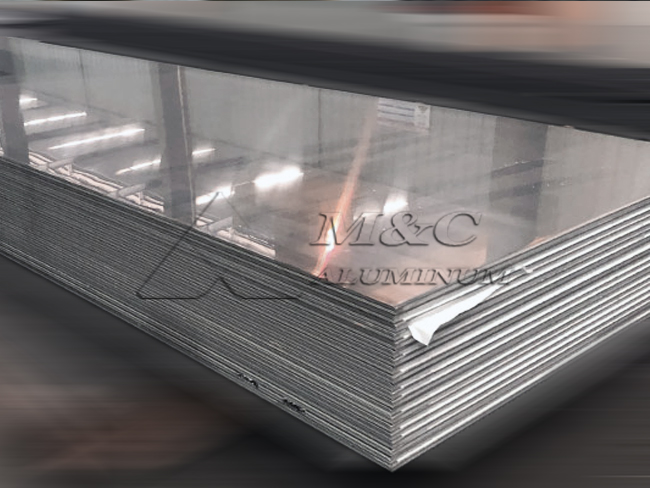
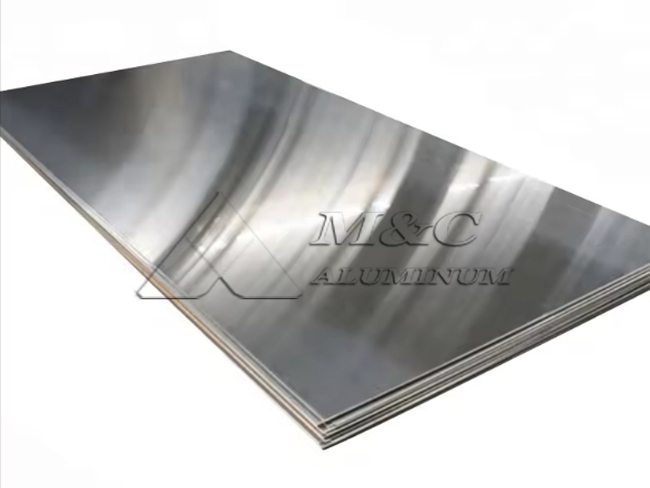
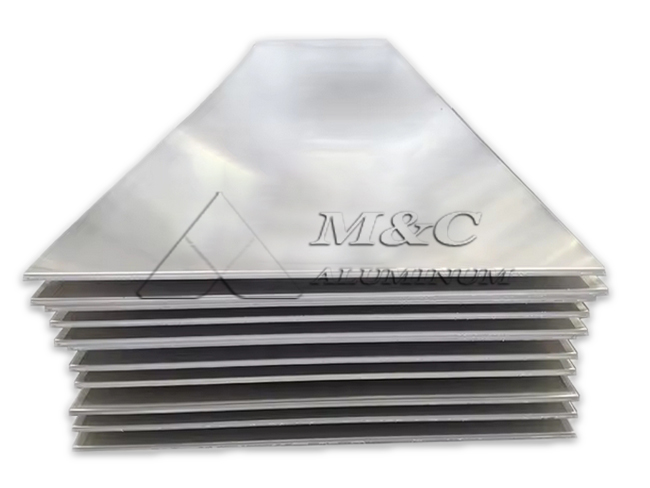
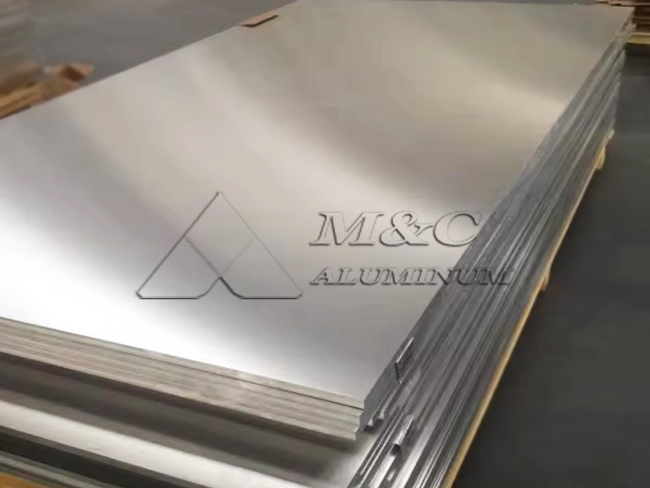
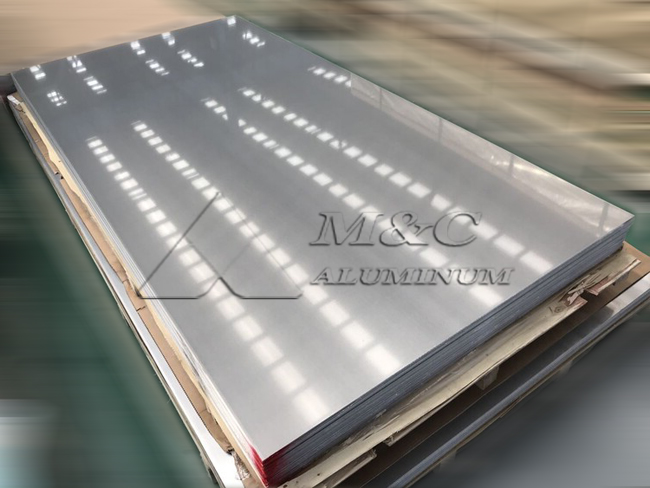
In shipbuilding and offshore engineering, selecting the right aluminum alloy is crucial to ensure structural strength, corrosion resistance, and long-term service life. Aluminum alloys have become the preferred material in modern shipbuilding due to their light weight approximately one third of steel, high strength to weight ratio, and excellent weldability.
Why Choose Aluminum Alloys for Shipbuilding
1. Lightweight
Aluminum has a density about one third of steel. Using aluminum alloys significantly reduces vessel weight, improving speed, lowering fuel consumption, and increasing payload capacity.
2. Seawater Corrosion Resistance
Certain aluminum alloys form a stable oxide film in seawater, providing natural corrosion resistance and reducing maintenance costs.
3. Excellent Welding and Fabrication
Ship structures are complex and require high formability and weldability. Aluminum alloys perform exceptionally well in both aspects.
4. Lower Lifecycle Cost
Although initial material costs are higher, long term maintenance and energy savings make aluminum more cost effective.
Two Main Systems of Marine Aluminum Alloys
Marine aluminum alloys are mainly divided into the 5000 series (Al-Mg, not heat-treatable) and the 6000 series (Al-Mg-Si, heat-treatable). The core differences are:
5000 series marine aluminum alloys (5083/5086/5052/5456): Strengthened by cold work, resistant to seawater corrosion, and have excellent weldability, making them the preferred choice for the main hull structure.
6000 series marine aluminum alloys (6061/6063): Strengthened by heat treatment, high strength, and easy to extrude, but with weaker seawater corrosion resistance than the 5000 series. They are mostly used for superstructures.
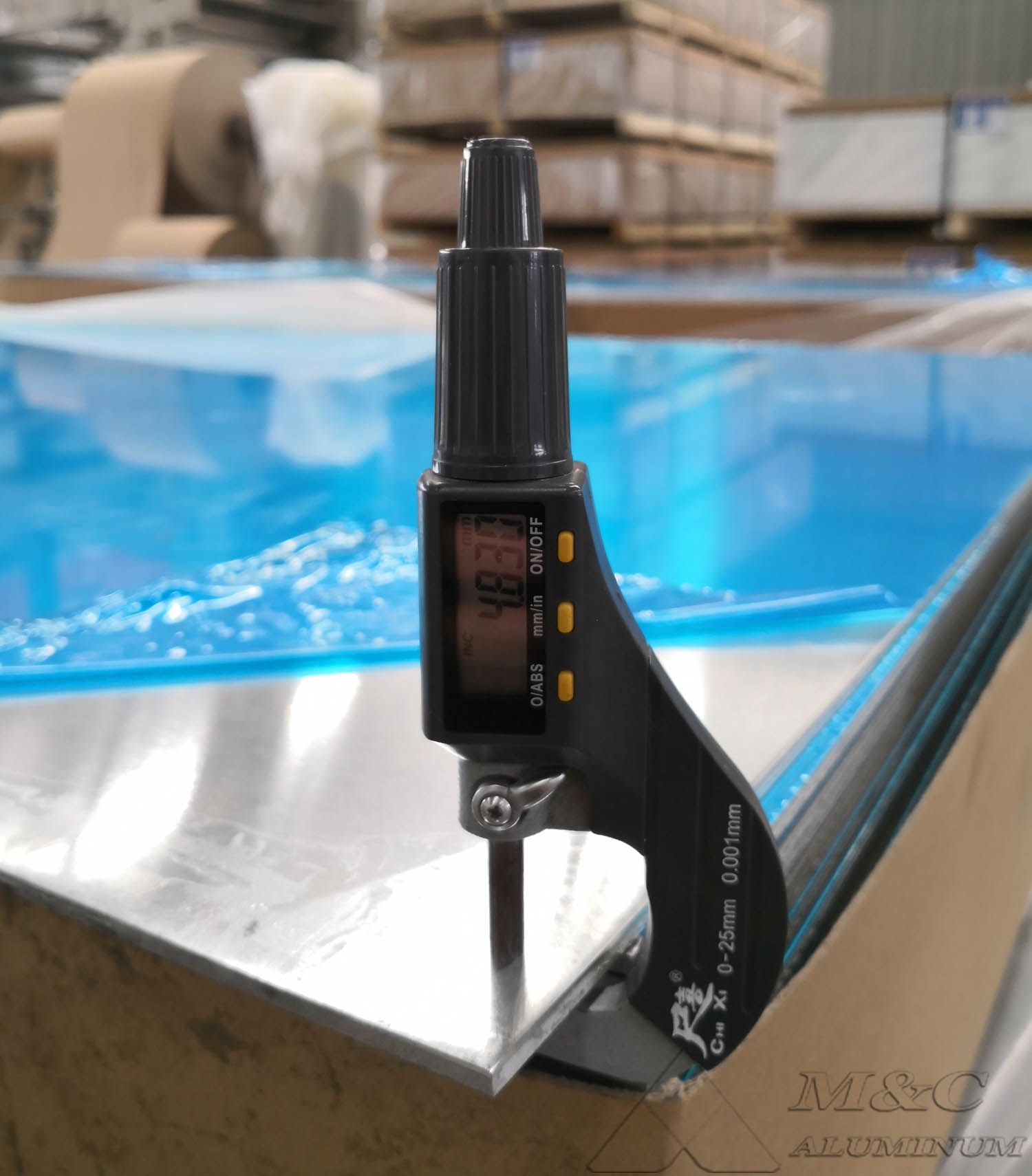
5000 Series Marine Aluminum Alloys
1. 5083 Marine Aluminum
5083 is one of the most widely used marine aluminum alloys, especially for hull structures.
Common tempers: H116 H321 optimized for marine environments
Key Features:
Outstanding seawater corrosion resistance with no intergranular corrosion risk
Excellent weldability with minimal strength loss after welding
Good formability suitable for curved hull structures
Excellent low temperature performance without brittleness
2. 5086 Marine Aluminum
5086 has slightly lower strength than 5083 but offers excellent cost performance.
Applications:
Medium and small vessel structures
Marine support components
Pressure vessels
Key Features:
Slightly better stress corrosion resistance than 5083
Better cold forming capability
Stable weldability and toughness
3. 5456 Marine Aluminum
5456 is the highest strength alloy in the 5000 series for marine use.
Key Features:
Highest strength in 5000 series with strong load bearing capacity
Excellent seawater corrosion resistance
Good weldability and crack resistance
Applications:
Heavy duty ship structures
Marine storage tanks
4. 5052 Marine Aluminum
5052 offers good corrosion resistance and formability but lower strength.
Applications:
Internal structures
Cabin panels
Pipes and fittings
Key Features:
Excellent formability and fatigue resistance
Lower cost
Suitable for non immersed environments
6000 Series Marine Aluminum Alloys
1. 6061 Marine Aluminum
6061 is a heat treatable alloy with higher strength.
Key Features:
Higher strength than standard 5000 series after T6 treatment
Excellent machinability and anodizing performance
Lower seawater corrosion resistance than 5083 requires coating or anodizing
Applications:
Superstructure frames
Masts and supports
Marine piping and fittings
2. 6063 Marine Aluminum
6063 is known for its superior extrusion capability.
Key Features:
Excellent extrusion performance for complex profiles
Smooth surface finish with good anodizing results
Lower strength than 6061 suitable for non structural parts
Applications:
Railings and handrails
Doors and window frames
Interior decorative profiles
Summary of Marine Aluminum Alloys
| Alloy | Series | Positioning | Corrosion Resistance | Weldability | Temper | Main Applications |
| 5083 | 5000 | Primary hull material | Very high | Excellent | H116 H321 | Hull deck bulkhead tanks |
| 5086 | 5000 | High corrosion stress parts | Very high | Good | H116 | Pressure vessels structures |
| 5456 | 5000 | Highest strength in 5000 | High | Good | H112 H116 | Heavy duty ships military |
| 5052 | 5000 | Economical option | Medium high | Good | H32 | Small boats interiors |
| 6061 | 6000 | High strength components | Medium | Good | T6 | Superstructure piping |
| 6063 | 6000 | Extruded profiles | Medium | Good | T5 | Railings interiors |
Manufacturing Process of Marine Aluminum Plates
Melting and casting aluminum ingots with alloying elements and purification
Homogenization heat treatment to remove internal stress
Hot rolling to form thick plates
Cold rolling to achieve final thickness and properties
Marine specific temper treatment such as H116 H321
Leveling and surface cleaning
Testing and certification including mechanical properties corrosion resistance and non destructive testing
Classification Society Certification System
Marine grade aluminum alloys produced by MC Aluminum are certified by major classification societies, including:
ABS American Bureau of Shipping
DNV Det Norske Veritas
LR Lloyds Register
BV Bureau Veritas
CCS China Classification Society
These certifications ensure that the materials meet strict international standards for shipbuilding and offshore applications.
Original Source: https://www.marinealum.com/a/best-aluminum-alloys-for-marine-applications.html
Tag: marine aluminum alloys marine grade aluminum 5000 series marine aluminum 6000 series marine aluminum marine aluminum plate classification certified aluminum plate shipbuilding aluminum plate 5083 marine aluminum 5052 marine aluminum 5086 marine a