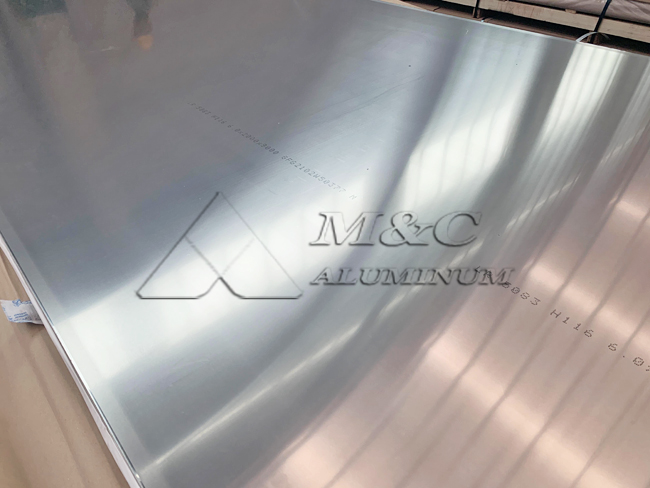
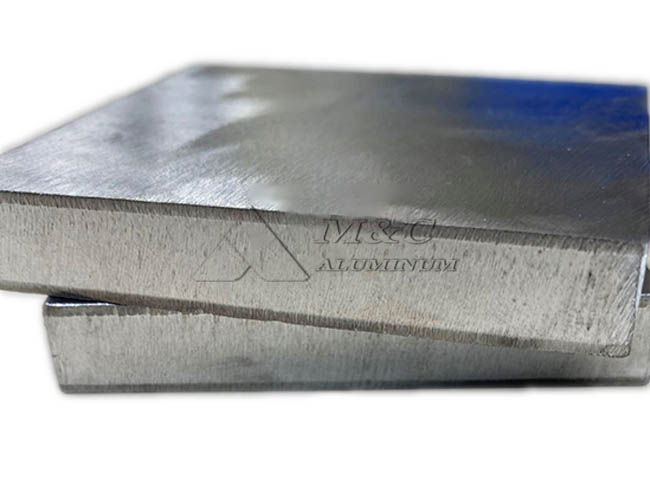
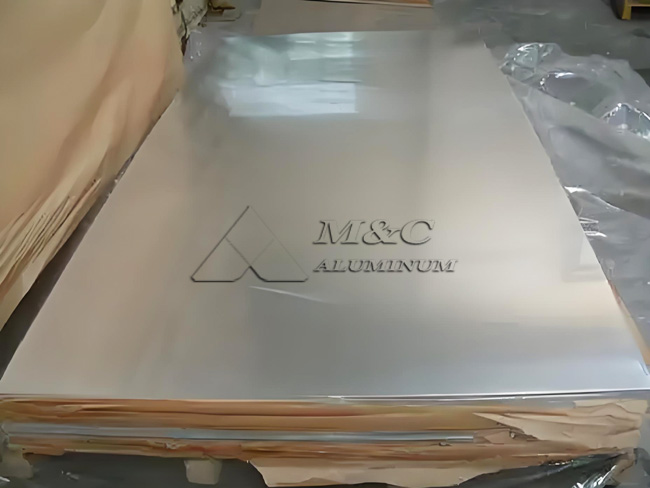
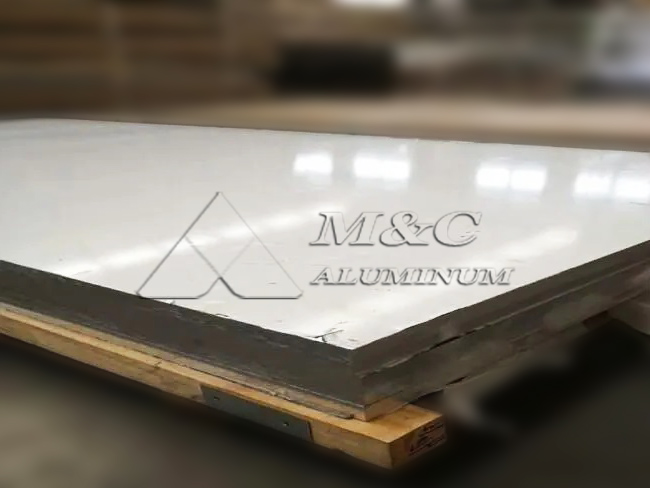
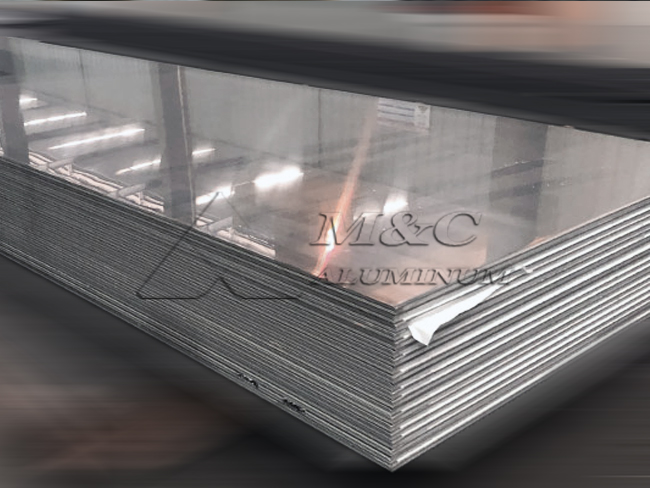
Material Overview
5456 aluminum alloy belongs to the 5000 series (Al-Mg system) and is a non-heat-treatable alloy. This means it cannot be strengthened by heat treatment, but instead gains strength through magnesium as the primary alloying element and through cold working processes such as rolling and stretching.
Chemical Composition (%)
| Element | Mg | Mn | Cr | Si | Fe | Cu |
| Content | 4.7 – 5.5 | 0.5 – 1.0 | 0.05 – 0.20 | ≤0.25 | ≤0.40 | ≤0.10 |
This carefully designed composition gives 5456 marine aluminum excellent resistance to stress corrosion cracking (SCC). Laboratory tests show minimal damage, and in real-world applications, performance is highly stable.
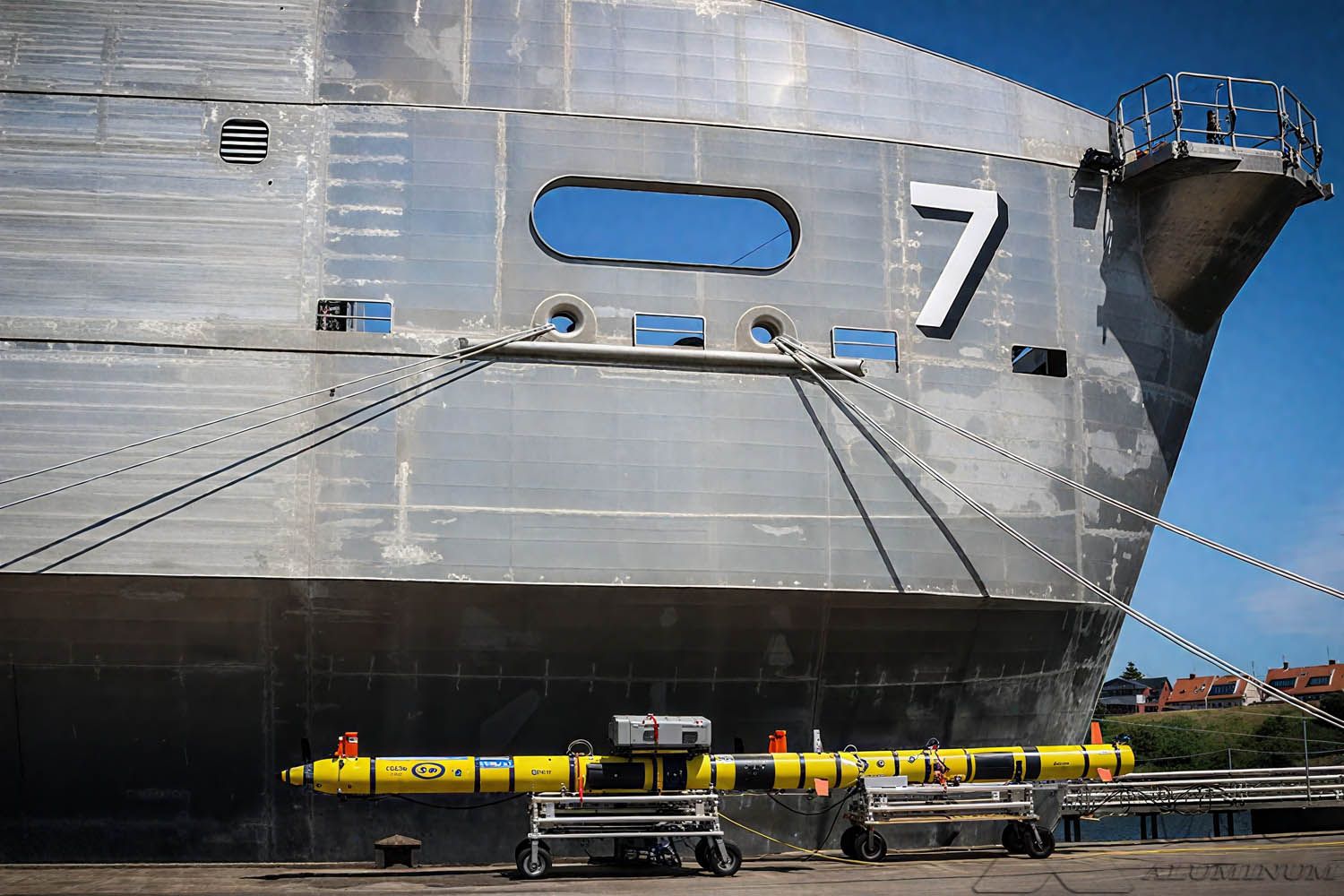
Studies indicate that Al-Mg alloys such as 5083, 5086, and 5456 are widely used in ship structures due to their excellent seawater corrosion resistance, high strength-to-weight ratio, and good weldability.
What Does "H32" Mean?
"H32" represents the temper condition of the aluminum alloy. In the aluminum temper designation system, H32 indicates that the material has been strain-hardened and then stabilized.
This temper provides a balanced combination of strength and ductility, making it one of the most widely used tempers in shipbuilding applications.
Mechanical Properties of 5456 H32 Aluminum Plate
| Property | Typical Value |
| Tensile Strength | 314 – 403 MPa |
| Yield Strength | 225 – 314 MPa |
| Elongation | ≥ 12% |
| Brinell Hardness | 90 HB |
| Elastic Modulus | 69 – 70 GPa |
| Density | 2.65 – 2.7 g/cm³ |
Note:
Compared to the fully annealed O temper, H32 offers higher strength. Compared to H34, H32 retains better formability. This "balance" makes it highly suitable for marine structural applications.
Key Advantages of 5456 Marine Aluminum Plate
1. Excellent Corrosion Resistance
With a high magnesium content (4.7%–5.5%), 5456 forms a stable oxide layer in seawater, effectively resisting chloride corrosion and salt spray.
2. High Strength
Compared to 5083 aluminum, 5456 H32 offers higher yield and tensile strength, making it suitable for high-load structural components.
3. Good Weldability
Compatible with MIG and TIG welding processes, ensuring strong and reliable welded joints for large ship structures.
4. Excellent Low-Temperature Performance
Maintains good toughness in low-temperature environments, preventing brittle fracture-ideal for polar and cold-region vessels.
5. Non-Magnetic Properties
5456 aluminum is non-magnetic, which is critical for special vessels such as minesweepers, helping avoid triggering magnetic mines.
6. Weight Reduction
Compared to traditional steel structures, aluminum reduces weight by approximately 40%–50%, improving vessel speed, increasing payload, and reducing fuel consumption.
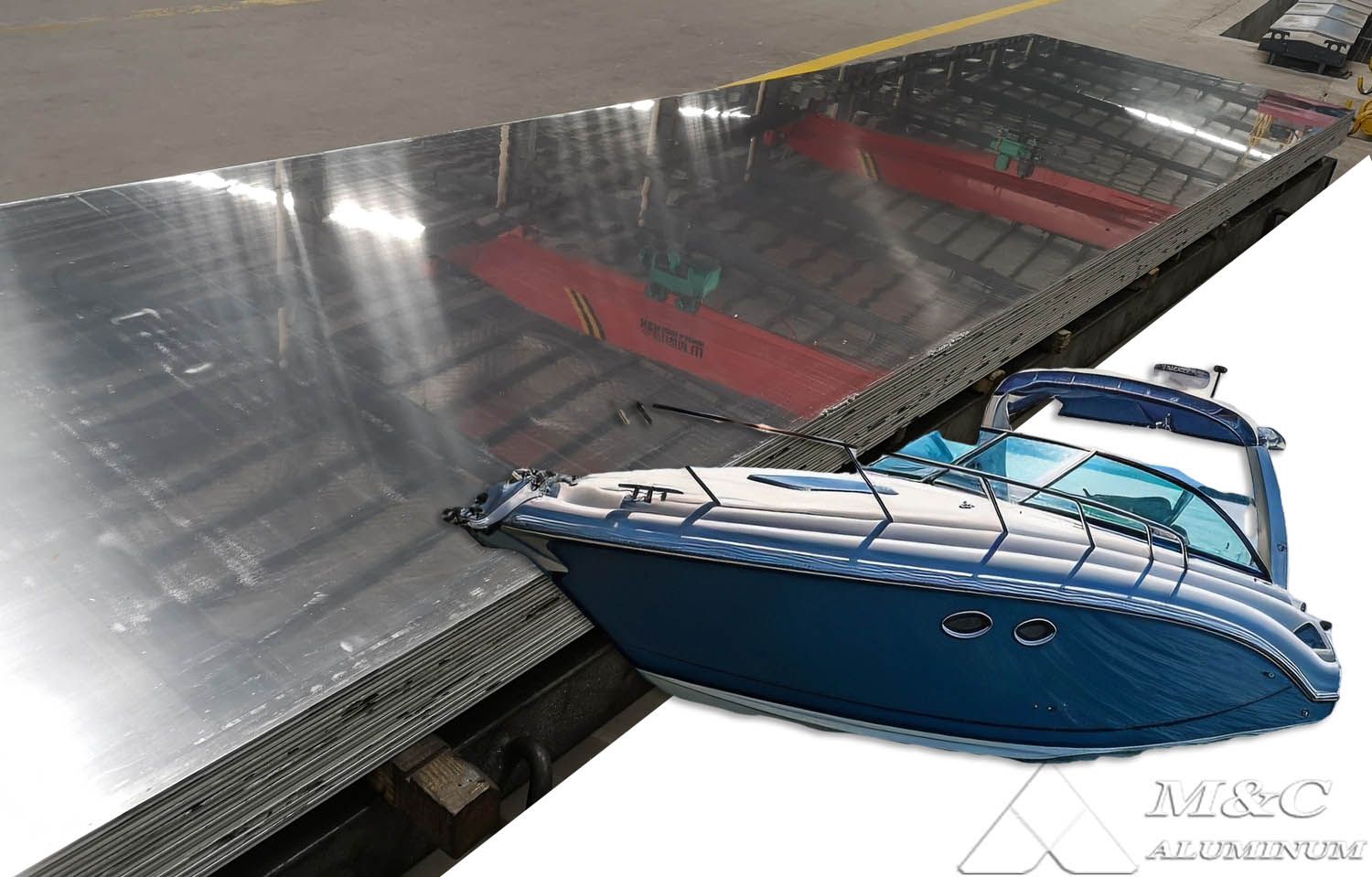
Technical Specifications
| Item | Parameter |
| Alloy | 5456 |
| Temper | H32 |
| Thickness | 3mm – 50mm |
| Width | 1000mm – 2600mm |
| Length | 1000mm – 16000mm |
| Tensile Strength | ≥ 290 MPa |
| Yield Strength | ≥ 200 MPa |
| Elongation | ≥ 10% |
| Density | ~2.66 g/cm³ |
| Standard | ASTM B209 / EN 485 |
| Application | Hull, deck, bulkhead |
| MOQ | 1–3 tons |
5456 H32 Marine-Grade Aluminum Plate Manufacturing Process
Raw Material Preparation
Select high-quality 5456 marine-grade aluminum alloy ingots. The ingots are cast and hot-rolled into thick plates, then processed through multiple cold-rolling passes. Tension and surface flatness are strictly controlled, and the plates are finally rolled to the required thickness in compliance with marine standards, ensuring the base material’s corrosion resistance and mechanical properties.Cleaning and Pretreatment
Before processing, the aluminum plate must undergo rigorous cleaning and pretreatment to remove rolling oil, oxide scale, and contaminants. The steps include alkaline degreasing and multi-stage deionized water rinsing. Optional light etching can be applied to improve surface adhesion. Finally, a chromium-free/chromate-based chemical conversion coating is applied to enhance corrosion resistance in marine environments and to provide a solid foundation for subsequent processing.Rolling and Heat Treatment (H32 Temper)
After pretreatment, the plate is cold-rolled to the target thickness, followed by stabilization heat treatment. By controlling the heating temperature and holding time, the plate is brought to the H32 temper, ensuring that tensile strength, yield strength, and elongation meet marine-grade requirements and perform reliably under harsh marine conditions.Cutting and Forming
According to customer requirements and marine specifications, the heat-treated plate is precisely cut and leveled. Bending, stamping, and other forming processes can be performed as needed to ensure dimensional accuracy and meet ship component assembly requirements.Quality Control
Strict marine-grade inspection is implemented throughout production, including thickness and dimensional accuracy measurements; corrosion resistance testing (salt spray test); mechanical property testing (tensile and yield strength); visual inspection of surface quality; and verification of chemical composition. This ensures compliance with marine standards and certification requirements of classification societies such as CCS.
Applications in Shipbuilding
1. Ship Structures
Hull structures
Decks
Bulkheads
2. Offshore Engineering
Offshore platform components
Marine equipment supports
3. Specialized Vessels
High-speed ships
Military vessels
LNG carriers (selected structural parts)
Comparison with Other Marine Aluminum Alloys
| Alloy | Features | Strength Level | Typical Applications |
| 5456 H32 | High Mg, high strength, excellent corrosion resistance | High (~320 MPa) | Hull structures, pressure vessels |
| 5083 H116/H321 | Classic marine alloy, excellent exfoliation corrosion resistance | Very high (~330 MPa) | Heavy marine structures |
| 5086 H32 | Good formability, moderate strength | Medium-high | Marine plates (common in North America) |
| 5052 H32 | Good formability and weldability | Medium | Marine parts, fuel tanks |
| 6061 T6 | Heat-treatable alloy | Medium | Structural engineering (not true marine grade) |
How to Choose the Right Product
1. Certification Requirements
True marine-grade aluminum plates should be certified by classification societies such as:
DNV
ABS
BV
LR
CCS
These certifications ensure compliance with marine engineering standards.
2. Size Specifications
Typical supply range:
Thickness: 1.5mm – 120mm (H32 commonly ≥ 4.77mm)
Width: 1000mm – 3100mm
Length: 1000mm – 16000mm
Custom sizes available
3. Surface Quality
The surface should be free from defects such as oil stains, dents, inclusions, scratches, discoloration, corrosion, or roll marks.
4. Quality Standards
Ensure compliance with international standards such as:
ASTM B209
GB/T 3880
EN standards
Original Source: https://www.marinealum.com/a/corrosion-resistant-5456-h32-marine-grade-aluminum-plate-sheet.html
Tag: 5456 marine aluminum plate 5456 H32 aluminum sheet 5456 marine aluminum alloy 5083 marine aluminum plate 5086 marine aluminum plate 5000 series marine aluminum alloy ASTM marine aluminum plate shipbuilding aluminum plate marine grade aluminum supp