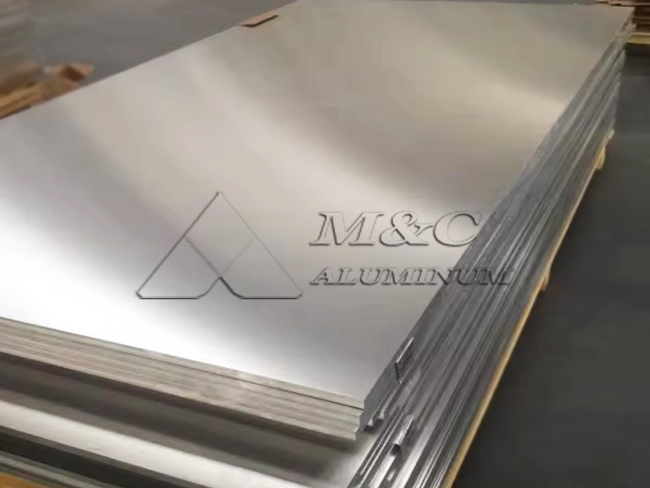
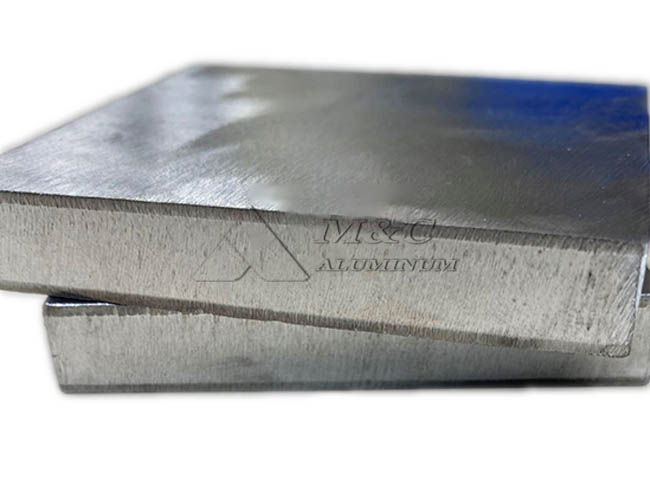
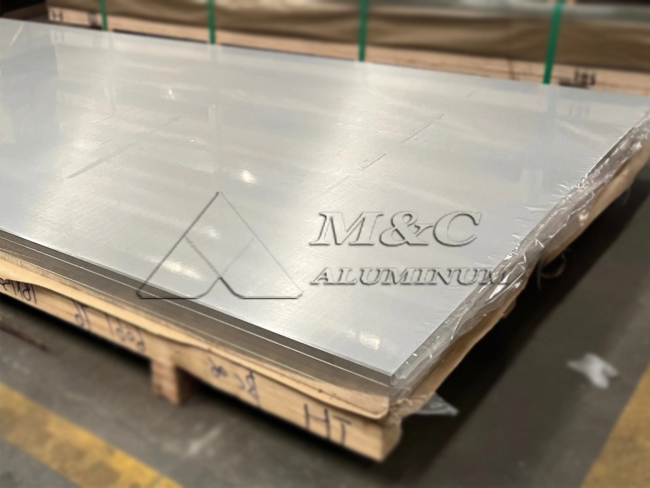
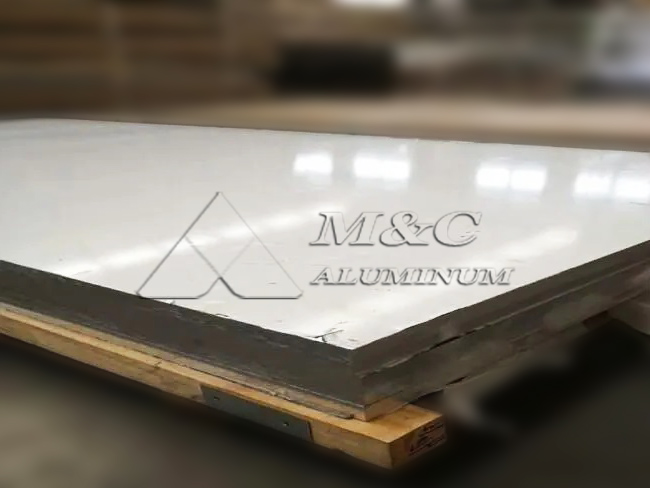
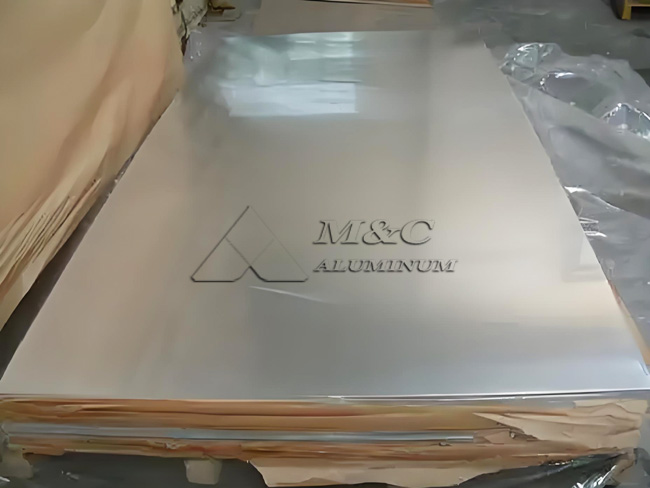
In modern shipbuilding and offshore engineering, 5xxx series aluminum–magnesium (Al-Mg) alloys have become an important alternative to steel due to their excellent seawater corrosion resistance, good weldability, and outstanding weight-saving advantages. Among them, 5456-H116 and 5086-H116 are two of the most commonly used and most frequently compared marine aluminum plate grades.
Although both are supplied in the H116 temper and approved by major classification societies, they differ significantly in strength level, alloy design, and application scenarios. This article provides a detailed comparison to help you make an informed selection.
Introduction to Marine-Grade Aluminum Plates
What Is 5456-H116 Marine Aluminum Plate?
5456 marine aluminum plate is a 5xxx series aluminum-magnesium alloy with magnesium as its primary alloying element. It features low density, medium-to-high strength, excellent corrosion resistance-especially in seawater and good weldability. As a result, it is widely used in shipbuilding and offshore engineering applications.
What Is 5086-H116 Marine Aluminum Plate?
5086 marine aluminum plate is a high-magnesium aluminum–magnesium alloy and a non-heat-treatable strengthened aluminum alloy. Thanks to its excellent corrosion resistance, good weldability, and moderate strength, it is extensively used in shipbuilding and other marine applications.
Temper Condition: H116
H116 is a specific temper developed for marine aluminum alloys. It indicates that the material has undergone special processing to enhance strength and corrosion resistance, particularly resistance to exfoliation corrosion, making it suitable for harsh marine and elevated-temperature environments.
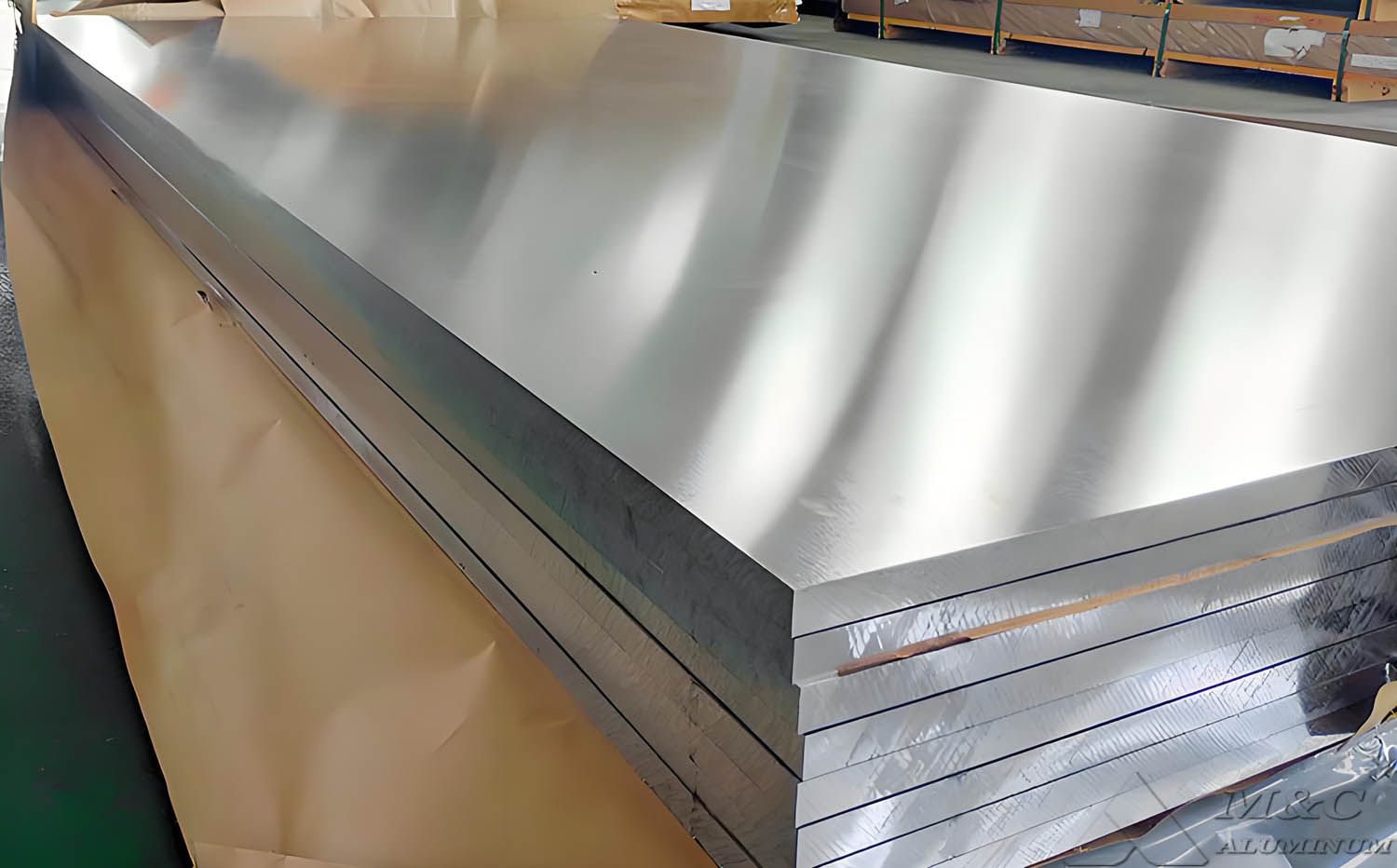
Marine Aluminum Comparison: 5456-H116 vs 5086-H116
Chemical Composition
5456-H116:Magnesium content: 4.7%-5.5%, placing it among the higher-magnesium Al-Mg alloys.
Manganese (Mn) content is relatively higher, ranging from 0.5% to 1.0%.
5086-H116:Magnesium content: 3.5%-4.5%, considered moderate within the 5xxx series.
Manganese content ranges from 0.2% to 0.7%.
Mechanical Properties Comparison
Typical mechanical properties under standard conditions:
| Property | 5456-H116 | 5086-H116 |
| Tensile Strength (MPa) | 310-330 | 290-310 |
| Yield Strength (MPa) | 180-200 | 150-180 |
| Elongation (%) | 10-12 | 10-14 |
| Elastic Modulus (GPa) | 69 | 69 |
| Hardness (HB) | 100-110 | 90-100 |
Interpretation:
5456-H116 offers significantly higher tensile and yield strength, making it suitable for structural components subjected to higher stress.
5086-H116 provides slightly better elongation, giving it an advantage in applications requiring complex forming or curved surfaces.
Corrosion Resistance
5086-H116 demonstrates excellent long-term stability in saltwater environments and is often the preferred choice for patrol boats, yachts, and auxiliary vessels.
5456-H116, while stronger, has a magnesium content close to the critical threshold of 5%, which places higher demands on processing control. However, when produced under a mature H116 process, it performs exceptionally well in extremely harsh marine conditions, such as high-speed interceptors.
Welding and Fabrication
Weldability
Both alloys exhibit excellent weldability and are suitable for MIG and TIG welding. Using 5356 or 5556 filler wire ensures joint strength well matched to the base material.
Formability
5086-H116 is more forgiving, with easier cold bending and forming.
5456-H116, due to its higher hardness and greater springback, requires more precise forming equipment and process control.
Cost and Certification
The material cost of 5086-H116 is typically 10-15% lower than that of 5456-H116, mainly due to a more mature production process and lower alloying content.
5456-H116 has higher production costs because of its higher magnesium content and stricter process requirements, but it remains cost-effective for high-strength applications.
Application Scenarios
| Application Area | 5456-H116 Suitability | 5083-H116 Suitability |
| Hull structures | High-stress areas (keel, support beams) | Hull plating, bulkheads, decks |
| Internal equipment | Hydraulic supports, cable brackets | Cargo pallets, door frames |
| Offshore equipment | Submersible housings, brackets | Pump covers, pipe supports |
| Marine decorative parts | Structural decorative components | Interior fittings, furniture frames |
In general, 5456-H116 is used in areas with high strength requirements, while 5086-H116 is widely adopted for cost-sensitive structural components.
How to Choose the Right Marine Aluminum Plate?
| Scenario | Recommended Alloy | Reason |
| High-speed craft / patrol boats / pressure hulls | 5456-H116 | High strength and impact resistance for heavy loads and high speeds |
| Yacht superstructures, decks, partitions | 5086-H116 | Good formability, attractive surface, balanced cost and performance |
| Engine rooms / high-temperature exposure areas | 5086-H116 | More stable resistance to exfoliation corrosion, lower maintenance |
| Complex curved components (fairings, hatch covers) | 5086-H116 | Excellent bending and deep-drawing performance |
| Offshore platforms, welded load-bearing structures | 5456-H116 | High weld strength and long-term load stability |
| Cost-sensitive, mass-produced vessels | 5086-H116 | High cost-performance ratio and easier procurement |
Original Source: https://www.marinealum.com/a/marine-aluminum-plate-comparison-5456-h116-vs-5086-h116.html
Tag: 5xxx series marine aluminum plate 5456 H116 marine aluminum sheet 5086 H116 marine aluminum sheet 5456 marine aluminum 5086 marine aluminum marine aluminum plate manufacturer Al-Mg alloy plate