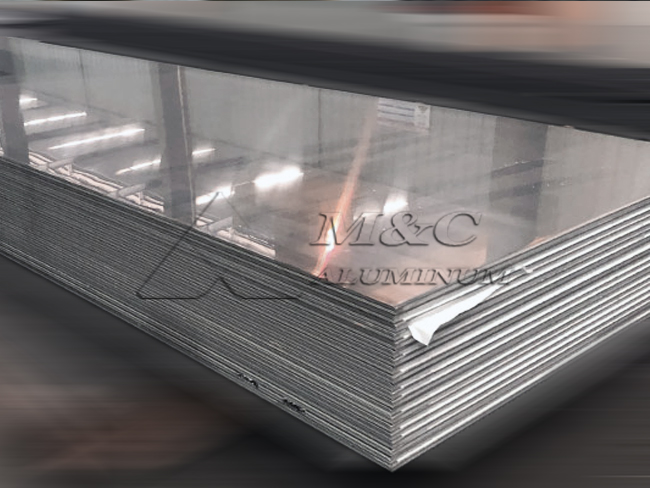
In offshore platform construction and shipbuilding, materials are continuously exposed to high salinity, high humidity, cyclic loads, and complex corrosive environments. Thanks to their lightweight nature, excellent corrosion resistance, and superior fabrication performance, aluminum alloys have become one of the most important structural materials alongside steel.
1. 5000 Series Marine Aluminum Alloys
In aluminum ship hulls and offshore platform structures, 5xxx series (Al–Mg) aluminum alloys are the dominant choice. Their key advantages lie in outstanding resistance to seawater corrosion and excellent weldability.
5083 Aluminum Alloy
5083 is a typical Al-Mg (5xxx series) alloy with a magnesium content generally between 4.0% and 4.9%. It is one of the highest-strength non-heat-treatable aluminum alloys available and exhibits exceptional resistance to seawater and industrial chemical corrosion.
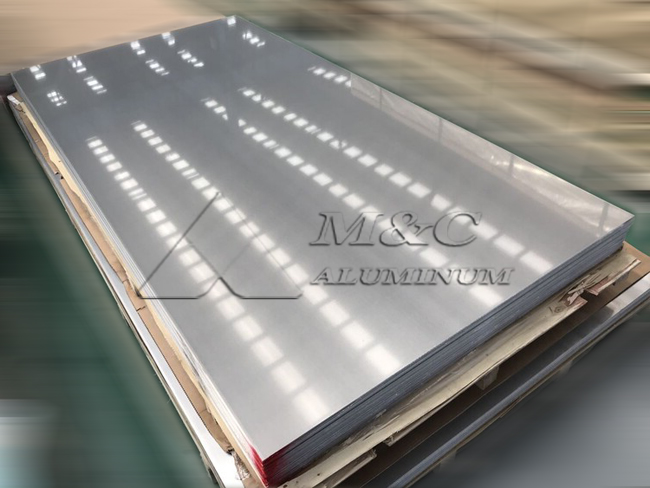
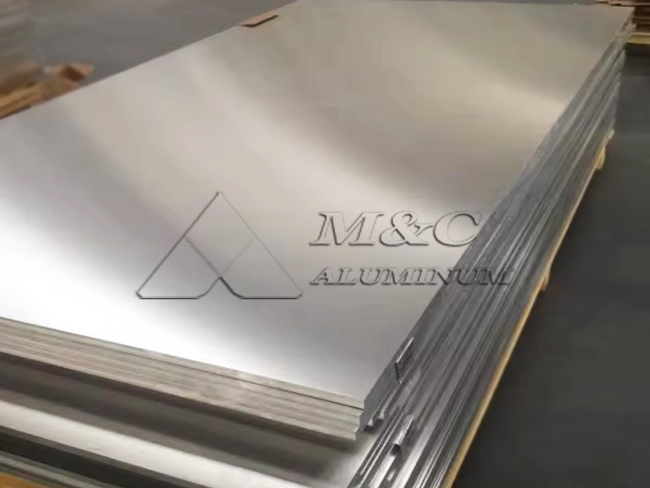
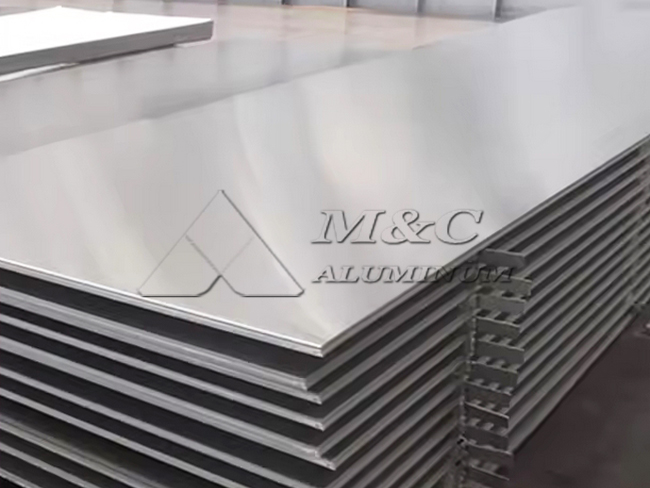
5083 marine aluminum plates are widely used for ship side shells, bottom plates, decks, and LNG storage tanks. They also feature excellent low-temperature toughness, maintaining ductility and strength even in extremely cold environments without brittle fracture.
5086 Aluminum Alloy
5086 is also an Al-Mg alloy, with a slightly lower magnesium content (approximately 3.5-4.5%), offering a more balanced combination of strength and formability.
5086 marine aluminum provides very high welded joint strength and maintains long-term structural integrity in continuous seawater exposure. Typical applications include patrol vessels, yacht hulls, and supporting structures for offshore platforms.
2. 6000 Series Marine Aluminum Alloys
6063 Aluminum Alloy
6063 belongs to the Al-Mg-Si (6xxx series) aluminum alloys. It offers excellent extrudability and superior surface finishing characteristics, such as anodizing. However, its resistance to seawater corrosion is slightly inferior to that of 5000 series alloys.
In shipbuilding, 6063 marine aluminum is mainly used in the form of extruded profiles, including handrails, window frames, deck edge components, rather than large structural hull plates.
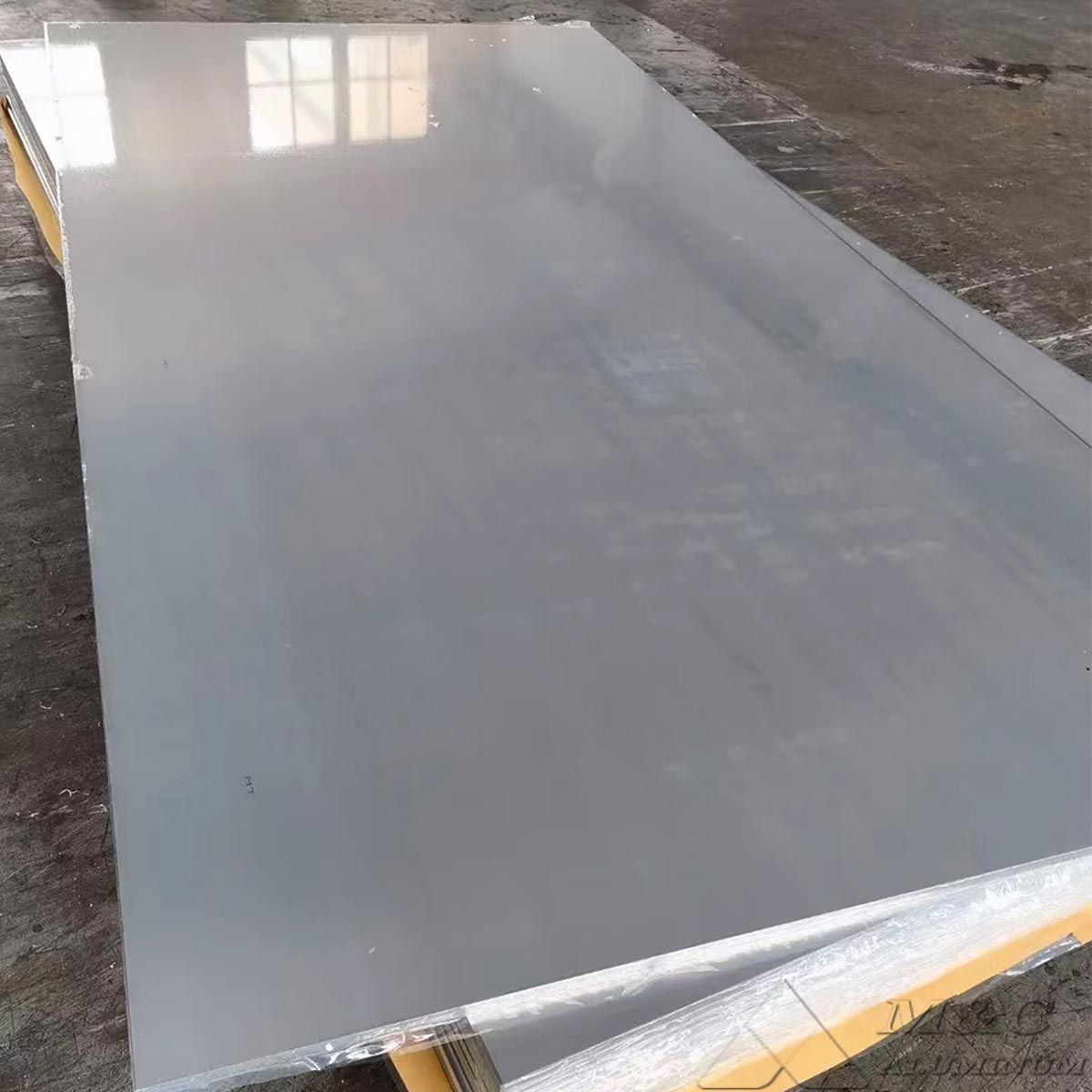
H116 and H321 Tempers Explained
H116 Temper
The H116 temper is specifically designed for marine environments. Through controlled processing, it significantly improves resistance to stress corrosion cracking.
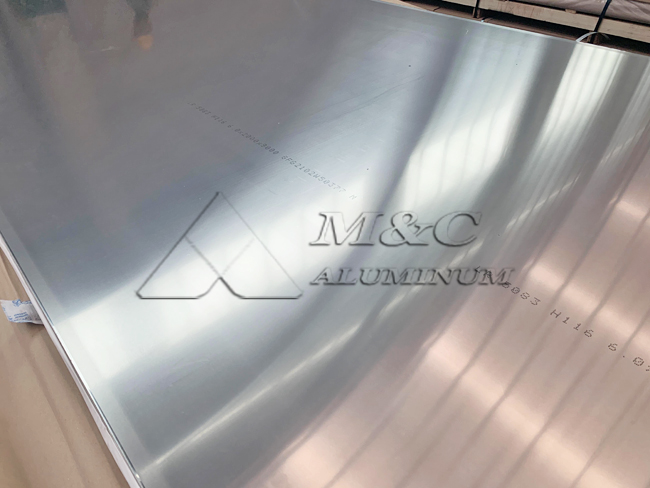
Aluminum plates in the H116 temper are especially suitable for underwater hull sections, seawater piping systems, and other high-corrosion-risk areas, maintaining long-term structural integrity even under continuous seawater exposure.
H321 Temper
The H321 temper involves additional stabilization treatment to enhance thermal stability and creep resistance.
This temper is well suited for ship superstructures and offshore platform components that may be exposed to elevated temperatures, such as areas near engine rooms, galleys, or platforms operating in tropical regions.
Marine Aluminum Plate Specifications
| Alloy | 5083, 5086, 6063 |
| Temper | H116, H321, T6, T5 |
| Thickness | 3-50mm |
| Width | 100-2650mm |
| Length | 1000-16000 mm |
| Surface | Anodized, coated, etc. |
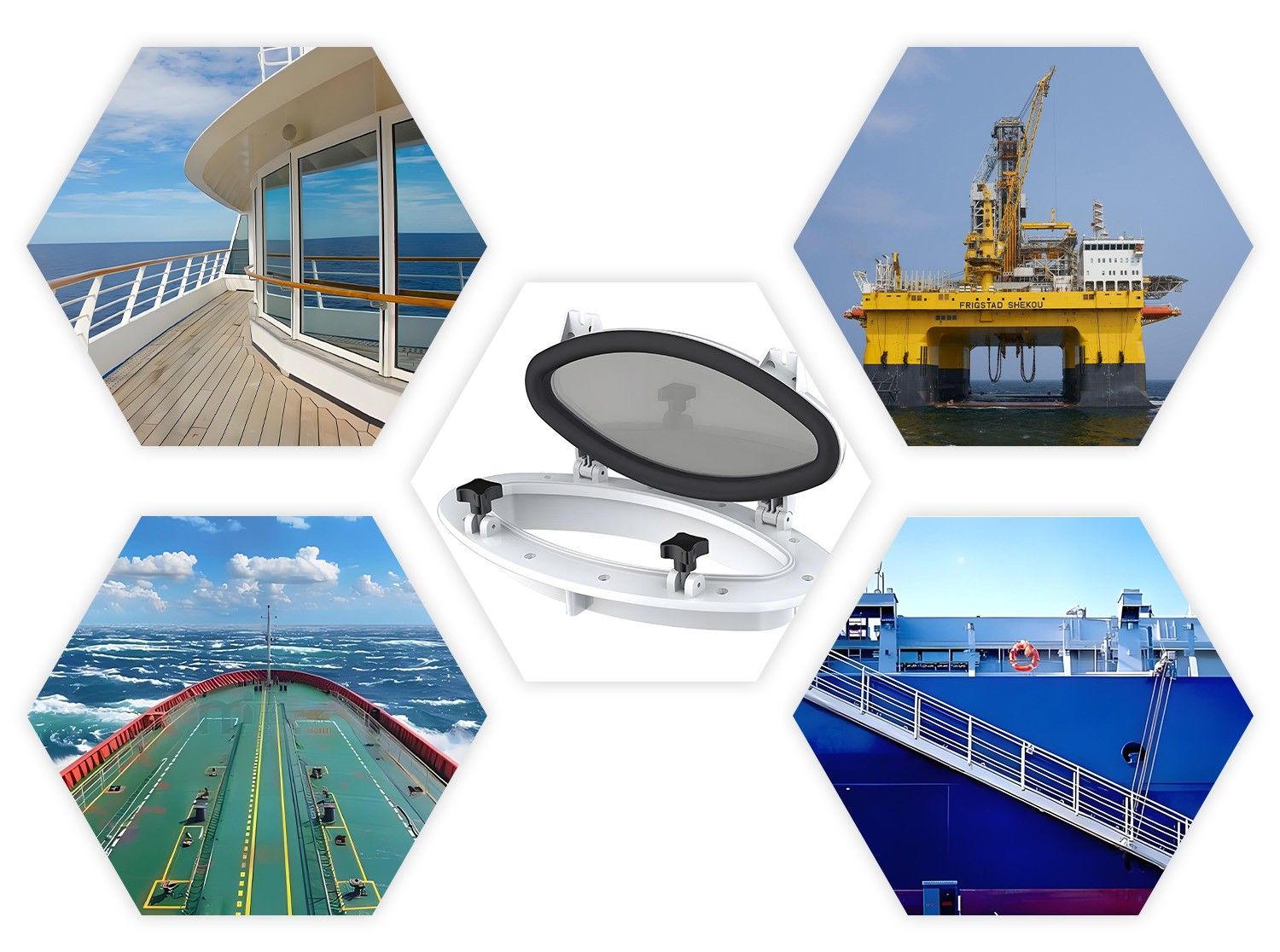
| Applications | Cabins, hulls, doors and windows, deck systems |
| MOQ | 1-3 tons |
Chemical Composition of Marine Aluminum Alloys (%)
| Alloy | Mg | Mn | Si | Fe | Cr | Cu | Al |
| 5083 | 4.0-4.9 | 0.4-1.0 | ≤0.40 | ≤0.40 | 0.05-0.25 | ≤0.1 | remainder |
| 5086 | 3.5-4.5 | 0.2-0.7 | ≤0.40 | ≤0.50 | 0.05-0.25 | ≤0.1 | remainder |
| 6063 | 0.45-0.90 | ≤0.10 | 0.20-0.60 | ≤0.35 | ≤0.10 | ≤0.1 | remainder |
Mechanical Properties
| Alloy & Temper | Tensile Strength (MPa) | Yield Strength (MPa) | Elongation (%) |
| 5083-H116 | ≥305 | ≥215 | ≥12 |
| 5083-H321 | ≥290 | ≥200 | ≥13 |
| 5086-H116 | ≥275 | ≥200 | ≥14 |
| 5086-H321 | ≥260 | ≥185 | ≥15 |
| 6063-T5 | ≥190 | ≥160 | ≥8 |
| 6063-T6 | ≥205 | ≥180 | ≥8 |
Physical Properties
| Property | 5083 | 5086 | 6063 |
| Density (g/cm³) | 2.66 | 2.66 | 2.70 |
| Elastic Modulus (GPa) | 70 | 70 | 69 |
| Thermal Expansion (×10⁻⁶/K) | 23.5 | 23.5 | 23.4 |
| Thermal Conductivity (W/m·K) | ≈121 | ≈121 | ≈201 |
Why Choose Aluminum Plates for Offshore Platforms and Shipbuilding?
1. Exceptional Corrosion Resistance
When exposed to air, aluminum rapidly forms a dense oxide film. In marine environments, specialized marine-grade alloys such as 5083 and 5086, alloyed with magnesium, demonstrate excellent resistance to seawater and marine atmospheric corrosion, effectively preventing pitting and intergranular corrosion.
Under equivalent conditions, the maintenance cost of aluminum structures is typically one-third to one-half that of steel.
2. Lightweight Advantage
Aluminum has a density of approximately 2.7 g/cm³, only 34% of steel. Reduced structural weight translates into improved fuel efficiency, higher payload capacity, and increased vessel speed.
3. Excellent Fabrication and Weldability
Aluminum’s superior machinability enables complex offshore structures, from flat plates to streamlined curved surfaces.
Welding is a critical process in marine construction, and 5xxx series aluminum alloys offer outstanding weldability. Welded joints can retain over 90% of the base material strength, ensuring structural integrity.
4. Lower Life-Cycle Cost
Although aluminum alloys generally have a higher initial purchase price than carbon steel, their long-term economic advantages are significant:
Low maintenance: Minimal need for repainting or rust removal
High scrap value: Aluminum is highly recyclable with strong residual value
Return on investment: According to 2026 industry analyses, maintenance savings typically offset the higher initial cost within 3-5 years
5. No Low-Temperature Brittleness
Aluminum alloys increase in strength at low temperatures without becoming brittle, making them ideal for polar vessels and LNG carriers.
6. Non-magnetic and Spark-free
Aluminum is non-magnetic and does not produce sparks upon impact, which is critical for mine countermeasure vessels and offshore platforms handling flammable cargo.
7. Environmental Sustainability
Aluminum is highly recyclable, requiring only 5% of the energy needed for primary aluminum production, with minimal performance loss.
Typical Applications
Primary hull structures: 5083-H116/H321 for side shells, decks, keels, and ribs
Superstructures and internal components: 5086, 5052, and 6063 profiles for superstructures, cabins, bulwarks, and funnels
Specialized marine components: 5083 for LNG tank liners and GIS enclosures, where corrosion resistance and sealing performance are critical
Original Source: https://www.marinealum.com/a/5083-5086-6063-h116-and-h321-aluminum-plates-suitable-for-offshore-platform-construction-and-shipbuilding.html
Tag: 5083 marine aluminum plate 5086 marine aluminum plate 6063 marine aluminum plate H116 marine aluminum H321 aluminum plate classification society certified aluminum plate marine-grade aluminum plate 5000 series marine aluminum alloy 6000 series mar