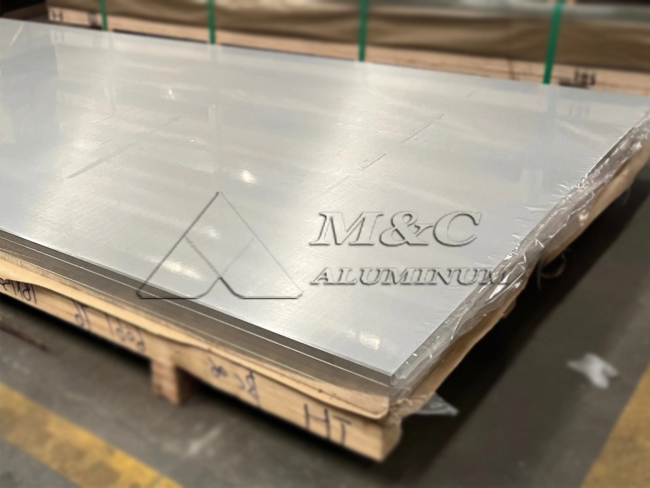
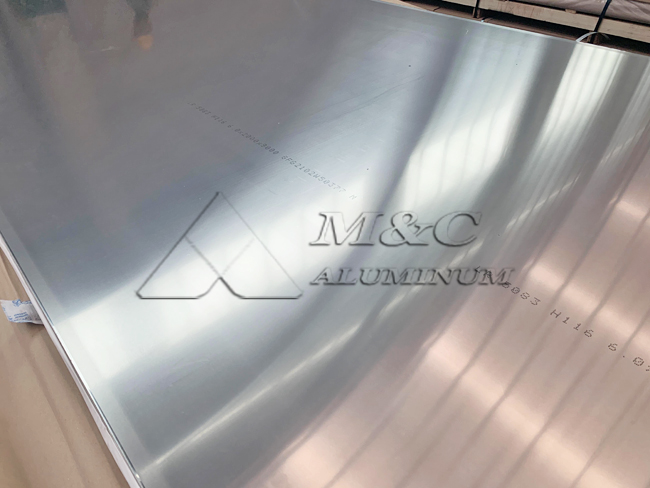
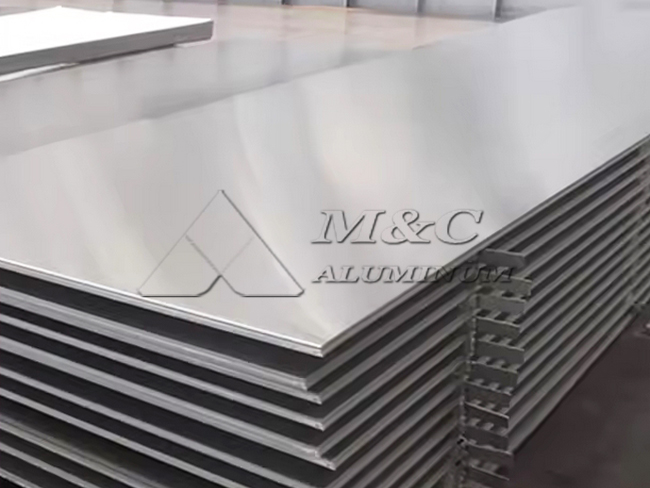
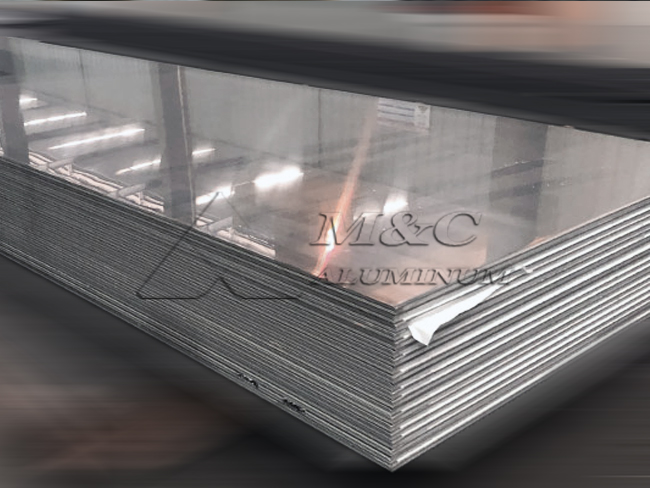
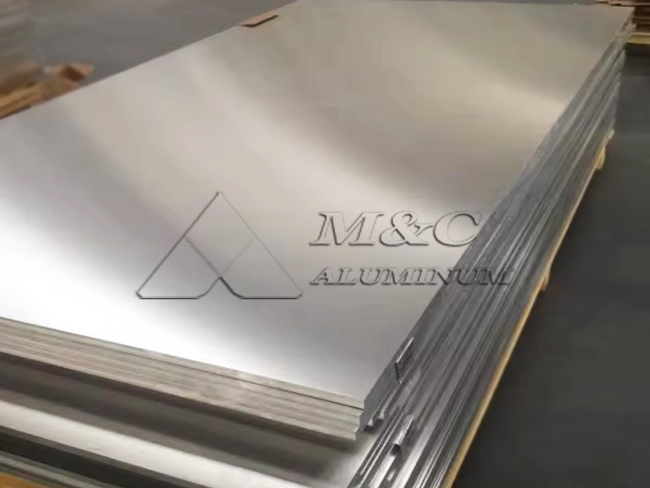
6061 T6 aluminum alloy is an aluminum plate produced through solution heat treatment and artificial aging. Its primary alloying elements are magnesium and silicon. As a member of the 6000 series aluminum alloys, it is well known for its excellent mechanical properties, good weldability, and outstanding corrosion resistance.
For marine-grade applications, 6061 T6 aluminum plate benefits from optimized alloy design and controlled processing, which further enhance its stability under saltwater exposure, high humidity, and ultraviolet radiation. As a result, it has become a preferred material in marine engineering and shipbuilding applications.
Core Advantages of 6061 T6 Marine Grade Aluminum Plate
1. Lightweight with High Strength
6061 T6 aluminum alloy offers structural strength comparable to that of conventional steel, while its weight is only about one-third of steel, making it ideal for lightweight marine structures.
2. Excellent Corrosion Resistance
Thanks to the formation of a natural protective oxide layer, 6061 T6 aluminum alloy performs well in marine environments. For submerged or long-term seawater exposure, anodizing or specialized marine coatings can be easily applied, with excellent coating adhesion to the alloy surface.
3. Superior Weldability
6061 T6 aluminum plate can be welded using TIG or MIG welding processes, maintaining good structural integrity at welded joints.
4. Precision Machining Capability
The alloy is easy to drill, mill, and turn, making it an ideal material for complex marine components and precision fittings.
5. Excellent Cost Performance and Supply Availability
6061 is one of the most cost-effective aluminum alloys available today. With a mature global supply chain, it can be reliably supplied in plates, bars, tubes, and various extruded profiles.
Technical Specifications of 6061 T6 Marine Grade Aluminum Plate
1. Chemical Composition (wt%)
Precise control of chemical composition is critical to ensuring the performance of 6061 T6 marine aluminum plate. Each alloying element plays a specific role and is strictly limited:
| Si | 0.40-0.80% | Forms Mg₂Si strengthening phases with magnesium, improving overall strength. |
| Mg | 0.80-1.20% | rimary strengthening element, working synergistically with silicon to enhance mechanical properties. |
| Cu | 0.15–0.40% | Improves machinability and welded joint strength. |
| Cr | 0.04–0.35% | Refines grain structure and enhances corrosion and oxidation resistance. |
| (Fe | ≤ 0.70% | Controlled as an impurity to avoid negative effects on toughness. |
| Mn | ≤ 0.15% | Auxiliary elements that help optimize overall performance. |
| Zn | ≤ 0.25% | |
| Ti | ≤ 0.15% | |
| Al | remainder | Ensures base ductility and formability. |
Common Specifications of Marine Aluminum Plate
| Alloy | 6061 |
| Temper | T6 |
| Thickness | 3.0-50 mm |
| Width | 1000-3000 mm |
| Length | 1000-12000 mm |
| Surface Treatment | Mill finish, anodized, sandblasted, anti-slip patterned surface (diamond or bar patterns for deck applications) |
| MOQ | 1-3 tons |
Mechanical Properties (T6 Temper, Room Temperature)
| Property | Typical Value | Test Standard |
| Tensile Strength | ≥ 310 MPa | ASTM B209 |
| Yield Strength | ≥ 276 MPa | ASTM B209 |
| Elongation | ≥ 12% | ASTM B209 |
| Vickers Hardness (HV) | ≥ 105 | ISO 6507 |
| Bending Strength | ≥ 450 MPa | GB/T 232 |
Physical Properties
| Density | 2.70 g/cm³ (ISO 1183-2020) |
| Melting Point | Approx. 650 °C |
| Thermal Conductivity | 166 W/(m·K) (ASTM E1461-2020) |
| Electrical Conductivity | 43% IACS (≥ 40% IACS after aging, IEC 60468-2020) |
| Grain Size | ≤ ASTM Grade 7, dense structure with no internal defects |
Performance Comparison with Other Marine Aluminum Alloys
Common aluminum alloys used in marine applications include 5052, 5083, and 6061, each with different performance priorities. The core advantage of 6061 T6 lies in its well-balanced overall performance.
| Alloy | Strengthening Method | Tensile Strength (MPa) | Corrosion Resistance | Weldability | Key Advantages | Typical Applications |
| 6061 T6 | Heat-treated | ≥ 310 | Excellent (salt spray ≥ 3000 h) | Good | Balanced performance, high strength, good machinability | Hull structures, decks, equipment components |
| 5052 H32 | Heat-treated | 215-265 | Excellent | Excellent | Strong corrosion resistance, good formability | Small hulls, interior panels |
| 5083 H116 | Strain-hardened | 275-350 | Outstanding | Good | Superior seawater corrosion resistance, high strength | Large hulls, offshore platforms |
Compared with 5000 series marine aluminum alloys, 6061 T6 achieves higher strength through heat treatment and offers greater machining flexibility, making it suitable for complex structural components.
Compared with other heat-treatable alloys (such as the 2xxx and 7xxx series), 6061 T6 provides better corrosion resistance and weldability, making it a cost-effective solution that balances strength, corrosion resistance, and manufacturability in marine environments.
Application Scenarios of 6061 Marine Aluminum Plate
Ship superstructures (cabins, bulkheads, platforms)
Marine equipment brackets and mounting bases
Housings for navigation instruments and control systems
Internal structural parts and functional components
Lightweight structures for yachts, workboats, and law enforcement vessels

Notes on Purchase and Use
Although 6061 aluminum alloy performs well in many applications, its suitability depends on specific service environments and design requirements.
1. Corrosion Considerations
While 6061 aluminum alloy has good overall corrosion resistance, it is more susceptible to pitting corrosion in severe marine environments compared with 5052 or 5083 alloys. For long-term direct seawater exposure, anodizing or protective coatings are recommended.
2. Strength and Weldability
When welded in the T6 temper, the heat-affected zone (HAZ) experiences some strength reduction. Post-weld heat treatment can restore part of the strength and should be considered during design. For heavily welded primary hull structures, 5000 series alloys are often preferred, as they do not lose strength during welding.
3. Formability
T6 temper provides high strength but lower formability compared with softer tempers such as O or T4. For applications requiring complex bending or forming, alternative tempers may be more suitable during fabrication.