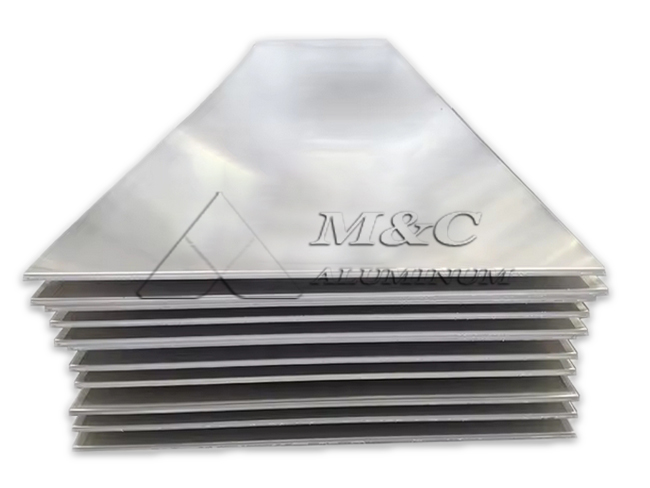
In modern shipbuilding and marine engineering, weight reduction and corrosion resistance remain two critical challenges. Among various structural materials, 5083 aluminum alloy has become a preferred choice for manufacturing high-speed ferries, yachts, patrol boats, and offshore platforms due to its outstanding stability in harsh marine environments.
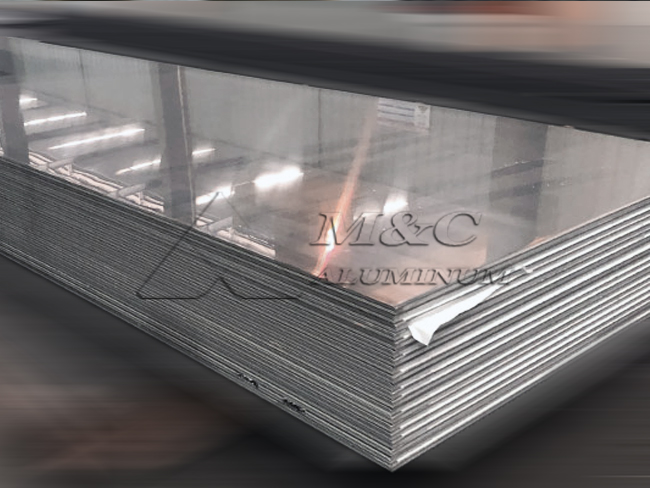
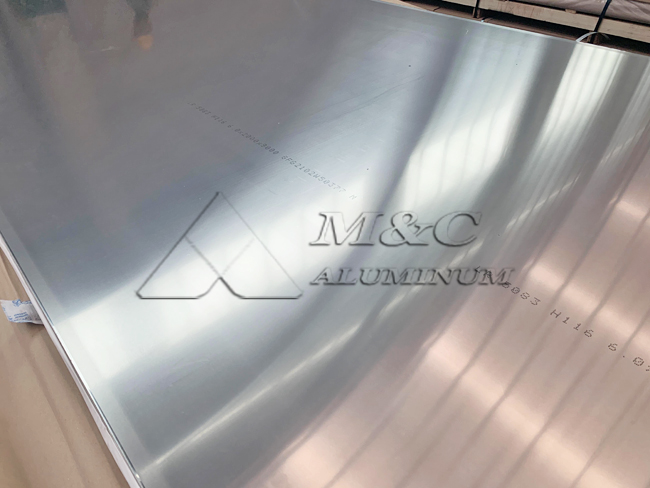
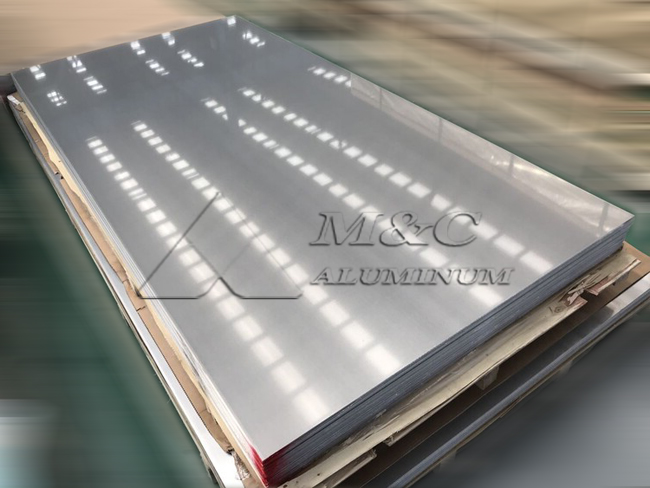
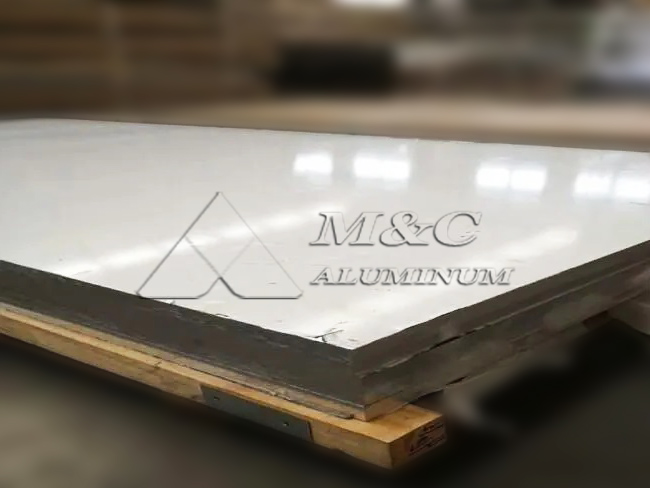
Thanks to its excellent strength, corrosion resistance, and weldability, 5083 marine aluminum plate is widely used in ship structures and offshore engineering components.
What Is 5083 Aluminum Alloy?
5083 aluminum alloy belongs to the Al-Mg (5xxx series) aluminum alloy family, where magnesium (Mg) serves as the primary alloying element. This composition provides excellent strength and superior resistance to seawater corrosion.
Compared with many other aluminum alloys, 5083 marine aluminum alloy performs exceptionally well in marine environments, which is why it is widely used in shipbuilding and offshore structures.
Chemical Composition (%)
| Alloy | Al | Mg | Mn | Cr | Fe | Si | Cu | Zn |
| 5083 | remainder | 4.0 – 4.9 | 0.4 - 1.0 | 0.05 - 0.25 | ≤0.4 | ≤0.4 | ≤0.1 | ≤0.25 |
The addition of magnesium significantly improves the strength of the alloy while maintaining excellent corrosion resistance, which is a key reason why 5083 aluminum is widely used in marine applications.
Meaning of H116 and H321 Tempers
H116 temper
H116 is a strain-hardened temper with special controls applied to ensure good resistance to exfoliation corrosion.
Characteristics: The H116 temper requires the material to pass stringent exfoliation corrosion tests. Its microstructure is specially controlled so that precipitation of the magnesium-containing phase (Mg₂Al₃) at grain boundaries is discontinuous.
Typical applications: Mainly used for underwater hull sections or structural components in long-term contact with seawater.
H321 temper
Characteristics: H321 is a temper that is strain-hardened and then stabilized on the basis of H32. It also offers excellent corrosion resistance, but in some standards it places slightly more emphasis on controlling the degree of strain hardening.
Typical applications: Widely used for hull decks, superstructures, and internal structures requiring high-strength support.
Technical notes: Under ASTM B928 (the standard for high-magnesium aluminum alloys for marine applications), both H116 and H321 must pass specific quality control tests (e.g., mass loss tests on corrosion products) to ensure they will not suffer catastrophic intergranular attack in salt-spray environments.
Mechanical Properties
| Mechanical Property | 5083 H321 | 5083 H116 |
| Strength Category | H321 | H116 |
| Tensile Strength (σb) | 290–330 MPa | 260–290 MPa |
| Yield Strength (σ0.2) | 190–210 MPa | 150–180 MPa |
| Elongation (δ) | 12–15 % | 18–22 % |
| Hardness (HB) | 100–110 | 80–90 |
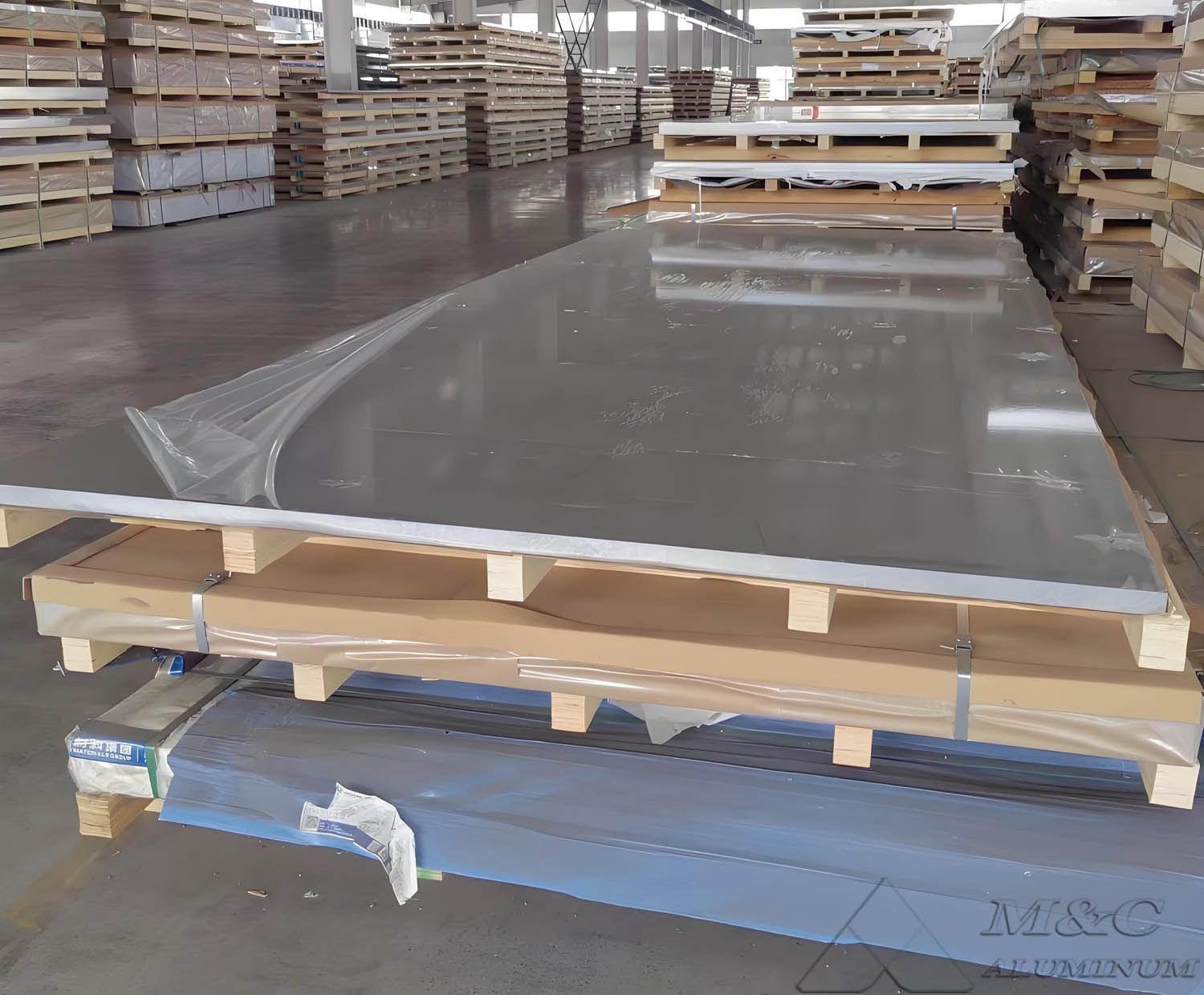
Performance Advantages of 5083 Marine Aluminum Plate
Outstanding Corrosion Resistance
5083 aluminum forms a dense oxide protective layer on its surface, effectively resisting seawater chloride ions, salt spray, and marine atmospheric corrosion. This significantly extends service life and reduces maintenance costs.
Excellent Weldability
In large-scale shipyard welding operations, 5083 aluminum alloy performs exceptionally well with MIG and TIG welding processes. It shows very low cracking tendency, and the weld strength can approach that of the base metal.
High Strength-to-Weight Ratio
Aluminum has a density about one-third that of steel. Using 5083 aluminum significantly reduces vessel weight, lowering the center of gravity and improving speed and fuel efficiency.
Low-Temperature Stability
5083 aluminum alloy maintains excellent toughness at extremely low temperatures. In some cases, its strength even increases in cryogenic conditions, making it suitable for LNG carrier tanks and cryogenic equipment.
Lightweight Advantage
Using 5083 aluminum can reduce structural weight by approximately two-thirds compared with steel, improving payload capacity, navigation speed, and fuel efficiency.
Non-Magnetic Safety
5083 aluminum alloy is non-magnetic, making it suitable for naval vessels, research ships, and explosion-proof environments.
Specifications of 5083 Marine Aluminum Plate
| Item | Specification |
| Alloy | 5083 |
| Temper | H116 / H321 |
| Thickness | 3 – 50 mm |
| Width | 1500 – 2600 mm |
| Length | Up to 16 m |
| Surface Treatment | Anodized, coated, embossed |
| Applications | Hull plate, bottom plate, side plate, deck, ladder, porthole |
| MOQ | 1 – 3 tons |
Applications of 5083 Marine Aluminum Plate
Shipbuilding: Hull plating, decks, bulkheads, keels, and engine foundations for high-speed passenger ferries, yachts, and patrol boats.
Offshore engineering: Accommodation modules, helidecks, access walkways, and piping systems for offshore drilling platforms.
Pressure vessels: Pressure vessels with stringent fire-safety requirements, such as tank trucks and refrigerated containers.
Special equipment: Protective layers for LNG storage and transportation equipment, submersibles, etc.
Product Standards and Certifications
For marine materials, performance alone is not sufficient. Authoritative certifications from global classification societies are also required.
As a professional marine aluminum manufacturer, MC Aluminum provides 5083 marine aluminum plates certified by:
DNV – Det Norske Veritas (Norway)
CCS – China Classification Society
ABS – American Bureau of Shipping
LR – Lloyd's Register (UK)
BV – Bureau Veritas (France)
These certifications not only guarantee product quality but are also essential for ships exported to international markets.
Comparison with Other Marine Aluminum Alloys
5083 vs 5052
5083 offers stronger strength, corrosion resistance, and weldability, making it suitable for main structural components, while 5052 is often used for non-load-bearing interior parts.
5083 vs 6061
6061 aluminum alloy can be heat-treated to achieve higher strength, but its seawater corrosion resistance is significantly weaker than 5083, so it is rarely used in long-term marine immersion environments.
5083 vs 5086
5086 contains slightly higher magnesium content (5.0%–6.0%), giving it slightly better corrosion resistance. However, its strength is generally lower than 5083, and the cost is typically higher.