
- sales@alummc.com
- Zhengzhou,Henan,China
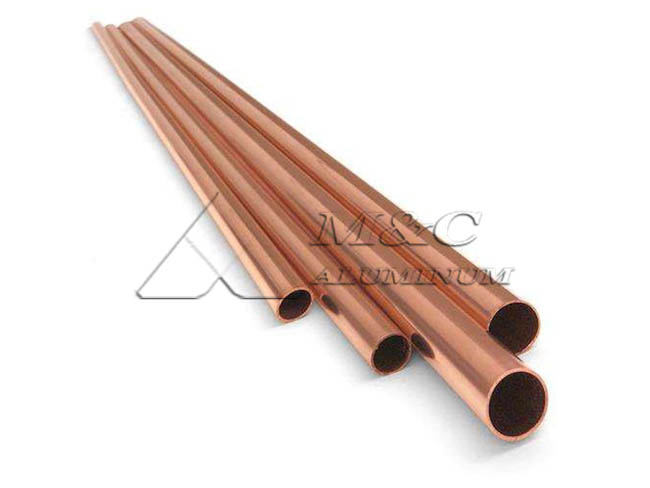
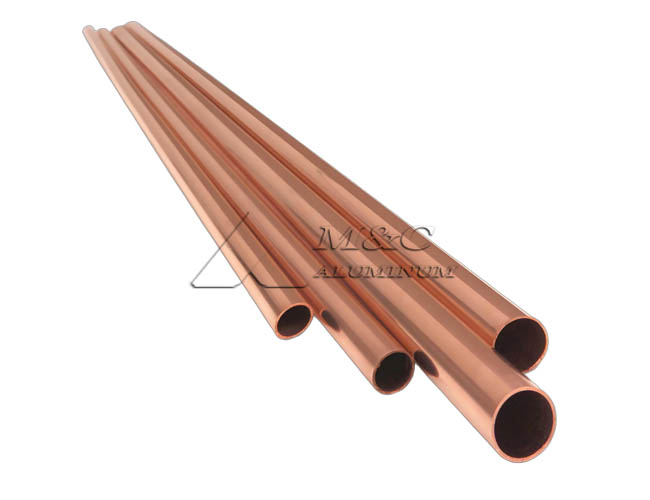
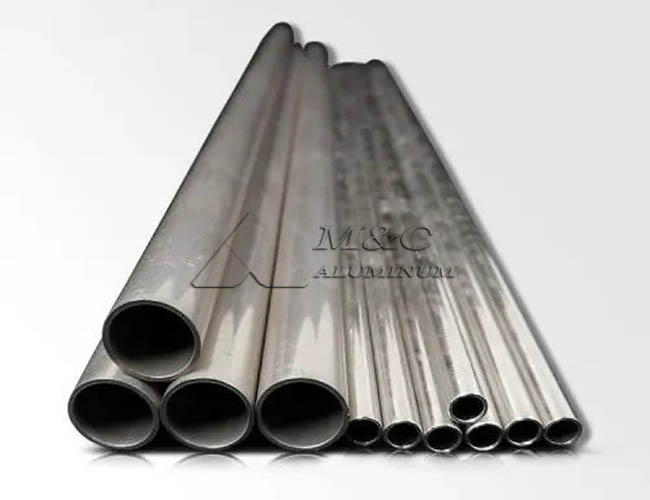
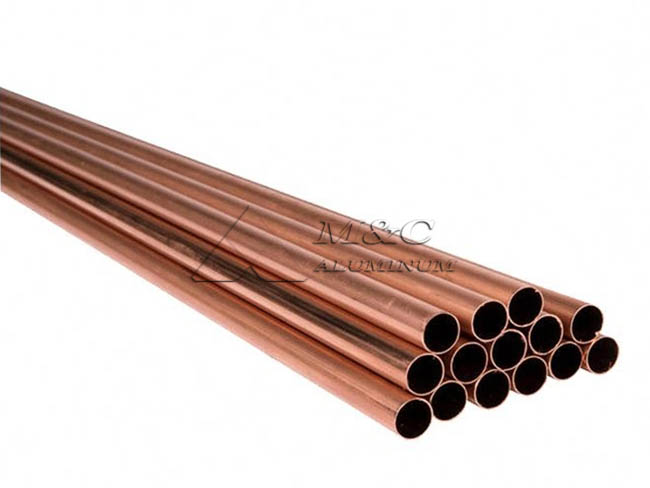
Copper nickel alloy, also known as cupro nickel alloy, is a copper-based alloy containing nickel, iron, manganese, and other alloying elements. Copper nickel tubes and pipes offer excellent strength, outstanding corrosion resistance, and good machinability and formability.
90/10 copper nickel pipe is made of approximately 90% copper and 10% nickel. It is one of the most commonly used grades in copper nickel piping systems and is widely applied in offshore oil and gas refining systems, shipbuilding, and marine piping systems.
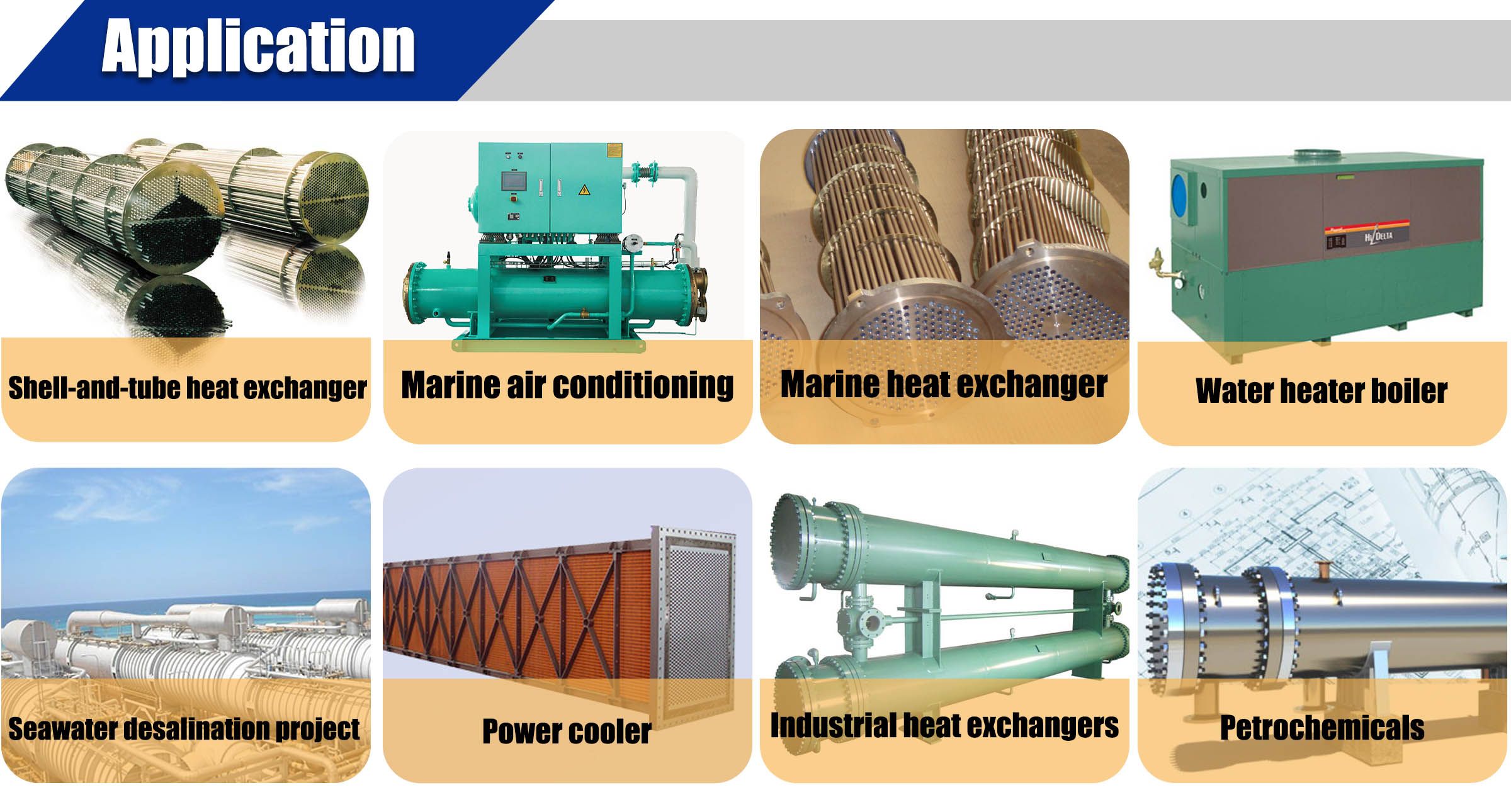
Copper nickel alloy tubes are widely used in shipbuilding, condensers, heat exchanger components, gas mine systems, industrial air conditioning, seawater desalination plants, and chemical piping systems.
1. Excellent Corrosion Resistance
Copper nickel pipe can form a dense protective film in seawater, effectively resisting chloride ion corrosion, marine biofouling, and stress corrosion cracking. It is especially suitable for marine environments.
2. Good Thermal and Electrical Conductivity
Compared with stainless steel, copper nickel pipe offers higher thermal conductivity and is widely used in condensers and heat exchanger systems.
3. Excellent Anti-Biofouling Performance
The release of copper ions provides natural antibacterial properties, effectively preventing the attachment of marine organisms such as shellfish and algae, thereby reducing maintenance costs.
4. High Strength and Stability
Compared with pure copper tubes, copper nickel pipes have higher mechanical strength. They can maintain good dimensional stability and structural reliability under pressure, vibration, and temperature fluctuation conditions.
5. Excellent Mechanical Properties and Processability
Copper nickel pipe has good ductility and toughness. It is easy to perform cold bending, welding, flaring, and flanging operations, making it highly compatible with various forming processes.
6. Long Service Life
In seawater systems, the service life of copper nickel pipe can usually exceed 20 years, much longer than that of ordinary steel pipe.
7. Good Heat Transfer Performance
Copper nickel pipe retains the good thermal conductivity of copper alloys and is suitable for condensers, evaporators, heat exchangers, and other equipment requiring high heat transfer efficiency.
| Item | Specification |
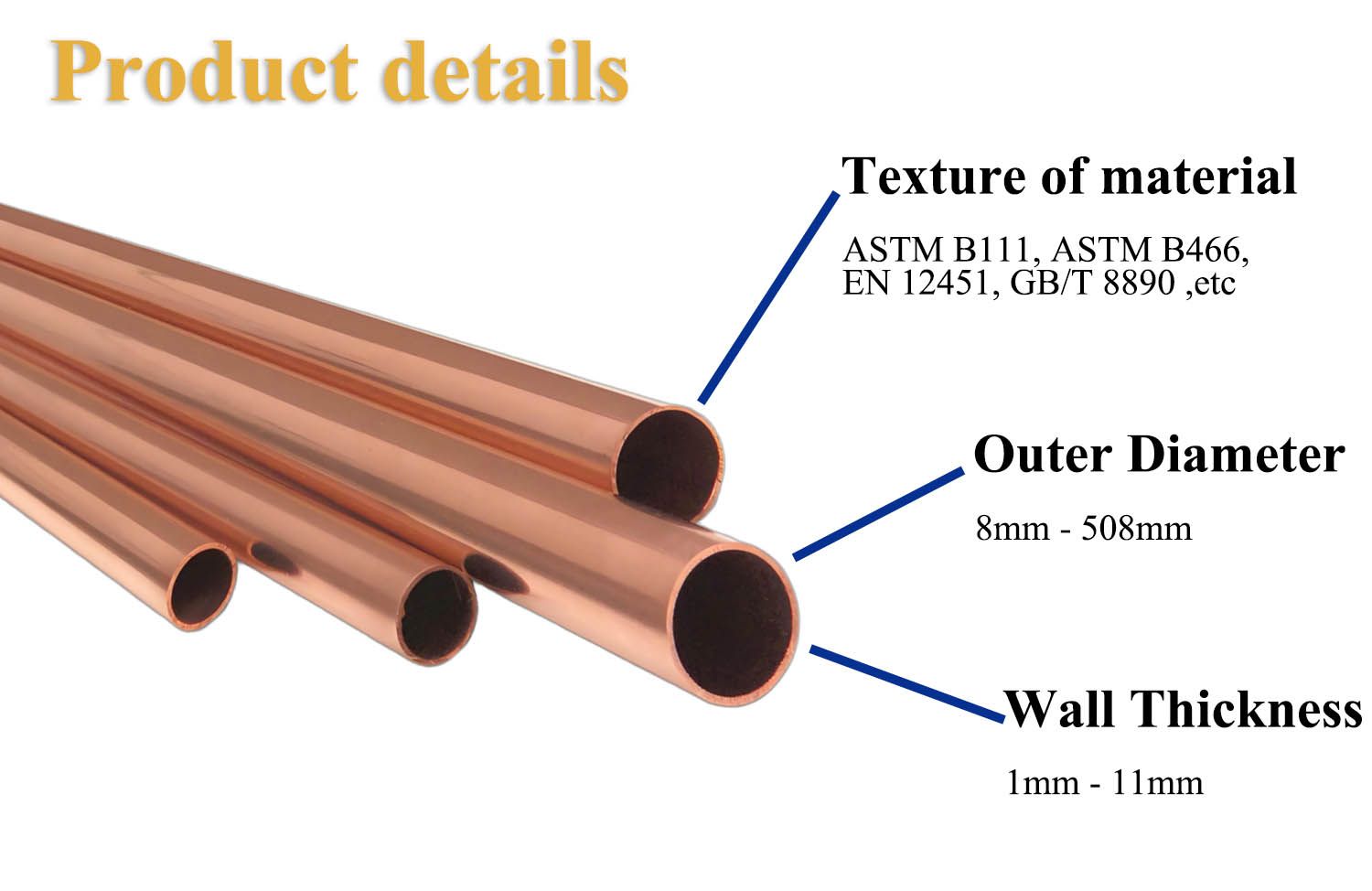
| Copper Nickel Pipe Size | 1/2" to 20", DN15 to DN500 |
| Outer Diameter / OD | 8 mm to 508 mm |
| Wall Thickness | 1 mm to 11 mm |
| Length | Usually 6 meters or customized |
| Wall Thickness Grade | Sch10, Sch40, Sch80, Standard |
| Temper | Annealed / O, Half Hard / 1/2H, Hard / H |
| Standards | ASTM B111, ASTM B466, EN 12451, GB/T 8890, etc. |
| Production Process | Seamless cold drawing, cold rolling, extrusion, welded forming, etc. |
| Type | Seamless / below and including 419 mm; Welded / above 419 mm |
| Pipe End | Plain end, beveled end, threaded end |
| Classification | Class | Cu | Zn | Pb | Fe | P | Sn | Ni | Mn | Al | As | Related Standards |
| Cu-Ni Tube | 1 | Rem. | 1.00 max | 0.05 max | 1.3–1.7 | - | - | 4.8–6.2 | 0.3-0.8 | - | - | ISS: IS:1545 CuNi5Fe / JIS: D 5301 C7040 / ASTM: B111 C70400 / BS: 2871 CN101 / DIN: CuNi5Fe |
| Cu-Ni Tube | 2 | Rem. | 1.00 max | 0.05 max | 1.0-1.8 | - | - | 9.0-11.0 | 1.0 max | - | - | ISS: IS:1545 CuNi10Fe1 / JIS: C7060 / ASTM: C70600 / BS: CN102 / DIN: CuNi10Fe |
| Parameter | C70600 | C71500 |
| Density | Approx. 8.94 g/cm³ | Approx. 8.95 g/cm³ |
| Melting Range | Approx. 1100℃–1150℃ | Approx. 1170℃ |
| Thermal Conductivity | Approx. 40–50 W/m·K | Approx. 25–35 W/m·K |
| Linear Expansion Coefficient | Approx. 16×10⁻⁶/K | Approx. 16×10⁻⁶/K |
| Elastic Modulus | Approx. 130–150 GPa | Approx. 140–160 GPa |
| Electrical Conductivity | Approx. 8%–12% IACS | Approx. 4%–8% IACS |
| Magnetism | Basically non-magnetic or weakly magnetic | Basically non-magnetic or weakly magnetic |
| Temper | Tensile Strength Rm | Yield Strength Rp0.2 | Elongation A |
| Soft / Annealed | ≥290 MPa | ≥105 MPa | ≥30% |
| Half Hard | ≥340 MPa | ≥150 MPa | ≥20% |
| Hard | ≥380 MPa | ≥250 MPa | ≥10% |
Seamless Copper Nickel Pipe
Seamless copper nickel pipe is produced from tube billets through extrusion, rolling, cold drawing, and other processes. It has stable overall performance and good pressure-bearing capacity.
Applications:
Ship seawater systems
Condensers
Heat exchangers
High-reliability piping systems
Welded Copper Nickel Pipe
Welded copper nickel pipe is formed by rolling and welding copper nickel plates or strips. It is suitable for some large-diameter pipes or specific piping requirements.
Applications:
Medium and low-pressure transmission pipelines
Non-high-pressure special structural components
Large-diameter piping systems
Copper nickel alloy pipes usually comply with international standards such as ASTM B151, ASTM B466, and American or European specifications. The main material grades include:
C70600 / CuNi 90/10
C70600 is a standard copper nickel alloy containing approximately 10% nickel and 1.4% iron. It is the most widely used material for seawater piping and is suitable for general ship systems, heat exchangers, and seawater desalination units.
C71500 / CuNi 70/30
C71500 is a high-nickel alloy containing approximately 30% nickel. It provides higher strength and better resistance to erosion-corrosion. It is commonly used in high-flow condenser tubes and high-pressure piping systems for naval vessels.
Cupro Nickel Tube 90/10
| Standard | BS2871 Part 3 | ASTM B111 | IS 1545 | JIS H3300 | NFA 51-102 |
| Symbol | CN102 | C70600 | CuNi10Fe1 | C7060 | CuNi10Fe1Mn |
Cupro Nickel Tube 70/30
| Standard | BS2871 Part 3 | ASTM B111 | IS 1545 | JIS H3300 | NFA 51-102 |
| Symbol | CN107 | C71500 | CuNi30Mn1Fe | C7150 | CuNi30Mn1Fe |
Copper nickel alloy pipes mainly have the following four connection methods. The appropriate method can be selected according to working conditions.
Welding is the most common and reliable connection method for copper nickel pipes. It is mainly divided into two types:
| Welding Type | Features | Application |
| Butt Weld | Pipe ends are beveled before welding. After welding, the inner wall is smooth, maximizing flow capacity. | High-pressure and permanent piping systems; widely used on ships |
| Socket Weld | The pipe end is inserted into the socket of the fitting and sealed by fillet welding. The connection is firm and reliable. | High-temperature and high-pressure environments; small-diameter pipes, usually ≤2 inches |
Welded connections provide good sealing performance and high strength. They are the preferred connection method for copper nickel piping systems in shipbuilding and offshore engineering.
Flanged connection uses bolts to fasten two flanges together, with a gasket installed between them for sealing. This connection method is easy to disassemble and maintain. It is suitable for equipment interfaces requiring regular maintenance, large-diameter pipelines, and system modification projects.
Threaded connection is achieved by screwing the external thread on the pipe end into the internal thread of the fitting. It is simple to install and does not require welding equipment. However, threaded connections have limited pressure resistance and are generally used for low-pressure, small-diameter instrument pipelines or non-critical systems.
This is a new cold connection technology. Special tools are used to press the fitting onto the pipe end to form a permanent seal. No hot work is required, making it especially suitable for restricted spaces on ships or areas where open flame work is prohibited. However, special tools are required, and the cost is relatively higher.
In addition, patented hard-sealing press-fit structures are also available, such as convex and concave metal surface engagement designs. These rely on metal curved surfaces to achieve self-sealing without rubber gaskets and are suitable for high-pressure and high-temperature conditions.
Shipbuilding Engineering
Used in central cooling systems, ballast systems, and fire-fighting systems of warships, oil tankers, and luxury cruise ships.
Offshore Engineering
Used in seawater lift pipelines and hydraulic pipelines of offshore oil drilling platforms.
Energy Industry
Used in power plant turbine condenser tubes and auxiliary cooling water systems of coastal nuclear power plants.
Seawater Desalination
Used as key water transmission pipelines in thermal or membrane seawater desalination plants.
The end form of copper nickel pipe directly affects the connection method. Common end types include:
1. Plain End
The pipe end is cut straight without further processing. It is suitable for welding connections.
2. Beveled End
The pipe end is machined to a certain angle, usually 30°, for butt welding. It helps improve welding quality.
3. Socket End
One end is expanded to form a socket, used for socket welding or insert connection.
4. Threaded End
Threads such as NPT or BSPT are machined on the pipe end, allowing direct connection with threaded fittings. It is used for small-diameter, low-pressure connections.
5. Flanged End
A flange is pre-welded to the pipe end. The flange face can be processed according to requirements, such as flat face, raised face, tongue and groove face, etc. It is connected to the matching flange by bolts.
When selecting copper nickel pipe, the following factors should be considered comprehensively:
1. Service Medium
If the medium is seawater, brine, or chloride-containing solution, copper nickel alloy pipe with good corrosion resistance should be preferred.
2. Flow Velocity
For high-flow seawater systems, grades with better erosion resistance are recommended, such as C71500 or other high-nickel copper nickel pipes.
3. Working Pressure
Select the appropriate wall thickness according to system pressure to ensure sufficient pressure-bearing capacity.
4. Working Temperature
Different temperature conditions affect material strength and corrosion resistance. The material grade and temper should be selected according to equipment design requirements.
5. Installation Method
If bending, expanding, or welding is required, the suitable temper and dimensional tolerance should be selected.
6. Standard Requirements
Projects such as classification society projects, power plants, and chemical engineering projects usually have clear standard requirements. Relevant inspection reports and quality documents should be provided according to project specifications.
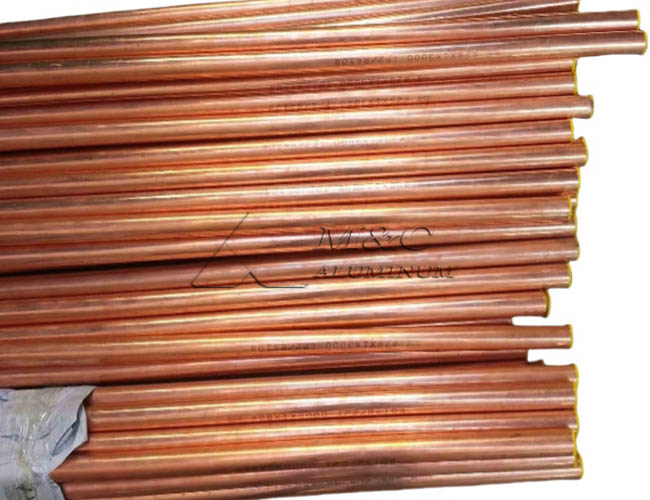
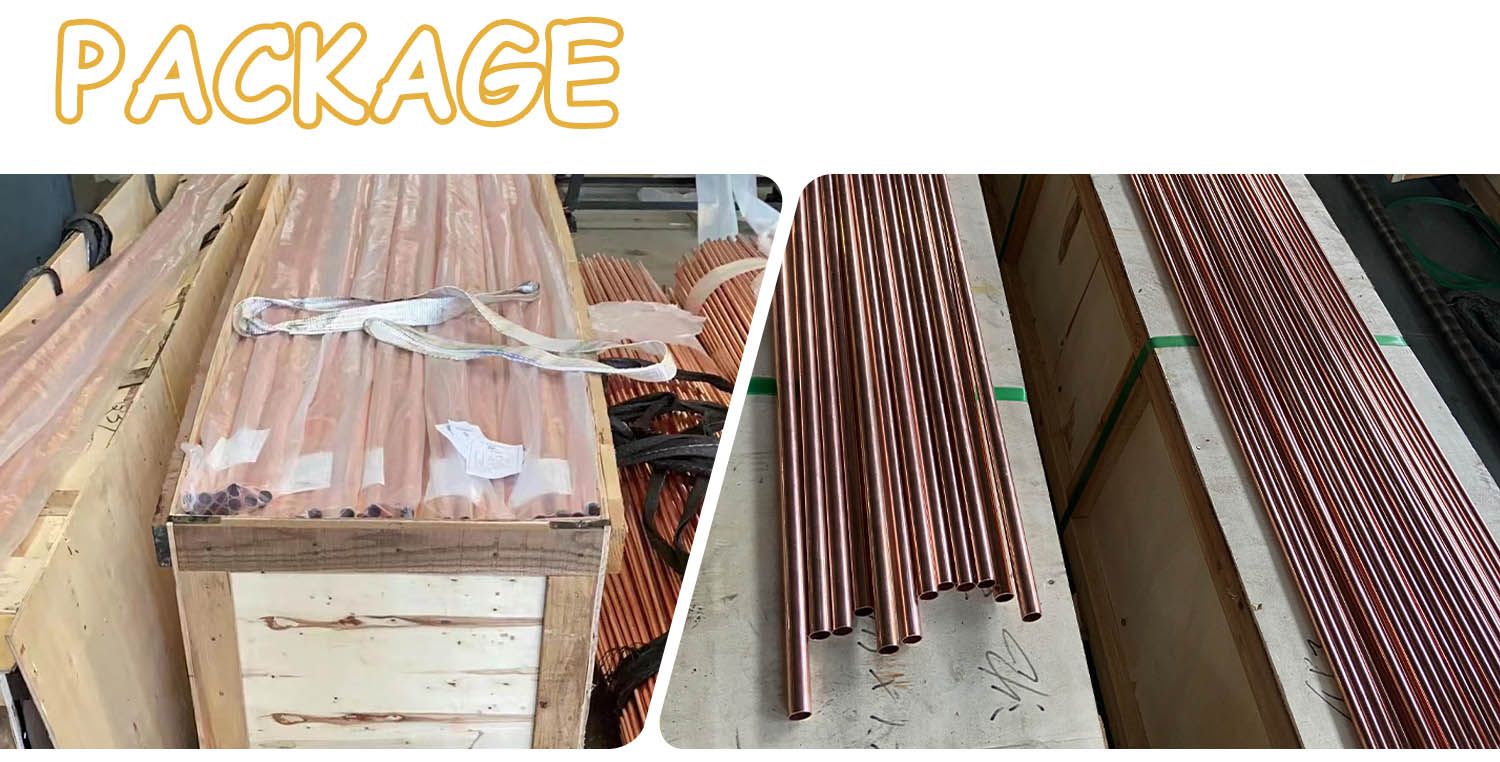
Copper nickel pipes are usually packed in a way suitable for long-distance transportation and protection.
Common Packaging Methods
Wooden case packaging
Wooden pallet bundling
Moisture-proof plastic film packaging
Pipe end sealing protection
Individual piece separation packaging
Fumigated wooden case packaging according to export requirements
Q1: What are the advantages of copper nickel pipe compared with stainless steel pipe?
A: Copper nickel pipe has better corrosion resistance in seawater environments and also has anti-biofouling properties, resulting in lower maintenance costs.
Q2: How to choose between 90/10 and 70/30 copper nickel pipe?
A: For general seawater environments, 90/10 copper nickel pipe is usually sufficient. For high-flow or highly corrosive environments, 70/30 copper nickel pipe is recommended.
Q3: Is copper nickel pipe easy to weld?
A: Yes. Copper nickel pipe has good weldability and can be welded by TIG, MIG, and other welding methods.
Q4: How long is the service life of copper nickel pipe?
A: In normal seawater systems, the service life can exceed 20 years.
Skype