

Product Overview
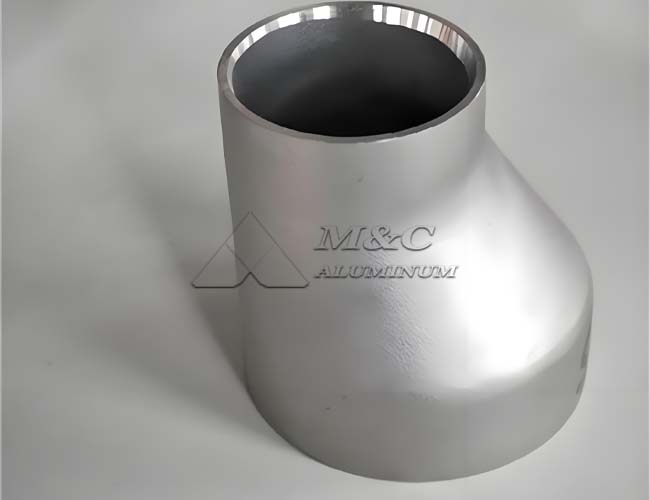
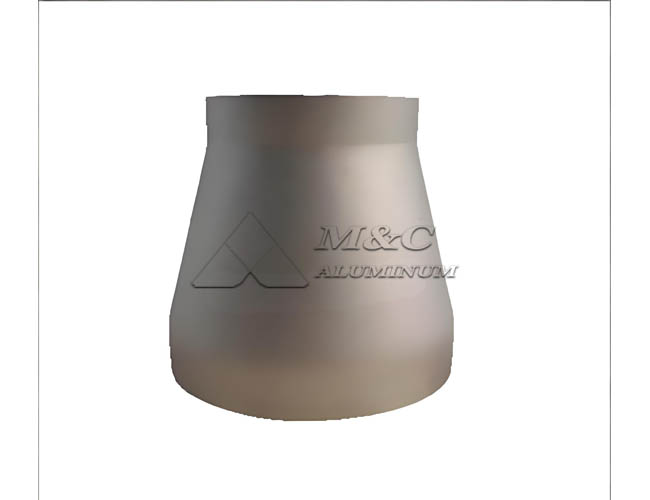
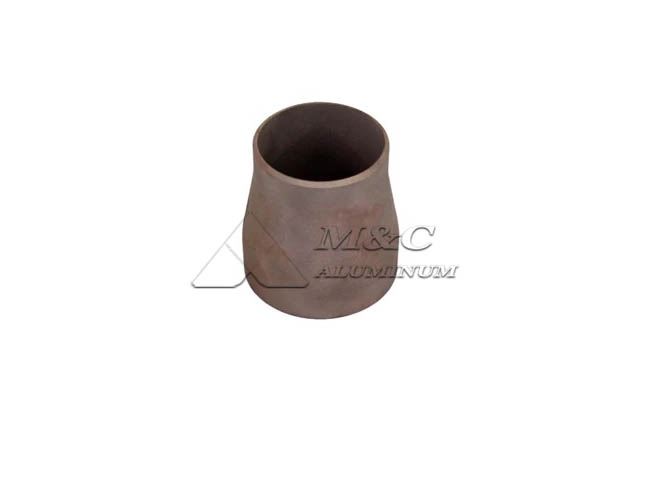
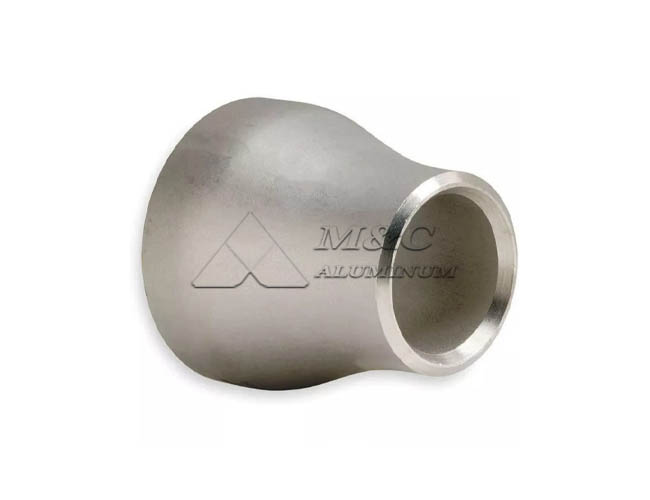
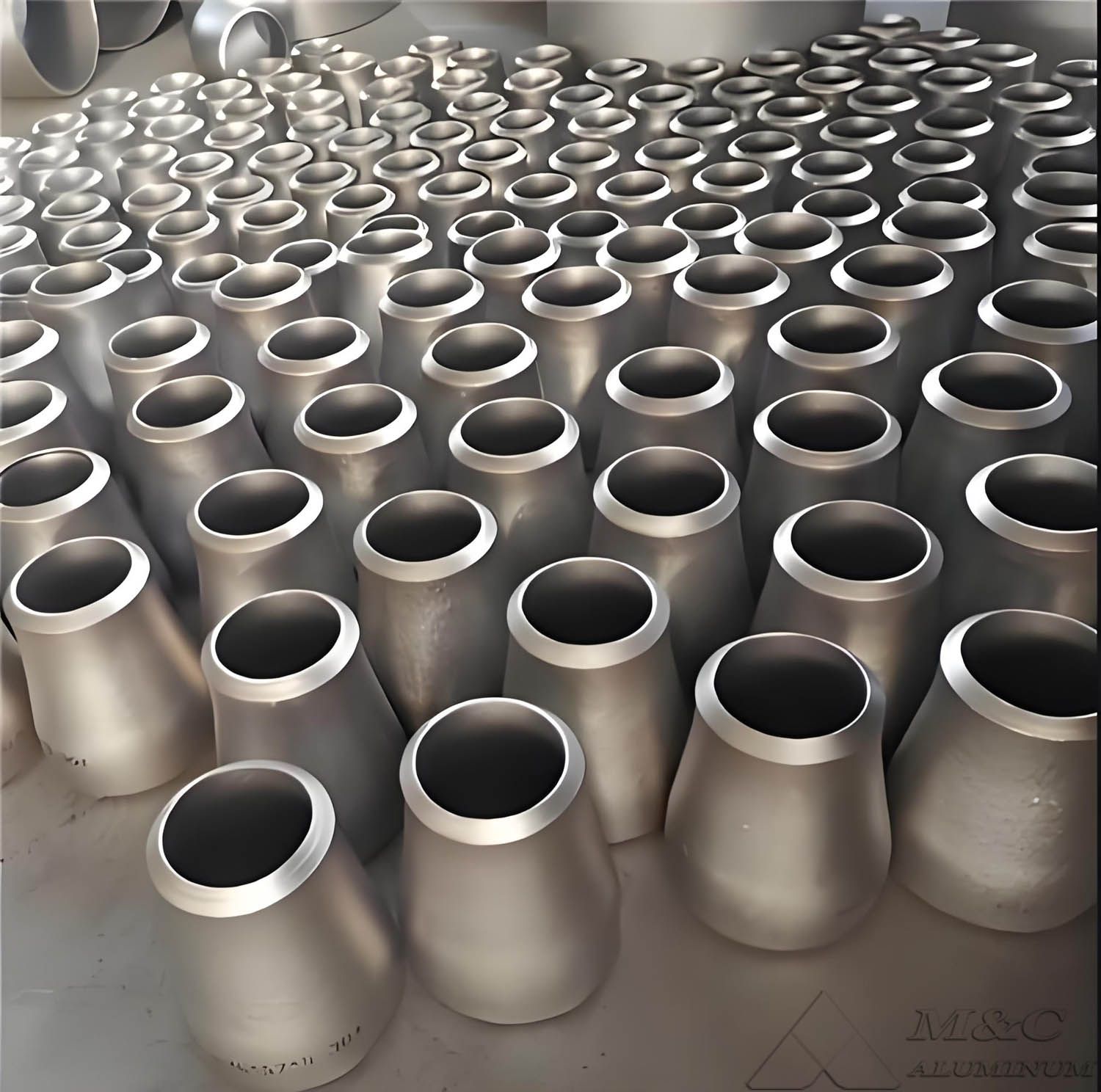
A concentric reducer is an important butt weld pipe fitting used to connect pipes of different diameters. Its central axis remains aligned, allowing a smooth transition between different pipe sizes, reducing fluid resistance and improving transmission efficiency.
This product is manufactured from CuNi 90/10 copper nickel alloy, also known as UNS C70600. The alloy contains approximately 90% copper (Cu) and 10% nickel (Ni), with small additions of iron (Fe) and manganese (Mn) to enhance corrosion resistance and mechanical strength.
Thanks to its excellent seawater corrosion resistance, erosion-corrosion resistance, and good weldability, CuNi 90/10 concentric reducers are widely used in shipbuilding, offshore engineering, desalination plants, power plant cooling systems, offshore oil platforms, chemical pipelines, and other demanding applications.
Product Specifications
| Item | Specification |
| Product Name | CuNi 90/10 Copper Nickel Concentric Reducer |
| Material | UNS C70600 / CuNi 90/10 |
| Copper Content | Approx. 90% |
| Nickel Content | Approx. 10% |
| Product Type | Butt Weld Concentric Reducer |
| Manufacturing Standards | ASME B16.9, MSS SP-75, DIN, EN, GB |
| Material Standards | ASTM B466, ASTM B111, ASTM B122 |
| Size Range | DN15–DN1200 / 1/2"–48" |
| Wall Thickness | SCH10, SCH20, SCH40, SCH80, SCH160, XXS |
| Connection Type | Butt Weld |
| Manufacturing Process | Hot Forming, Cold Forming, Machining |
| Surface Treatment | Pickling, Sandblasting, Polishing |
| Inspection Items | PMI, UT, RT, PT, Hydrostatic Test, Dimensional Inspection |
Key Features of Copper Nickel Concentric Reducers
1. Axisymmetric Design for Stable Flow
The concentric structure allows the fluid to transition uniformly and symmetrically between the large end and the small end. This minimizes local head loss and effectively avoids problems such as one-sided high pressure and local vortices that may occur with eccentric reducers.
2. Self-Healing Dual-Layer Protective Film
When exposed to seawater, the surface of CuNi 90/10 quickly forms a dense protective film mainly composed of cuprous oxide (Cu₂O), enriched with iron and manganese oxides.
This film has excellent self-healing capability. Even if it is locally damaged by high-velocity turbulent flow, it can rapidly regenerate within seconds using dissolved oxygen in seawater. This helps prevent pitting corrosion, peeling corrosion, and localized material failure from the source.
3. Natural Resistance to Marine Biofouling
Copper ions are continuously released in trace amounts, forming a bio-toxic defense layer on the pipe surface. This effectively inhibits the attachment of barnacles, algae, and other marine organisms to the pipe wall.
As a result, the inner wall remains smooth for a long time, reducing scaling, blockage, and maintenance requirements. This feature is especially valuable under low-flow or berthing conditions.
4. Crack Resistance and Excellent Welding Compatibility
CuNi 90/10 offers high toughness and excellent ductility, enabling it to withstand continuous mechanical alternating vibration in ships and offshore platforms. It also has excellent resistance to stress corrosion cracking (SCC).
When welded to 90/10 copper nickel pipelines, it provides excellent material compatibility. After TIG argon arc welding, the weld seam is dense, clean, attractive, and reliably sealed.
5. Easy Installation
CuNi 90/10 concentric reducers can be quickly welded with copper nickel seamless pipes, welded flanges, elbows, tees, and other pipe fittings. This helps improve construction efficiency and shorten installation time.
Manufacturing Process
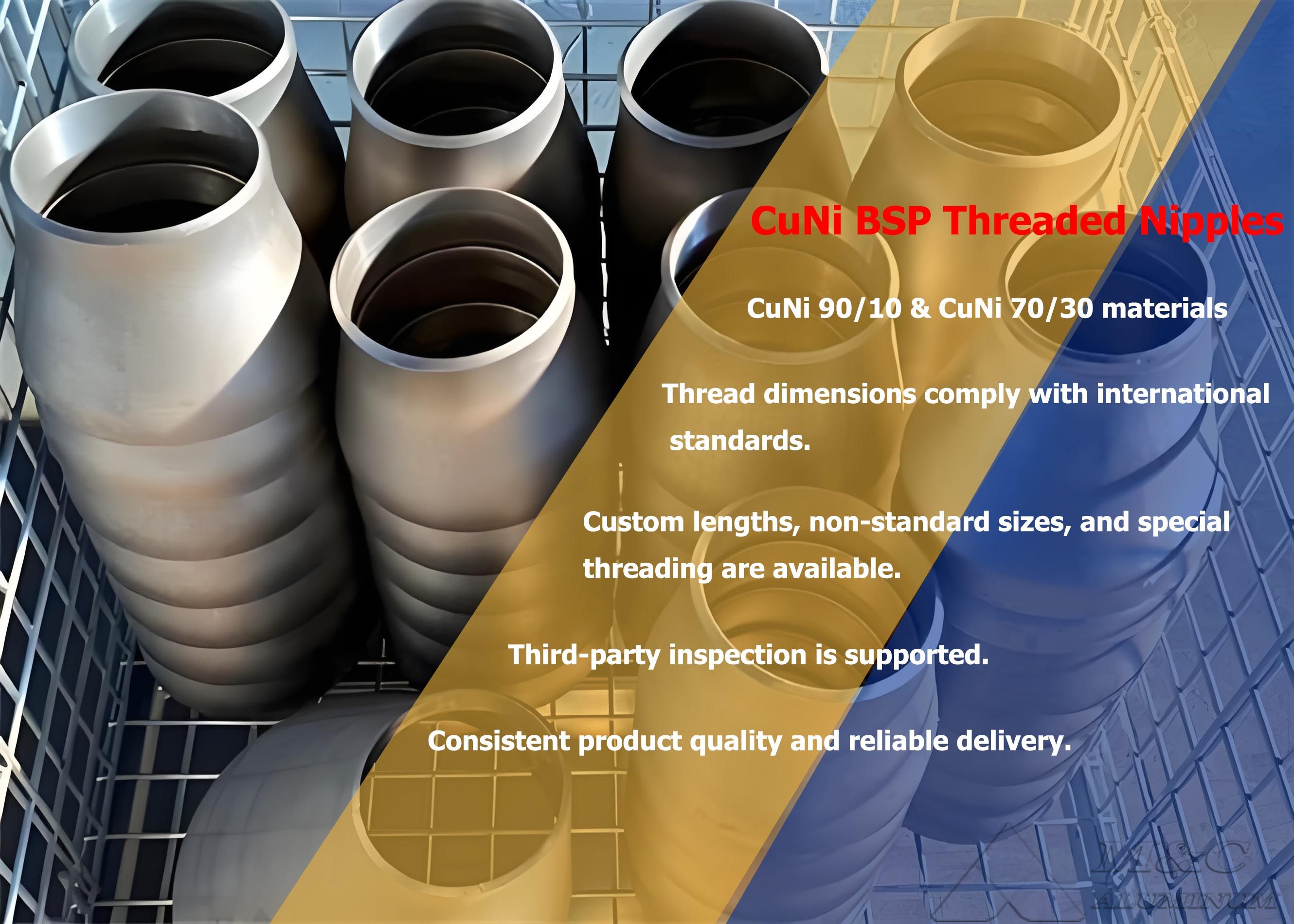
High-quality 90/10 copper nickel concentric reducers are produced through strict manufacturing procedures to ensure dimensional accuracy, material performance, and operational safety.
1. Raw Material Selection
Standard-compliant 90/10 copper nickel alloy pipes or plates are selected to ensure stable chemical composition. The contents of key elements such as nickel, iron, and manganese must meet technical requirements.
The proper addition of iron and manganese helps improve the corrosion resistance of copper nickel alloys in flowing seawater.
2. Forming Process
According to product specifications and wall thickness requirements, reducers can be manufactured by pushing, pressing, spinning, welding, or other forming processes.
During the forming of concentric reducers, the uniformity of the tapered section must be carefully controlled to avoid local thinning, wrinkling, or deformation.
3. Heat Treatment
Depending on material condition and standard requirements, annealing or stress-relief treatment may be performed to improve the material structure, remove processing stress, and enhance product stability.
4. End Processing
Both ends of the reducer are cut, beveled, or plain-ended according to project requirements. This ensures flat end faces, accurate dimensions, and convenient on-site welding and assembly.
5. Surface Treatment
Products can be pickled, cleaned, polished, or packed with protective measures. These treatments remove surface oxides and contaminants, improving appearance quality and service performance.
Application Fields
1.Shipbuilding and Offshore Engineering
Seawater cooling systems
Ballast water pipelines
Firefighting systems
Cargo oil pipelines for oil tankers
2.Power and Energy Industry
Condenser piping systems in coastal power plants
Heat exchanger pipelines
Cooling water systems
3.Petrochemical Industry
Pipelines for corrosive chemical media
Chemical processing systems
Industrial fluid transfer systems
4.Desalination and Seawater Treatment Plants
Thanks to its excellent seawater corrosion resistance, CuNi 90/10 concentric reducer has become a standard material choice for desalination and seawater treatment applications.