


Product Overview
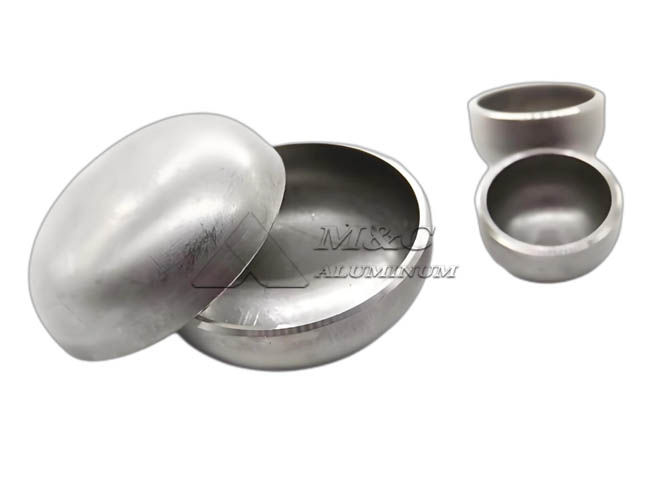
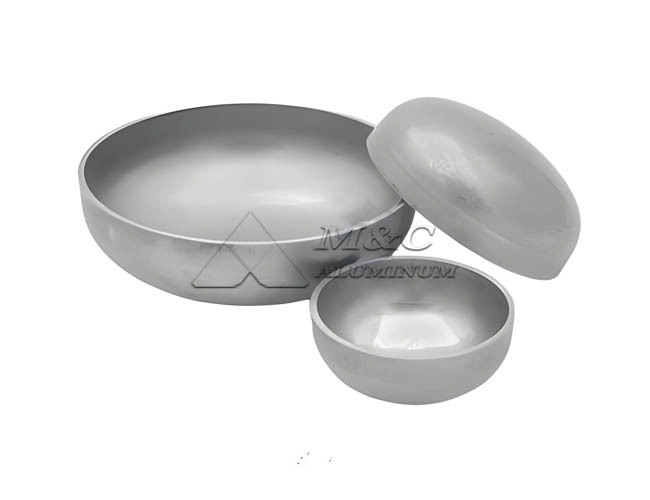
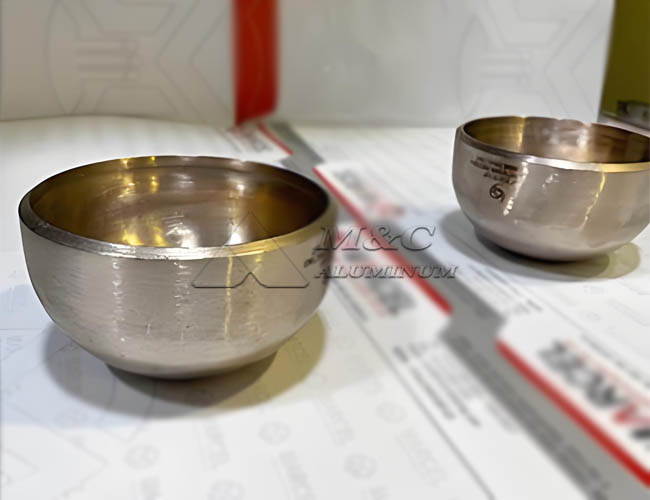
A Copper Nickel End Cap, also known as a copper nickel closure head or CuNi Pipe Cap, is a closed-end pipe fitting installed at the end of a pipeline. It is used to seal pipe ends, equipment interfaces, or reserved branch connections, providing reliable sealing protection for the piping system.
Manufactured from CuNi 90/10 / UNS C70600 copper nickel alloy, the product offers excellent seawater corrosion resistance, erosion-corrosion resistance, and good weldability. It is an important piping accessory widely used in shipbuilding, offshore engineering, seawater desalination, power generation, and petrochemical industries.
Compared with ordinary carbon steel or stainless steel end caps, copper nickel end caps can operate stably for long periods in high-salinity, high-humidity, and high-chloride environments. They help significantly reduce maintenance costs and extend the service life of piping systems.
Core Advantages
Copper nickel end caps have become a preferred choice in marine and industrial applications due to the following key advantages:
1.Excellent Seawater Corrosion Resistance
Copper nickel alloy performs exceptionally well in seawater, brackish water, and industrial corrosive media. It can significantly extend the service life of piping systems and reduce maintenance costs.
2.Resistance to Marine Biofouling
Copper nickel alloy can effectively inhibit the attachment of marine organisms such as algae, barnacles, and shellfish. This property is particularly important in seawater cooling and fire-fighting systems.
3.High Pressure and Erosion Resistance
Copper nickel end caps can withstand the impact of high-pressure and turbulent fluid flow, ensuring reliable long-term service.
4.Complete Specifications and Strong Compatibility
From DN15 to DN500, from Class 150 to Class 900, and from butt weld to threaded connections, copper nickel end caps can meet almost any pipeline sealing requirement.
Technical Parameters
| Item | Parameter |
| Product Name | Copper Nickel End Cap |
| Material Grade | CuNi 90/10 / UNS C70600, CuNi 70/30 / UNS C71500 |
| Product Type | Butt Weld End Cap |
| Manufacturing Standards | ASME B16.9, MSS SP-75, ASTM B366, EN, DIN, JIS, or customized |
| Manufacturing Method | Seamless, welded |
| Size Range | 1/2"–48" / DN15–DN1200 |
| Wall Thickness | SCH10, SCH20, SCH40, SCH80, SCH160, XXS, or customized |
| Connection Type | Butt weld, socket weld, threaded, customized connection |
| Surface Treatment | Pickling, passivation, sandblasting, polishing |
| Inspection Items | PMI material identification, dimensional inspection, UT/PT non-destructive testing, hydrostatic test upon request |
Product Connection Types
According to different connection methods, copper nickel end caps are mainly divided into the following types:
Butt Weld Cap
Connected to the pipeline by bevel butt welding, forming a permanent, leak-free seal. It is suitable for high-pressure, high-temperature, and permanent sealing applications.
Socket Weld Cap
The pipe end is inserted into the socket of the cap and then connected by fillet welding. It is suitable for small-size pipelines, typically 1/8"–4", and high-pressure piping systems.
Threaded Cap
Connected to the pipe end by NPT or BSP threads. It is removable and convenient for inspection, maintenance, and replacement.
Bell End Cap
Also known as a flared end cap, it has an expanded opening that helps reduce fluid turbulence and enables smoother suction and discharge.
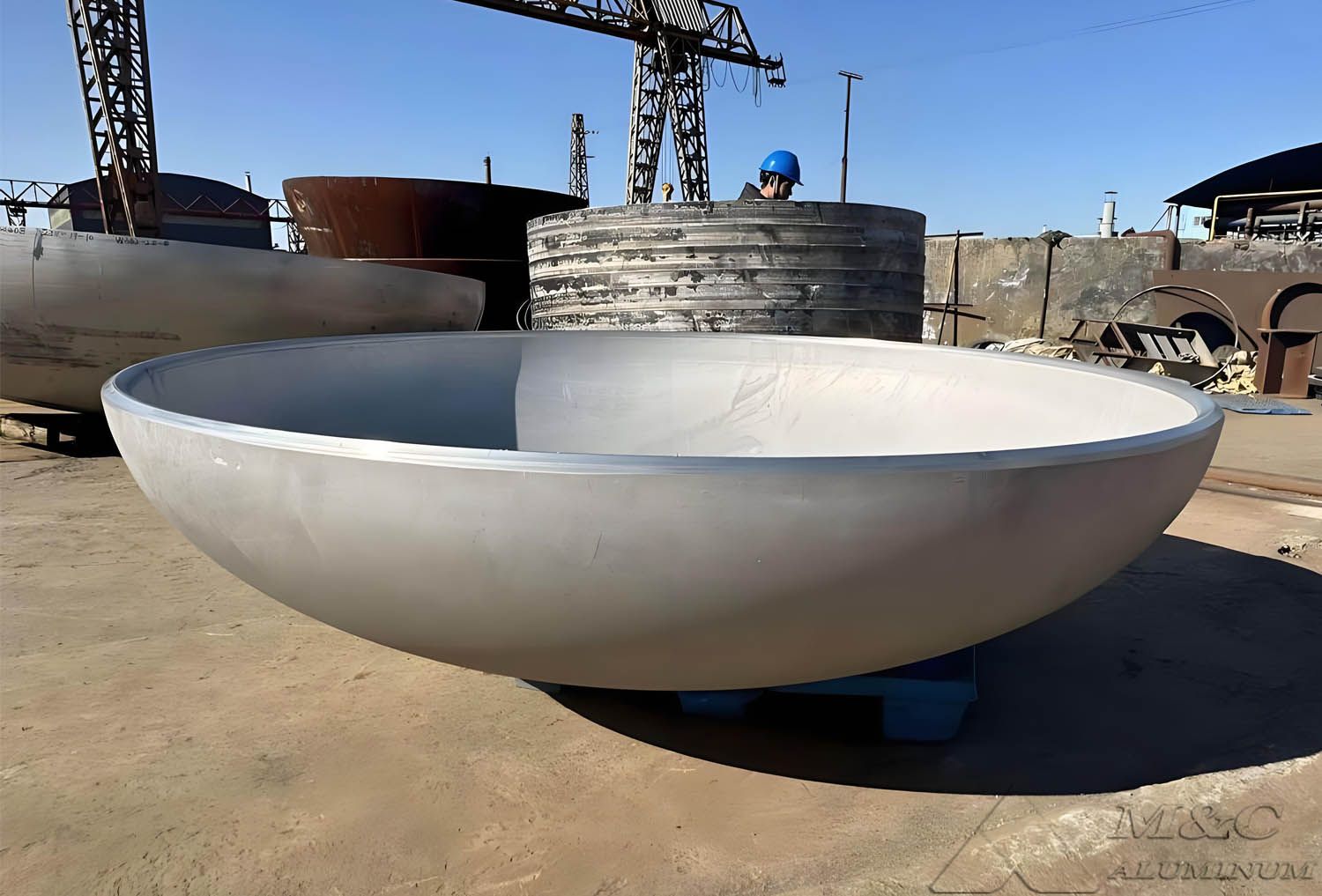
Structural Features of CuNi 90/10 End Cap
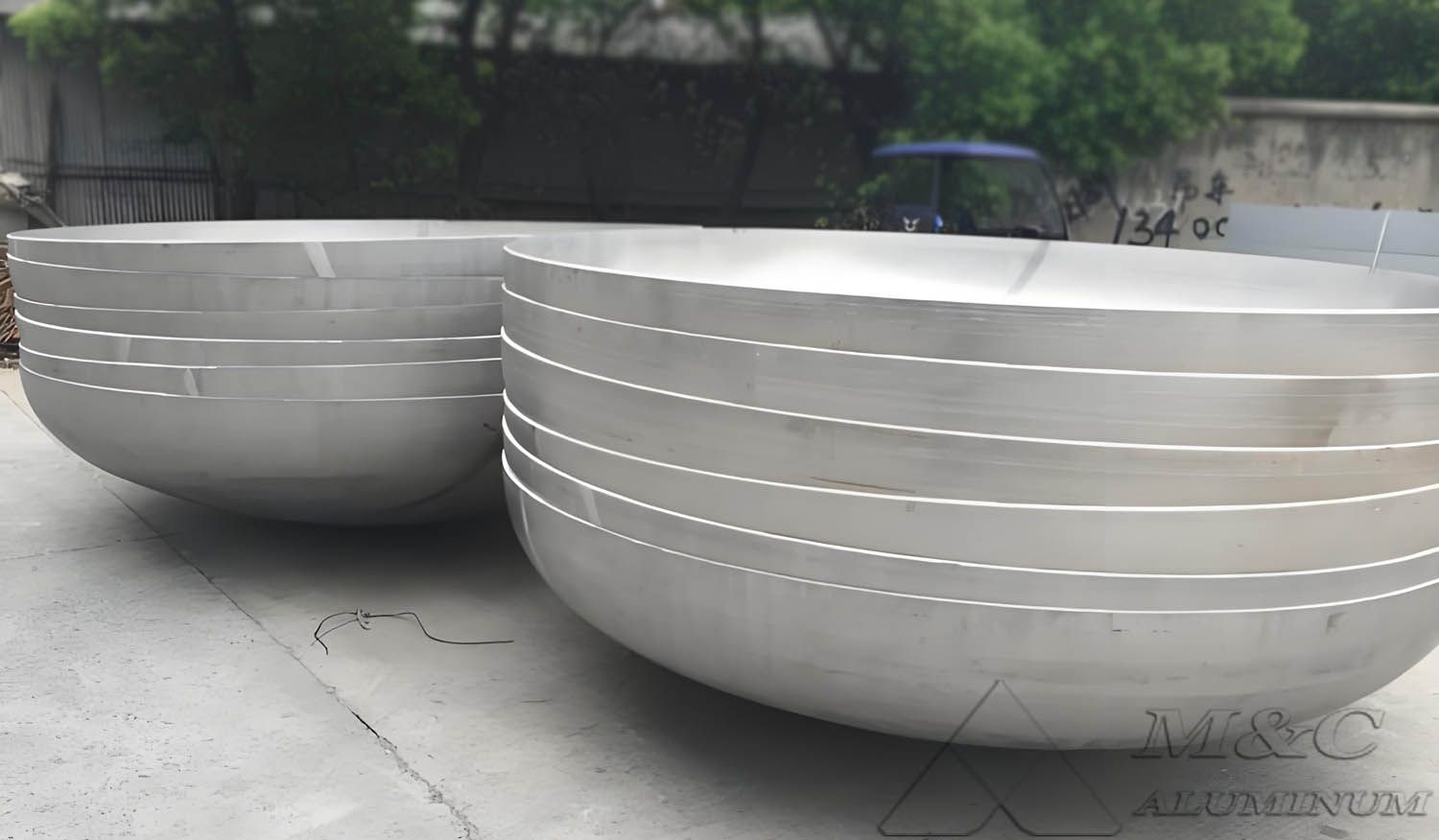
A copper nickel end cap is usually dome-shaped or elliptical-head-shaped. One end is closed, while the other end is open and can be connected to the pipeline by butt welding, socket welding, threading, or other methods. Although its structure is simple, it plays an important role in piping systems.
1. Reliable Sealing Performance
Copper nickel end caps are used to seal pipe ends, preventing medium leakage and external impurities from entering the pipeline, while maintaining stable internal pressure in the piping system.
2. Uniform Stress Distribution
High-quality copper nickel end caps adopt a reasonable curved structure, allowing pressure to be evenly distributed across the closed end. This helps reduce local stress concentration and improves overall pressure-bearing safety.
3. Strong Pipeline Compatibility
The product can be customized according to different pipe outside diameters, wall thicknesses, pressure ratings, and standard requirements. It can be used together with copper nickel pipes, elbows, tees, reducers, flanges, and other fittings.
4. Easy Installation
Butt weld copper nickel end caps can be directly welded to the pipe end, offering a strong connection and excellent sealing performance. Threaded or socket weld caps are more suitable for small-diameter piping, frequent maintenance, or limited-space pipeline areas.
Typical Applications
Copper nickel end caps are widely used in:
1.Shipbuilding and Offshore Engineering
Ship seawater piping systems
Ballast water systems
Fire-fighting systems
2.Offshore Oil and Gas
Offshore drilling platforms
FPSO seawater pipelines
3.Coastal Power Plants
Condensers
Cooling water system pipe terminals
4.Seawater Desalination and Water Treatment
Pipeline sealing in water supply systems
5.Petrochemical Industry
Terminal sealing of pipelines conveying corrosive media
Common Types of Copper Nickel Alloy End Caps
Copper nickel butt weld cap
Copper nickel pipe cap
CuNi 90/10 end cap
C70600 copper nickel end cap
Marine copper nickel end cap
Copper nickel pipe cap for seawater pipelines
Copper nickel alloy butt weld pipe cap
FAQ
Q: What connection method is used for copper nickel end caps?
A: Standard products use butt weld connection. After welding, an integral sealing structure is formed, providing high strength and reliability.
Q: How should the wall thickness of a copper nickel end cap match the pipeline?
A: The wall thickness of the cap usually corresponds to the pipe schedule of the connected pipeline. When purchasing, the nominal pipe size, such as DN or NPS, and wall thickness series, such as SCH40 or SCH80, should be clearly specified. The socket depth and wall thickness design of the cap should match the pipe outside diameter and wall thickness to ensure reliable welding or threaded connection.
Q: Can the size and wall thickness be customized?
A: Yes. Outside diameter, wall thickness, length, and special specifications can be customized according to customer drawings or project requirements. Products can also be manufactured in accordance with ASME, EN, DIN, JIS, and other standards.
Q: What media are the products suitable for?
A: They are suitable for seawater, fresh water, cooling water, brine, lubricating oil, and various mildly corrosive chemical media. They are an ideal choice for offshore engineering and industrial fluid transportation systems.
Q: Is third-party inspection supported?
A: Yes. EN 10204 3.1/3.2 material certificates can be provided, and inspections by classification societies and third-party inspection organizations such as ABS, BV, DNV, LR, CCS, NK, and KR are accepted.