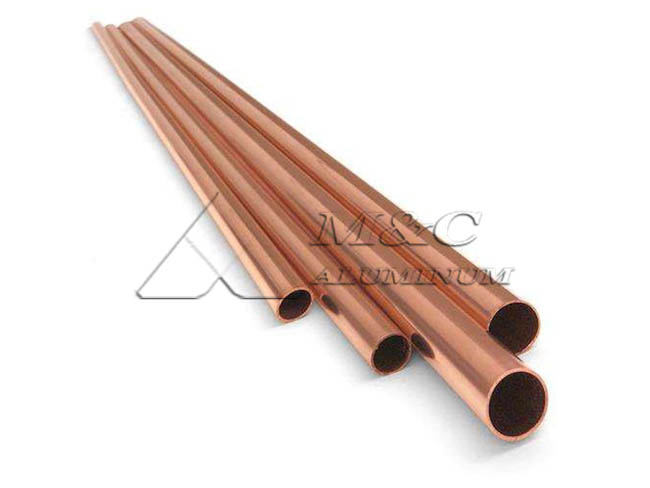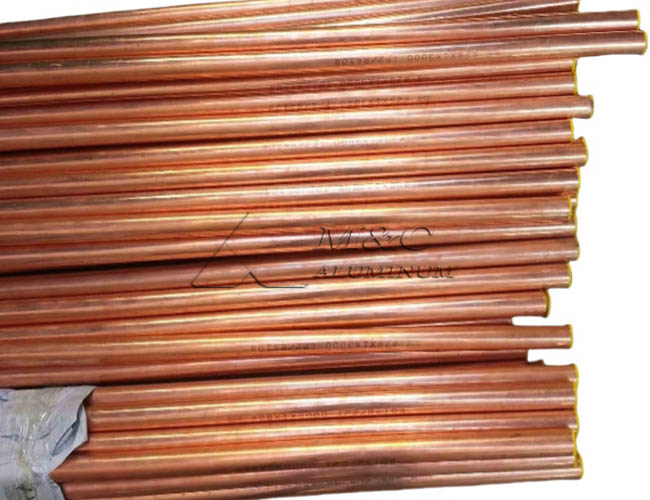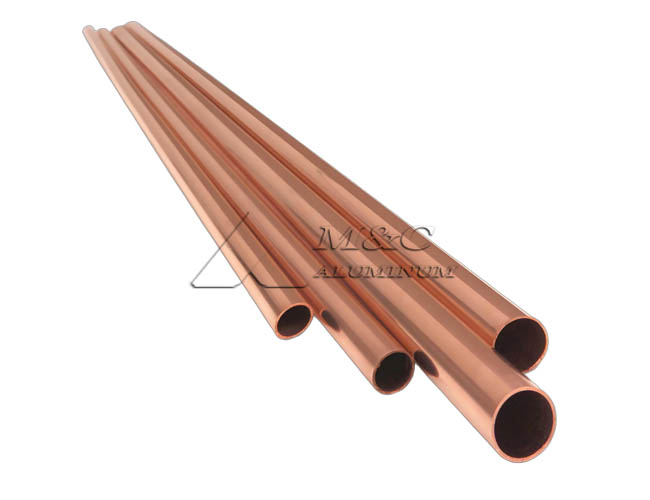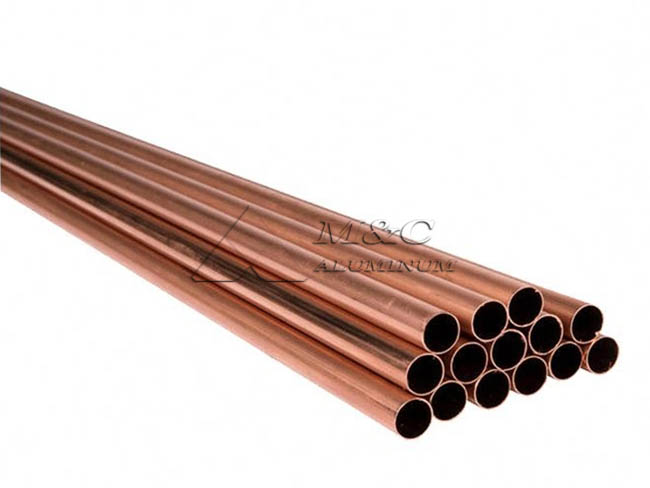
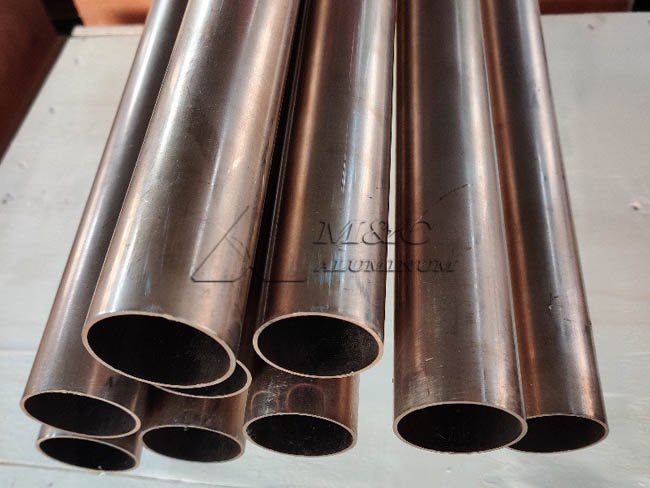
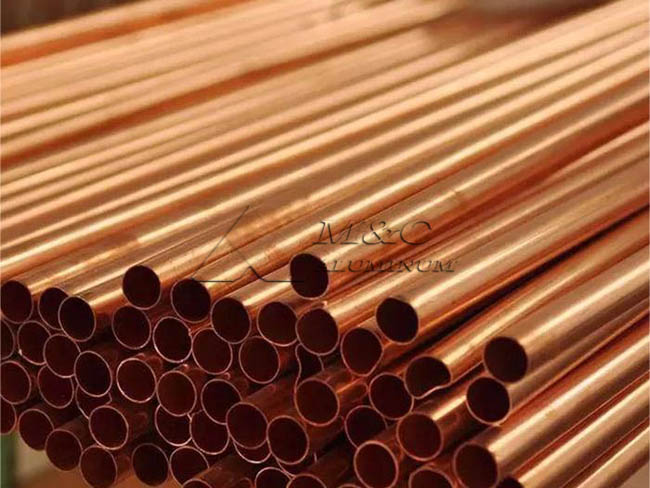


The 1 inch CuNi 90/10 pipe is a premium copper-nickel alloy pipe designed for harsh environments where corrosion resistance, durability, and long service life are critical.
This alloy consists of approximately 90% copper and 10% nickel, with small additions of iron and manganese. It is widely recognized for its outstanding performance in seawater systems and industrial applications.
Thanks to its excellent anti-biofouling and seawater corrosion resistance, CuNi 90/10 pipe has become a preferred material for marine engineering, offshore platforms, desalination plants, and power generation systems.
Product Features
1. Excellent Corrosion Resistance
CuNi 90/10 pipe forms a thin, tightly adherent protective film after contact with clean seawater. This protective layer effectively resists seawater corrosion, pitting corrosion, crevice corrosion, and stress corrosion cracking. It can maintain high stability even in stagnant seawater environments.
2. High Mechanical Strength
The addition of nickel increases the alloy strength by approximately 30%, enabling the pipe to withstand higher internal pressure and impact loads.
3. Anti-Biofouling Performance
This alloy naturally resists the attachment of marine organisms, helping reduce maintenance costs and improve the operating efficiency of seawater piping systems.
4. Long Service Life and Low Maintenance Cost
Compared with carbon steel or standard stainless steel, CuNi pipe offers a significantly longer service life and requires minimal maintenance.
5. Excellent Fabrication Performance
Copper nickel pipe is easy to bend, flare, form, weld, and machine, making it suitable for complex piping systems.
6. High Thermal Conductivity
CuNi pipe provides efficient heat transfer, making it suitable for heat exchangers, condensers, and cooling systems.
7. Easy Processing and Installation
It retains the weldability, cutability, and formability of copper, making construction and installation convenient while reducing pretreatment procedures.
8. Environmentally Friendly and Sustainable
The alloy has a high recycling rate and meets the green development requirements of modern industry.
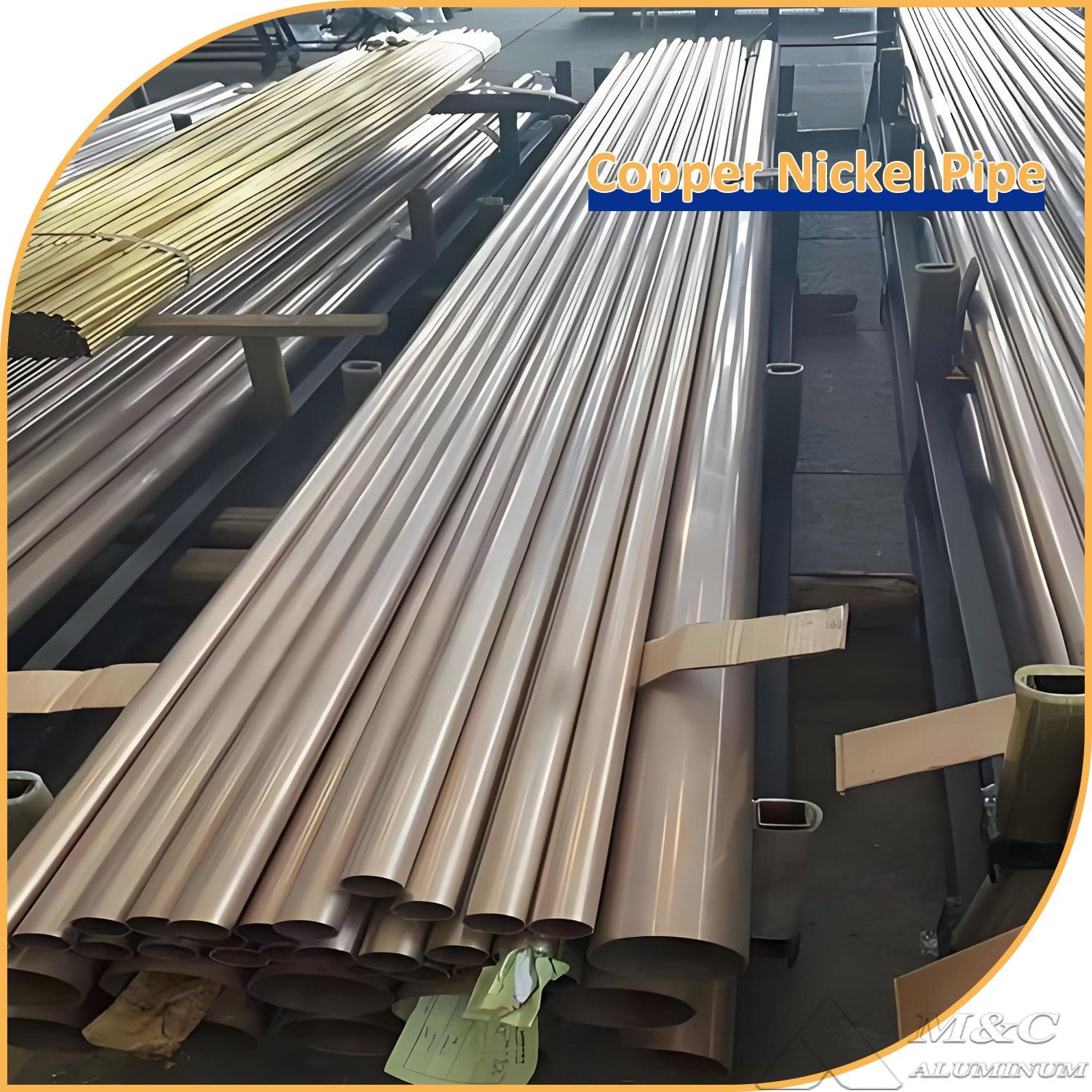
Key Technical Parameters
| Property / Parameter | Specification / Value |
| Nominal Pipe Size, NPS | 1 inch |
| Alloy Grade | CuNi 90/10, UNS C70600, CW352H |
| Wall Thickness | SCH 10 / SCH 40 / SCH 80, customizable |
| Length | 6 m, 12 m, or customized |
| Type | Seamless / Welded |
| Standard Compliance | ASTM B466, ASME SB466, DIN 86019, MIL-T-16420K |
| Chemical Composition | Cu balance, Ni 9.0–11.0%, Fe 1.0–1.8%, Mn 0.5–1.0% |
| Manufacturing Process | Seamless cold drawn / extruded |
| Surface Treatment | Pickled, polished, or treated as required |
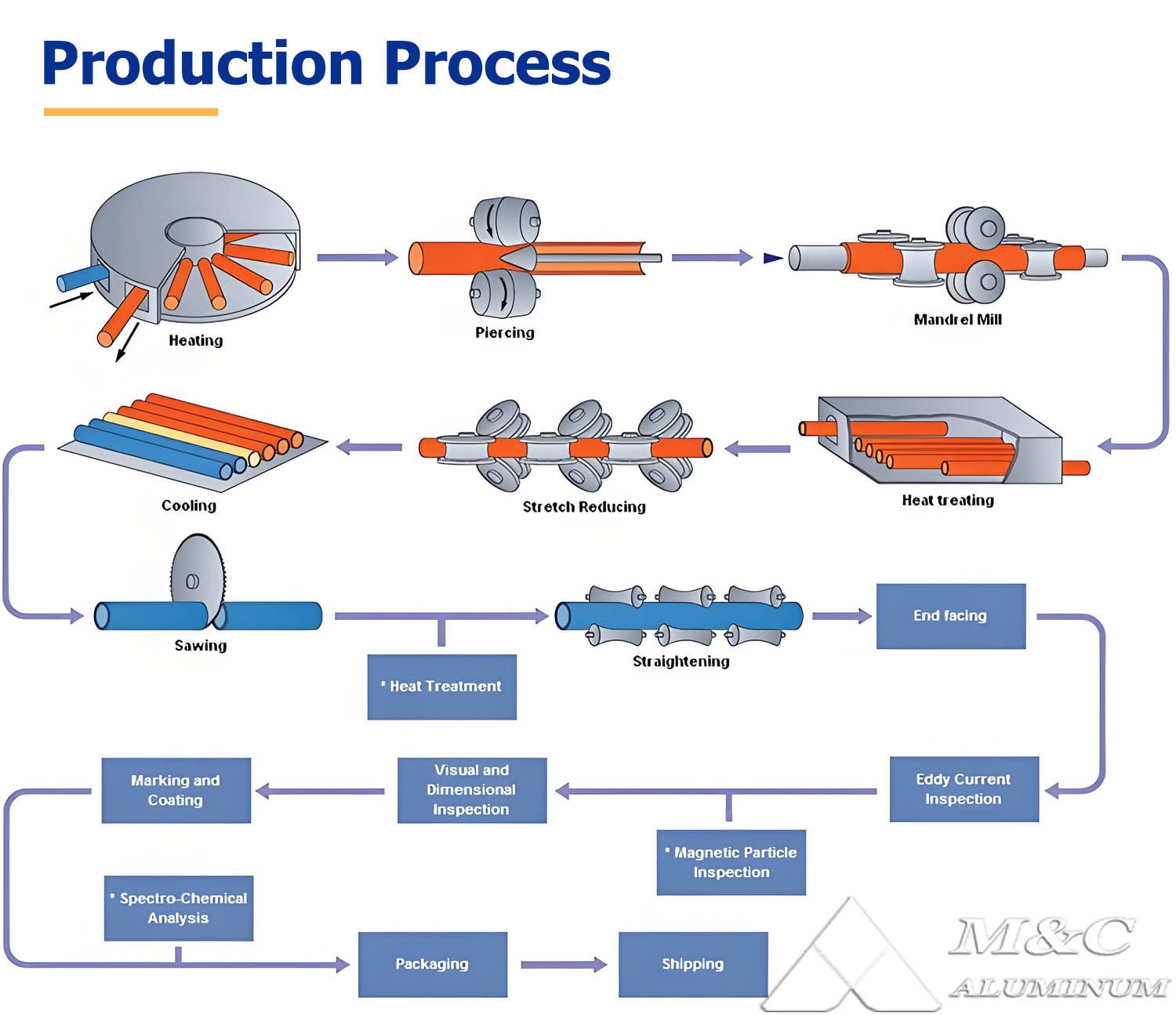
Manufacturing Process
1. Raw Material Selection
High-purity electrolytic copper with 99.99% purity and high-purity nickel are used. Impurity content is strictly controlled.
2. Vacuum Melting
Alloy melting is carried out under high-temperature vacuum conditions to avoid oxidation and ensure uniform chemical composition.
3. Continuous Casting
The molten alloy is formed into pipe billets by continuous casting equipment, ensuring stable grain structure and material consistency.
4. Heat Treatment
Solution treatment and aging treatment are applied to adjust the microstructure and improve strength and corrosion resistance.
5. Cold Drawing
Precise outer diameter, wall thickness, and smooth surface quality are achieved through cold drawing and cold working processes.
6. Surface Treatment
Pickling, polishing, or other surface treatments can be applied to improve cleanliness and oxidation resistance.
7. Quality Inspection
X-ray inspection, laser measurement, chemical analysis, and other inspection methods are used to ensure that every pipe meets the required standards.
Product Standards
| Standard | Description |
| ASTM B466 / B467 | American Society for Testing and Materials standards |
| EN 12449 | European standard |
| GB/T 8890 | Chinese national standard |
| DIN 86019 | German standard |
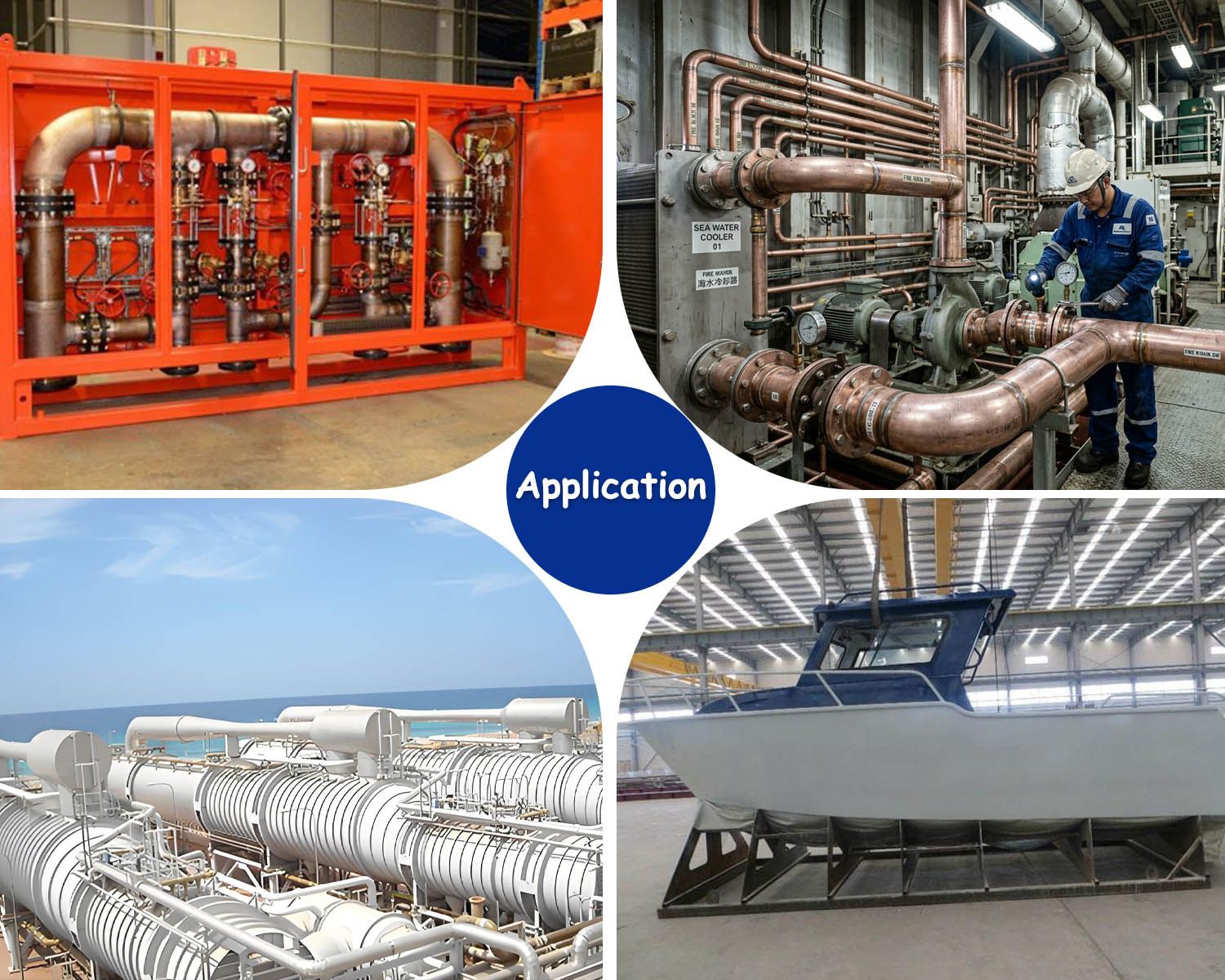
Applications of Copper Nickel Pipe
Marine and Shipbuilding
Used in seawater cooling systems, fire-fighting pipelines, bilge and ballast water pipelines, and onboard sanitary systems.
Offshore Oil and Gas
Suitable for splash zone piping, topside cooling water circulation systems, and heat exchangers in desalination plants.
Power Generation
Applied in steam condenser tubes and auxiliary cooling water circuits in coastal power plants.
Cryogenic Engineering
Due to its excellent mechanical properties at sub-zero temperatures, CuNi 90/10 pipe is highly reliable for specialized cryogenic fluid transportation.
Packaging and Transportation
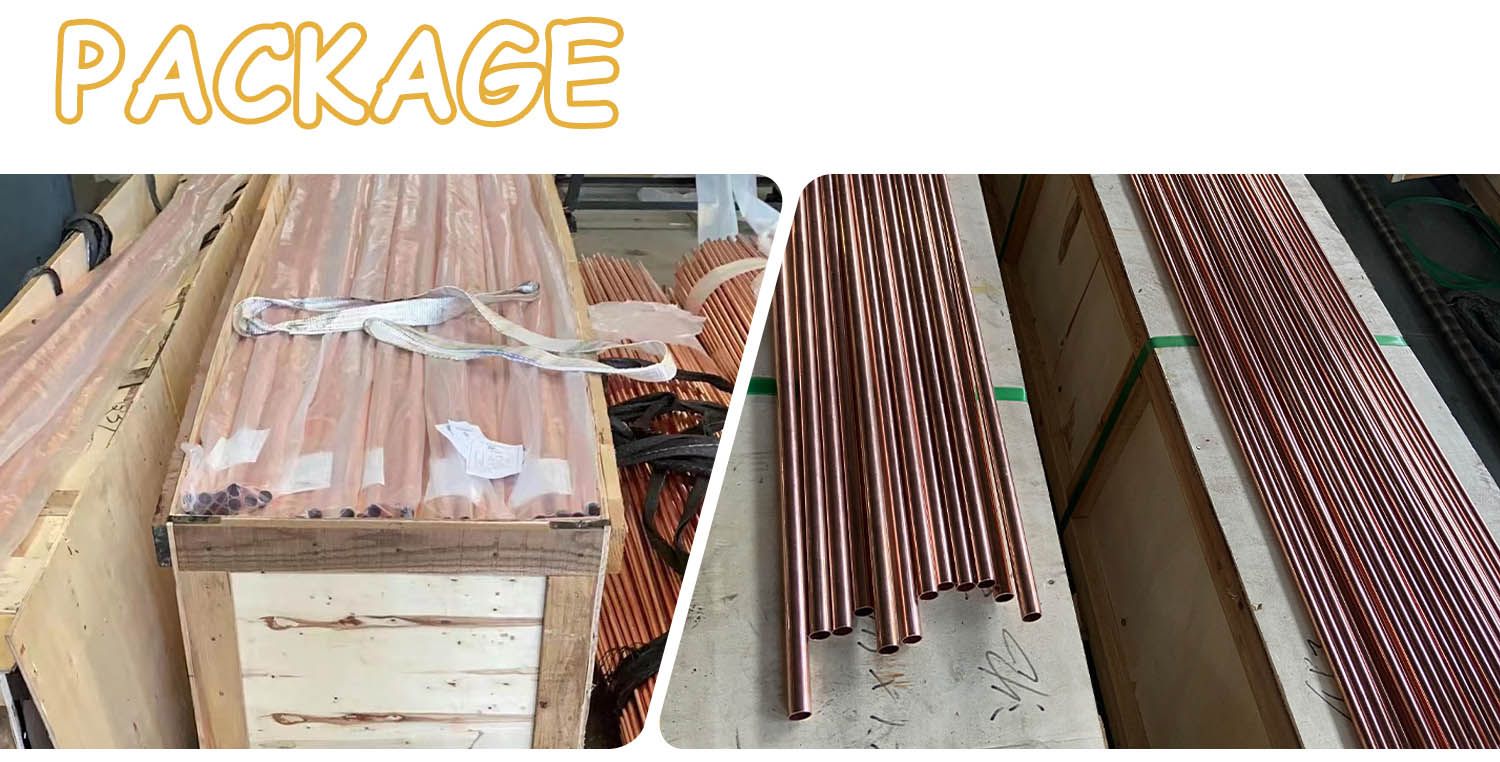
Packaging Method
Each pipe is packed in an anti-corrosion plastic sleeve and then placed in wooden cases or steel pallets to ensure moisture and rust protection.
Marking
Each pipe is marked with product code, such as CuNi 90/10, size, diameter × wall thickness, batch number, and production date.
Transportation Requirements
Pipes are transported in dry and well-ventilated containers. Direct sunlight and humid environments should be avoided.
Quality Assurance and Certification
Every foot of HAOMEI 1 inch CuNi 90/10 pipe undergoes strict non-destructive testing and mechanical testing to ensure compliance with global marine and industrial standards.
Available Tests and Certifications
100% eddy current testing / hydrostatic testing
Ultrasonic testing, UT, for wall integrity inspection
Spectral analysis to verify chemical composition
Third-party classification society certification available upon request, including DNV GL, ABS, CCS, and Lloyd's Register
FAQ
Q1: What is the difference between CuNi 90/10 and CuNi 70/30?
CuNi 90/10 offers better formability and cost efficiency, while CuNi 70/30 provides higher corrosion resistance under extremely harsh conditions.
Q2: Can you provide customized sizes?
Yes. We support customized diameter, wall thickness, length, and surface treatment according to project requirements.
Q3: Is it suitable for high-velocity seawater systems?
Yes. CuNi 90/10 alloy performs well under medium to high flow rates and offers good resistance to erosion corrosion.
Q4: Which standards do you follow?
We manufacture according to ASTM, ASME, EN, DIN, and other international standards.
Q5: Do you provide test certificates?
Yes. Mill Test Certificates, MTC, and third-party inspection reports are available upon request.