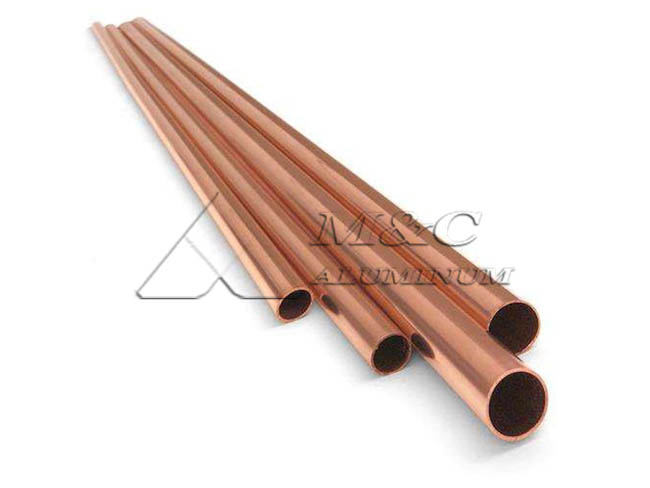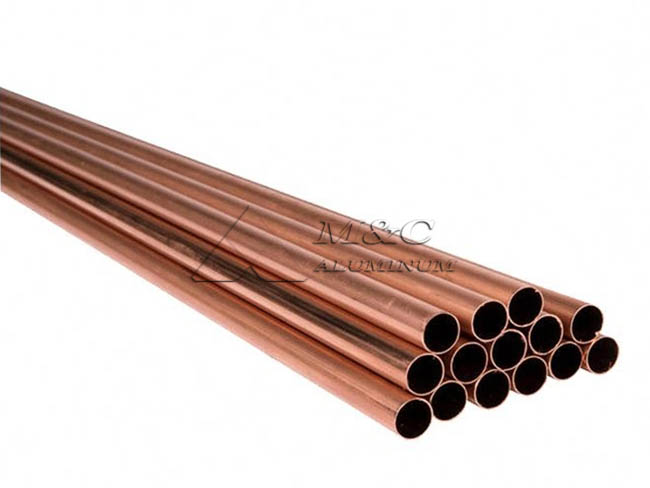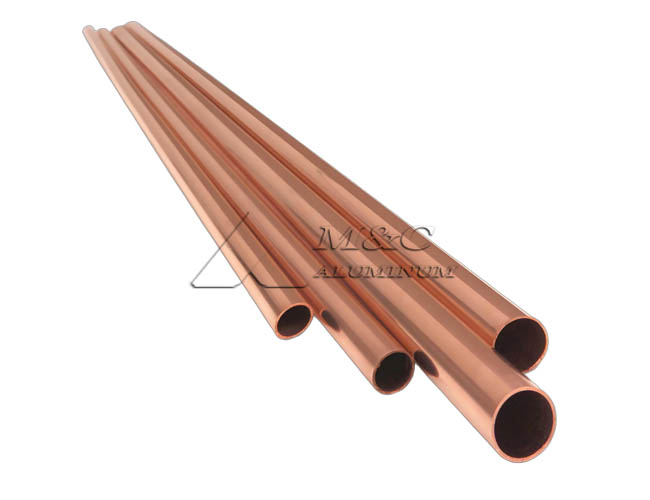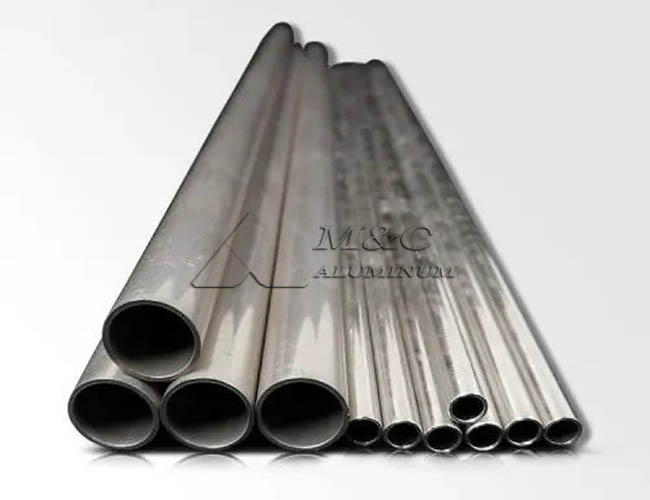
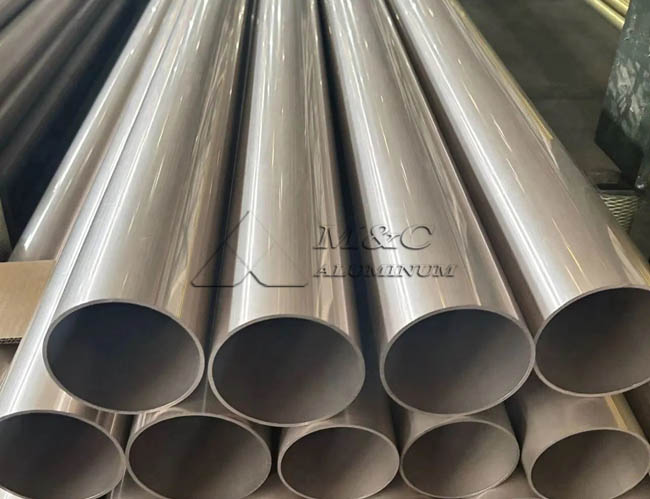
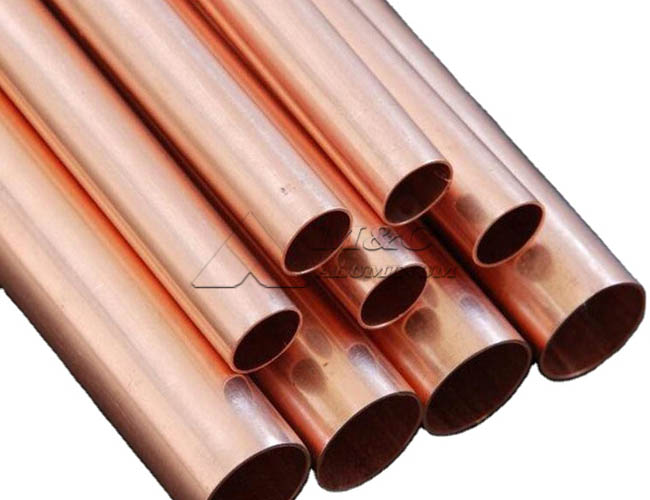


In marine engineering, energy systems, and large-scale industrial facilities, the demand for large-diameter corrosion-resistant piping continues to grow as conveying flow rates and system sizes increase.
4 inch / 5 inch CuNi 90/10 copper nickel alloy pipe perfectly combines 90% copper with 10% nickel, while precisely adding iron (Fe) and manganese (Mn) elements. This alloy provides high mechanical rigidity while building a strong defense against seawater corrosion.
Compared with small-diameter piping below 2", 4" / 5" copper nickel pipes can carry significantly higher fluid flow, meeting the large-flow requirements of main cooling systems and fire-fighting main pipelines.
This type of product is commonly used in large-flow transmission systems, such as seawater cooling circulation systems, seawater desalination equipment, and offshore platform piping networks. It can be supplied as seamless pipe or welded pipe / ERW / EFW, and is compatible with common wall thickness grades such as Sch 40 and Sch 80. The pipes comply with international standards such as ASTM B466 and ASTM B111.
Large-diameter copper nickel pipes are manufactured through an integrated production process including vacuum melting, precision hot rolling, cold drawing, and finishing. Raw material purity is strictly controlled from the source to prevent impurity contamination.
Seamless pipes are formed in one piece without welded joints, offering uniform and stable structural strength. Welded pipes are produced using precision argon arc welding technology, and the weld seams are inspected by non-destructive testing to eliminate welding defects.
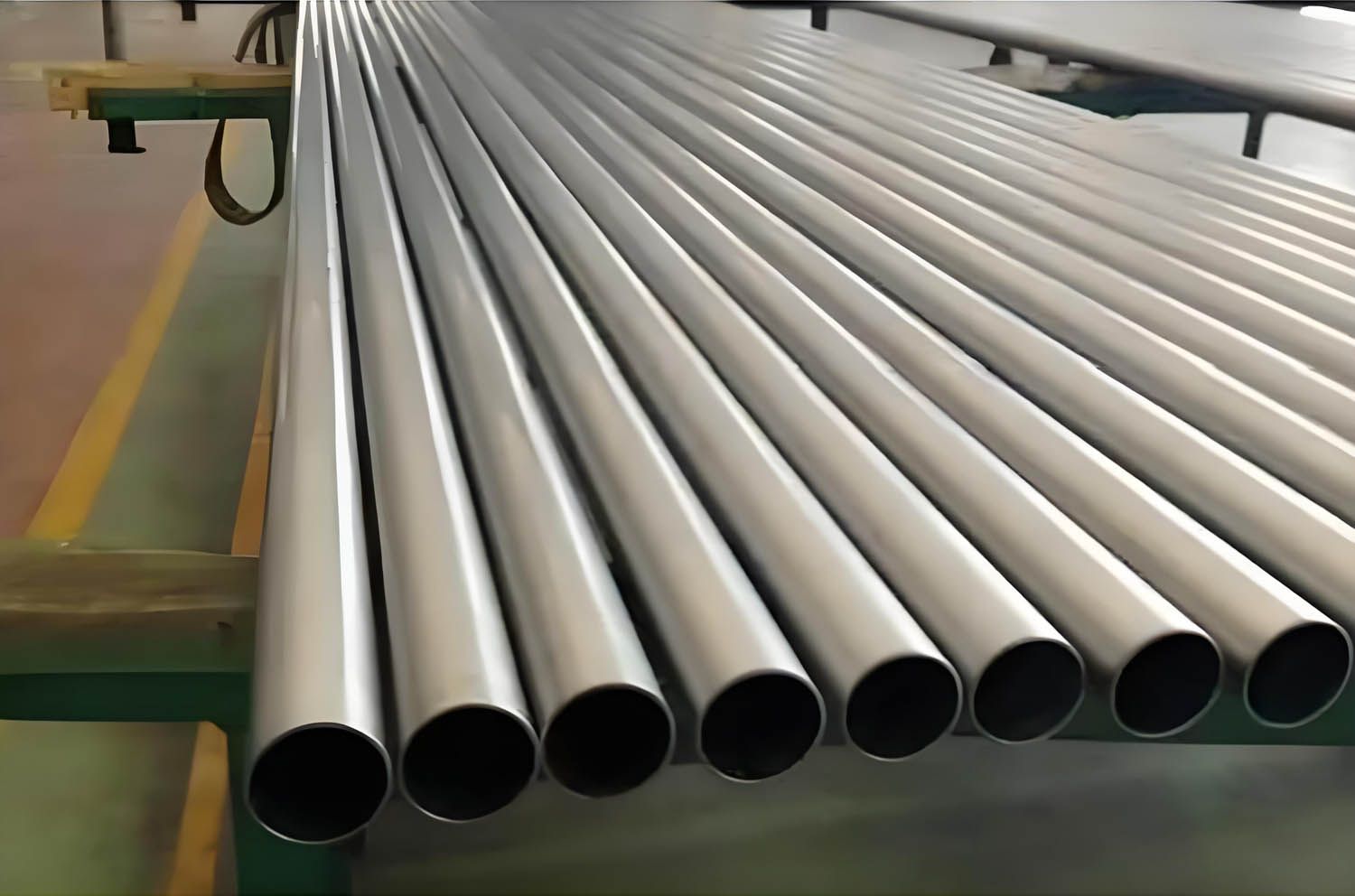
Technical Parameters
| Range | 4 Inch Pipe | 5 Inch Pipe |
| Nominal Size / NPS | 4 inch / 102 mm | 5 inch / 127 mm |
| Outer Diameter / OD | 114.3 mm / Sch 40 pipe standard | 139.7 mm / Sch 40 pipe standard |
| Wall Thickness | Sch 40: approx. 4.13 mm Sch 80: approx. 6.35 mm Sch 160: approx. 9.53 mm | Sch 40: approx. 4.45 mm Sch 80: approx. 6.63 mm Sch 160: approx. 9.75 mm |
| Standards | ASTM B466, ASME SB466, EN 10056-2 | ASTM B466, ASME SB466, EN 10056-2 |
| Material Grade | UNS C70600 / CuNi 90/10 | UNS C70600 / CuNi 90/10 |
| Temperature Range | -200°C to +400°C | -200°C to +400°C |
| Pressure Rating | Up to 30 bar / 435 psi @ 300°C | Up to 25 bar / 362 psi @ 300°C |
| Single Piece Weight | Significantly higher than small-diameter pipes | Extremely high |
Typical Chemical Composition of CuNi 90/10 C70600 Pipe
| Element | Content Range |
| Cu / Copper | Balance |
| Ni / Nickel | 9.0% - 11.0% |
| Fe / Iron | 1.0% - 1.8% |
| Mn / Manganese | 0.5% - 1.0% |
| Zn / Zinc | ≤1.0% |
| Pb / Lead | ≤0.05% |
| S / Sulfur | ≤0.02% |
Performance Advantages of Large-Diameter Copper Nickel Pipe
1. Excellent Seawater Corrosion Resistance
Copper nickel alloy can form a dense, self-healing protective film in seawater, effectively resisting chloride ion corrosion. It significantly reduces the risk of pitting corrosion, crevice corrosion, and stress corrosion, making it especially suitable for ships, offshore platforms, and seawater systems.
2. Outstanding Erosion-Corrosion Resistance
With the addition of iron, the material remains stable in high-velocity seawater environments. It is suitable for high-erosion conditions such as pump outlets, cooling circulation systems, and heat exchanger pipelines.
3. Suitable for Large-Flow Transmission Systems
The 4" / 5" large-diameter design meets high-flow requirements, reduces pressure loss, and improves transmission efficiency. It is widely used in power plants and offshore engineering systems.
4. Long Service Life and Low Overall Cost
Although the initial cost is relatively high, its corrosion resistance and low-maintenance characteristics can greatly reduce long-term operation and replacement costs, offering better overall cost performance.
5. Good Processing and Welding Performance
The pipe supports cutting, bending, welding, and flange connection, making it suitable for complex piping systems. Common welding methods include TIG, MIG, and automatic welding.
6. Strong Resistance to Marine Biofouling
Copper nickel alloy naturally inhibits the attachment of shellfish and algae, reducing pipeline blockage, lowering maintenance frequency, and improving system operating efficiency.
7. Stable Mechanical Properties
It provides good strength and toughness and can maintain long-term stable operation in vibration, humid, and salt-spray environments.
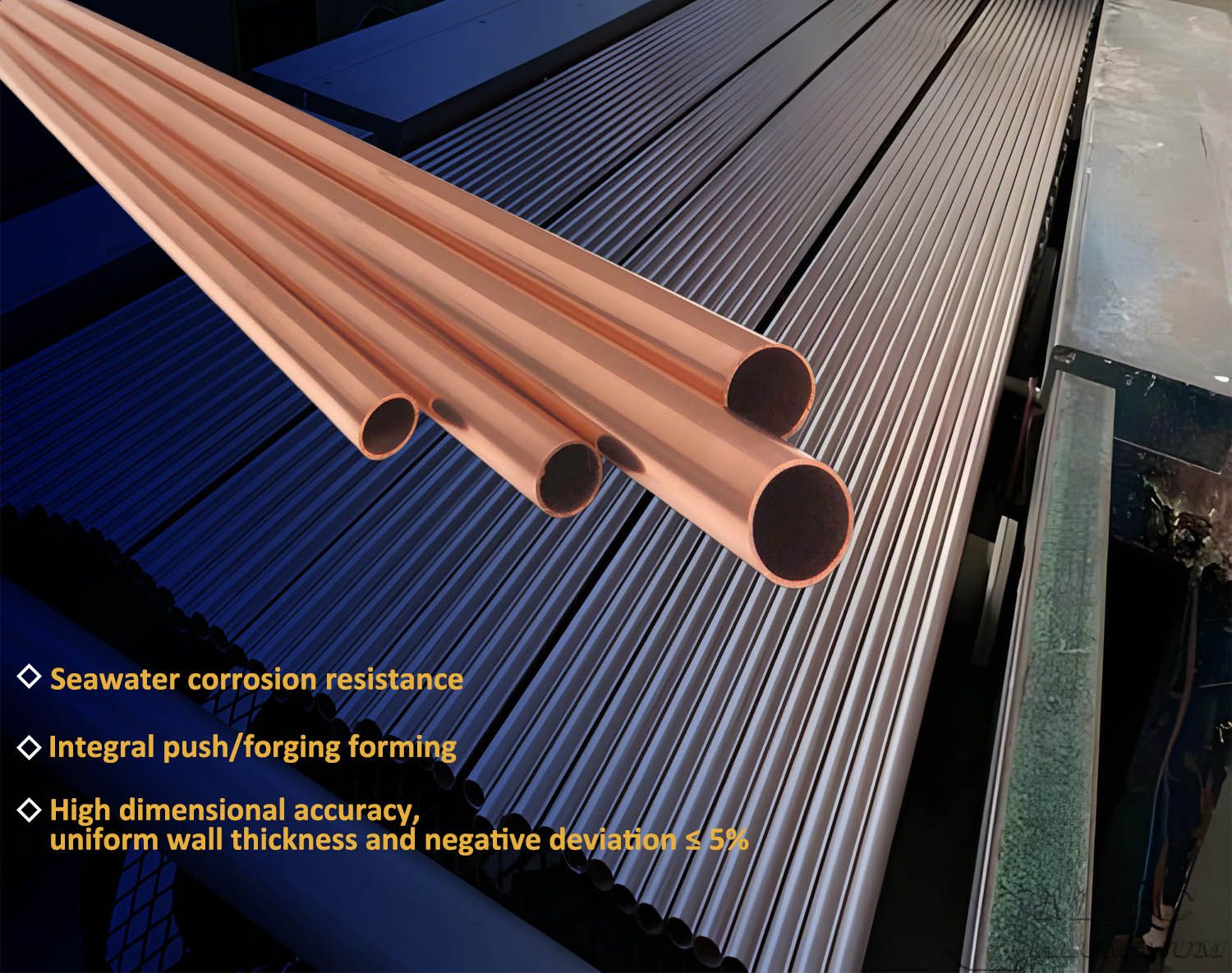
Selection of Seamless Pipe and Welded Pipe
4" / 5" large-diameter copper nickel alloy pipes can be supplied as either seamless pipes or welded pipes according to project requirements.
1. Seamless Copper Nickel Alloy Pipe
Seamless pipes are processed from integral tube billets. They have no weld seam, uniform structure, and good pressure-bearing capability. They are suitable for high-pressure, high-reliability, and harsh corrosive environments.
Applicable Scenarios:
High-pressure seawater pipelines
Classification society certified projects
Critical offshore platform pipelines
Important cooling systems in power plants
2. Welded Copper Nickel Alloy Pipe
Welded pipes feature a wide size range, high production efficiency, and relatively lower cost. They are suitable for large-diameter, low- to medium-pressure, and long-distance transmission systems.
Applicable Scenarios:
Large-flow seawater transmission
General ship piping systems
Industrial circulating water pipelines
Auxiliary pipelines for seawater desalination
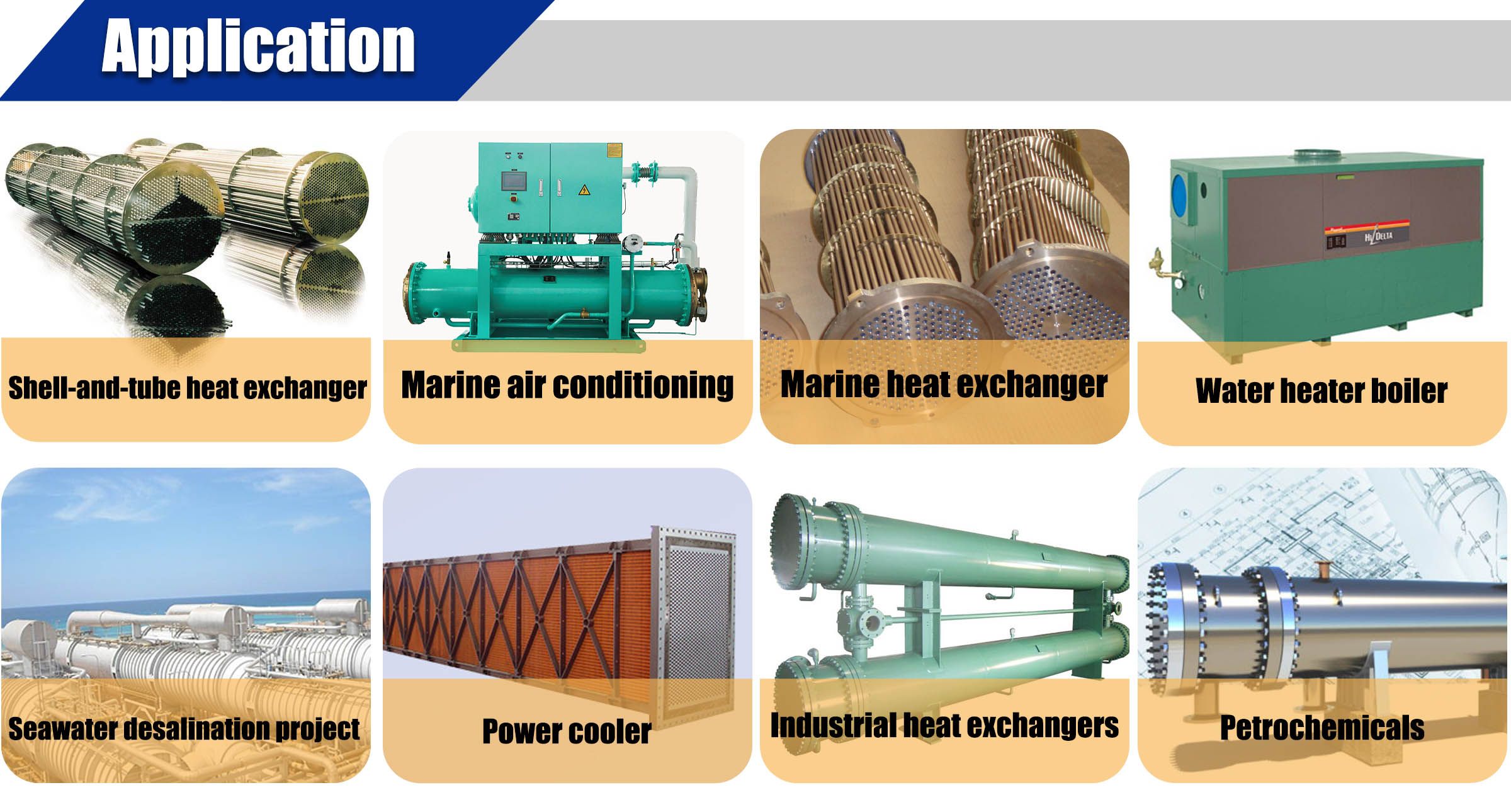
Application Fields
Large Marine and Shipbuilding Projects
Used in seawater main cooling pipelines, fire-fighting main pipelines, and water supply and drainage main pipelines for ocean-going vessels, large cruise ships, and naval vessels. Also suitable for offshore wind power platforms, deep-sea drilling platforms, and main anti-corrosion circulation pipelines for marine steel structures.
Seawater Desalination Projects
Used in main seawater intake pipelines, brine transmission pipelines, heat exchange circulation main pipelines, and large-flow transmission pipelines in pretreatment systems for large seawater desalination plants.
Heavy Industry and Power Systems
Suitable for seawater cooling systems in thermal power plants and nuclear power auxiliary facilities, centralized heat exchange pipelines for large central air-conditioning systems, and circulating water supply systems for coastal heavy industrial equipment.
Fine Chemical and Oil & Gas Engineering
Used for large-flow transmission of mildly acidic and alkaline media in refineries, auxiliary anti-corrosion pipelines on oil and gas platforms, main pipelines for chemical heat exchange units, and concentrated brine transmission systems in salt chemical industries.
Port and Coastal Infrastructure
Suitable for coastal anti-corrosion water supply systems, spray dust suppression systems, cooling circulation pipelines for port equipment, and large HVAC circulation systems in coastal buildings and venues.
Surface and End Treatment of Copper Nickel Pipe
According to different application scenarios and installation methods, 4" / 5" large-diameter copper nickel alloy pipes can be supplied with various surface and end treatments.
Surface Treatment
Pickling and cleaning
Bright surface finish
Mechanical polishing
Degreasing treatment
Anti-contamination packaging
Internal and external wall cleaning
Pipe End Treatment
Plain end
Beveled end
Expanded end
Flanged end
Plastic protective caps
Matching fittings available, including flanges, elbows, tees, reducers, and other pipe fittings
How to Order Copper Nickel Pipe
When purchasing 4" / 5" large-diameter copper nickel alloy pipes, customers are advised to provide the following information for accurate quotation and production:
Material grade: CuNi 90/10 or CuNi 70/30
Applicable standard: ASTM, ASME, EN, DIN, EEMUA, etc.
Pipe type: Seamless pipe or welded pipe
Size specification: Outer diameter, wall thickness, and length
Quantity requirement: Number of pieces, total meters, or weight
Pipe end type: Plain end, beveled end, or other machining requirements
Surface treatment: Pickling, polishing, cleaning, degreasing, etc.
Inspection requirements: Hydrostatic testing, non-destructive testing, third-party inspection, etc.
Certificate requirements: Material certificate, classification society certificate, third-party inspection report
Packaging requirements: Standard packaging or export wooden case packaging