

Introduction
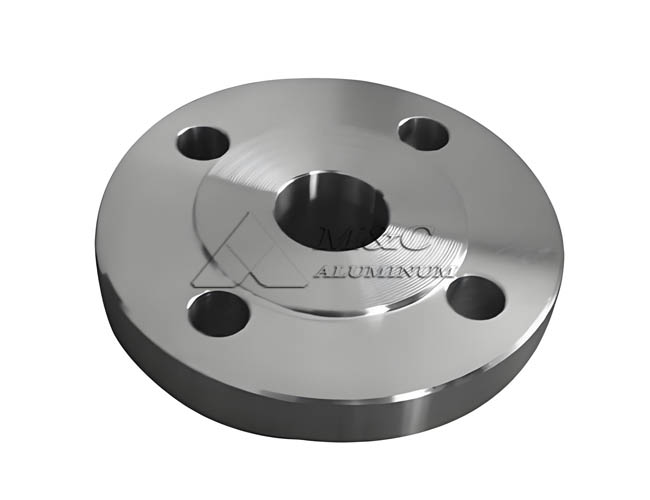
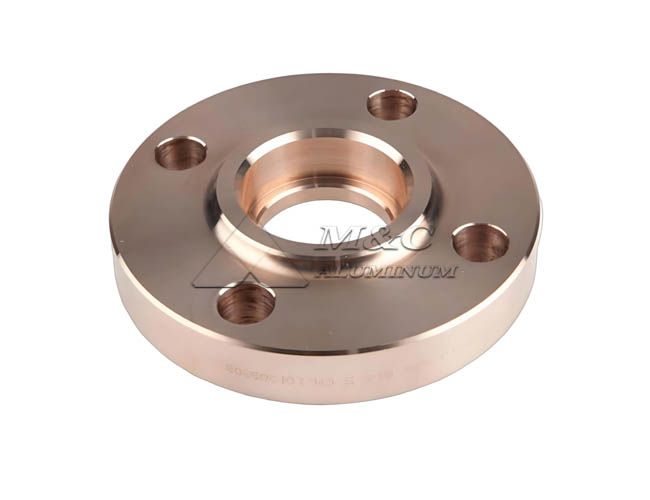
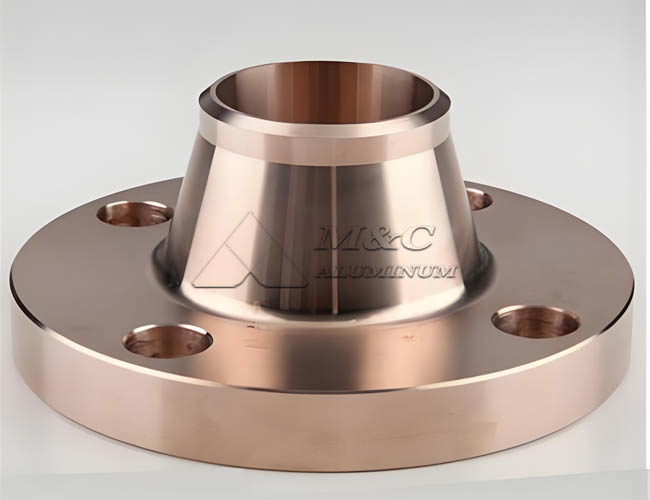
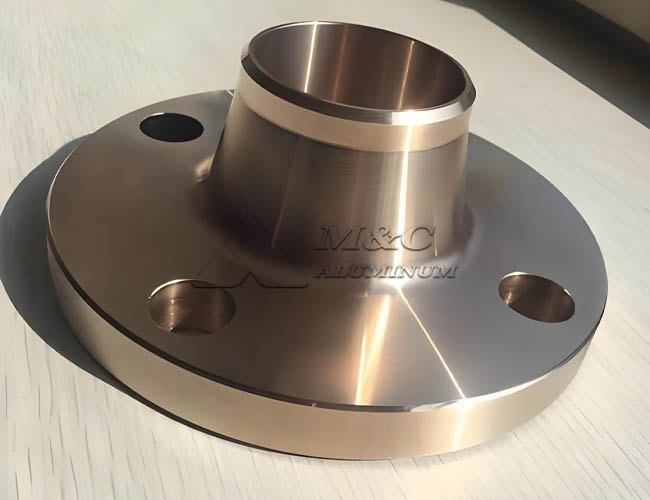
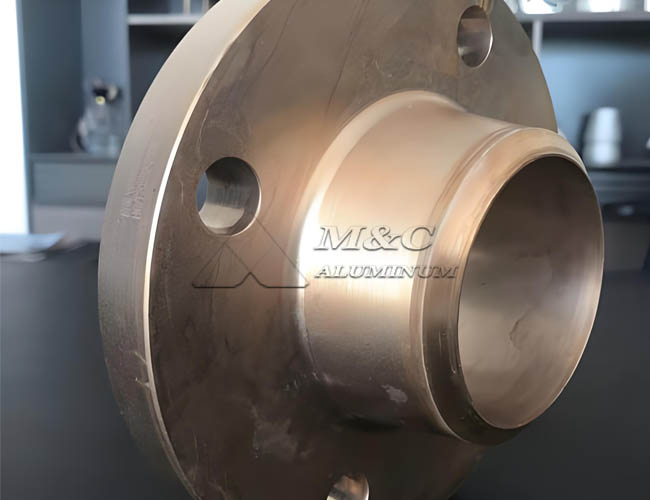
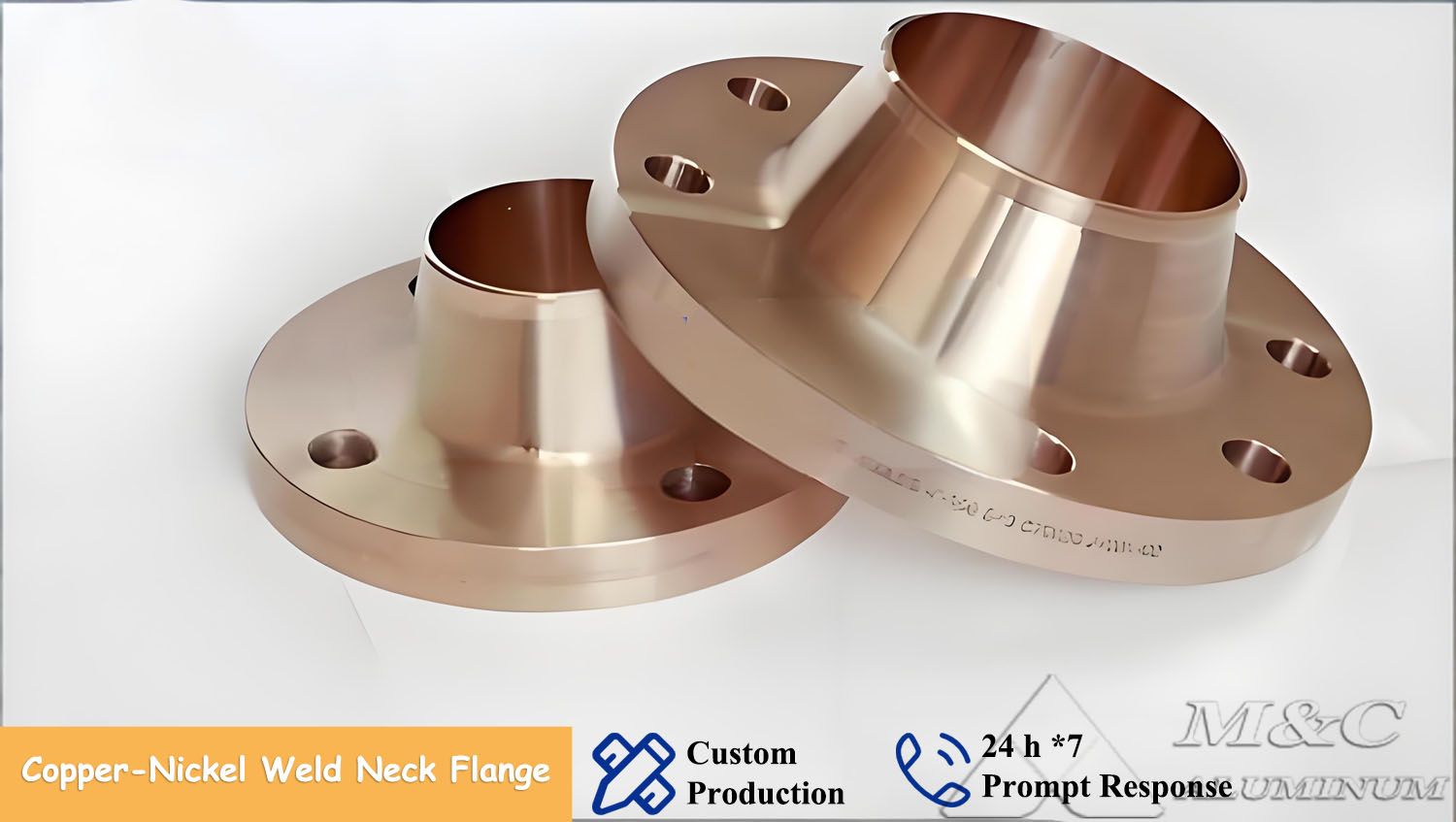
A copper-nickel weld neck flange is a flange connector made from copper-nickel alloy and designed with a long tapered hub. One end is connected to the pipe by butt welding, while the other end is connected to a matching flange, valve, equipment, or pipe fitting by bolts.
Compared with ordinary slip-on flanges, weld neck flanges have clear structural advantages. The tapered hub design effectively distributes pipeline stress, reduces local stress concentration, and improves the overall strength of the connection area. Therefore, it is particularly suitable for piping systems with higher pressure, large temperature fluctuations, strong corrosive media, or high requirements for sealing reliability.
This type of flange complies with international standards such as ANSI, ASME, DIN, and EN, and can be compatible with various piping systems.
Material Grades of Copper-Nickel Weld Neck Flanges
Copper-nickel alloy is generally based on copper, with a certain proportion of nickel and small amounts of iron, manganese, and other elements added to improve corrosion resistance and mechanical strength.
Common materials include:
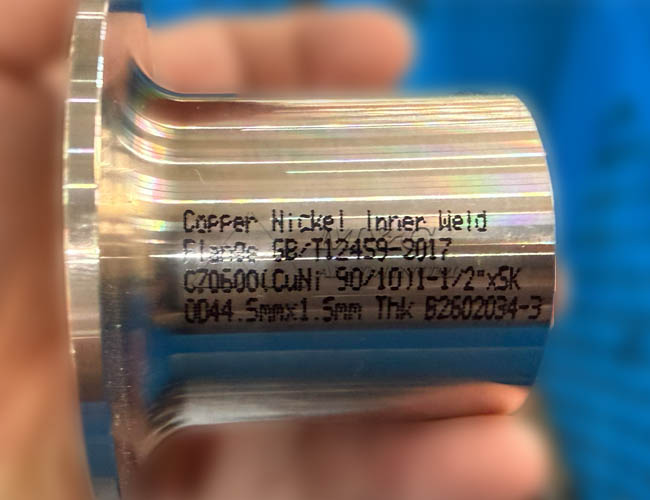
C70600 / CuNi 90/10
C70600, also known as CuNi 90/10, contains approximately 90% copper and 10% nickel. It is widely used, provides good resistance to seawater corrosion, and offers excellent cost performance.
C71500 / CuNi 70/30
C71500, also known as CuNi 70/30, contains approximately 70% copper and 30% nickel. It provides higher strength and better corrosion resistance, making it suitable for more demanding marine environments.
Advantages of Copper-Nickel Alloy
1. Excellent Seawater Corrosion Resistance
Copper-nickel alloy can naturally form a dense protective film on its surface, effectively resisting seawater erosion, pitting corrosion, and crevice corrosion.
2. Biofouling Resistance
In marine environments, algae and shellfish attachment can reduce pipeline efficiency. Copper-nickel material has natural antibacterial properties and can significantly reduce biofouling.
3. High Mechanical Strength and Toughness
Copper-nickel alloy maintains good toughness under low-temperature and dynamic load conditions, reducing the risk of brittle fracture.
4. Good Weldability
When combined with a weld neck structure, copper-nickel alloy enables stable and reliable welded connections, ensuring excellent system sealing performance.
Technical Parameters of Weld Neck Flanges
| Item | Specification |
| Material | CuNi 90/10, CuNi 70/30 |
| Size Range | 1/2" to 24" |
| Nominal Pressure | Class 150 – Class 2500 |
| Nominal Diameter | DN15 – DN1200 |
| Standards | ASME B16.5 / DIN / EN1092 |
| Connection Type | Butt Welding, WN |
| Working Temperature | -50°C to 250°C |
| Surface Treatment | Anti-corrosion treatment / Natural finish / Polishing |
How Does a Copper-Nickel Weld Neck Flange Work?
A copper-nickel weld neck flange is connected to a copper-nickel alloy pipe by butt welding, forming a continuous integrated fluid channel and creating a high-strength, nearly seamless connection structure.
Its tapered hub design gradually disperses and transfers local stress at the flange root to the pipe body. This significantly reduces stress concentration and improves the overall fatigue resistance and vibration resistance of the structure. It is especially suitable for high-pressure, high-temperature, and complex marine operating conditions.
During fluid transmission, the inner diameter of the flange remains consistent with the inner diameter of the pipe. This effectively reduces flow disturbance, turbulence, and pressure loss, ensuring stable and continuous media transportation.
Therefore, copper-nickel weld neck flanges not only improve connection strength but also optimize fluid dynamic performance, making them a key connection type in highly reliable piping systems.
Are Copper-Nickel Weld Neck Flanges Available with Flat Face and Raised Face?
Yes. Copper-nickel weld neck flanges can be machined with different sealing face types according to application requirements, such as:
Raised Face — RF
Flat Face — FF
Male and Female Face — MFM
Tongue and Groove Face — TG
Ring Type Joint Face — RTJ
Different sealing faces can be matched with different gaskets and pressure ratings to ensure long-term stable sealing at the connection.
Product Advantages of Copper-Nickel Weld Neck Flanges
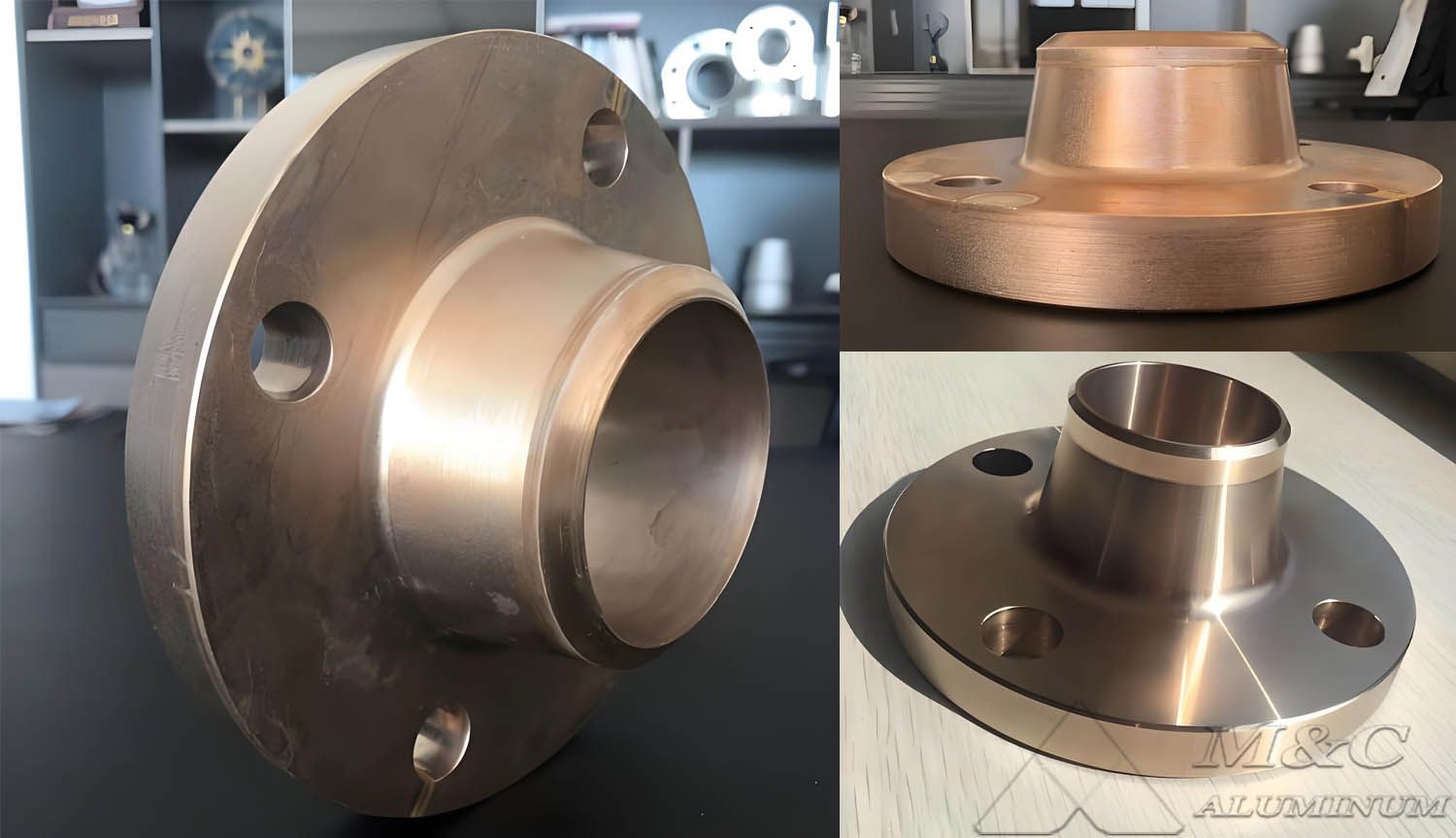
Excellent resistance to seawater corrosion, suitable for long-term contact with seawater media
Strong resistance to erosion-corrosion, suitable for high-velocity fluid pipelines
Good weldability, stable connection with copper-nickel pipelines
Weld neck structure provides high pressure-bearing capacity and reasonable stress distribution
Reliable sealing performance, reducing leakage risk
Long service life, reducing maintenance and replacement costs
Customizable according to standards or drawings to meet different project requirements
Wide application range, especially suitable for shipbuilding, offshore engineering, seawater desalination, and related fields
Application Fields
Shipbuilding and Offshore Engineering
Used in seawater desalination systems, ship ballast water piping networks, fire-fighting systems, and subsea pipelines.
Offshore Oil and Gas Production
Applied in cooling water systems of FPSO units and offshore drilling platforms.
Thermal and Nuclear Power Generation
Used for pipe connections in high-efficiency condensers and heat exchangers in power plants.
Chemical and Salt Industries
Suitable for process pipelines involving highly concentrated brine, organic acids, and other corrosive media.
Copper-Nickel Flange Dimensional Standards
Copper-nickel flange dimensions are manufactured according to the following standards:
DIN 2633
DIN 2632
EEMUA 145
EEMUA 234
ANSI/ASME B16.5
ASME B16.47 Series A and B
BS 4504
BS 10
EN 1092
JIS
GB/T
How Is a Copper-Nickel Weld Neck Flange Connected to a Piping System?
Copper-nickel weld neck flanges are usually connected to pipes by butt welding. The installation process emphasizes accurate alignment and welding quality control to ensure long-term stable operation of the system.
Basic connection steps are as follows:
1. Pipe Cutting and Bevel Preparation
Cut the copper-nickel alloy pipe to the designed length and prepare a standard welding bevel, usually V-type or U-type, to ensure sufficient weld fusion.
2. Flange Positioning and Alignment
Fit the weld neck flange to the pipe end and adjust the flange and pipe axis to be concentric, ensuring there is no deviation or misalignment.
3. Tack Welding
Perform tack welding first to keep the flange position stable and prevent displacement during welding.
4. Full Butt Welding
Use matching copper-nickel alloy welding consumables to perform full-circumference butt welding, forming a continuous weld and achieving metallurgical bonding.
5. Post-Weld Treatment and Inspection
Clean the weld after welding and conduct non-destructive testing, such as UT or RT, to ensure the welding quality meets engineering standards.
6. System Assembly and Tightening
The other side of the flange is connected to the matching flange with bolts and a sealing gasket, completing the final assembly of the piping system.
Through the above process, copper-nickel weld neck flanges provide high-strength, low-leakage-risk, and reliable connections, especially suitable for offshore engineering, seawater systems, and pipeline networks in highly corrosive environments.