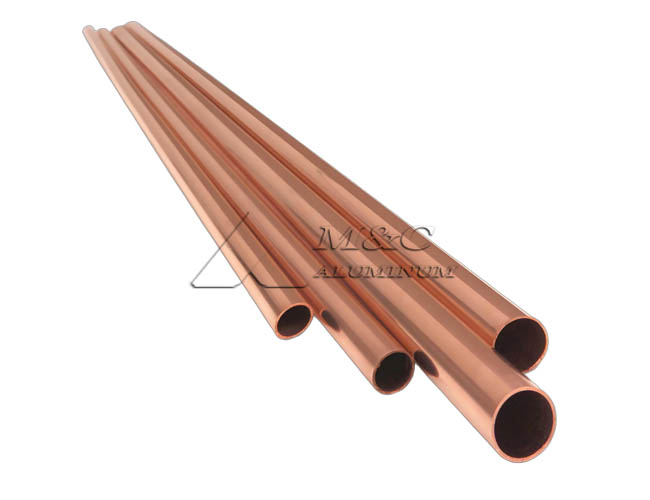
In the vast marine environment, the selection of piping materials is directly related to the safety, reliability, and service life of ships and offshore engineering equipment. Seawater is highly corrosive, and complex service conditions such as marine organism attachment and high-velocity water erosion place extremely demanding requirements on piping materials. Among copper nickel alloys, 90/10 copper nickel alloy (CuNi90FeMn) has become one of the most popular materials due to its cost-effectiveness and excellent performance.
Product Introduction
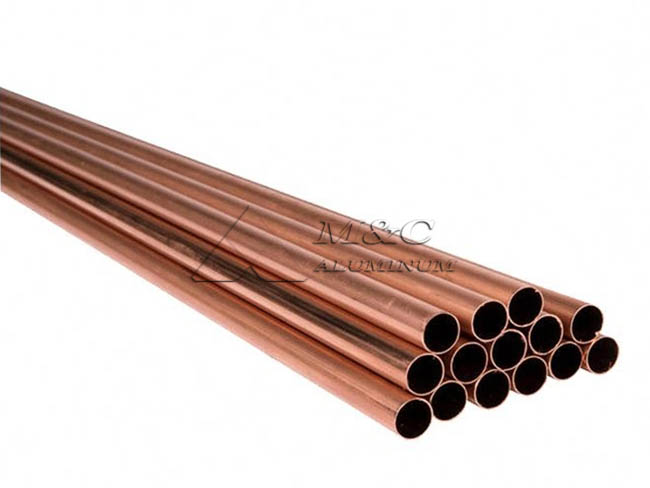
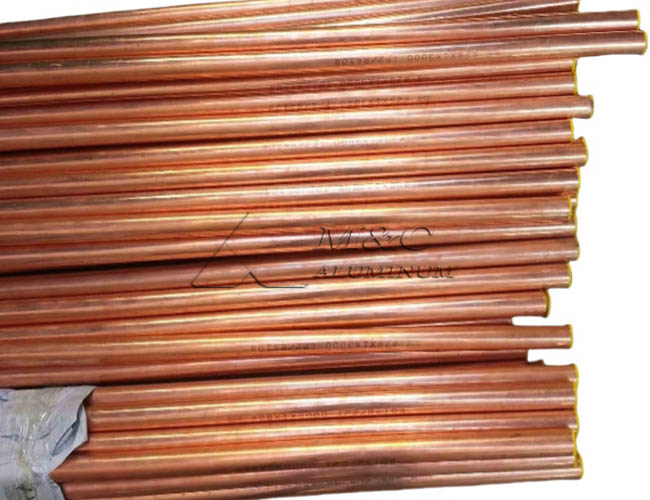
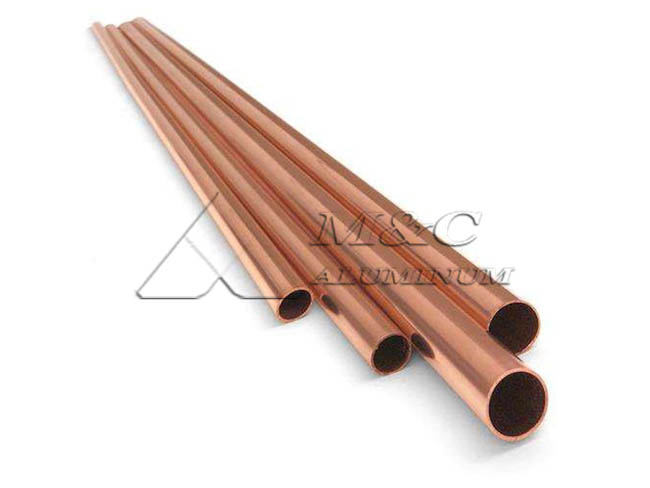
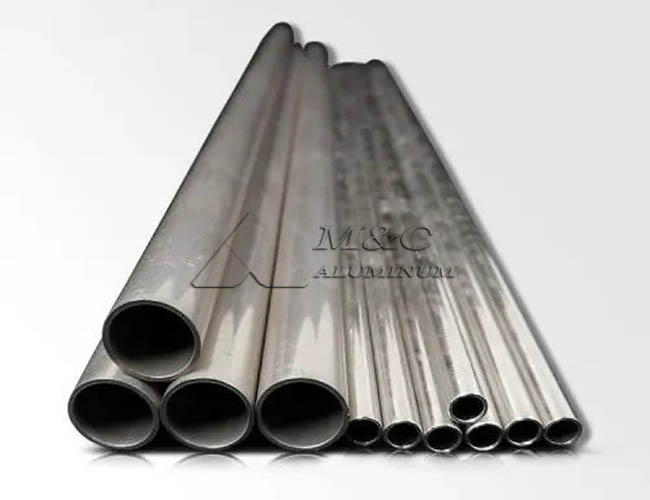
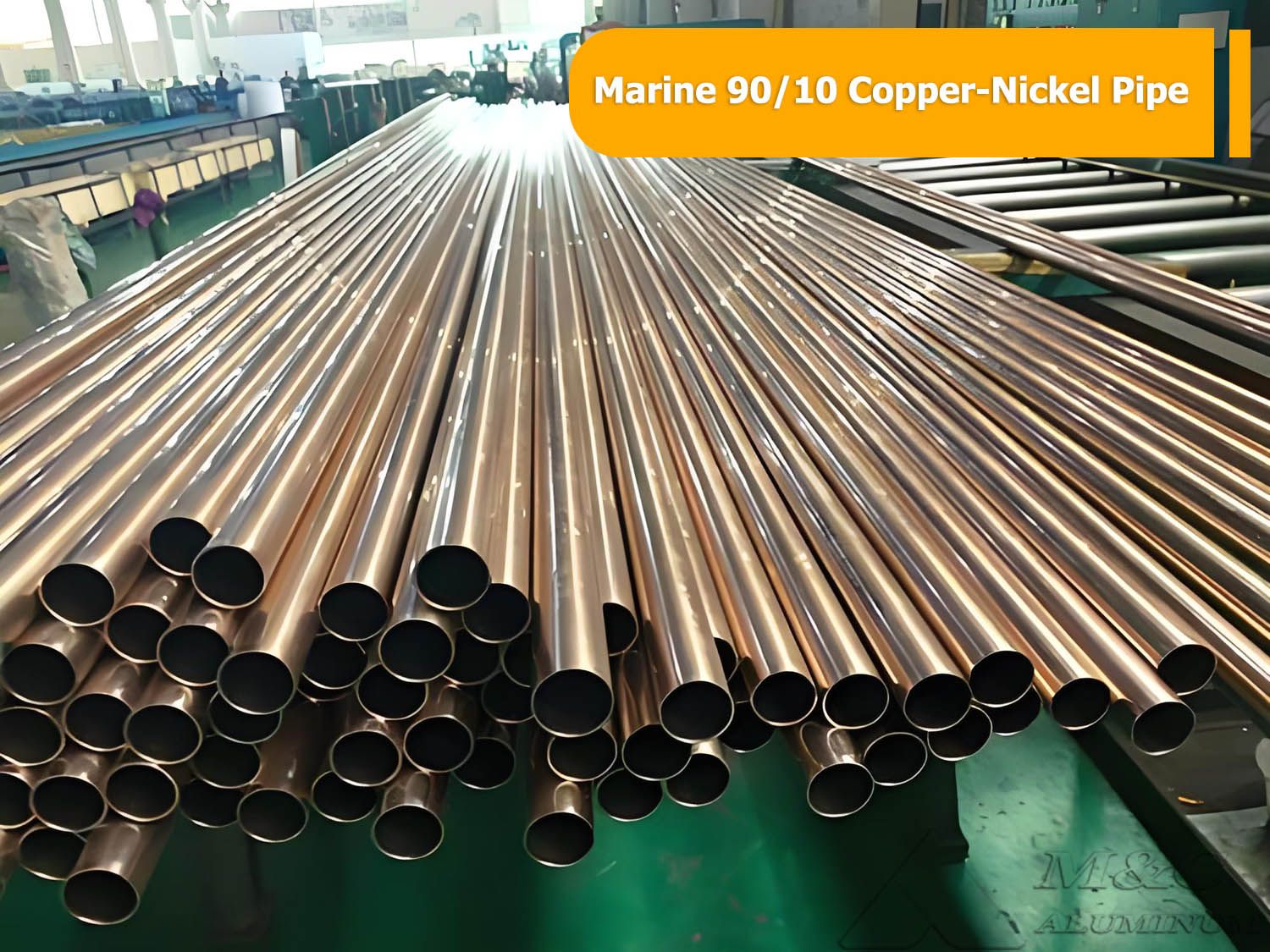
Marine 90/10 copper nickel seamless tube is a seamless tube made mainly of copper and nickel, with small additions of iron, manganese, and other elements.
Its typical chemical composition includes:
Copper as the balance, approximately 88.6%-90.5%; nickel 9.0%-11.0%; iron 1.0%–1.8%; manganese 0.5%–1.0%; and total impurities controlled below 0.5%.
The addition of small but important amounts of iron and manganese significantly improves the corrosion resistance of the material. Iron greatly enhances the alloy's resistance to erosion corrosion, while manganese helps refine the grain structure and strengthen the adhesion of the passive film.
Compared with welded tubes, seamless tubes have no weld seam and a more uniform overall structure, offering advantages in pressure resistance, corrosion resistance, and long-term service stability.
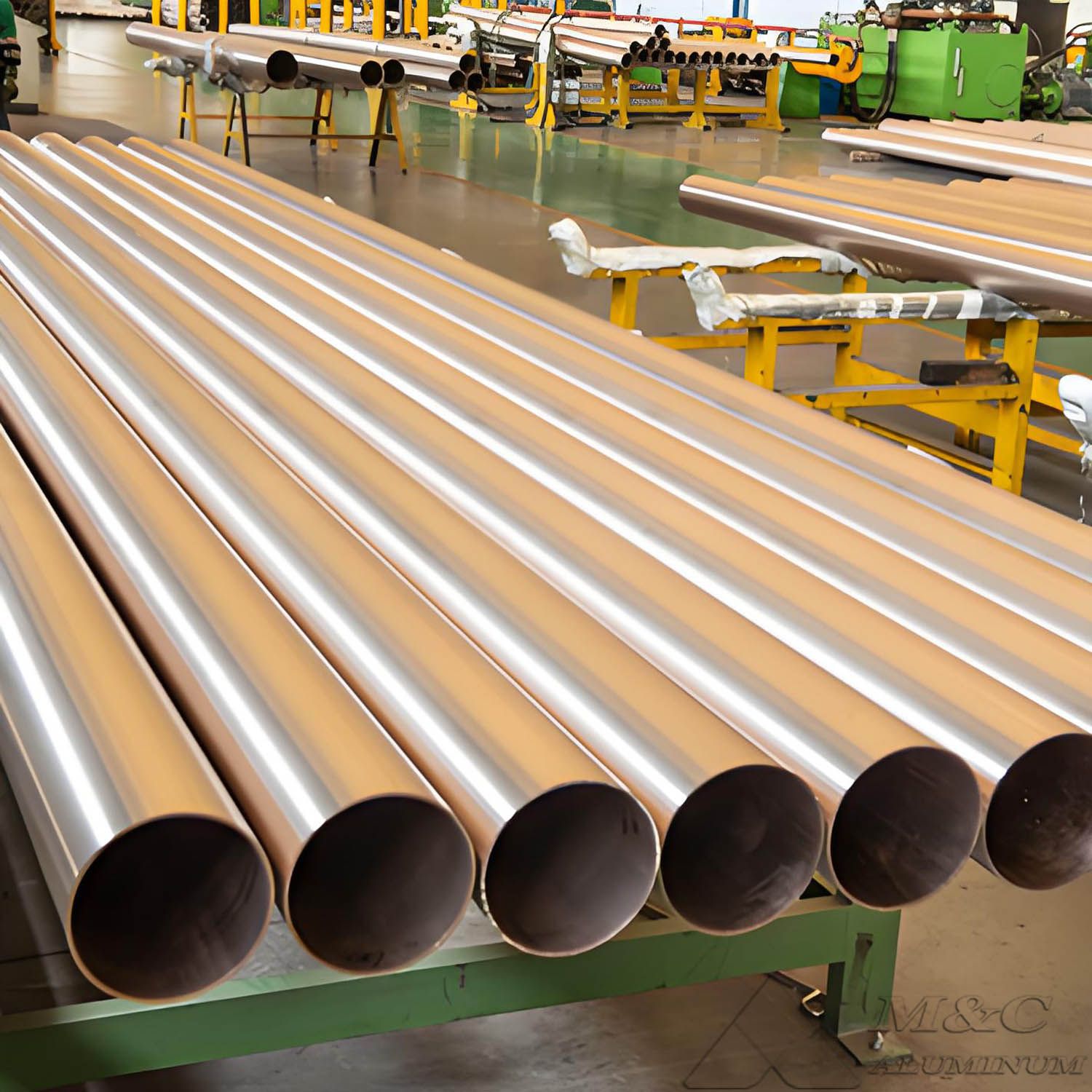
Why Does the Shipbuilding Industry Choose 90/10 Copper Nickel Seamless Tube?
1. Excellent Corrosion Resistance
90/10 copper nickel alloy can form a stable and dense protective film in seawater, effectively reducing the corrosion rate. This makes it highly suitable for marine applications.
2. Good Mechanical Properties
It has good mechanical properties, including high strength and excellent ductility, allowing it to withstand considerable mechanical stress while remaining easy to process and manufacture.
3. Resistance to Marine Biofouling
90/10 copper nickel alloy slowly releases trace copper ions, effectively inhibiting the attachment of marine organisms such as algae, shellfish, and barnacles.
4. Good Thermal Conductivity
The thermal conductivity of 90/10 copper nickel alloy is approximately 42–50 W/(m·K), about three times that of 304 stainless steel. It is widely used in condensers and heat exchangers, effectively improving heat exchange efficiency.
5. Excellent Weldability and Fabrication Performance
90/10 copper nickel seamless tube has good workability and can be welded by TIG welding, MIG welding, automatic welding, butt welding, and other methods. Its corrosion resistance remains excellent after welding, making it very suitable for large shipbuilding projects.
6. Cost-Effectiveness
Compared with other high-performance materials, 90/10 copper nickel alloy has a relatively lower cost, making it an economical and practical choice.
7. Versatility
It can be used in various applications, including ship systems, offshore engineering, and industrial applications, making it a highly versatile material.
8. Long Service Life
Thanks to its excellent corrosion resistance and good mechanical properties, 90/10 copper nickel alloy has a longer service life than many other materials, helping reduce maintenance costs and replacement frequency.
Specifications of C70600 Copper Nickel Tube
| Item | Parameter |
| Material Grade | C70600 / CuNi90/10 |
| Manufacturing Process | Seamless cold drawn, cold rolled |
| Outer Diameter | 6 mm–508 mm |
| Wall Thickness | 0.5 mm–20 mm |
| Length | 3 m, 6 m, or custom length |
| Surface | Pickled, bright, polished |
| Ends | Plain end, beveled end, threaded end |
| Inspection | Eddy current testing, ultrasonic testing, hydrostatic testing |
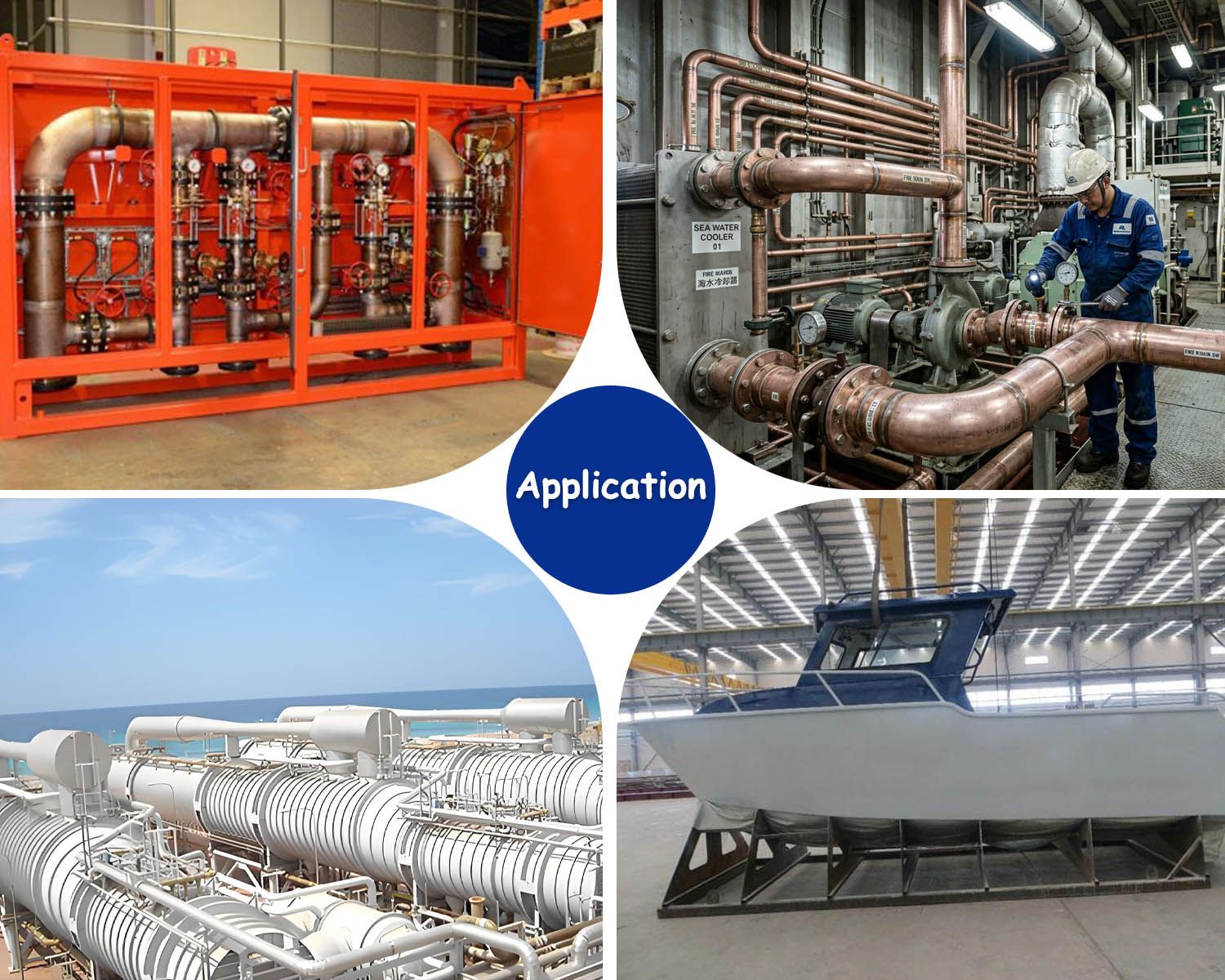
Applications of Marine C70600 Copper Nickel Seamless Tube
1. Ship Systems
Seawater Supply System:
Used for seawater supply pipelines due to its excellent resistance to seawater corrosion.
Cooling System:
Used in marine cooling systems because of its good thermal conductivity.
Fuel System:
Used for fuel transmission pipelines because of its good corrosion resistance to fuel.
2. Offshore Engineering
Subsea Pipelines:
Used for subsea pipelines due to its excellent corrosion resistance and high strength.
Offshore Platforms:
Used for various pipelines and fittings on offshore platforms.
Seawater Treatment Facilities:
Used in pipelines and equipment for seawater treatment facilities.
3. Industrial Applications
Chemical Industry:
Used in pipelines for handling corrosive fluids.
Power Industry:
Used in cooling systems for power equipment.
Pharmaceutical Industry:
Used in pipelines and fittings for pharmaceutical equipment.
Manufacturing Process of Seamless Tubes
The production of 90/10 copper nickel seamless tube adopts a mature process route combining hot extrusion and cold working. The specific process includes: high-purity electrolytic copper and nickel-iron are melted and cast into solid billets according to the required ratio; the billets are then heated for hot piercing and hot extrusion to form tube blanks; afterward, the tube blanks are finished through multiple passes of cold drawing or cold rolling to achieve precise dimensions and a smooth surface finish; finally, bright stress-relief annealing is performed to eliminate work hardening and restore the material's ductility and corrosion resistance.
Before leaving the factory, finished products undergo strict 100% inspection, including eddy current flaw detection, hydrostatic pressure testing, spectroscopic material reinspection, and mechanical property testing. A complete quality assurance report is provided for each batch. This strict quality control ensures that the seamless tube has a dense and uniform wall structure without a weld seam, which could otherwise become a weak point under pressure.
Manufacturing Process of CuNi90/10 Seamless Tube
The production of 90/10 copper nickel seamless tube adopts a mature process route combining hot extrusion and cold working. The specific process includes: high-purity electrolytic copper and nickel-iron are melted and cast into solid billets according to the required ratio; the billets are then heated for hot piercing and hot extrusion to form tube blanks; afterward, the tube blanks are finished through multiple passes of cold drawing or cold rolling to achieve precise dimensions and a smooth surface finish; finally, bright stress-relief annealing is performed to eliminate work hardening and restore the material's ductility and corrosion resistance.
Before leaving the factory, finished products undergo strict 100% inspection, including eddy current flaw detection, hydrostatic pressure testing, spectroscopic material reinspection, and mechanical property testing. A complete quality assurance report is provided for each batch. This strict quality control ensures that the seamless tube has a dense and uniform wall structure without a weld seam, which could otherwise become a weak point under pressure.
Standards for CuNi90/10 Seamless Tube
Marine 90/10 copper nickel seamless tube usually complies with the following international standards:
ASTM B111
ASTM B466
ASTM B467
ASME SB111
ASME SB466
EN 12451
DIN 86019
ISO 1635
MIL-T-16420, for military applications
Ship classification society certifications can also be provided according to project requirements, including:
ABS
DNV
LR
BV
CCS
NK
KR
RINA
These certifications meet the quality requirements of international shipbuilding and offshore engineering projects.
Maintenance Recommendations for Copper Nickel Alloy Tubes
To ensure the long-term performance and service life of 90/10 copper nickel seamless tube, the following maintenance recommendations are suggested:
1. Regular Inspection
Regularly inspect pipelines and fittings for signs of corrosion, leakage, or other damage. This helps detect problems in time and allows repairs to be carried out promptly.
2. Keep Clean
Keep pipelines and fittings clean to prevent corrosion and blockage. This can be achieved through regular cleaning and descaling.
3. Use Suitable Seals
Use suitable seals to ensure tight and reliable connections. This helps prevent leakage and corrosion.
4. Avoid Over-Tightening
Avoid over-tightening pipes and fittings to prevent material damage or stress concentration, which may lead to pipe cracking or unreliable connections.
5. Consider Environmental Factors
Consider environmental factors such as temperature, pressure, and chemical substances to ensure material performance and service life. This can be achieved through proper material selection and design.
Original Source: https://www.marinealum.com/a/marine-9010-copper-nickel-seamless-tube.html
Tag: 90/10 Copper Nickel Alloy Seamless Tube 90/10 Copper Nickel Tube C70600 Copper Nickel Seamless Tube Marine Grade Copper Nickel Tube CuNi90/10 Seamless Tube Copper Nickel Seamless Tube Manufacturer Copper Nickel Fittings Manufacturer