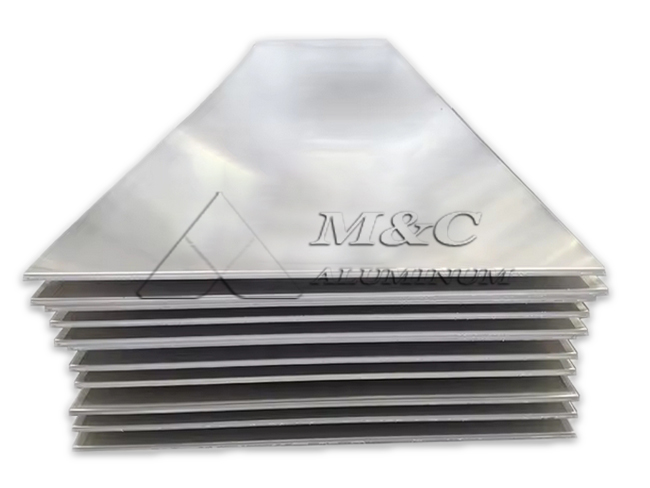
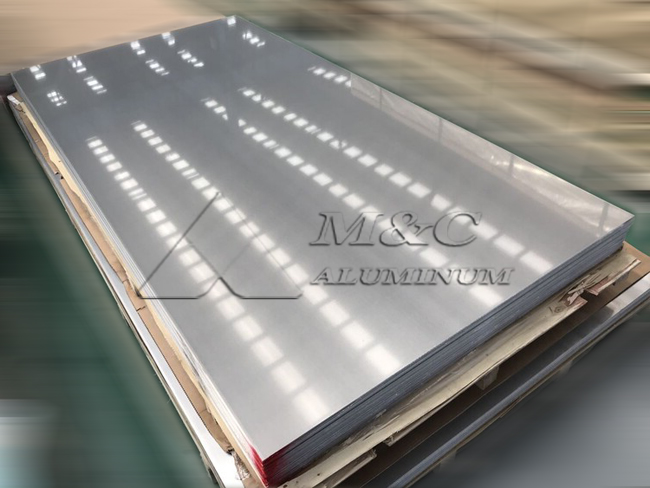
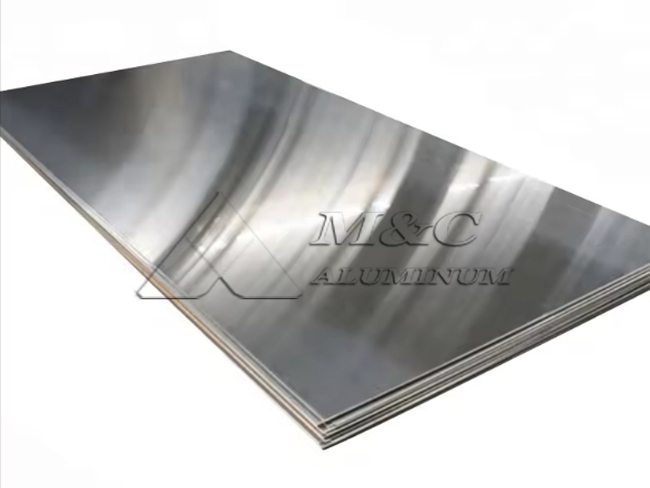
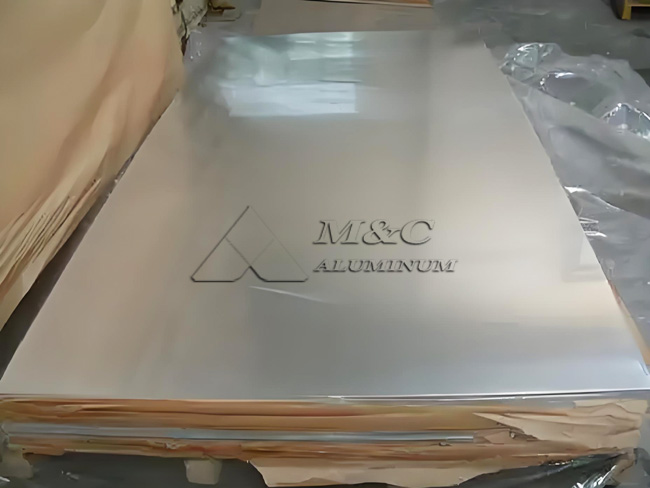
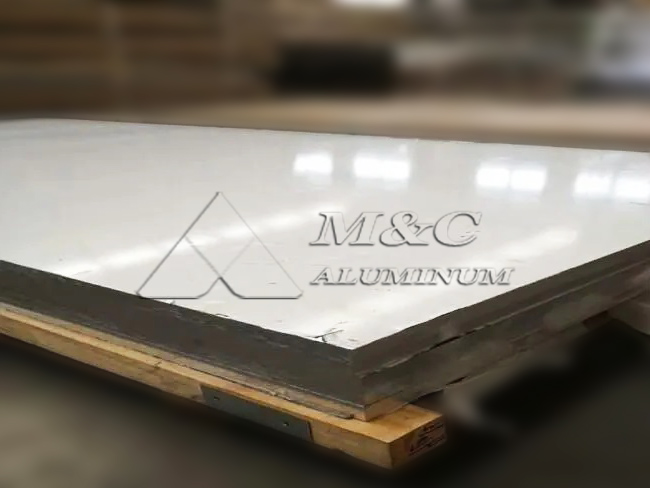
As a manufacturer of marine aluminum plate, we treat material selection as the first quality control point in every shipbuilding and offshore project. 5083 marine-grade aluminum plate is widely used for hull structures, decks, superstructures, fuel tanks, workboats, patrol vessels, LNG related equipment, and other welded marine components. Its popularity is based on a balanced combination of strength, weldability, seawater corrosion resistance, and long-term performance under dynamic loading.
However, not every 5083 aluminum plate is suitable for marine service. For shipbuilding use, buyers and engineers need to evaluate chemical composition, temper, mechanical properties, corrosion resistance, dimensional tolerance, surface condition, certification, and production traceability. This article explains the main material selection requirements for 5083 marine-grade aluminum plate from our factory manufacturing perspective.
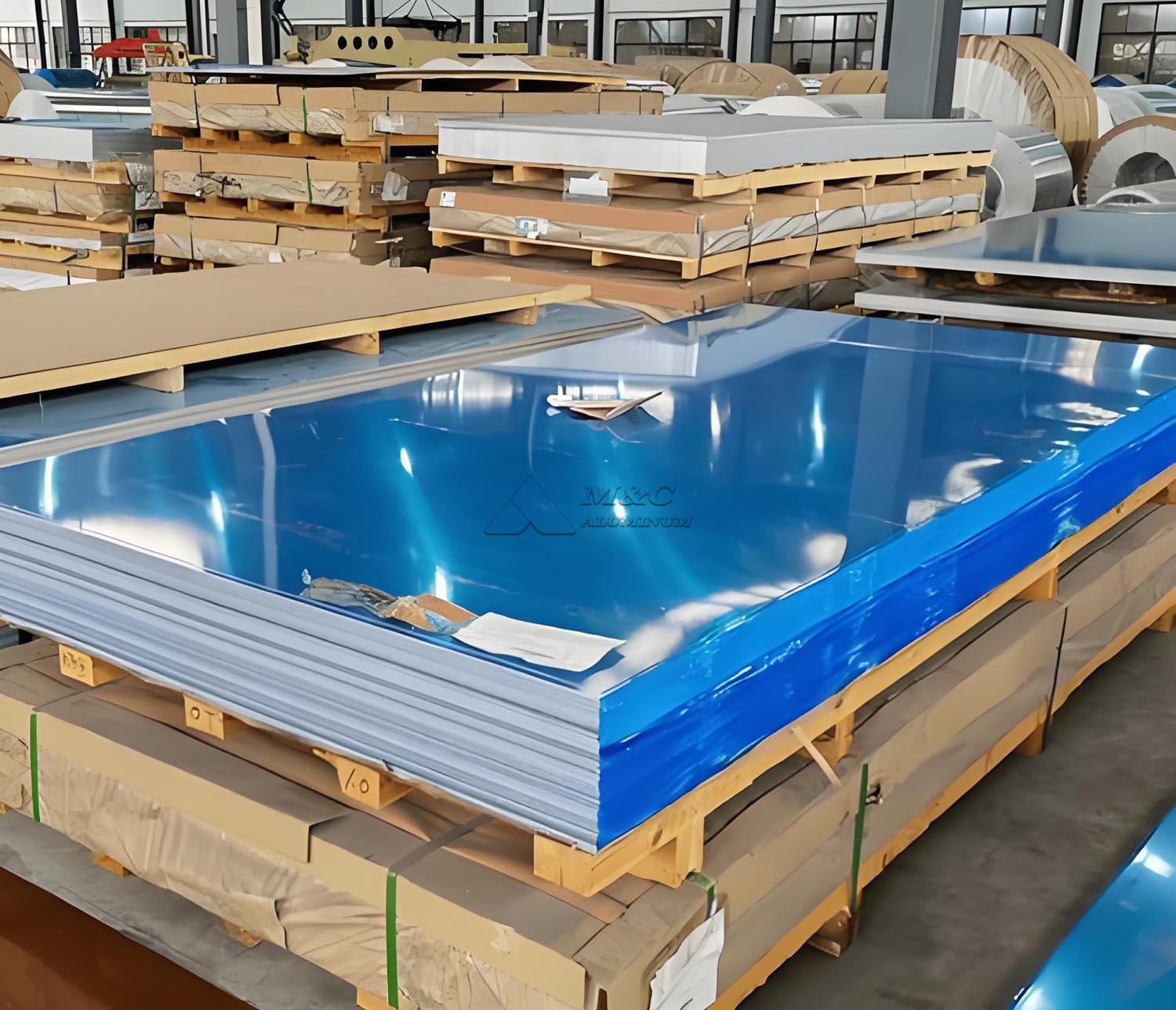
1. Confirm That 5083 Is the Correct Marine Aluminum Alloy
5083 aluminum belongs to the Al-Mg series non-heat-treatable alloy group. Magnesium is the main strengthening element, and manganese and chromium help improve stability and corrosion resistance. Compared with common 5xxx alloys such as 5052 or 5754, 5083 provides higher strength, making it more suitable for structural marine applications.
For hull plates, bottom plates, side shell plates, decks, bulkheads, and high-stress welded structures, 5083 Marine aluminum is usually selected when strength and seawater resistance are both required. For lighter duty interior or non-structural marine components, other alloys may be considered, but for demanding shipbuilding applications, 5083 remains one of the most established choices.
When selecting 5083 marine-grade aluminum plate, the project design should define the application area, load condition, welding method, working environment, and applicable classification society standard. These conditions determine whether 5083 is the most suitable alloy and which temper should be ordered.
2. Chemical Composition Requirements
The chemical composition of 5083 marine aluminum plate must be controlled within recognized standards such as ASTM B928, EN 485, EN 573, or relevant classification society specifications. From production practice, stable composition control is essential because small deviations in magnesium, manganese, and impurities can affect strength, corrosion behavior, and welding performance.
| Element | Typical Requirement for 5083 Alloy | Function in Marine Plate |
|---|---|---|
| Magnesium, Mg | 4.0-4.9% | Main strengthening element, improves seawater corrosion resistance |
| Manganese, Mn | 0.40-1.0% | Improves strength and grain stability |
| Chromium, Cr | 0.05-0.25% | Enhances corrosion resistance and stress corrosion resistance |
| Silicon, Si | Max. 0.40% | Impurity control, excessive content may affect forming and welding |
| Iron, Fe | Max. 0.40% | Impurity control, excessive content may reduce corrosion performance |
| Copper, Cu | Max. 0.10% | Must be strictly limited for marine corrosion resistance |
| Zinc, Zn | Max. 0.25% | Impurity control |
| Titanium, Ti | Max. 0.15% | Grain refinement when properly controlled |
| Aluminum, Al | Balance | Base metal |
For marine use, copper and iron contents require particular attention. Excessive copper may reduce resistance to seawater corrosion, while excessive iron may increase the risk of localized corrosion. As a factory, we verify raw material composition by spectrometer testing before rolling and keep heat number records for traceability.
3. Select the Correct Temper: H116, H321, or O
Temper selection is one of the most important requirements for 5083 marine-grade aluminum plate. The temper affects mechanical strength, corrosion resistance, flatness, formability, and welding behavior.
| Temper | Main Characteristics | Typical Marine Application |
|---|---|---|
| O | Annealed, highest formability, lower strength | Deep forming parts, curved plates, components requiring severe bending |
| H111 | Slightly strain hardened, moderate strength and formability | General welded structures and formed marine parts |
| H112 | As-fabricated, limited strain hardening | Thick plates and general structural components |
| H116 | Special corrosion resistant temper for marine service | Hull plates, side shells, bottom plates, offshore structures |
| H321 | Stabilized temper with good corrosion resistance | Welded ship structures, decks, bulkheads, marine structural panels |
For direct seawater exposure, 5083 H116 marine aluminum plate and 5083 H321 marine aluminum plate are commonly specified. These tempers are designed to resist exfoliation corrosion and intergranular corrosion in marine environments. For hull structures and classification society approved shipbuilding plate, H116 and H321 should be prioritized unless the drawing clearly requires another temper.
If the project involves heavy forming before welding, O or H111 temper may be selected first, followed by engineering evaluation of final strength. Our technical team normally recommends confirming the minimum bend radius, welding sequence, and expected service stress before final temper selection.
4. Mechanical Property Requirements
Marine aluminum plate must provide stable mechanical properties across the full plate width and length. In shipbuilding, inconsistent tensile strength or elongation may cause problems during forming, welding, or in-service operation. Therefore, tensile testing and production batch control are necessary.
| Property | 5083-O Typical Range | 5083-H116 Typical Range | 5083-H321 Typical Range |
|---|---|---|---|
| Tensile Strength | 270-350 MPa | 305-385 MPa | 305-385 MPa |
| Yield Strength | 110-150 MPa | 215 MPa min. | 215 MPa min. |
| Elongation | 12-20% | 10-16% | 10-16% |
| Hardness | Lower | Medium-high | Medium-high |
| Weldability | Excellent | Excellent | Excellent |
The values above are general reference ranges. Actual requirements should follow the applicable standard, thickness range, and classification society rules. For critical marine aluminum plate orders, we provide mill test certificates showing chemical composition, tensile strength, yield strength, elongation, and inspection results.
5. Corrosion Resistance and Sensitization Control
The main reason 5083 is selected for marine use is its excellent resistance to seawater corrosion. However, 5xxx alloys with high magnesium content may become sensitive to intergranular corrosion if the microstructure is not properly controlled or if the material is exposed to unsuitable thermal conditions for long periods.
For this reason, marine-grade 5083 plate must be produced with strict process control. Rolling reduction, intermediate annealing, final tempering, stabilization, and cooling all influence corrosion performance. H116 and H321 tempers are commonly used because they are processed to provide improved resistance to exfoliation and intergranular corrosion.
For classification society applications, corrosion testing may be required according to ASTM G66, ASTM G67, or relevant marine standards. As a manufacturer, we recommend that buyers specify required corrosion tests at the inquiry stage, especially for hull plates, offshore platforms, high-speed vessels, and long-service marine structures.
6. Thickness, Width, Length, and Dimensional Tolerance
The selected plate size must match the shipyard cutting plan and forming process. Large-format marine aluminum plate reduces welding seams and improves production efficiency, but it also requires strict control of flatness, residual stress, and surface quality.
| Parameter | Common Supply Range | Selection Consideration |
|---|---|---|
| Thickness | 3-150 mm | Determined by structural design and classification rules |
| Width | Up to 2500 mm or customized | Wider plates reduce joints and improve fabrication efficiency |
| Length | Up to 12000 mm or customized | Long plates reduce butt welds in hull construction |
| Flatness | According to standard or project requirement | Important for CNC cutting and panel assembly |
| Thickness Tolerance | ASTM, EN, or agreed tolerance | Affects weight calculation and structural consistency |
For shipbuilding plate, thickness tolerance should not be considered only as a commercial detail. Excessive negative tolerance may reduce structural safety, while excessive positive tolerance increases vessel weight. We control rolling schedules and final inspection to keep thickness uniform across the plate.
7. Surface Quality Requirements
Surface condition is another important selection factor for 5083 marine-grade aluminum plate. Since many plates are used in visible or corrosion-sensitive structures, the surface should be free from defects that may affect welding, coating, or service life.
Marine aluminum plate should be inspected for scratches, cracks, oil stains, roll marks, corrosion spots, inclusions, edge cracks, and surface peeling. Minor rolling marks may be acceptable under standard tolerances, but deep scratches and surface defects should not be present on plates intended for hull structures or pressure-related components.
For coating or painting applications, a clean and consistent surface helps improve adhesion. If plates will be stored before fabrication, suitable packaging and moisture protection are also necessary to prevent water staining and handling damage.
8. Weldability and Fabrication Requirements
5083 aluminum plate has excellent weldability when proper filler wire and welding procedures are used. Common filler materials include ER5183, ER5356, and ER5556, depending on design strength and corrosion requirements. The welding method may include MIG, TIG, friction stir welding, or automated welding systems used in shipyards.
Material selection should consider post-weld strength because 5083 is a non-heat-treatable alloy. Welding heat may reduce the strength in the heat-affected zone compared with the base metal temper. For this reason, engineering design must use appropriate joint efficiency and qualified welding procedures.
Before production, buyers should confirm whether the plate will be bent, rolled, cut by plasma or laser, machined, or welded into complex assemblies. These fabrication details influence the choice of temper, surface protection, and flatness requirement. A plate selected only by alloy number may not perform as expected if fabrication conditions are ignored.
9. Classification Society Certification
For shipbuilding and offshore projects, certification is often mandatory. 5083 marine aluminum plate may need approval from classification societies such as ABS, DNV, LR, BV, CCS, KR, RINA, or NK. The required certificate type should be stated clearly before production.
| Certification Item | Why It Matters |
|---|---|
| Heat number traceability | Links finished plate to melting and composition records |
| Mill test certificate | Confirms chemical and mechanical properties |
| Classification society approval | Required for many vessel and offshore projects |
| Ultrasonic testing if required | Detects internal defects in thicker plates |
| Corrosion test report if required | Verifies marine corrosion resistance |
| Dimensional inspection report | Confirms thickness, width, length, and flatness |
As a factory, we organize production and inspection according to the specified standard. If classification society witnessing is required, it should be arranged before rolling or before final inspection, depending on the certification procedure.
10. Packaging, Storage, and Transportation Requirements
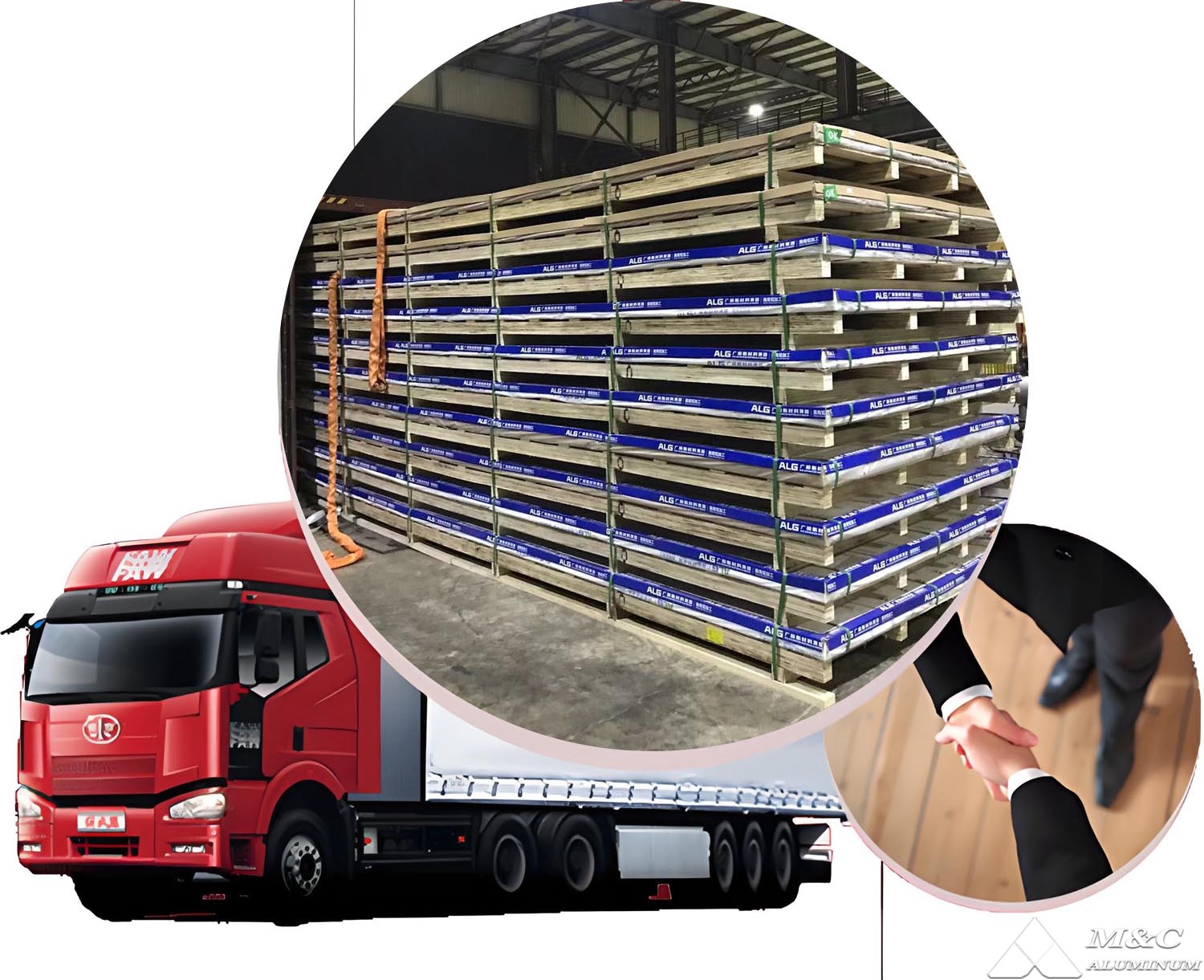
Even when the correct 5083 marine-grade aluminum plate is produced, improper handling may affect final usability. Marine aluminum plates should be packed with moisture-resistant paper, protective film, wooden pallets, or export seaworthy packaging according to order requirements. Plates should be separated to avoid friction during transportation.
During storage, the material should be kept in a dry, ventilated warehouse. Direct contact with rainwater, seawater, acidic substances, or alkaline materials should be avoided. If plates are moved from a cold environment to a warm and humid workshop, condensation may occur. In that case, the package should be opened only after the material temperature stabilizes.
11. Comparison With Other Marine Aluminum Alloys
5083 is not the only marine aluminum alloy, but it is one of the most widely used for structural applications. In some designs, 5086, 5383, 5059, 5754, 6061, or 6082 may also be considered. The correct choice depends on strength, corrosion resistance, extrusion needs, machining, and cost structure. For broader alloy comparison, our Marine Aluminum Alloy product range includes several grades used in shipbuilding and offshore fabrication.
| Alloy | General Strength | Marine Corrosion Resistance | Typical Use |
|---|---|---|---|
| 5052 | Medium | Good | Interior panels, tanks, light marine parts |
| 5083 | High | Excellent | Hulls, decks, welded marine structures |
| 5086 | Medium-high | Excellent | Hull structures and workboats |
| 5383 | High | Excellent | High-performance welded marine structures |
| 5059 | Very high | Excellent | Advanced shipbuilding and defense applications |
| 6061 | Medium-high | Good | Machined parts, fittings, extrusions |
This comparison shows why 5083 is commonly selected for welded structures exposed to seawater. It offers a practical balance of strength, weldability, availability, and proven service experience.
12. Practical Checklist for Buyers and Engineers
When preparing an inquiry or technical purchase specification for 5083 marine-grade aluminum plate, the following items should be confirmed:
Alloy grade: 5083 or project-specific equivalent.
Temper: H116, H321, H111, H112, or O according to application.
Standard: ASTM B928, EN 485, EN 573, or other required specification.
Thickness, width, length, and tolerance requirements.
Mechanical property requirements and test direction.
Corrosion test requirements, if applicable.
Classification society certificate requirement.
Surface quality grade and protective film requirement.
Cutting, bending, rolling, or welding conditions.
Packaging method and destination transportation conditions.
Providing these details at the beginning helps us select the proper production route, avoid unnecessary rework, and ensure that the supplied marine aluminum plate matches the actual shipyard application.
Conclusion
The material selection requirements for 5083 marine-grade aluminum plate are more comprehensive than simply choosing an alloy number. A qualified plate must meet marine chemical composition limits, suitable temper requirements, stable mechanical properties, corrosion resistance expectations, dimensional tolerances, surface quality standards, welding needs, and certification rules.
From our manufacturing experience, H116 and H321 tempers are usually preferred for seawater-exposed structural applications, while O, H111, or H112 may be selected for forming or general fabrication. For shipbuilding and offshore projects, buyers should define the required standard, certificate, plate size, inspection items, and end-use conditions before production. Proper material selection at this stage supports safer fabrication, better corrosion performance, and more reliable long-term service in marine environments.
Original Source: https://www.marinealum.com/a/what-are-the-material-selection-requirements-for-5083-marine-grade-aluminum-plate.html
Tag: 5083 marine-grade aluminum plate 5083 marine aluminum marine aluminum plate aluminum plate for shipbuilding 5083 H116 marine aluminum plate 5083 H321 marine aluminum plate corrosion resistant aluminum plate