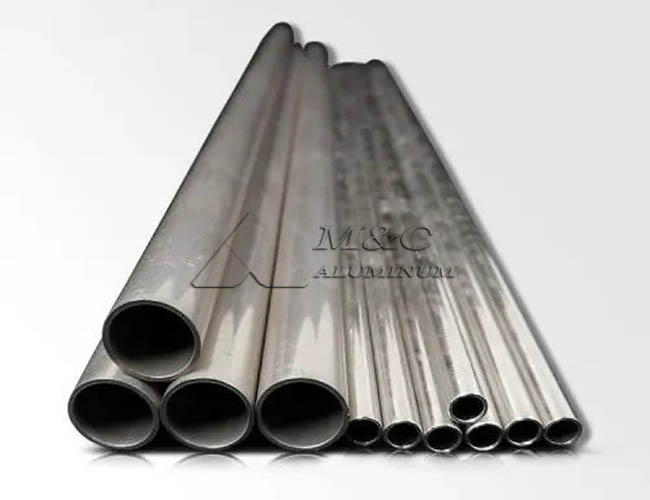
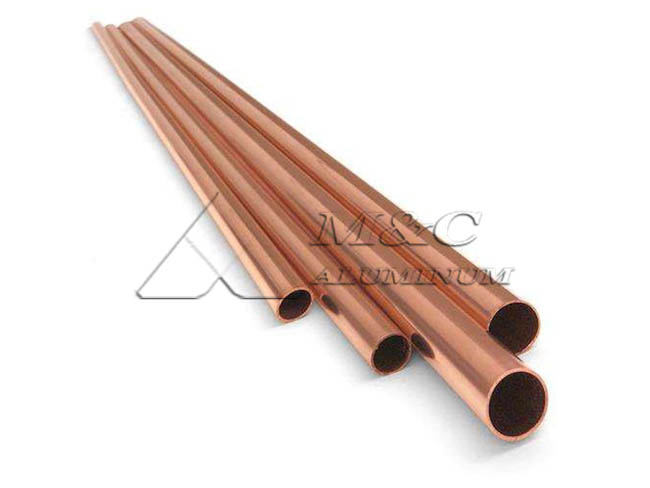
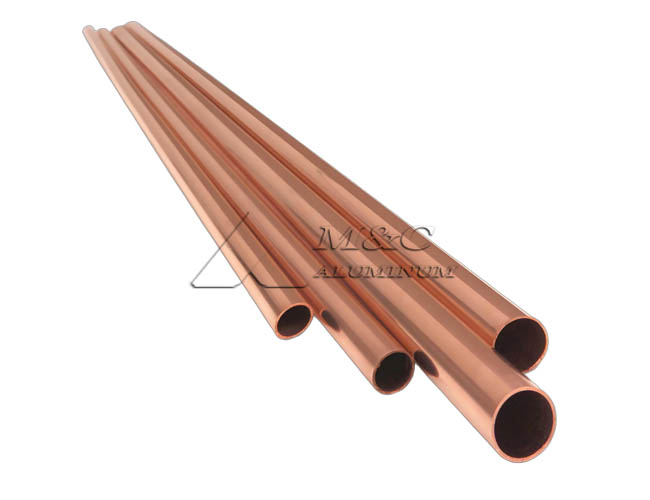
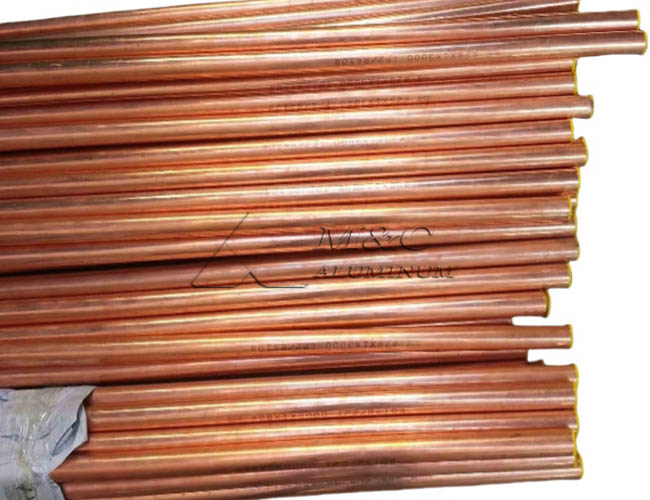
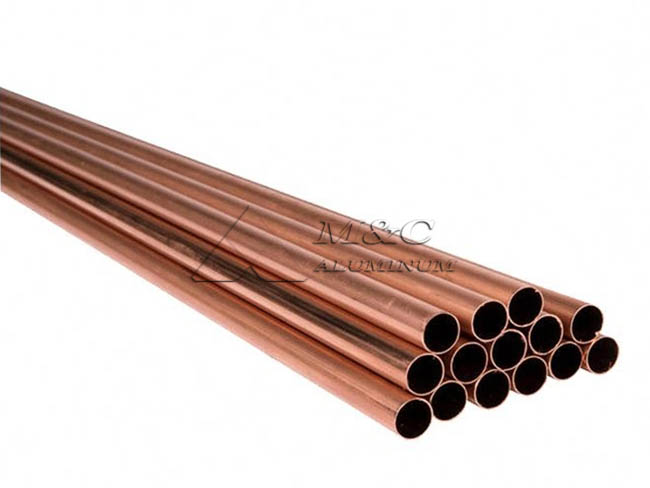
In marine power systems, seawater cooling systems, and shipboard heat exchange equipment, heat exchanger tubes must provide efficient heat transfer while withstanding complex operating conditions, including seawater corrosion, fluid erosion, and temperature fluctuations over extended periods. The choice of pipe material directly affects heat exchanger efficiency, maintenance frequency, operational reliability, and service life.
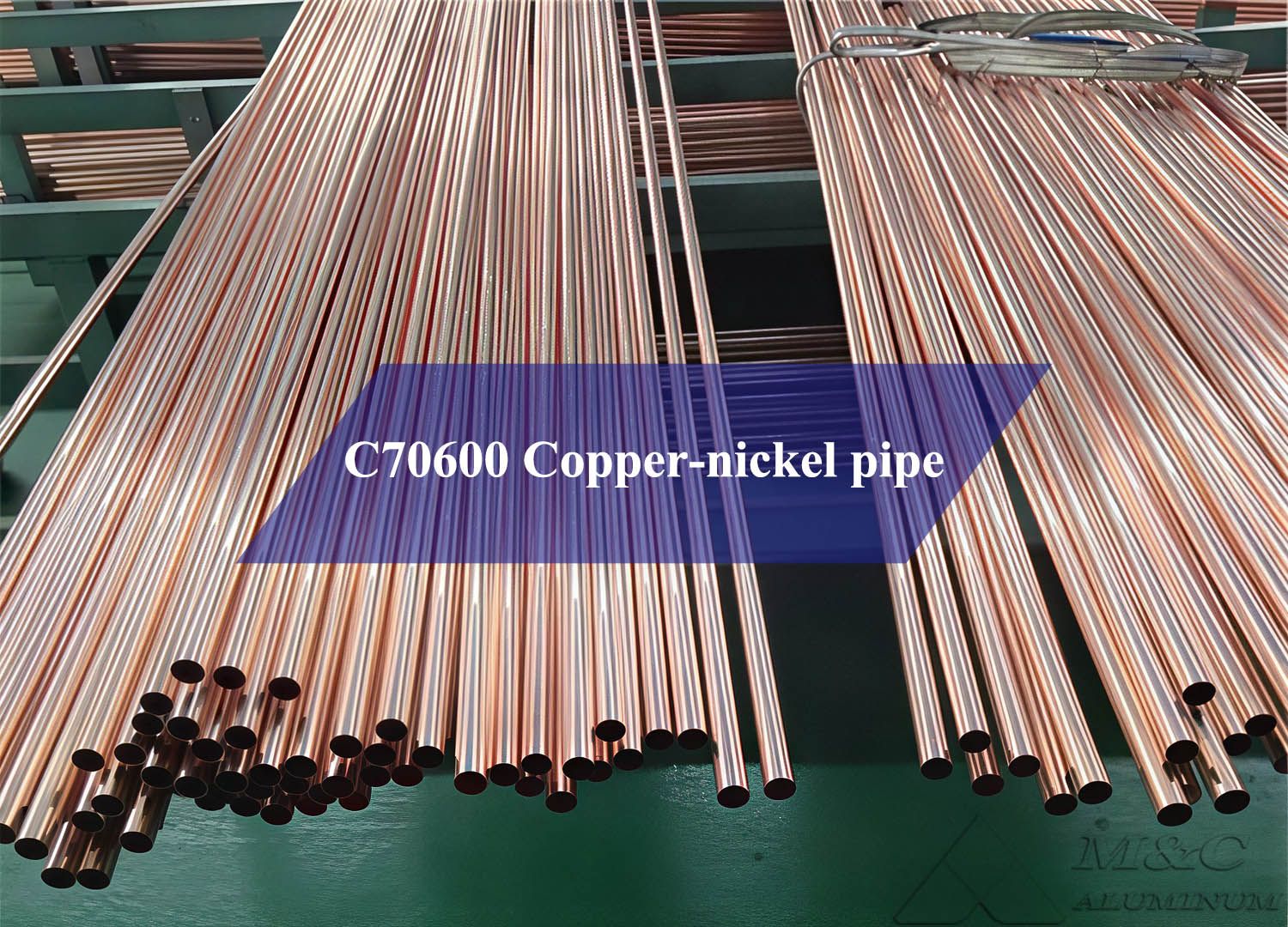
C70600 copper nickel pipe (CuNi 90/10) is a commonly used copper-nickel alloy tube for marine heat exchangers and condensers. Based on approximately 90% copper and 10% nickel, with controlled additions of iron and manganese, this alloy provides excellent corrosion resistance in seawater, strong resistance to erosion-corrosion, and good fabrication performance. It is therefore suitable for a wide range of marine heat transfer equipment.
Understanding C70600 Copper Nickel Pipe
C70600 is a copper-nickel alloy under the UNS designation system and is commonly known as 90/10 copper-nickel alloy. The alloy contains approximately 90% copper and 10% nickel. It also typically contains small amounts of iron and manganese, which further improve corrosion resistance and erosion resistance in seawater environments.
C70600 copper-nickel alloy piping is commonly supplied in accordance with the following standards:
ASTM B111 – Seamless copper and copper-alloy condenser tubes and heat exchanger tubes
ASTM B466 – Seamless copper-nickel pipe and tube
ASTM B467 – Welded copper-nickel pipe
ASME, EN, JIS, and relevant classification society standards
Customer specifications for shipbuilding and offshore engineering projects
Unlike standard copper tubes or brass tubes, C70600 copper-nickel piping does not rely solely on mechanical strength to withstand seawater service. Instead, it forms a stable and dense protective surface film during operation. This protective layer helps reduce material loss caused by seawater corrosion and fluid erosion.
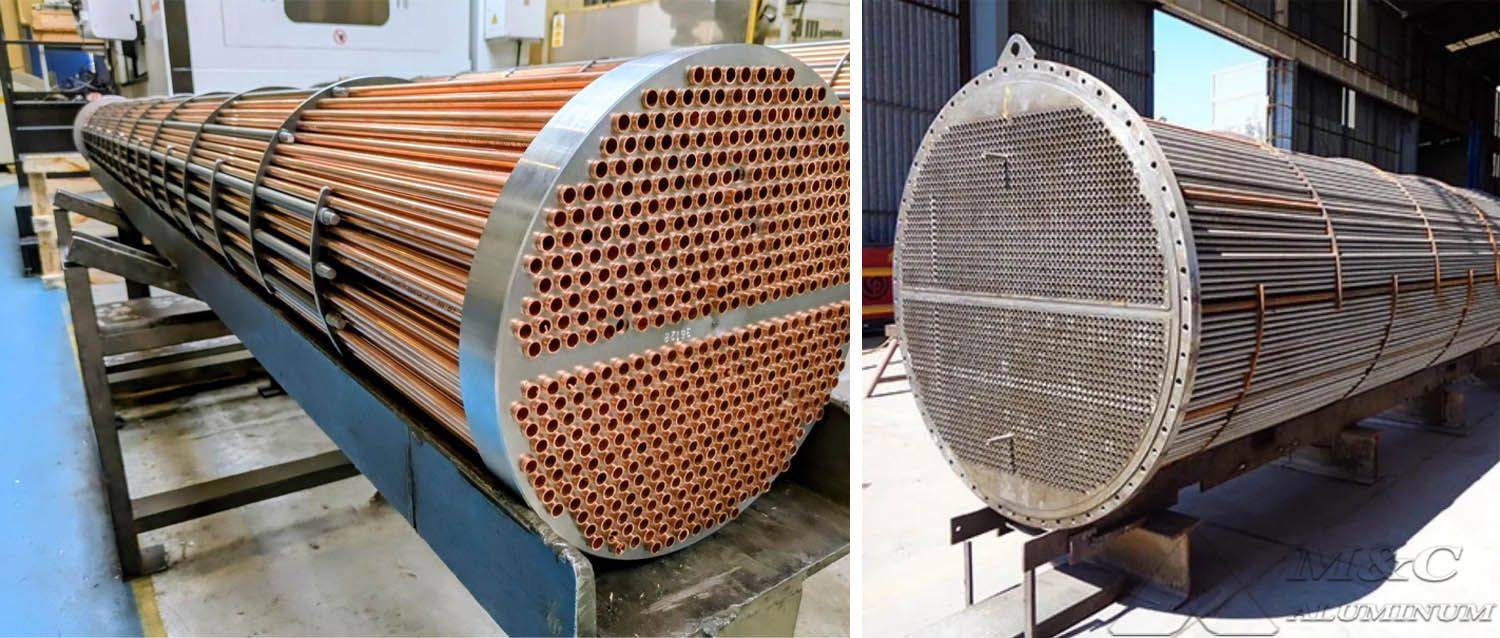
Typical equipment using this material includes marine condensers, central coolers, lubricating oil coolers, engine cooling system heat exchangers, and other heat transfer units using seawater as the cooling medium.
Advantages of C70600 Copper Nickel Pipes in Marine Heat Exchangers
C70600 copper-nickel pipes are widely selected for marine heat exchangers because of the following advantages.
1. Long Service Life
Thanks to their excellent seawater corrosion resistance, C70600 copper-nickel pipes can provide a long service life in marine environments. This reduces replacement frequency and helps lower maintenance costs over the life cycle of the vessel.
2. Efficient Heat Transfer
C70600 offers good thermal conductivity, allowing the heat exchanger to operate efficiently and helping marine engines and auxiliary systems remain within their optimum temperature range.
3. Reduced Maintenance Costs
With strong corrosion resistance, erosion resistance, and stable long-term performance, C70600 copper-nickel pipes can reduce unplanned maintenance, tube bundle replacement, and vessel downtime.
4. Environmentally Responsible Material
Copper-nickel alloy is recyclable. Its long service life and recyclability can help reduce material consumption and the environmental impact associated with frequent replacement.
Marine C70600 Copper Nickel Pipe Specifications
| Item | Specification |
| UNS Grade | C70600 |
| Alloy Type | CuNi 90/10, 90/10 Copper-Nickel Alloy |
| Main Composition | Copper balance, nickel approximately 9%–11%, iron approximately 1%–1.8% |
| Temper | Annealed (O61), light drawn (H55), hard drawn (H80) |
| Tube Size Range | Outside diameter from 1/4 in. to 2-1/2 in.; wall thickness from 0.020 in. to 0.109 in. |
| Pipe Size Range | Nominal pipe size from 1/4 in. to 1-1/2 in.; larger pipe sizes are also available |
| Typical Services | Seawater piping, marine condensers, compressor skid coolers, seawater desalination systems |
Properties and metrics
Properties * | Metric | English |
| Density | 8.94 g/cm | 0.301 lb/in³ |
Tensile strength | 345 MPa | 50 ksi |
Yield strengt | 125MPa | 18 ksi |
CTE, linear | 17.7 10-6/°C @ 20 – 300° | 9.5 10-6/°F @ 70 – 570°F |
Specific heat capacit | 0.09 cal/g-°C @ 20ºC | 0.09 BTU/lb-°F @ 70ºF |
Thermal conductivity | 45 W/m-K @ 20°C | 26 BTU/ft2/ft/h/°F @ 70°F |
Melting point | 1099 – 1149° | 2010 – 2100°F |
Typical Applications of C70600 Copper Nickel Pipes
Marine C70600 copper-nickel pipes are widely used in various types of shipboard heat exchangers, including:
Marine Engine Cooling Systems
Used in engine cooling water circulation systems to maintain stable operating temperatures and ensure reliable engine performance.
Marine Fuel Oil Preheaters
Used for heating fuel oil before combustion, helping improve fuel flow characteristics and combustion efficiency.
Marine Boiler Water Circulation Systems
Used in boiler water circulation and auxiliary heat exchange systems to support safe and efficient boiler operation.
Marine Air-Conditioning Systems
Used in seawater-cooled air-conditioning and refrigeration systems for cooling water circulation and heat rejection.
Other Seawater Heat Transfer Equipment
C70600 copper-nickel tubes are also suitable for central coolers, lube oil coolers, freshwater coolers, evaporators, condensers, seawater desalination equipment, and offshore cooling systems.
How to Extend the Service Life of Marine C70600 Copper Nickel Pipes ?
High-quality tube material is only one factor in ensuring reliable heat exchanger performance. Proper system design, operation, and maintenance are equally important.
Control Seawater Flow Velocity
Avoid excessive local flow velocity, sharp flow direction changes, and poorly designed flow passages that may cause localized erosion or erosion-corrosion.
Minimize the Entry of Suspended Solids
Install suitable filtration equipment to reduce abrasion caused by sand, silt, shell fragments, and suspended particles in seawater.
Inspect Tube Bundles Regularly
Monitor for leakage, scaling, corrosion, fouling, and abnormal pressure drop. Early inspection and maintenance can prevent minor problems from developing into major failures.
Perform Proper Shutdown Maintenance
During extended shutdowns, drain, flush, clean, or preserve the seawater side of the system as required. This helps prevent risks associated with stagnant seawater and deposits inside the tubes.
Use Appropriate Cleaning Methods
Avoid cleaning methods that may damage the tube wall or destroy the protective surface film. Mechanical and chemical cleaning procedures should be compatible with copper-nickel alloy materials.
These measures help maintain heat transfer efficiency, reduce unexpected repairs, and minimize the impact of equipment failure on normal vessel operation.
Key Purchasing and Quality Control Requirements for High-Quality C70600 Copper Nickel Pipes
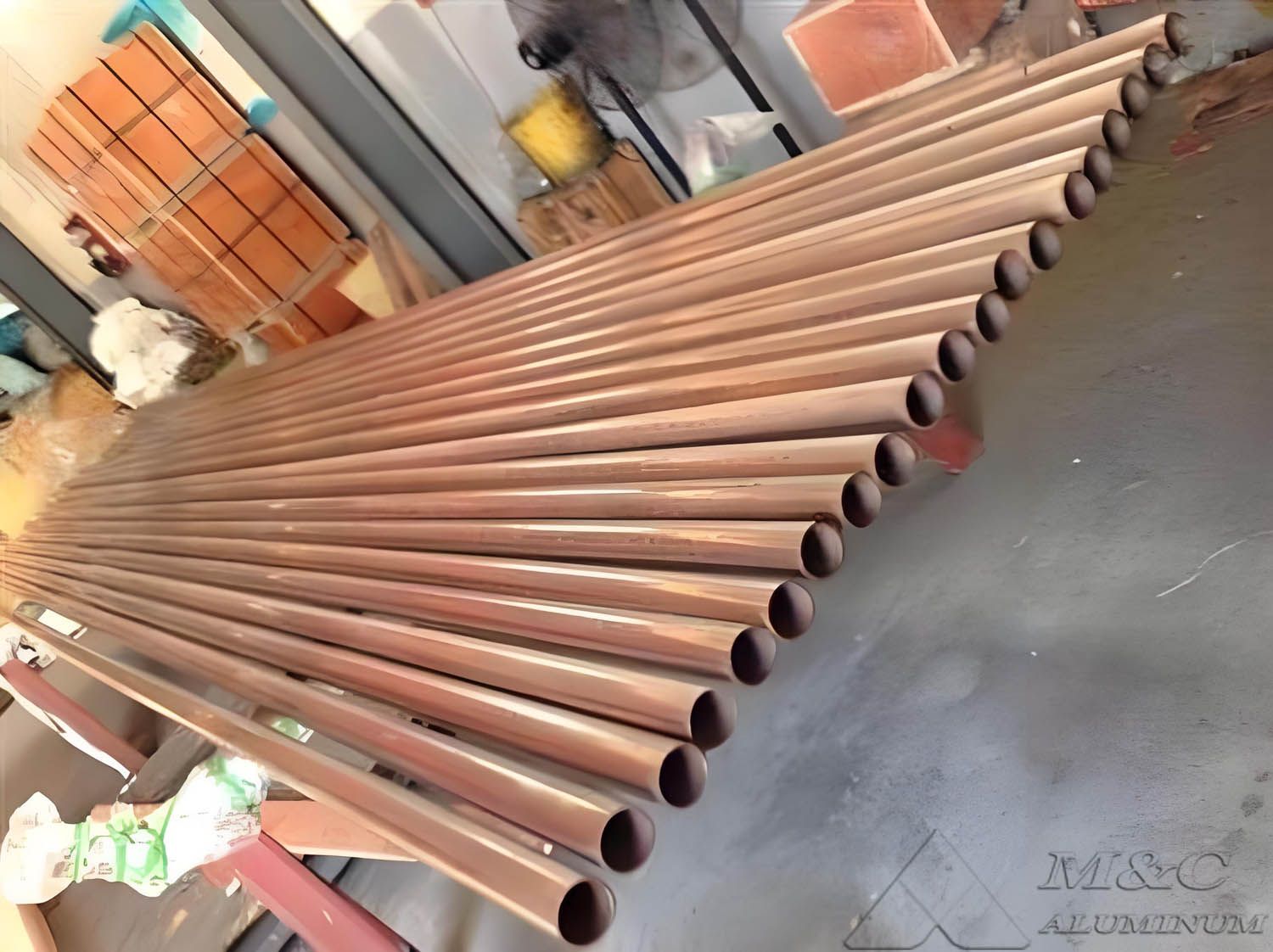
To ensure reliable operation of marine heat exchangers under demanding offshore conditions, purchasing and engineering teams should pay close attention to the following requirements when selecting C70600 copper-nickel pipes.
Compliance with Applicable Standards
Materials should comply with recognized standards, such as:
ASTM B466 / ASME SB466 for seamless copper-nickel pipe and tube;
ASTM B111 for seamless condenser and heat exchanger tubes;
Relevant classification society requirements, including ABS, DNV, CCS, or other project-specific approvals.
For projects requiring ABS certification, the required documentation, inspection scope, and material traceability requirements should be confirmed before placing the order.
Non-Destructive Testing
High-quality tubes should undergo strict inspection before delivery. Common testing requirements include:
Eddy current testing;
Hydrostatic testing;
Dimensional inspection;
Visual surface inspection;
Chemical composition verification;
Mechanical property testing.
These inspections help identify small defects such as pinholes, cracks, inclusions, and wall-thickness inconsistencies before the tubes are installed in critical marine equipment.
Dimensional Accuracy
Outside diameter and wall thickness tolerances must be tightly controlled to ensure smooth tube insertion into tube sheets and secure tube expansion or welding during heat exchanger fabrication.
Surface Quality and Cleanliness
The inner and outer surfaces should be clean and free from defects that could affect performance, including deep scratches, dents, cracks, excessive oxidation, contamination, and defects that may interfere with tube expansion or heat transfer.
What should be included in a C70600 inquiry?
Tubing or piping; outside diameter and wall thickness (or nominal diameter and wall thickness class); hardness; length; quantity; applicable specifications and grades (for MIL-T-16420K, please specify Class 200 through 6000); any bending or U-bend requirements; and the levels of non-destructive testing and certification required by your customer.
Original Source: https://www.marinealum.com/a/abs-certified-c70600-copper-nickel-pipes-for-marine-heat-exchangers.html
Tag: ABS Certified C70600 Copper Nickel Pipe Marine C70600 Copper Nickel Pipe C70600 Copper Nickel Pipe 90/10 Copper Nickel Pipe C70600 Seamless Copper Nickel Pipe CuNi 90/10 Pipe C70600 Copper Nickel Pipe Manufacturer