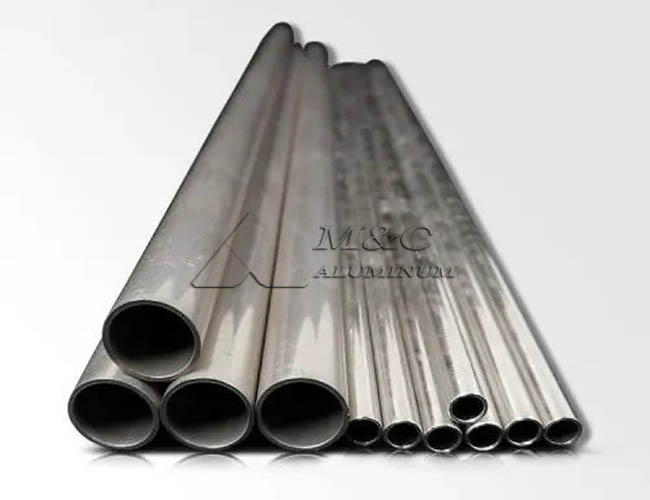
In offshore oil and gas development, offshore wind power projects, Floating Production Storage and Offloading units (FPSOs), and other marine engineering platforms, piping systems are continuously exposed to harsh conditions, including salt spray, high humidity, seawater erosion, marine biofouling, and corrosion from complex media. Seawater cooling, fire protection, ballast, desalination, and process heat-exchange systems in particular place extremely high demands on pipe corrosion resistance, service life, and operational safety.
Among the materials used in marine engineering piping systems, C70600 90/10 copper nickel pipe has become one of the key material choices for offshore seawater systems due to its excellent seawater corrosion resistance, strong erosion-corrosion resistance, relatively high strength, and reliable weldability.
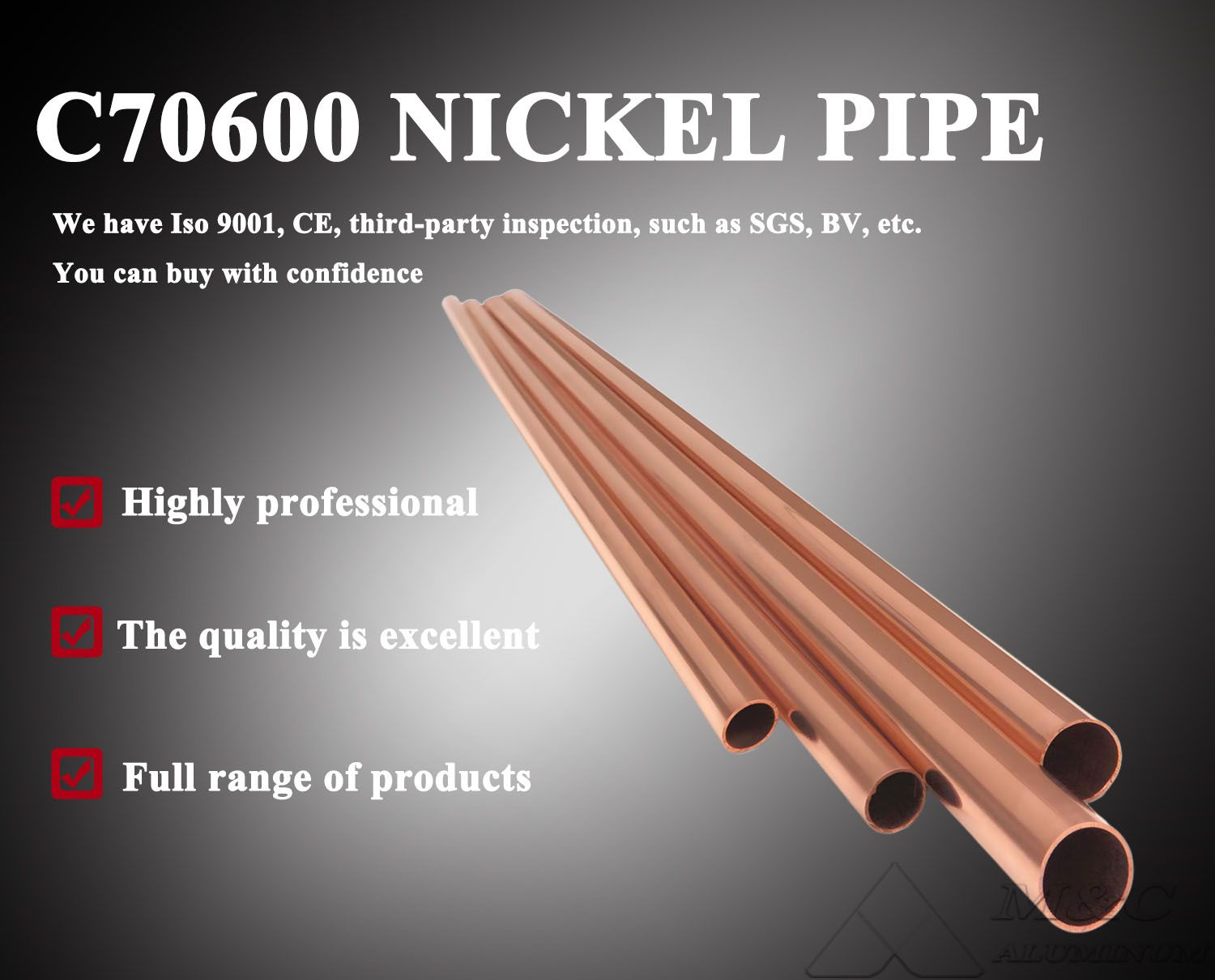
What Is 90/10 Copper Nickel Pipe?
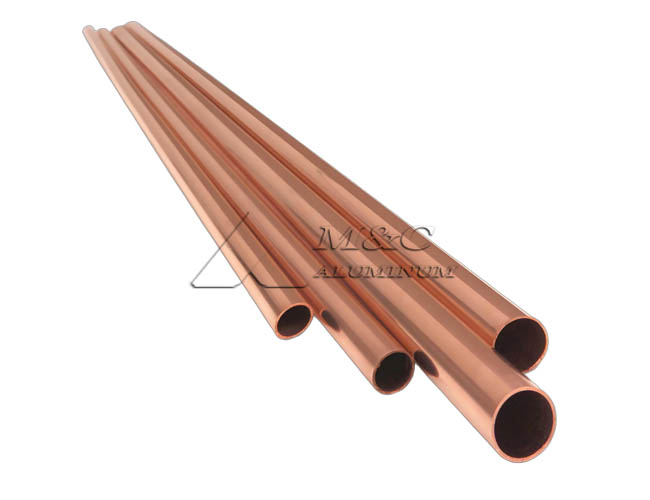
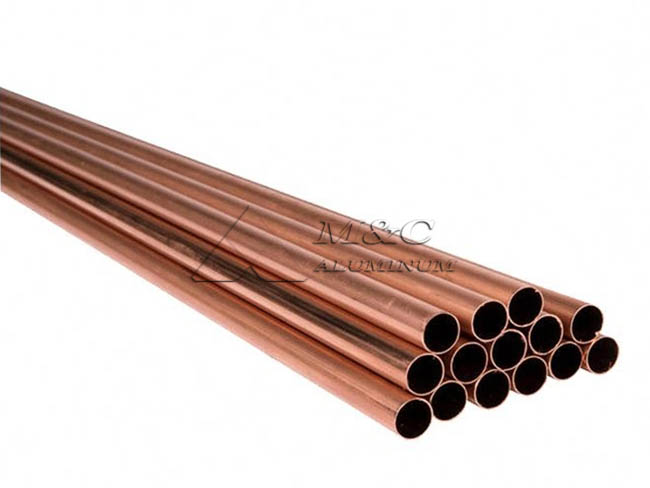
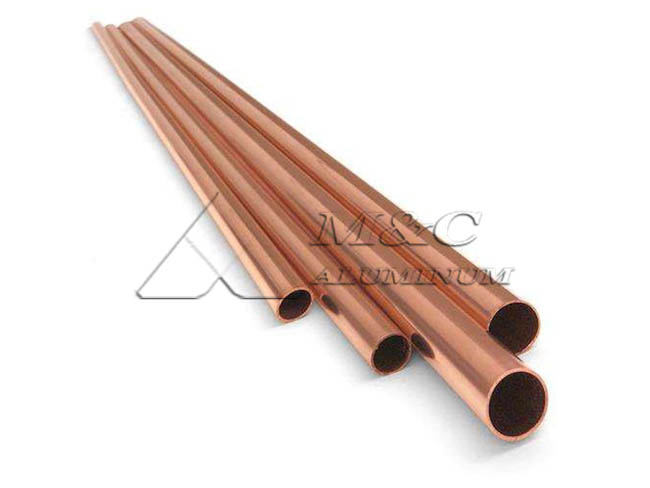
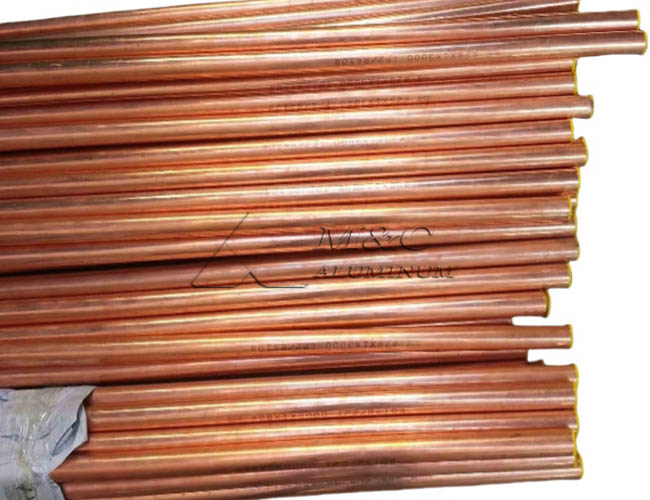
90/10 copper nickel pipe is mainly composed of copper and nickel, with small additions of iron, manganese, and other elements. Its typical grade is UNS C70600, and common names include:
90/10 Copper Nickel Pipe
90/10 Cu-Ni Pipe
C70600 Copper Nickel Pipe
CuNi 90/10 Pipe
Copper-Nickel Alloy Pipe
The term “90/10” refers to the approximate main alloy composition: about 90% copper and 10% nickel.
Compared with ordinary carbon steel pipe or certain stainless steel pipes, 90/10 copper nickel alloy can form a protective surface film in seawater environments. This film enables the material to maintain excellent corrosion resistance during long-term exposure to seawater.
Therefore, C70600 does not rely solely on alloy content to resist corrosion. Its long-term performance results from the combined effects of the alloy’s inherent corrosion resistance and the formation of a stable protective surface film.
Large Diameter 90/10 Copper Nickel Pipe: Manufacturing, Standards, and Installation
1. Definition and Manufacturing Methods for Large Diameter Pipe
In offshore platform applications, "large diameter" copper nickel piping generally refers to pipe with a nominal diameter of 10 inches (254 mm) or larger. According to CNOOC procurement practices, pipes with diameters of 10 inches and below are generally supplied as seamless pipes, while pipes above 10 inches may be supplied as welded pipes.
For welded pipes, a single longitudinal straight weld is commonly used. The welding process may involve electric fusion welding with filler metal, followed by 100% radiographic examination of the weld seam.
From a manufacturing perspective, seamless copper nickel pipes are produced through hot extrusion or piercing, followed by cold working and annealing, resulting in a uniform wrought structure. Welded pipes are manufactured from plate or strip that is formed into a tubular shape and then joined by forge welding or fusion welding.
For extra-large-diameter pipelines, such as those exceeding 400 mm in diameter, plate rolling methods may also be used. The maximum outside diameter can reach up to 1.37 meters.
2. EEMUA 234: A Key Standard for Offshore Platform Applications
For 90/10 copper nickel pipe used on offshore platforms, EEMUA 234 is one of the most important dedicated standards. Published by the Engineering Equipment and Materials Users’ Association, this standard provides comprehensive requirements for copper nickel piping used in offshore and related piping installations.
It covers a complete range of components, including seamless pipes, welded pipes, flanges, fittings, and other piping accessories.
Regarding dimensions and pressure ranges, EEMUA 234 specifies welded pipe sizes from 6 inches (159 mm) to 36 inches (914 mm). For temperatures from -29°C to +75°C, the maximum design pressure is 16 bar. For temperatures from -29°C to +38°C, the maximum design pressure is 20 bar.
In addition, ASTM B466 for seamless copper nickel pipe and ASTM B467 for welded copper nickel pipe are commonly used supporting standards.
Notably, EEMUA 234 also covers composite weld-neck flanges, integral copper nickel flanges, butt-weld fittings, socket-weld fittings, brazed fittings, and self-reinforced branch connections. This provides designers with a complete piping system solution.
3. Key Welding Considerations
Welding large diameter copper nickel pipe is a critical part of offshore engineering installation. The following are several key requirements:
Welding method:
Gas Tungsten Arc Welding (GTAW/TIG) is generally the preferred method. It is commonly performed using DC electrode negative polarity, thoriated tungsten electrodes, and pure argon shielding gas at 10–20 CFH. For large-diameter piping, automatic or orbital welding may also be used to improve productivity and weld consistency.
Groove design:
For wall thicknesses not exceeding 2.5 mm, square butt joints without beveling may be used, with a root gap controlled at 0–1 mm. For wall thicknesses greater than 2.5 mm, a Y-groove should be prepared. The number of tack welds should be limited, generally to 3–4 points, with each tack weld approximately 10–15 mm long. After tack welding, oxidation products should be cleaned again using a stainless steel wire brush.
Pre-weld preparation:
Copper nickel alloys require a higher level of cleanliness than steel materials. Before welding, oil, grease, oxides, and other contaminants must be thoroughly removed from both sides of the groove. Preheating is generally not required, but interpass temperature must be strictly controlled.
Filler metal selection:
70/30 copper nickel filler metal is commonly recommended for welding 90/10 copper nickel alloys because of its excellent deposit characteristics and corrosion resistance that is at least equivalent to that of the base material.
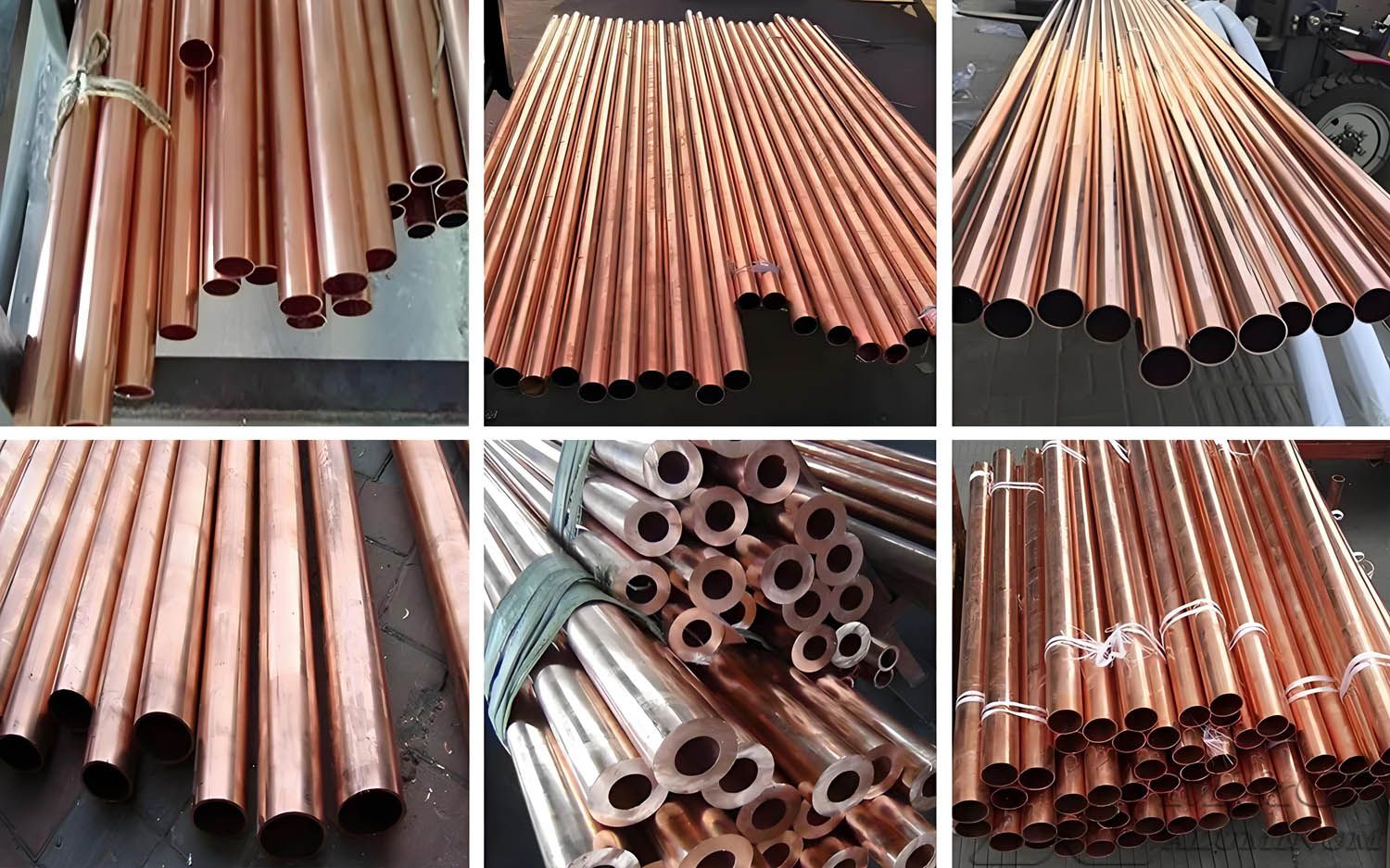
Applications of Large Diameter 90/10 Copper Nickel Pipe on Offshore Platforms
Offshore platform piping systems are complex and typically involve seawater intake, circulating cooling, fire protection, ballast, domestic water treatment, and equipment heat exchange. Large diameter copper nickel pipes are mainly used for main lines and branch lines where high flow capacity and long-term system reliability are required.
Typical applications include the following:
1. Seawater Cooling Systems
Diesel generators, compressors, pumps, heat exchangers, and other power equipment on offshore platforms require seawater circulation for cooling. C70600 copper nickel pipe can effectively resist corrosion and erosion under natural seawater and circulating seawater conditions at appropriate flow velocities.
2. Firewater Piping Systems
Offshore platform fire protection systems must remain reliable over long periods and must be capable of delivering large volumes of seawater rapidly in emergency situations. Large diameter C70600 copper nickel pipe offers excellent seawater corrosion resistance and structural stability, making it suitable for firewater mains, ring main systems, and pump room connecting pipelines.
3. Ballast Water Systems
Floating platforms, offshore vessels, and FPSOs are commonly equipped with ballast water systems to adjust draft, stability, and load balance. Ballast water has high salinity, fluctuating oxygen levels, and may contain sediment and microorganisms, all of which create demanding corrosion conditions for piping materials.
4. Seawater Desalination and Water Supply Systems
On offshore platforms, fresh water is often produced by seawater desalination equipment. 90/10 copper nickel pipe can be used in seawater pretreatment, evaporation, condensation, and associated transfer piping, helping provide a reliable water supply for offshore living and production operations.
5. Heat Exchanger and Equipment Connection Piping
Copper nickel alloys offer good thermal conductivity as well as excellent seawater corrosion resistance. They are therefore widely used in condensers, evaporators, heat exchangers, and connecting piping systems. For high-flow heat exchange systems, large diameter copper nickel pipe can provide both efficient fluid transfer and long-term durability.
Main Advantages of 90/10 Copper Nickel Pipe in Seawater Environments
Excellent Seawater Corrosion Resistance: In seawater environments, 90/10 copper nickel alloy forms a dense and stable protective film that effectively resists attack from chloride ions, dissolved oxygen, and other corrosive components. It offers strong resistance to both general corrosion and localized corrosion, providing greater stability than ordinary carbon steel pipe and some stainless steel grades.
Strong Resistance to Erosion-Corrosion: 90/10 copper nickel pipe is suitable for high-velocity seawater service. It performs particularly well at pump outlets, elbows, tees, valves, reducers, and other areas prone to turbulence. Its ability to resist erosion, wall thinning, and perforation makes it highly suitable for large diameter seawater main pipelines.
Resistance to Marine Biofouling: Copper nickel alloys have natural resistance to marine biofouling and can help inhibit the attachment of algae, barnacles, shellfish, and other marine organisms. This reduces flow restriction, heat-transfer efficiency losses, and the risk of localized corrosion, thereby lowering maintenance requirements.
Good Weldability and Fabrication Performance: 90/10 copper nickel pipe is suitable for on-site cutting, beveling, butt welding, flange connection, and support installation. Matching copper nickel welding consumables should be used, while pre-weld cleaning, heat input, and post-weld inspection must be properly controlled.
Long Service Life and Lower Life-Cycle Cost: Although the initial purchase cost of 90/10 copper nickel pipe is generally higher than that of carbon steel pipe, it offers superior corrosion resistance, reduced maintenance requirements, and lower downtime risk. Its overall life-cycle cost is often more favorable, especially for offshore platforms where maintenance is difficult and continuous operation is essential.
Common Applicable Standards
90/10 copper nickel pipe can be manufactured and inspected in accordance with various international standards, including:
ASTM B111: Standard Specification for Copper and Copper-Alloy Seamless Condenser Tubes and Ferrule Stock
ASTM B466 / B466M: Standard Specification for Seamless Copper-Nickel Pipe and Tube
ASTM B543: Standard Specification for Welded Copper and Copper-Alloy Pressure Pipe
EN 12451: Copper and Copper Alloys — Seamless Round Tubes for Heat Exchangers
EN 12449: Copper and Copper Alloys — Seamless Round Tubes for General Purposes
BS 2871: Copper and Copper Alloys — Tubes
MIL-C-15726: Military Specification for Copper-Nickel Alloy Pipe
NORSOK, DNV, ABS, Lloyd’s Register, and other offshore engineering specifications
Key Parameters to Consider When Selecting Large Diameter C70600 Copper Nickel Pipe
When purchasing 90/10 copper nickel pipe for offshore platforms, it is not enough to focus only on the C70600 material grade. The required dimensions and technical specifications should be determined based on the actual project design.
1. Outside Diameter and Wall Thickness
The outside diameter and wall thickness of large diameter copper nickel pipe should be selected based on project flow rate, design pressure, operating temperature, fluid velocity, and connection method.
For seawater main piping, the following factors should be considered together:
Design pressure + Flow rate + Flow velocity + Corrosion allowance + Pipe connection method
Pipe dimensions should not be selected based on diameter alone.
2. Pipe Length
Large projects may require longer single pipe lengths in order to reduce the number of field welds.
Suppliers can provide fixed-length pipes according to project requirements, while considering transportation restrictions and practical handling conditions to determine a suitable length for each pipe section.
3. Pipe Standards
C70600 copper nickel pipe may be supplied in accordance with relevant ASTM, ASME, or project-specific technical requirements, such as:
ASTM B466: Seamless Copper-Nickel Pipe and Tube
ASTM B543: Welded Copper and Copper-Alloy Pressure Pipe
Relevant ASME piping design codes
Classification society rules or offshore engineering project specifications
The applicable standard should be selected based on the intended service, manufacturing method, and engineering design documentation.
4. Connection Methods
Large diameter seawater piping systems generally need to consider:
Butt-weld connections
Flanged connections
Welded fittings
Elbows
Tees
Reducers
C70600 copper nickel flanges
Where flanged connections are used, it is important to ensure good material compatibility among the pipe, flanges, fittings, and associated components.
Original Source: https://www.marinealum.com/a/large-diameter-9010-copper-nickel-pipe-for-offshore-platforms.html
Tag: 90/10 Copper Nickel Pipe C70600 Copper Nickel Seamless Pipe Marine Grade Copper Nickel Pipe C70600 Seamless Pipe CuNi 90/10 Seamless Pipe ASTM B466 C70600 Copper Nickel Pipe CuNi 90/10 Pipe Large Diameter 90/10 Copper Nickel Pipe Large Diameter C7