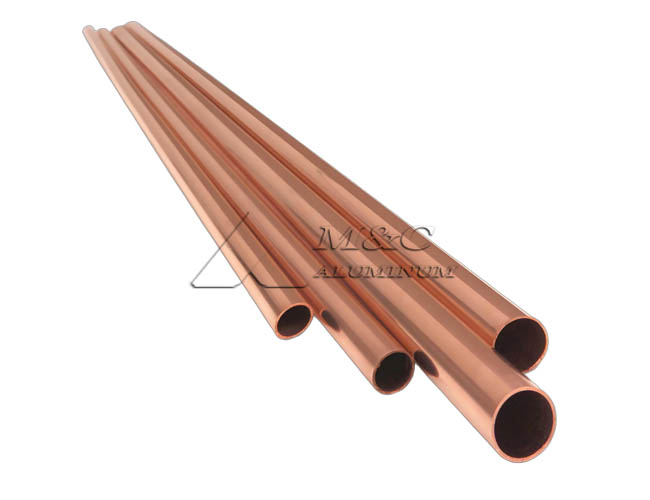
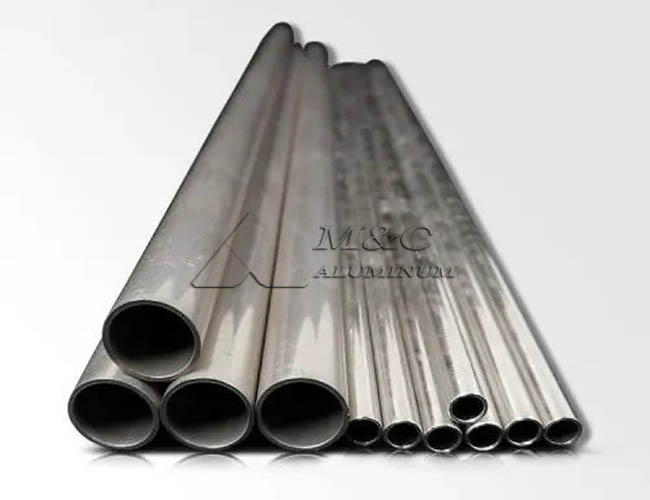
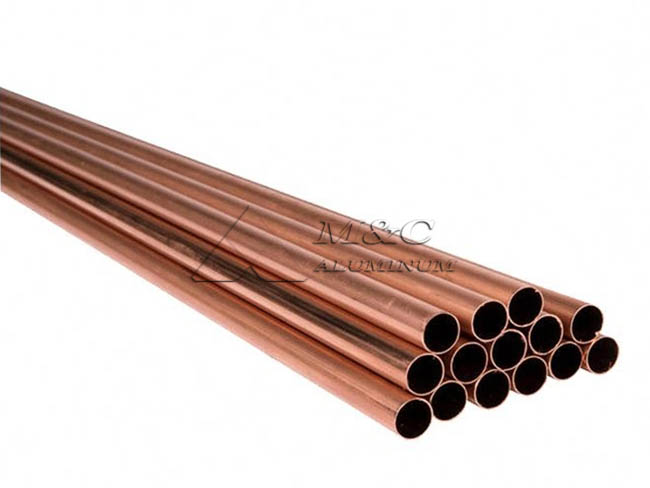
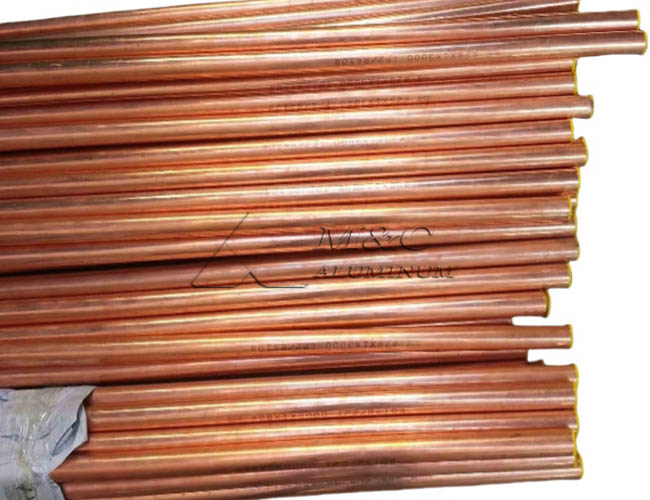
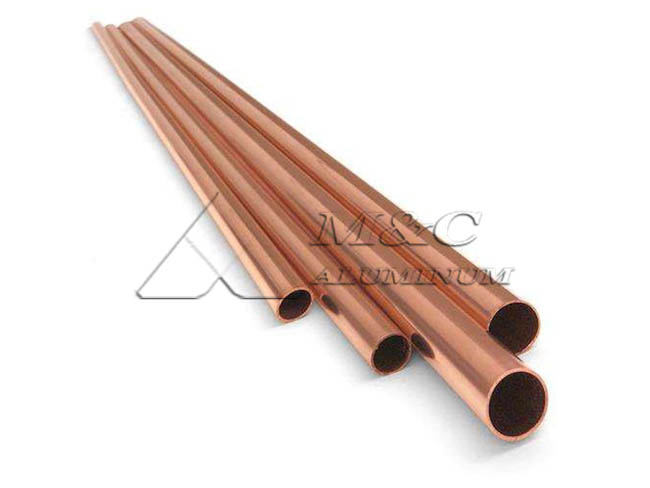
In shipbuilding, offshore engineering, and seawater desalination industries, C70600 90/10 copper-nickel alloy pipe and tube is widely recognized as a preferred material for seawater systems and heat-transfer equipment.
Thanks to its excellent resistance to seawater corrosion, strong resistance to biofouling, good erosion-corrosion resistance, and reliable weldability, C70600 is extensively used in marine piping systems, condensers, heat exchangers, ballast water systems, and offshore facilities.
For engineers, buyers, and project contractors, two commonly referenced standards are ASTM B111/B111M and ASTM B466/B466M. Both standards can cover C70600 copper-nickel alloy products, but they are intended for different product forms and service applications.
This article explains the key differences between ASTM B111 and ASTM B466 for C70600 marine copper-nickel pipe and tube.
Product Overview: What Is C70600 Copper-Nickel Alloy?
C70600, also known as 90/10 copper-nickel alloy, is a copper-based alloy containing approximately 90% copper and 10% nickel, with controlled additions of iron and manganese.
Its typical chemical composition includes:
Nickel (Ni): 9.0%–11.0%
Iron (Fe): 1.0%–1.8%
Manganese (Mn): up to approximately 1.0%
Copper (Cu): balance
The addition of iron significantly improves resistance to erosion-corrosion in high-velocity seawater service, while manganese contributes to alloy stability and processing characteristics.
When exposed to seawater, C70600 develops a stable and protective surface film. This film helps the alloy resist corrosion and makes it highly suitable for long-term marine service.
Main Advantages of C70600 Copper-Nickel Pipe and Tube
Excellent seawater corrosion resistance
Good resistance to pitting, crevice corrosion, and erosion-corrosion
Strong resistance to marine biofouling
Good weldability and fabricability
Good thermal conductivity
Reliable mechanical properties
Long service life and low maintenance requirements
For these reasons, C70600 copper-nickel alloy is widely used in shipboard seawater systems, naval vessels, offshore platforms, condensers, heat exchangers, desalination units, and marine cooling systems.
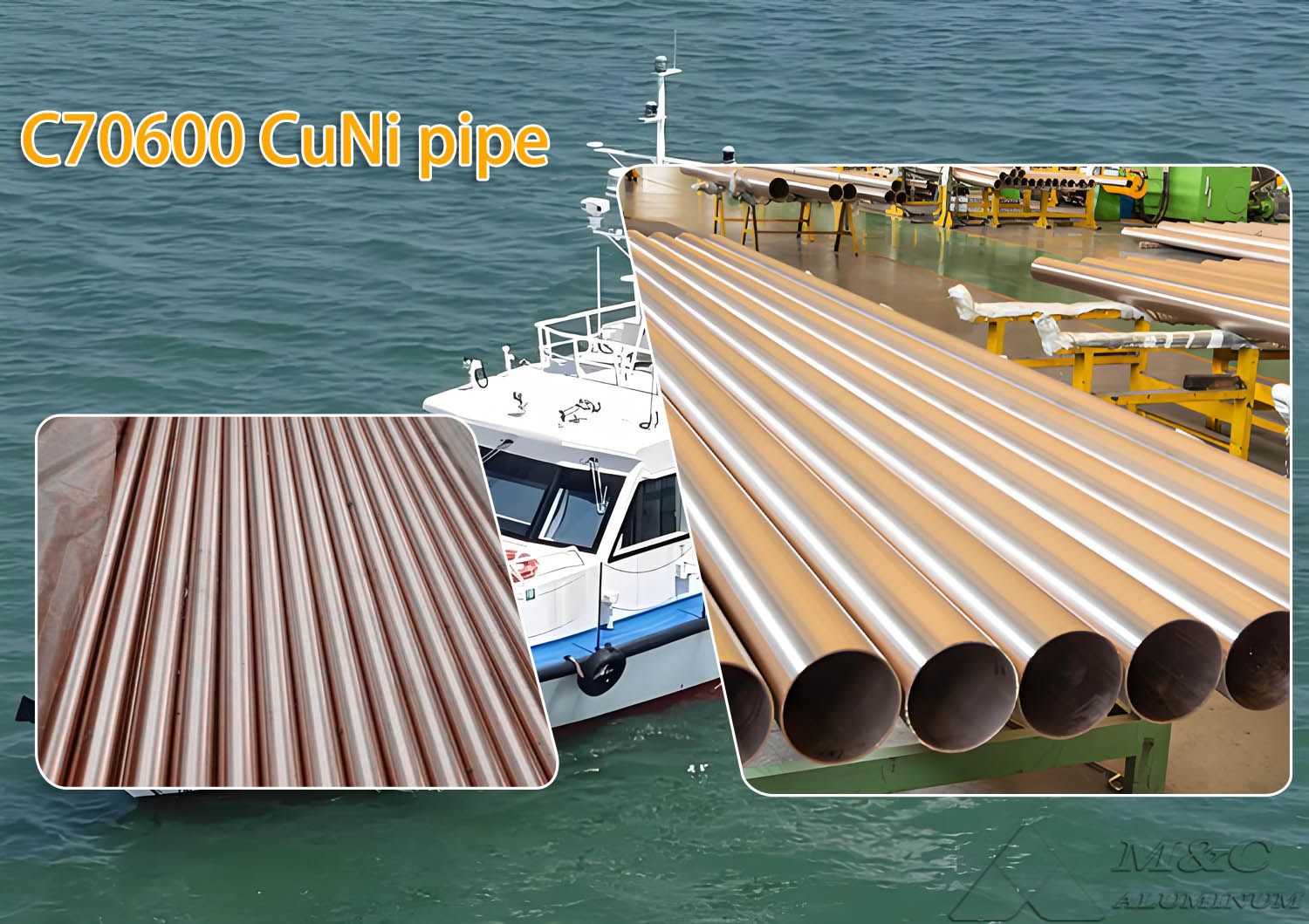
Introduction to ASTM B111
ASTM B111/B111M is the international standard for seamless copper and copper-alloy condenser and heat exchanger tubes.
This standard focuses on the tube bundles within heat exchange equipment; specifically, it covers seamless tubing designed for use in units such as condensers, evaporators, oil coolers, and heaters.
Introduction to ASTM B466
ASTM B466/B466M is the standard for seamless copper-nickel pipe and tube.
This standard is oriented more towards general engineering applications and structural piping; it is widely used in marine seawater piping systems, fire protection networks, ballast water systems, and industrial fluid transport mains.
ASTM B111 vs. ASTM B466 for C70600 Copper-Nickel Products
1. Main Product Application
The most important difference between ASTM B111 and ASTM B466 is the intended application.
ASTM B111: Heat Exchanger and Condenser Tubes
ASTM B111 is designed primarily for seamless tubes used in heat-transfer equipment. These tubes are typically installed inside heat exchangers and may be expanded into tube sheets.
Common applications include:
Condenser tubes
Evaporator tubes
Shell-and-tube heat exchangers
Oil cooler tubes
Seawater cooling units
Power plant condenser systems
Marine heat exchangers
The main design priorities are dimensional consistency, clean internal and external surfaces, formability, and reliable heat-transfer performance.
ASTM B466: Marine and Industrial Piping
ASTM B466 is designed for seamless copper-nickel pipe and tube used in pressure piping and fluid-transfer systems.
Common applications include:
Marine seawater piping
Shipboard cooling-water lines
Firefighting pipelines
Ballast water systems
Offshore engineering pipelines
Seawater desalination piping
Industrial process piping
The main design priorities are pressure service, corrosion resistance, weldability, pipe dimensions, and long-term piping reliability.
2. Manufacturing Focus
Both ASTM B111 and ASTM B466 generally apply to seamless copper-nickel products. However, the manufacturing focus differs based on the intended end use.
ASTM B111
ASTM B111 heat-exchanger tubing is commonly produced through cold-working and annealing processes to achieve:
Good dimensional accuracy
Smooth internal and external surfaces
Reliable tube expansion properties
Good formability for bending and fabrication
Compatibility with tube-sheet installation
Consistent performance in heat-transfer service
ASTM B466
ASTM B466 seamless pipe and tube may be supplied in a wider range of dimensions suitable for piping systems. The product is intended to provide:
Reliable pressure performance
Good welding compatibility
Suitable wall thickness for piping applications
Corrosion resistance in seawater and industrial fluids
Mechanical integrity for long-term service
3. Chemical Composition Requirements
Both ASTM B111 and ASTM B466 may cover UNS C70600, commonly known as 90/10 copper-nickel alloy.
The chemical composition limits for C70600 are established by the applicable standard and should be verified against the specific edition of the ASTM specification referenced in the purchase order or project documentation.
C70600 generally contains approximately:
| Element | Typical Range |
| Copper (Cu) | Balance |
| Nickel (Ni) | 9.0%–11.0% |
| Iron (Fe) | 1.0%–1.8% |
| Manganese (Mn) | Up to approximately 1.0% |
It is important to note that the chemical composition of C70600 is fundamentally associated with the UNS alloy designation itself. The major distinction between ASTM B111 and ASTM B466 is not that one standard uses a substantially different C70600 chemistry, but rather that the standards cover different product forms, dimensions, testing requirements, and intended applications.
4. Mechanical Properties
Mechanical property requirements depend on factors such as product dimensions, temper, manufacturing condition, and the specific ASTM edition.
In general, C70600 seamless pipe and tube provides a useful balance of strength, ductility, and corrosion resistance for marine service.
Typical properties of annealed C70600 copper-nickel alloy may include:
| Property | Typical Value Range |
| Tensile Strength | Approximately 275–380 MPa |
| Yield Strength | Depends on temper and dimensions |
| Elongation | Generally good, especially in annealed condition |
| Thermal Conductivity | Lower than pure copper but suitable for heat-transfer applications |
| Seawater Corrosion Resistance | Excellent |
Actual acceptance values must always be based on the applicable ASTM specification, material temper, nominal dimensions, and purchase order requirements.
5. Dimensions and Tolerances
ASTM B111 Dimensions
ASTM B111 is commonly used for relatively smaller-diameter condenser and heat-exchanger tubes. Dimensions are typically specified by:
Outside diameter
Wall thickness
Length
Temper
Alloy designation
Straight length or U-bend requirements, if applicable
Because these tubes are used in heat exchangers, dimensional accuracy and surface quality are particularly important for tube-sheet installation, expansion, and thermal performance.
ASTM B466 Dimensions
ASTM B466 can be used for a broader range of seamless copper-nickel pipe and tube dimensions, especially for piping applications.
Dimensions are generally specified by:
Outside diameter
Wall thickness
Length
Alloy designation
Temper or condition
End preparation, where required
Project-specific pressure or testing requirements
For marine piping projects, the buyer may additionally specify nominal pipe size, schedule, wall thickness, bevel ends, plain ends, or other connection-related requirements.
6. Connection and Installation Methods
ASTM B111
ASTM B111 tubes are generally used as internal tubing in heat exchangers. Typical installation methods include:
Tube expansion into tube sheets
Roller expansion
Hydraulic expansion
Mechanical expansion
Welding or seal welding, where required by equipment design
U-bending for certain exchanger configurations
ASTM B466
ASTM B466 pipe and tube is more commonly used in piping systems and may be installed through:
Butt welding
TIG welding
MIG welding
Flanged connections
Mechanical couplings
Transition joints
Other marine piping connection methods
C70600 has good welding characteristics when proper filler metals, procedures, cleanliness, and heat-input controls are used.
ASTM B111 vs. ASTM B466: Comparison Table
| Comparison Item | ASTM B111/B111M | ASTM B466/B466M |
| Product Type | Seamless condenser tubes and heat-exchanger tubes | Seamless copper-nickel pipe and tube |
| Typical Alloys | C70600, C71500, and other copper alloys | C70600, C71500, and other copper-nickel alloys |
| Primary Application | Heat-transfer equipment | Fluid transfer and piping systems |
| Typical Use | Condensers, evaporators, heat exchangers | Marine piping, seawater lines, ballast systems, firewater lines |
| Product Design Focus | Heat transfer, dimensional accuracy, tube-sheet installation | Pressure service, weldability, corrosion resistance, piping reliability |
| Wall Thickness | Often relatively thin for heat-transfer efficiency | Available in a wider range for piping requirements |
| Installation Method | Tube expansion, rolling, tube-sheet assembly | Welding, flanges, couplings, piping connections |
| Typical Size Range | Mainly smaller-diameter tubing | Small to larger diameter pipe and tube, depending on specification |
| Marine Application | Seawater heat exchangers and condensers | Seawater piping and offshore engineering systems |
Shared Advantages of C70600 Marine Copper-Nickel Pipe
Whether supplied under ASTM B111 or ASTM B466, C70600 copper-nickel pipe and tube offers important advantages in marine environments.
1. Excellent Seawater Corrosion Resistance
C70600 forms a protective oxide film in seawater service. Once the protective film is properly established, the alloy can provide excellent resistance to general corrosion, pitting, crevice corrosion, and erosion-corrosion.
It is especially suitable for systems handling flowing seawater, including cooling-water lines, seawater intake systems, and heat-exchanger tubing.
2. Strong Resistance to Marine Biofouling
Copper-nickel alloys can help reduce the attachment and growth of marine organisms such as barnacles, shellfish, algae, and microorganisms.
This anti-fouling behavior helps reduce flow blockage, maintain heat-transfer efficiency, and lower maintenance requirements in seawater service systems.
3. Good Welding Performance
C70600 can be welded using common welding methods, including:
TIG welding
MIG welding
Manual metal arc welding
Gas-shielded welding processes
With proper welding procedures and suitable filler materials, C70600 welded joints can achieve good mechanical strength and corrosion resistance. This makes the alloy highly suitable for shipbuilding and offshore construction projects.
4. Reliable Mechanical Properties
Compared with pure copper, C70600 provides higher strength and improved resistance to wear and erosion in high-velocity seawater environments.
Its combination of strength, ductility, and corrosion resistance makes it a dependable material for long-term marine use.
5. Long Service Life
Under properly designed and operated seawater conditions, C70600 copper-nickel pipe and tube can provide long-term, stable performance.
Its corrosion resistance, biofouling resistance, and low maintenance requirements contribute to lower lifecycle costs for marine systems, even if the initial material cost is higher than some alternative materials.
Can ASTM B111 and ASTM B466 Be Interchanged?
In principle, ASTM B111 and ASTM B466 should not be treated as directly interchangeable specifications.
Although both standards may cover C70600 copper-nickel alloy and both may involve seamless products, their intended uses, dimensional requirements, inspection criteria, and acceptance requirements are different.
For example:
If a heat exchanger project specifies ASTM B111, supplying ASTM B466 pipe may not satisfy requirements related to tubing dimensions, tube-sheet expansion, surface condition, heat-exchanger assembly, or required test procedures.
If a shipboard seawater main line specifies ASTM B466, supplying thin-wall ASTM B111 condenser tubing may not meet the required wall thickness, pressure capability, connection method, or piping installation requirements.
The correct understanding is:
C70600 is the material designation, while ASTM B111 and ASTM B466 are product standards developed for different product forms and applications.
Using the same alloy does not mean that the standards can be substituted without engineering review and project approval.
How to Choose Between ASTM B111 and ASTM B466 for Marine Copper-Nickel Products
1. Select According to the Application
If the product will be used in condensers, evaporators, coolers, or heat exchangers, ASTM B111 is normally the preferred standard.
If the product will be used for seawater transportation, marine cooling-water piping, ballast water lines, firefighting systems, or offshore piping, ASTM B466 is generally the more suitable standard.
2. Confirm Dimension Requirements
The buyer should clearly define:
Outside diameter
Wall thickness
Length
Dimensional tolerances
Straightness
End preparation
Bend requirements, if applicable
Pipe schedule or nominal pipe size, if applicable
For heat-exchanger tubes, dimensional precision and surface quality are especially important. For piping systems, pressure rating, wall thickness, and connection design are usually more critical.
3. Define Inspection and Testing Requirements
The project specification should clearly state the required inspection and testing items, which may include:
Chemical composition analysis
Tensile testing
Flattening test or flaring test, where applicable
Hydrostatic testing
Eddy-current testing
Ultrasonic testing
Visual inspection
Dimensional inspection
Non-destructive examination requirements
Corrosion-related testing, if specifically required by the project
Not all tests are mandatory in every case. The required tests should be based on the applicable ASTM standard, the project specification, the service environment, and the purchaser’s requirements.
4. Confirm the Applicable ASTM Edition
When purchasing C70600 copper-nickel pipe or tube, always confirm the required ASTM standard edition, such as the current edition of ASTM B111/B111M or ASTM B466/B466M specified by the customer or project.
Using the correct edition helps ensure that material requirements, dimensions, testing procedures, and documentation are aligned with the project requirements.
5. Request Complete Quality Documentation
Whether ASTM B111 or ASTM B466 is selected, buyers should request complete material documentation, including:
Material Test Certificate / Mill Test Certificate
ASTM compliance statement
Chemical composition report
Mechanical property test report
Dimensional inspection report
Non-destructive testing report, if required
Hydrostatic or pressure test report, if required
Traceability information
Packing list and marking details
Complete documentation is essential for marine, offshore, shipbuilding, and desalination projects where material traceability and long-term reliability are critical.
Original Source: https://www.marinealum.com/a/c70600-marine-copper-nickel-pipe-astm-b111-vs-astm-b466.html
Tag: C70600 Copper-Nickel Pipe C70600 Marine Copper-Nickel Pipe ASTM B111 C70600 Copper-Nickel Tube ASTM B466 C70600 Copper-Nickel Pipe 90/10 Copper Nickel Pipe Copper Nickel Seamless Pipe Marine Copper Nickel Pipe C70600 Seamless Tube Seawater Copper-