In shipbuilding, seawater desalination, offshore engineering, and industrial heat-exchange applications, piping materials must provide not only sound mechanical properties, but also long-term resistance to seawater corrosion, fluid erosion, and demanding operating environments.
Copper Nickel 90/10 seamless pipe has become an important material for marine fluid handling systems due to its excellent seawater corrosion resistance, good thermal conductivity, and reliable fabrication performance.
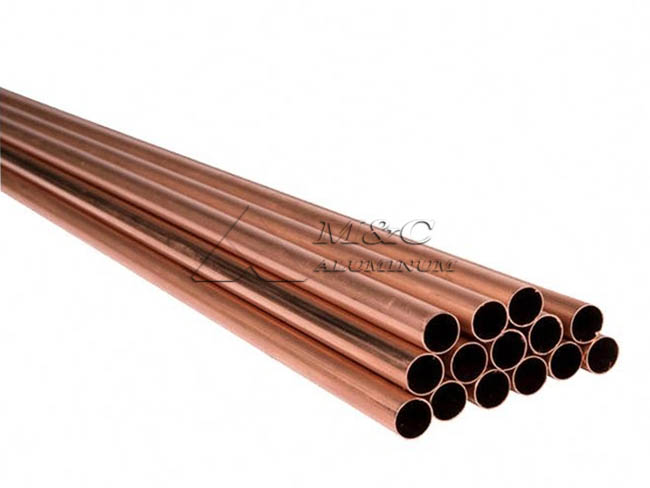
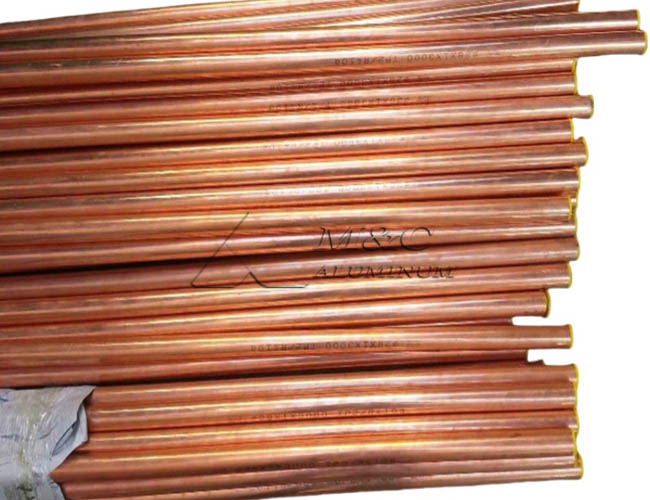
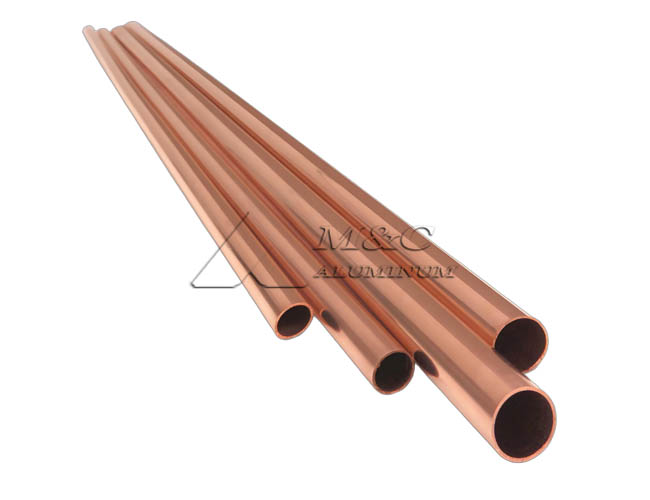
China ASTM B466 Copper Nickel 90/10 seamless pipe is a copper-nickel alloy pipe manufactured in accordance with applicable material and product standards. Its common grade is UNS C70600, also known as 90/10 copper-nickel alloy pipe. The alloy typically contains approximately 90% copper and 10% nickel, together with small, controlled additions of iron, manganese, and other elements to improve corrosion resistance in seawater environments.
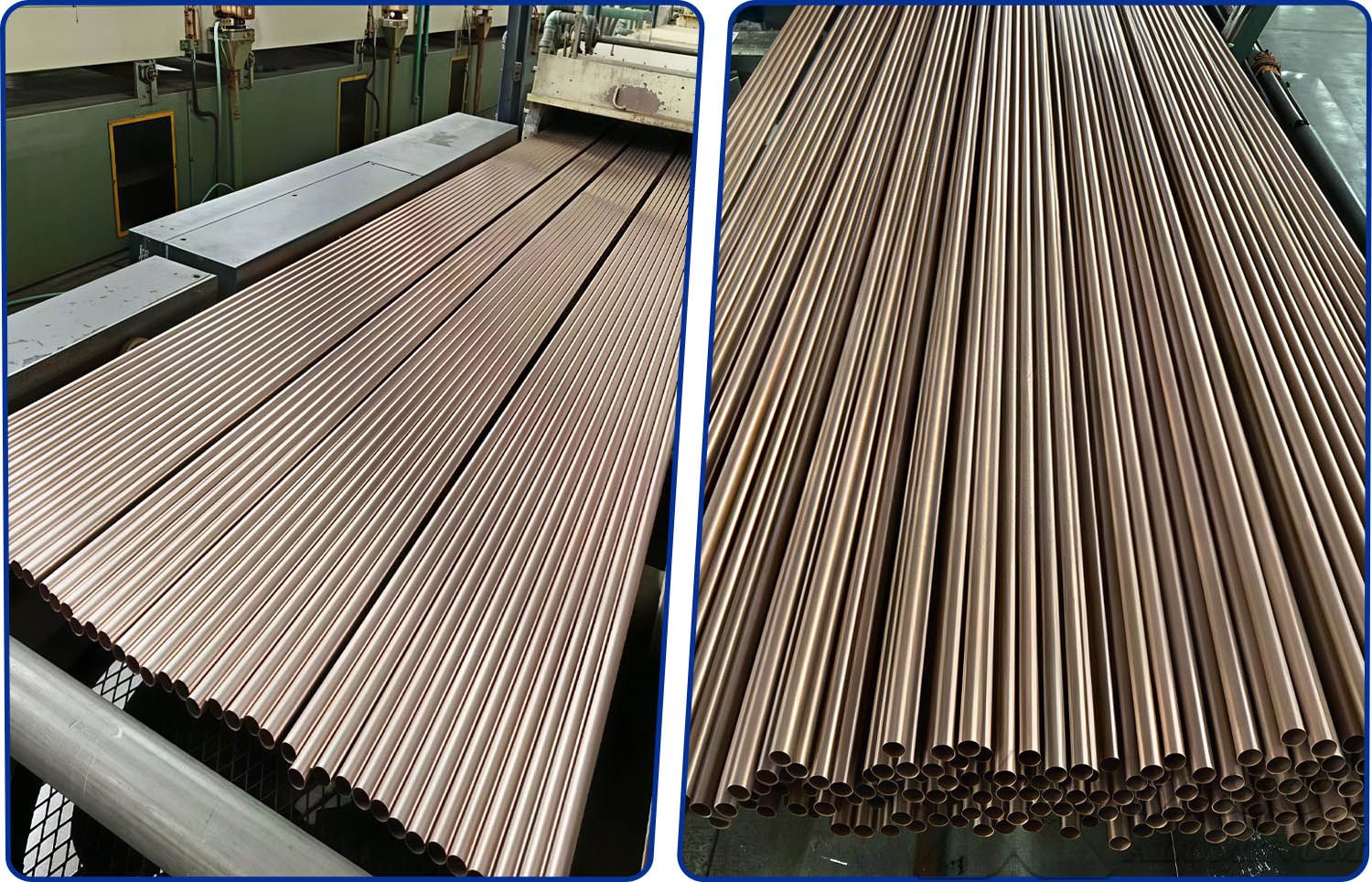
Compared with welded pipe, seamless copper-nickel pipe is manufactured through processes including extrusion, piercing, cold rolling, cold drawing, annealing, and finishing. As the pipe body has no longitudinal weld seam, it offers a uniform microstructure, stable pressure-bearing performance, and good dimensional accuracy. It is especially suitable for service conditions requiring high leak-tightness, pressure resistance, corrosion resistance, and long-term operating reliability.
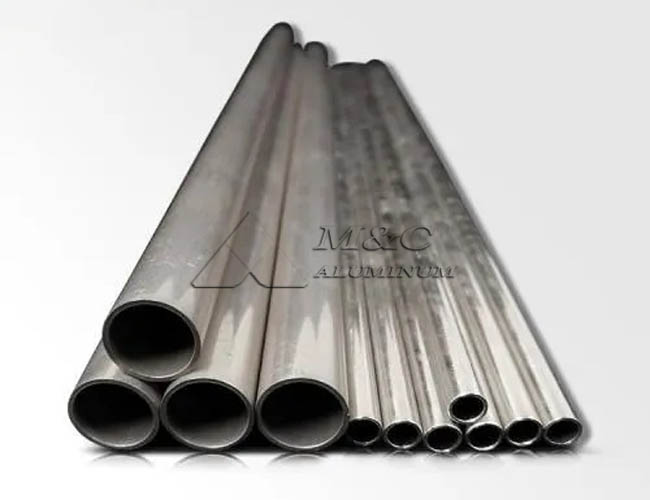
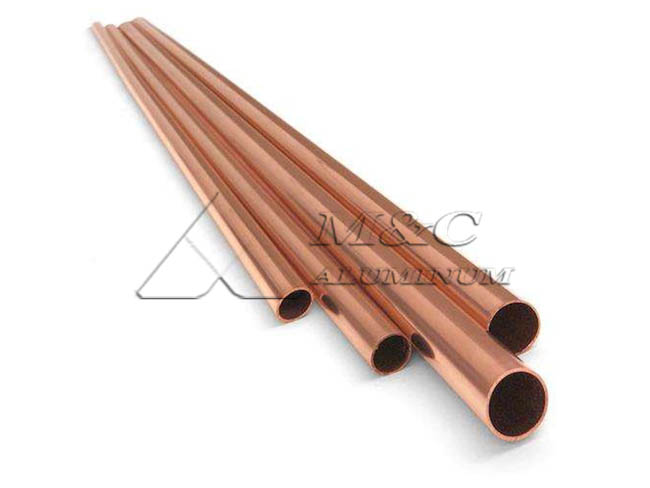
ASTM B466 Copper Nickel 90/10 seamless pipe can be supplied in various outside diameters, wall thicknesses, lengths, tempers, and end configurations according to customer requirements. Supporting quality documents can include Material Test Certificates, chemical composition reports, mechanical property reports, dimensional inspection reports, and non-destructive testing records.
C70600 Copper Nickel Pipe Technical Parameters
| Parameter | Typical Range / Specification |
| Alloy Grade | UNS C70600 |
| Standard | ASTM B466/B466M |
| Main Composition | Copper approximately 88.6%–91.2%; nickel and cobalt combined generally 9.0%–11.0%; with controlled iron, manganese, and other elements |
| Outside Diameter | 6 mm–508 mm |
| Wall Thickness | 0.5 mm–11 mm |
| Length | Fixed lengths or random/multiple lengths; up to 13 m |
| Manufacturing Process | Extrusion or piercing, followed by cold drawing |
| Supply Condition | Annealed soft temper (O60) or light drawn temper (H55) |
| Standard Testing | Eddy current testing, hydrostatic testing, tensile testing, flaring test, and flattening test |
| Main Applications | Marine cooling, seawater desalination, heat exchangers, and offshore engineering piping |
Typical Physical and Mechanical Properties — Annealed Temper O61
| Property | Typical Value / Requirement |
| Tensile Strength, Rm | ≥275 MPa (40 ksi) |
| 0.2% Proof Strength, Rp0.2 | ≥105 MPa (approximately 15 ksi) |
| Elongation, A5 | ≥30% |
| Density | 8.94 g/cm³ |
| Melting Range | 1100–1140°C |
| Thermal Conductivity | Approximately 50 W/(m·K) |
Key Advantages of ASTM B466 UNS C70600 Copper Nickel 90/10 Seamless Pipe
1. Excellent Resistance to Seawater Erosion and Corrosion
When exposed to seawater, the inner surface of C70600 copper-nickel pipe naturally forms a dense and strongly adherent protective oxide film. Even under flowing seawater conditions with velocities of up to approximately 3.5 m/s, this film can effectively resist fluid erosion.
The alloy provides excellent resistance to erosion-corrosion and pitting in marine service, making it a reliable choice for seawater piping systems.
2. Natural Anti-Fouling Performance
Due to the high copper content of the alloy, trace amounts of copper ions may be released during long-term seawater service. This natural characteristic helps inhibit the attachment and growth of marine organisms such as barnacles, shellfish, algae, and other biofouling deposits on the internal pipe wall.
This can reduce the frequency of chemical cleaning and mechanical descaling, helping lower maintenance requirements and operating costs.
3. Excellent Fabricability and Weldability
The seamless extrusion and drawing process provides C70600 pipe with a uniform metallurgical structure. The alloy has good hot- and cold-working properties and is suitable for flaring, bending, expanding, and forming operations.
C70600 can be joined by TIG welding, MIG welding, brazing, and other suitable processes. Depending on the applicable welding procedure and service requirements, complex post-weld annealing may not be necessary.
4. Strong Resistance to Stress Corrosion Cracking
Compared with austenitic stainless steels, Copper Nickel 90/10 alloy has excellent resistance to chloride-induced stress corrosion cracking, commonly known as SCC.
It can maintain stable long-term performance in severe environments with high salinity, chloride exposure, and significant temperature fluctuations.
5. Seamless Structure for Safety and Reliability
Unlike welded copper-nickel pipe, seamless pipe has no longitudinal weld seam. This helps eliminate risks associated with weld defects and weld-zone corrosion cracking.
It is particularly suitable for pressure piping, critical offshore platform process lines, and other systems requiring a high level of long-term safety and operational reliability.
6. Good Thermal Conductivity for Heat-Transfer Equipment
Compared with stainless steel and duplex stainless steel, C70600 has higher thermal conductivity. It is suitable for condensers, seawater heat exchangers, desalination evaporators, and related heat-transfer equipment.
Its use can improve heat-transfer efficiency and support more compact equipment design. C70600 is therefore a proven material for coastal power plants and seawater desalination systems.
Typical Applications for ASTM B466 C70600 Seamless Pipes
Marine and Shipbuilding Industry: Seawater main cooling piping, ballast water piping, marine fire-fighting seawater systems, ship condensers, and lubricating oil cooler piping. It is a classic material choice for seawater piping systems on ocean-going cargo vessels and engineering/special-purpose ships.
Offshore Oil & Gas and Marine Engineering: Seawater process piping, seawater cooling systems, and utility seawater transport lines for fixed offshore platforms and floating facilities; well-suited for corrosive offshore marine environments.
Coastal Thermal and Nuclear Power Plants: Seawater circulation piping for condensers and auxiliary cooling water systems in coastal power plants, designed to withstand long-term erosion-corrosion from seawater.
Seawater Desalination Industry: Heat exchanger tube bundles for Multi-Stage Flash (MSF) and Reverse Osmosis (RO) desalination units, brine transport piping, and evaporator tubing.
Petrochemical and Salt Chemical Industries: Heat exchangers for saline wastewater, process piping for brine-based media, and cooling piping for chemical processing facilities located in coastal areas.
Copper Nickel 90/10 Seamless Pipe vs. Copper Nickel 70/30 Seamless Pipe
C70600 90/10 CuNi Seamless Pipe — ASTM B466
C70600 Copper Nickel 90/10 pipe offers an excellent balance of seawater corrosion resistance, anti-fouling performance, workability, and cost efficiency. It is commonly selected for conventional seawater service and medium-flow-velocity applications.
It is easier to fabricate and generally more economical than 70/30 copper-nickel alloy, making it one of the most widely used materials in marine, shipbuilding, and desalination projects.
C71500 70/30 CuNi Seamless Pipe
C71500 contains approximately 30% nickel and provides stronger resistance to erosion-corrosion and pitting corrosion. It is suitable for more severe operating conditions, including high seawater velocity, sand-laden seawater, polluted seawater, and highly aggressive marine environments.
However, due to its higher nickel content, C71500 is more expensive and is generally selected for critical or particularly demanding corrosion service.
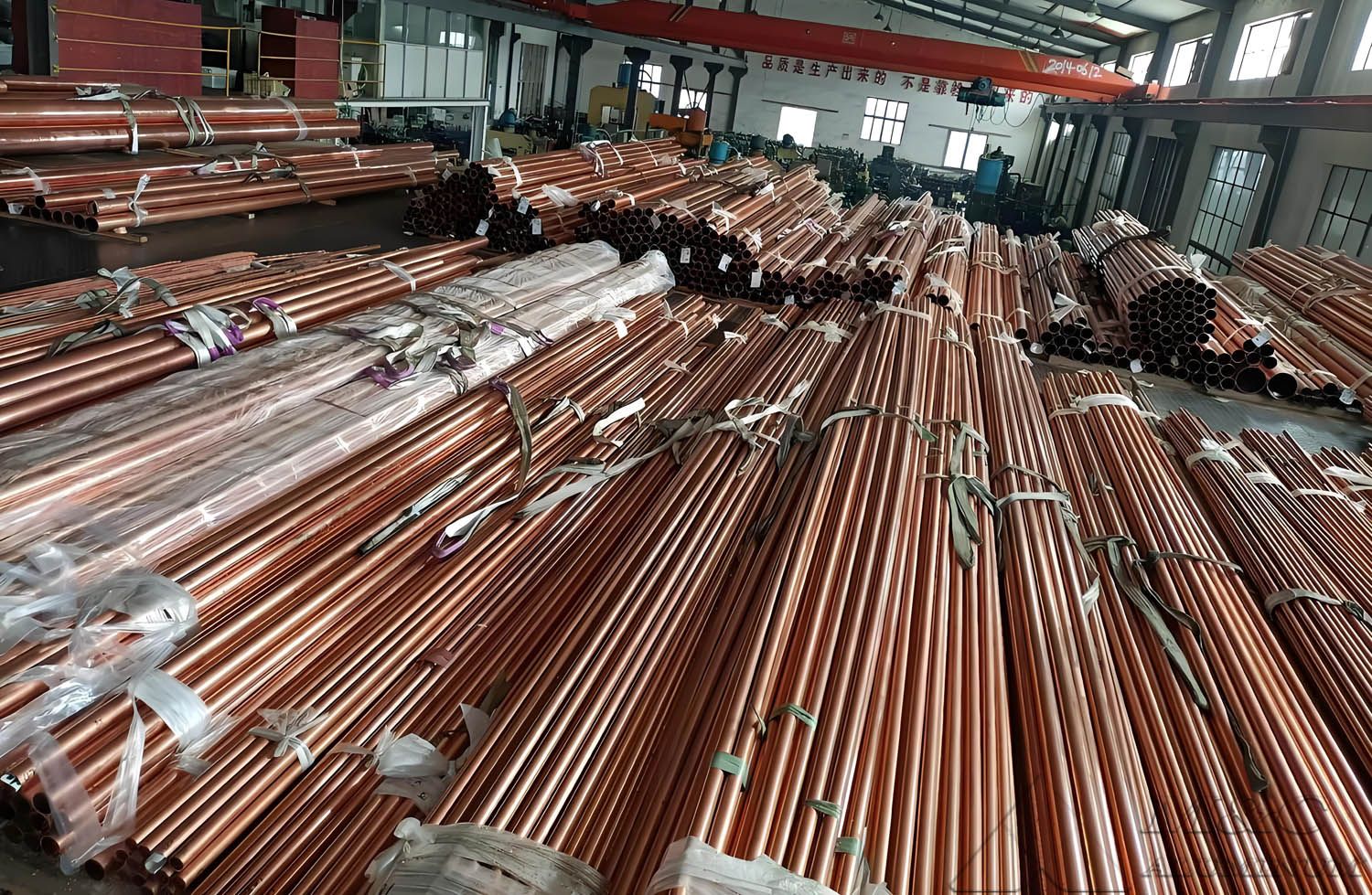
Production and Quality Control of China Copper Nickel 90/10 Seamless Pipe
When selecting a Chinese supplier, customers should evaluate not only price and delivery time, but also manufacturing capability, material traceability, quality control procedures, and inspection capacity.
Raw Material Control
The chemical composition of raw materials should be verified to ensure that the C70600 alloy meets the purchase order and applicable standard requirements. Effective material identification and segregation are necessary to prevent the mixing of different alloy grades.
Seamless Manufacturing Process Control
During extrusion, piercing, cold drawing, annealing, and finishing, the manufacturer should control pipe dimensions, wall-thickness uniformity, surface quality, straightness, and overall structural integrity.
Proper process control helps reduce manufacturing defects that could affect corrosion performance, pressure-bearing capacity, and long-term reliability.
Dimensional and Mechanical Property Inspection
Outside diameter, wall thickness, length, straightness, and mechanical properties should be inspected in accordance with applicable standards and contractual requirements. Where required, specified non-destructive examinations and supplementary tests may also be performed.
Pressure and Integrity Verification
Hydrostatic testing or other appropriate pressure and integrity tests should be conducted in accordance with the applicable standard, purchase order, and engineering design requirements.
The specific test method, pressure level, acceptance criteria, and inspection frequency should be defined by the contract and relevant project specifications.
Quality Documentation and Traceability
Material certificates and inspection records corresponding to the actual supplied production batch should be provided. For shipbuilding and offshore engineering projects, requirements for third-party inspection, classification society certification, and full material traceability should be confirmed before production.
Available documentation may include:
Material Test Certificate (MTC)
Chemical composition report
Mechanical property report
Dimensional inspection report
Eddy current testing report
Hydrostatic test report
Non-destructive testing documentation
CCS, DNV, ABS, or other third-party inspection certificates, where required
Original Source: https://www.marinealum.com/a/china-astm-b466-copper-nickel-9010-seamless-pipe.html
Tag: UNS C70600 seamless pipe C70600 copper nickel pipe ASTM B466 C70600 copper nickel pipe CuNi 90/10 seamless pipe Copper Nickel 90/10 pipe CuNi 90/10 pipe seawater corrosion-resistant copper nickel pipe marine copper nickel alloy pipe seawater desal