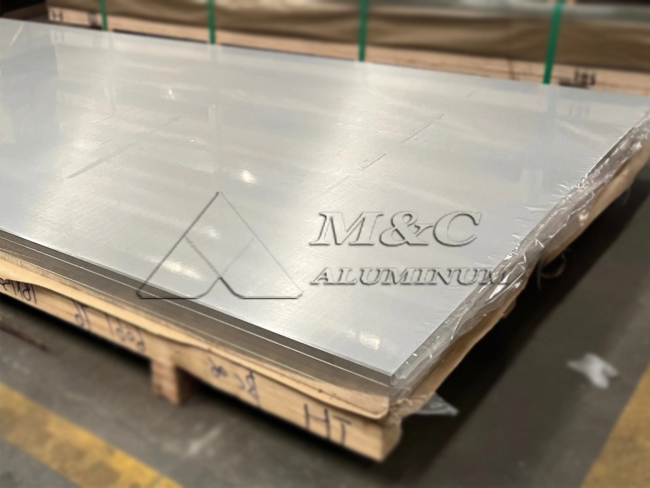
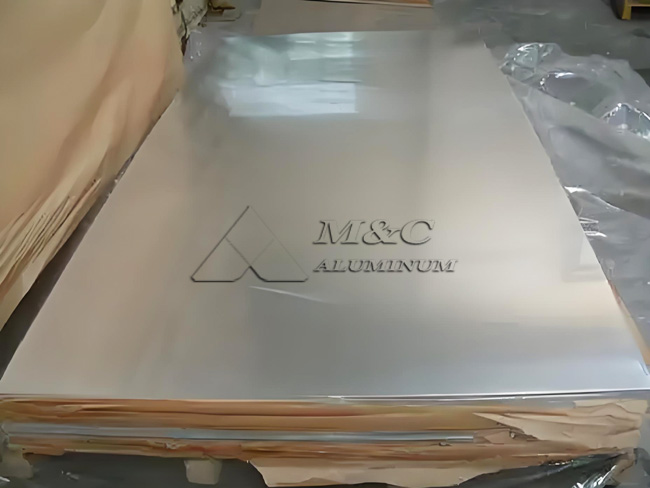
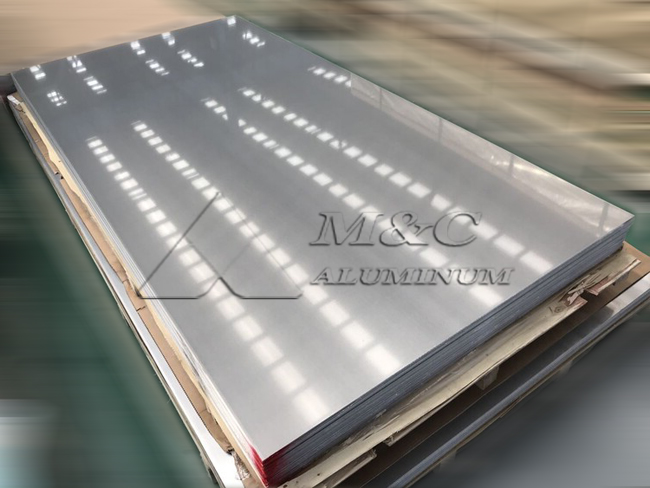
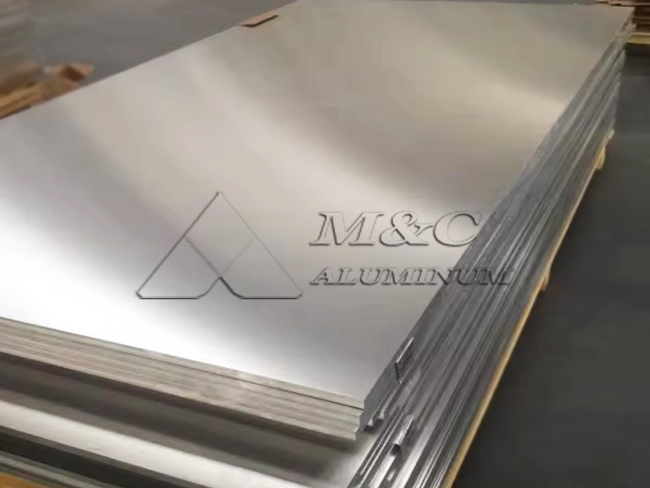
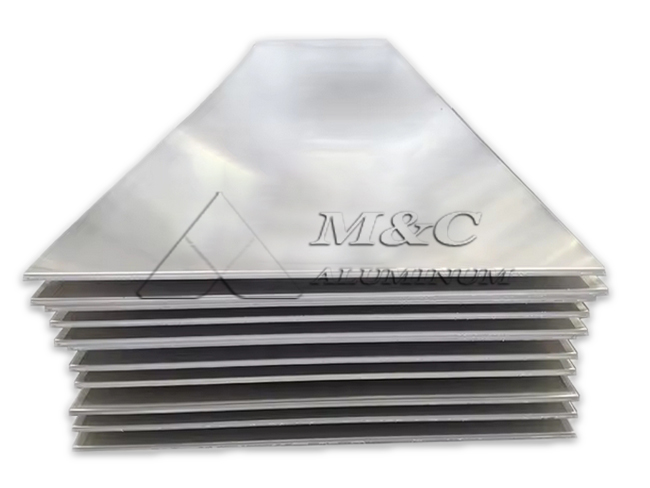
As an aluminum sheet manufacturer supplying marine fabrication projects, we produce 5052 aluminum sheet for small boat construction where corrosion resistance, formability, weldability, and stable mechanical performance are required. For many small fishing boats, workboats, pontoons, tenders, skiffs, and inland watercraft, 5052 marine aluminum offers a practical balance between strength and fabrication efficiency.
5052 aluminum sheet is a non-heat-treatable Al-Mg alloy. Its magnesium content provides good resistance to seawater and humid environments, while the alloy remains easy to bend, cut, punch, and weld with standard marine fabrication methods. For small boat builders, these characteristics are important because the material must support hull forming, deck installation, internal framing, and long-term service in wet conditions.
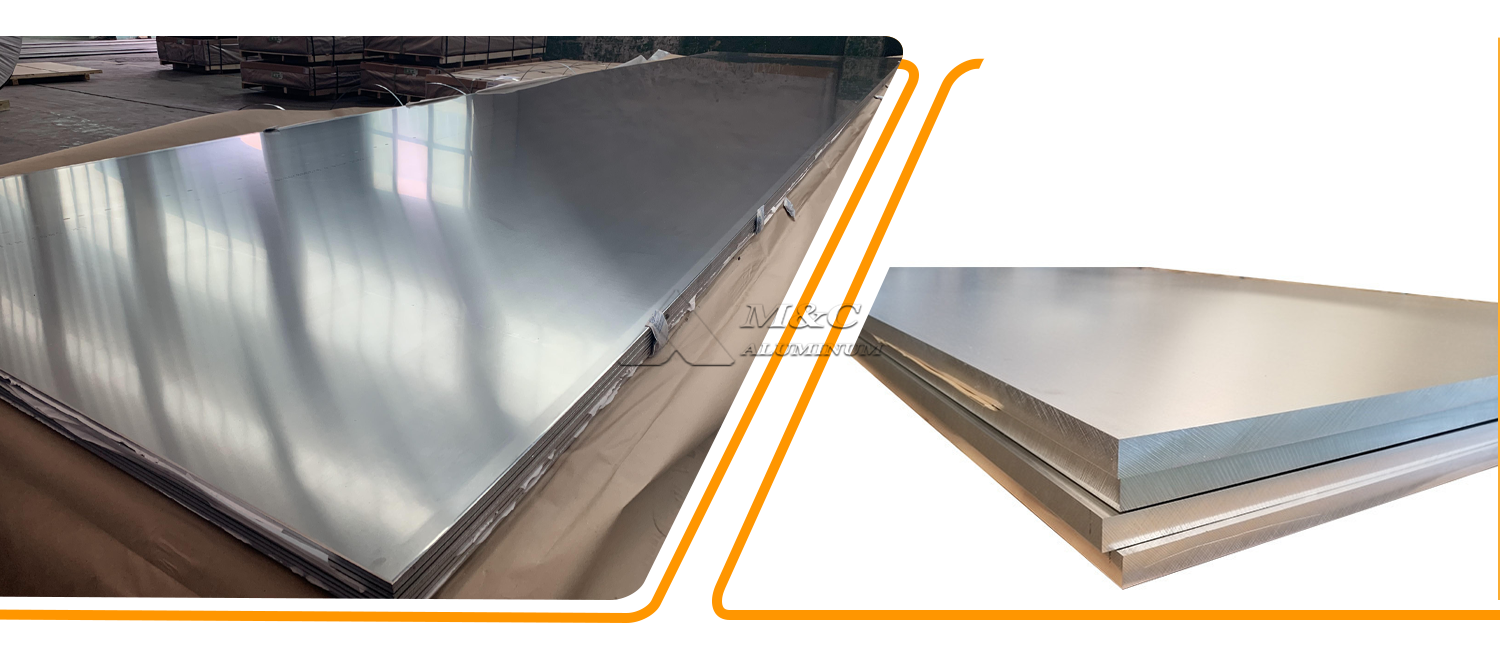
Why 5052 Aluminum Sheet Is Used in Small Boats
Small boat construction places different demands on aluminum sheet compared with large commercial vessels. The material is often formed into curved hull panels, side plates, decks, consoles, lockers, and structural or semi-structural components. Builders need sheet that can be shaped without cracking and welded without excessive distortion.
5052 aluminum sheet performs well in these applications because it has higher corrosion resistance than many general-purpose aluminum grades. It also has better formability than high-strength marine alloys such as 5083 in many bending operations. While 5083 and 5086 are often selected for heavier-duty hulls and offshore service, 5052 is widely used for lighter boats, freshwater and coastal craft, deck parts, cabin panels, fuel tank components, and general marine structures.
From our production experience, small boat manufacturers commonly request 5052-H32 and 5052-H34 aluminum sheet. The H32 temper provides a good combination of moderate strength and formability, while H34 offers slightly higher strength with reduced elongation. For deep forming, tight bending, or special forming processes, 5052-O can also be supplied.
For customers comparing multiple marine alloys, our Marine Aluminum Alloy product range includes 5-series and 6-series materials for different vessel structures and fabrication requirements.
Alloy Characteristics of 5052 Marine Aluminum
5052 belongs to the 5xxx aluminum-magnesium alloy series. It cannot be strengthened by heat treatment, but it gains strength through strain hardening. This makes temper selection important. A builder should select the temper according to bending radius, welding layout, hull thickness, and service load.
The main advantages of 5052 aluminum sheet for small boat construction include:
Good resistance to marine atmosphere, freshwater, and many coastal environments
Excellent formability for hull panels and curved components
Good weldability using common MIG and TIG welding procedures
Stable surface quality for painting, anodizing, or anti-slip deck treatment
Moderate strength suitable for light and medium small boat structures
Good fatigue behavior under normal small craft operating conditions
As a factory, we control chemical composition, rolling process, annealing conditions, thickness tolerance, flatness, and surface finish to ensure consistent fabrication performance for boatyards and OEM manufacturers.
Typical Chemical Composition
The following table shows typical chemical composition ranges for 5052 aluminum sheet. Values are provided for engineering reference. Final supply can be produced according to ASTM B209, EN 485, JIS H4000, or customer-specific standards.
| Element | Typical Range, % |
|---|---|
| Magnesium, Mg | 2.2 - 2.8 |
| Chromium, Cr | 0.15 - 0.35 |
| Iron, Fe | 0.40 max |
| Silicon, Si | 0.25 max |
| Copper, Cu | 0.10 max |
| Manganese, Mn | 0.10 max |
| Zinc, Zn | 0.10 max |
| Other each | 0.05 max |
| Other total | 0.15 max |
| Aluminum, Al | Balance |
The magnesium content is the key factor behind the corrosion resistance of 5052 marine aluminum. Chromium helps improve grain structure and resistance to stress corrosion in appropriate applications.
Mechanical Properties for Boat Building
Mechanical properties depend on temper, thickness, standard, and testing direction. The values below are typical reference ranges for 5052 aluminum sheet used in marine fabrication.
| Alloy and Temper | Tensile Strength, MPa | Yield Strength, MPa | Elongation, % | Typical Use in Small Boats |
|---|---|---|---|---|
| 5052-O | 170 - 215 | 65 - 90 | 18 - 25 | Deep forming, tight bending, formed panels |
| 5052-H32 | 210 - 260 | 130 - 180 | 8 - 14 | Hull sides, decks, general marine sheet |
| 5052-H34 | 230 - 280 | 160 - 215 | 6 - 12 | Parts requiring higher stiffness and strength |
| 5052-H36 | 250 - 300 | 190 - 240 | 4 - 10 | Flat panels, covers, less severe forming |
For most small boat hull panels, 5052-H32 is often preferred because it provides reliable bending and welding performance. For flat deck plates or parts where forming is limited, H34 may be selected to improve dent resistance.
Available Specifications from Our Mill
We produce 5052 aluminum sheet and plate in common marine sizes and can slit, cut, or pack according to export requirements. The following table lists our typical supply capability.
| Item | Factory Supply Range |
|---|---|
| Alloy | 5052 |
| Temper | O, H32, H34, H36, H38 |
| Thickness | 0.5 mm - 12.0 mm, custom thickness available |
| Width | 500 mm - 2200 mm |
| Length | 1000 mm - 12000 mm or coil supply |
| Surface | Mill finish, brushed, film protected, painted on request |
| Standards | ASTM B209, EN 485, JIS H4000, GB/T, customer specification |
| Inspection | Chemical composition, tensile test, thickness, flatness, surface, packaging |
| Packaging | Seaworthy wooden pallets or cases with moisture protection |
For project orders, we recommend confirming the required drawing dimensions, weld plan, bending radius, and coating system before production. This allows us to match temper, tolerance, and surface protection to the actual boat fabrication process.
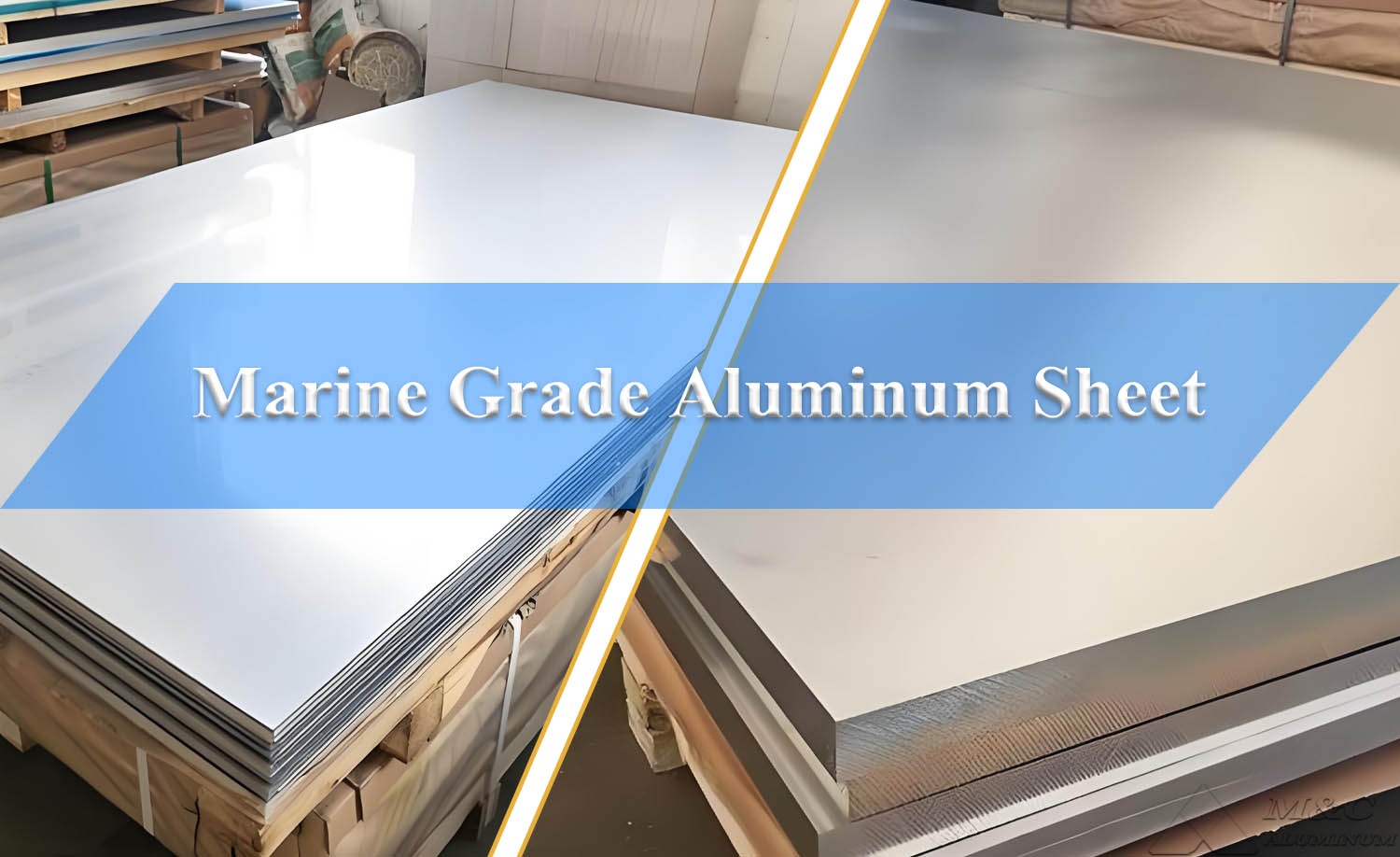
Recommended Thickness for Small Boat Components
Thickness selection should be based on vessel length, hull form, operating water conditions, structural design, and classification or local safety rules. The following information is a general reference used by many small boat fabricators, not a replacement for naval architectural calculation.
| Boat Component | Common 5052 Sheet Thickness | Notes |
|---|---|---|
| Canoe, tender, light skiff side panels | 1.5 - 2.5 mm | Suitable for light-duty freshwater use |
| Small fishing boat hull sides | 2.0 - 4.0 mm | H32 commonly selected for forming and welding |
| Bottom plate for small craft | 3.0 - 5.0 mm | Thickness depends on impact risk and framing design |
| Deck plate and cabin panel | 2.0 - 4.0 mm | Anti-slip surface or coating may be applied |
| Console, locker, seat base | 1.5 - 3.0 mm | Formability is often important |
| Fuel tank and water tank parts | 2.0 - 4.0 mm | Welding procedure and pressure testing required |
For heavier workboats, high-speed craft, or offshore vessels, designers may consider 5083 or 5086 marine aluminum for main load-bearing structures. Our 5052 Marine aluminum sheet is positioned mainly for small craft, formed components, and corrosion-resistant marine fabrication.
Fabrication Performance
5052 aluminum sheet is known for good cold workability. It can be cut by shearing, sawing, CNC routing, laser cutting, or waterjet cutting. When bending, the inside radius should be selected according to temper and thickness. Softer tempers allow tighter bends, while harder tempers require larger bend radii to avoid cracking.
Welding is also an important reason why 5052 is selected for aluminum boat construction. It can be welded by MIG or TIG methods. Common filler metals include 5356 and 5183, depending on design requirements, weld strength, corrosion exposure, and coating system. Before welding, the surface should be cleaned to remove oil, oxide, moisture, and cutting residue. Proper fixturing can reduce distortion in thin sheets.
During fabrication, builders should avoid direct contact between aluminum and carbon steel in wet service. If steel fasteners or fittings are unavoidable, insulation materials, sealants, or compatible coatings should be used to reduce galvanic corrosion. Drainage design is also important, as standing water and trapped debris can shorten service life.
Corrosion Resistance in Marine Service
The corrosion resistance of 5052 aluminum sheet is suitable for many small boat environments, including freshwater lakes, rivers, harbors, and coastal operations. Compared with ordinary structural aluminum alloys, 5052 has better performance in salt spray and humid marine air.
However, corrosion resistance is not determined by alloy alone. Surface condition, weld quality, coating design, cleaning practice, and contact with dissimilar metals all affect service life. For painted small boats, the surface should be properly degreased, abraded, chemically treated or primed according to the coating supplier's procedure. For unpainted boats, regular washing with fresh water is recommended after saltwater exposure.
As a manufacturer, we can supply mill finish sheet with protective film when required. This helps reduce scratches during transport and handling, especially for panels used on visible surfaces.
Surface Quality and Dimensional Control
Boat builders require consistent sheet flatness and clean surfaces because waviness, scratches, and thickness variation can increase fabrication time. In our production process, 5052 aluminum sheet passes through controlled casting, homogenization, hot rolling, cold rolling, annealing, tension leveling, and final inspection. Each stage affects the final performance of the marine grade aluminum sheet.
Our quality control includes:
Spectrometer testing for chemical composition
Mechanical testing for tensile strength, yield strength, and elongation
Thickness and width measurement according to order tolerance
Visual inspection for surface defects, oil stains, dents, and rolling marks
Flatness inspection for sheet and plate products
Packaging inspection before loading
For export orders, mill test certificates can be provided with the shipment. Third-party inspection can also be arranged when required by the buyer or project specification.
Packaging and Export Supply
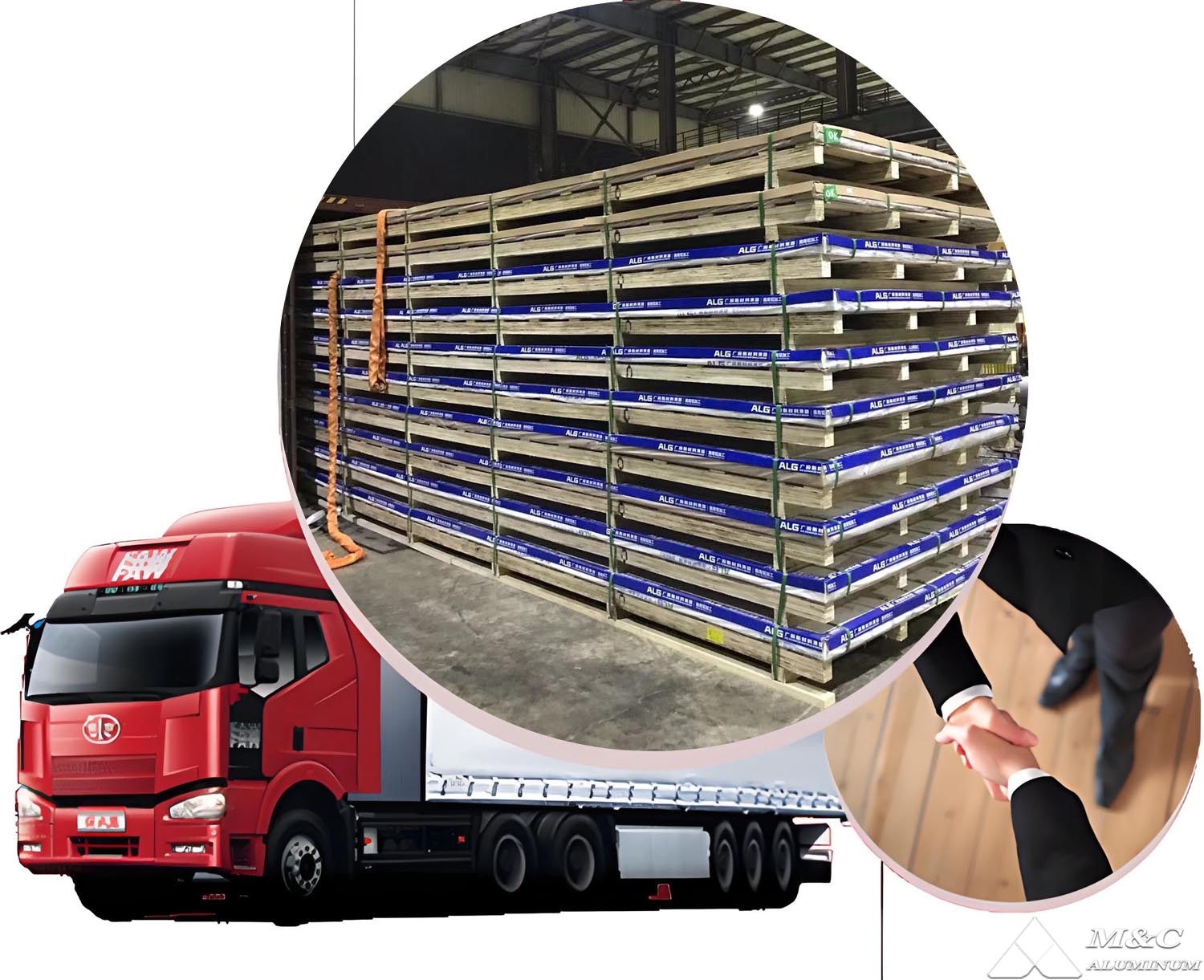
5052 aluminum sheet for small boat construction must be protected during ocean freight and inland transport. We use moisture-resistant paper, plastic film, edge protection, steel or plastic strapping, and seaworthy wooden pallets or cases. For long sheets or cut-to-size panels, we design packaging according to length, weight, and unloading method.
Before shipment, we check package labels, batch numbers, alloy and temper marks, net weight, gross weight, and customer order references. This is important for boatyards that manage multiple thicknesses and component drawings at the same time.
How to Select 5052 Aluminum Sheet for a Boat Project
When requesting a quotation from our factory, the following information helps us provide accurate production recommendations:
Alloy and temper, such as 5052-H32 or 5052-H34
Thickness, width, length, and quantity
Application position, such as hull side, bottom, deck, or cabin panel
Required standard, tolerance, and testing items
Surface requirement, such as mill finish, film protection, or painting preparation
Cutting or packing requirements
Destination port and delivery schedule
If the project involves high impact loads, offshore service, or classification approval, our technical team can also discuss alternative marine aluminum grades based on the design requirements.
Conclusion
5052 aluminum sheet is a reliable material for small boat construction because it combines corrosion resistance, weldability, formability, and stable mechanical properties. For light and medium small craft, it is commonly used in hull panels, decks, cabins, tanks, and fabricated marine components. Correct temper selection, suitable thickness design, proper welding, and effective corrosion prevention are essential for long service life.
As a manufacturer, we supply 5052 marine aluminum sheet with controlled composition, mechanical properties, surface quality, dimensional tolerance, and export packaging. By matching the alloy temper and specification to the boat builder's drawings and fabrication process, we help ensure consistent production efficiency and dependable marine performance.
Original Source: https://www.marinealum.com/a/5052-aluminum-sheet-for-small-boat-construction.html
Tag: 5052 aluminum sheet 5052 marine aluminum aluminum sheet for small boat marine grade aluminum sheet small boat construction aluminum 5052-H32 aluminum sheet corrosion resistant aluminum sheet marine aluminum sheet manufacturer