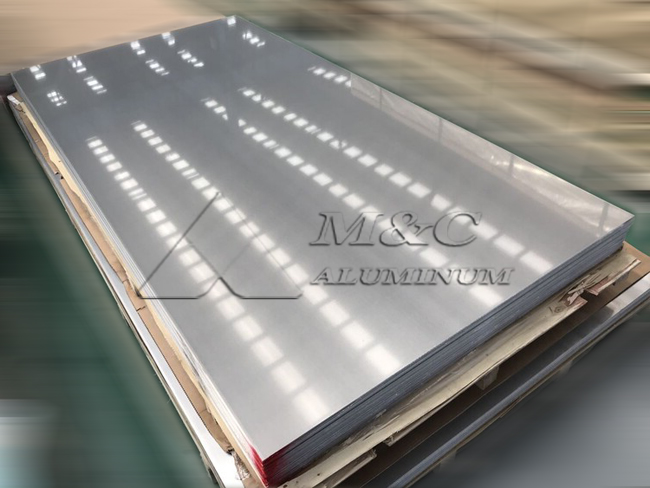
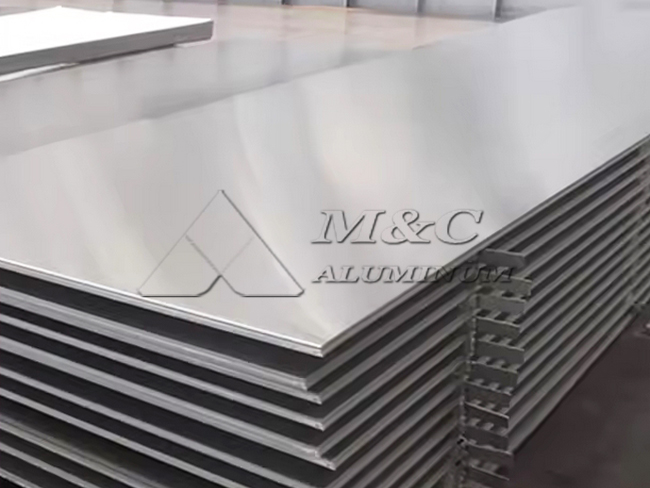
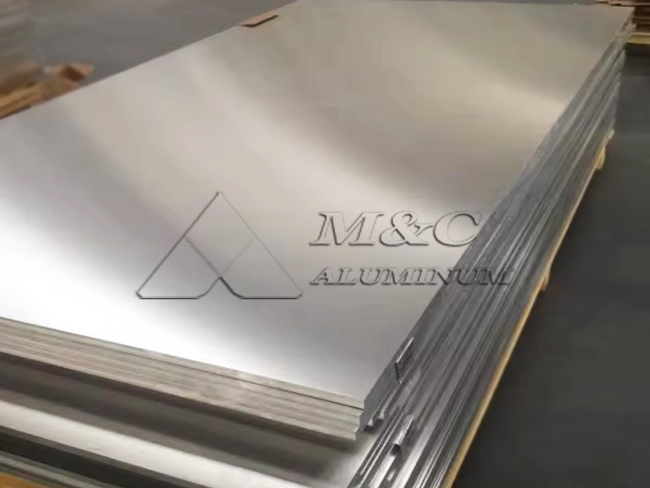
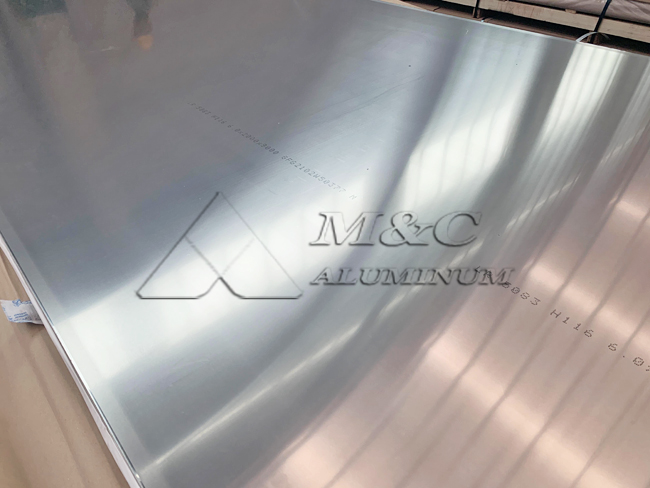
As an aluminum sheet manufacturer, we produce 5083 aluminum sheet for offshore platforms where corrosion resistance, weldability, and structural reliability are required. Offshore structures operate under salt spray, humid air, cyclic loading, and maintenance constraints. For this reason, material selection must consider not only initial strength, but also long-term performance in a marine atmosphere.
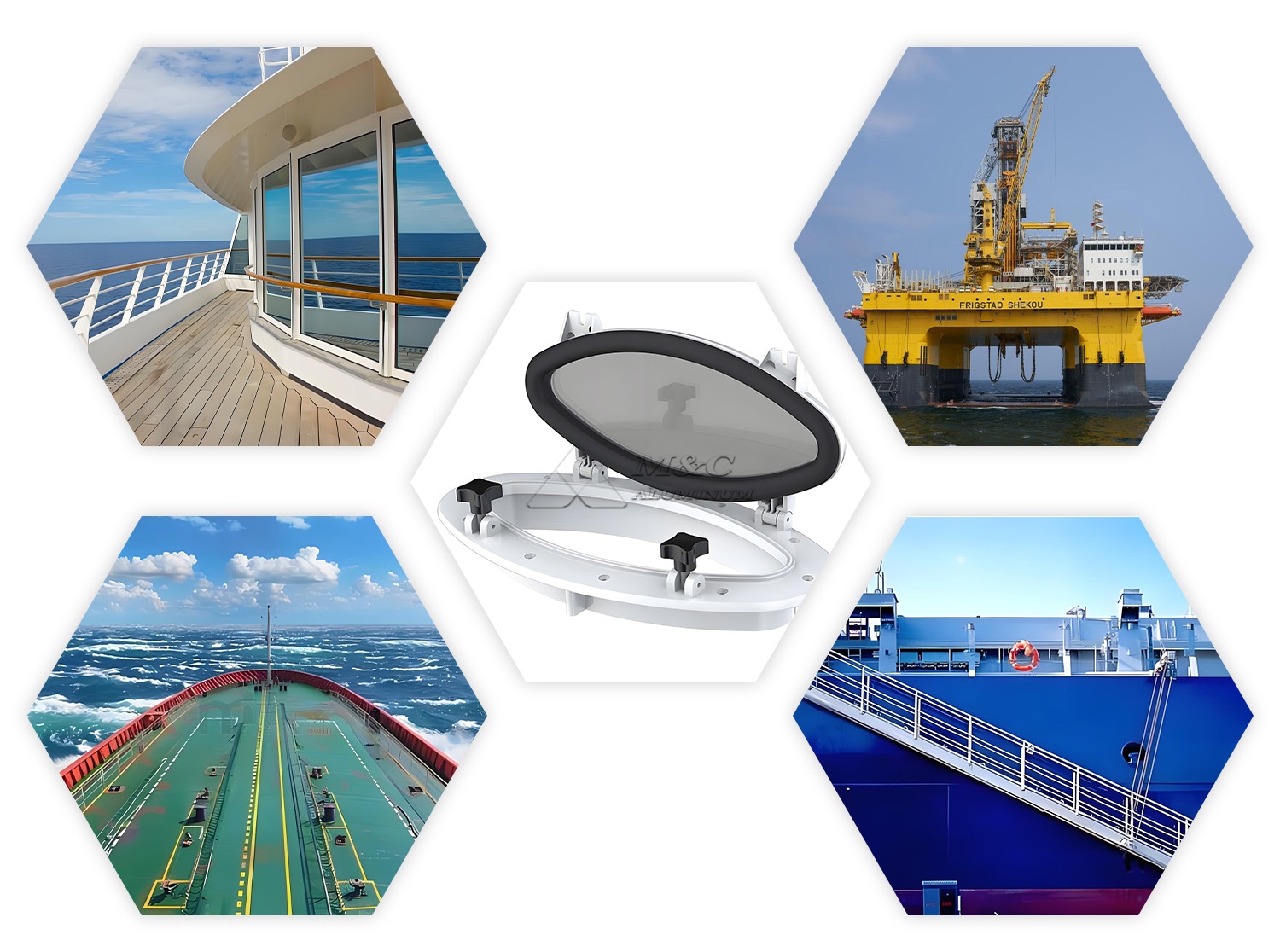
5083 aluminum plate is a non-heat-treatable Al-Mg alloy widely used in marine and offshore engineering. It offers high strength among 5xxx series alloys, excellent resistance to seawater corrosion, good fatigue performance, and dependable weldability. In offshore platforms, 5083 aluminum sheet is commonly used for topside structures, walkways, gangways, working decks, stair towers, equipment enclosures, cable trays, accommodation modules, and other weight-sensitive components.
Why 5083 Aluminum Sheet Is Used in Offshore Platforms
Offshore platforms require materials that can reduce structural weight without compromising safety. Compared with carbon steel, 5083 marine grade aluminum sheet has a much lower density, which helps reduce dead load on topside modules and support systems. Lower weight can simplify lifting, transportation, installation, and subsequent maintenance planning.
The main advantage of 5083 marine aluminum sheet for offshore platforms is its resistance to seawater and marine atmosphere corrosion. The alloy contains magnesium and manganese, which improve strength and corrosion performance. Unlike some high-strength aluminum alloys, 5083 does not depend on heat treatment for mechanical properties, so welded areas retain practical service performance when proper procedures are used.
In our production, 5083 aluminum plate can be supplied in O, H111, H112, H116, and H321 tempers according to application requirements. For marine and offshore use, H116 and H321 tempers are often specified because they are designed to provide stable corrosion resistance and control susceptibility to exfoliation and stress corrosion under marine conditions.
Typical Offshore Platform Applications
5083 aluminum sheet is not normally used as the main load-bearing legs or jacket structure of a platform, where heavy steel structures dominate. Its value is mainly in topside and auxiliary systems where weight saving and corrosion resistance are important.
Common applications include:
Offshore platform decks and working platforms
Gangways, ramps, ladders, stairways, and handrail bases
Helideck panels and supporting aluminum assemblies, where approved by design codes
Cable trays, cable ladders, and service channels
Equipment cabinets, control room panels, and instrument housings
Accommodation module walls, floors, and access structures
Ventilation ducting, protective covers, and splash-zone auxiliary plates
Marine walkways, grating support plates, and inspection platforms
For customers requiring a complete marine alloy selection, our Marine Aluminum Alloy range also includes related grades for shipbuilding, offshore equipment, and coastal engineering.
Technical Parameters of 5083 Aluminum Sheet
The following table shows common factory supply parameters. Final mechanical values depend on thickness, temper, applicable standard, and agreed inspection requirements.
| Item | Typical Specification |
|---|---|
| Alloy | 5083, EN AW-5083, AlMg4.5Mn0.7 |
| Product form | Sheet, plate, coil cut-to-length plate |
| Common tempers | O, H111, H112, H116, H321 |
| Thickness range | 1.0 mm to 200 mm, subject to order and rolling capability |
| Width range | 500 mm to 2600 mm typical, wider sizes by technical review |
| Length range | 1000 mm to 12000 mm, cut to customer drawings where applicable |
| Density | About 2.66 g/cm3 |
| Tensile strength | Typically 275 MPa to 385 MPa, depending on temper and thickness |
| Yield strength | Typically 125 MPa to 215 MPa min., depending on temper and thickness |
| Elongation | Typically 10% to 16% min., depending on temper and thickness |
| Corrosion resistance | Excellent in seawater and marine atmosphere when correctly specified |
| Weldability | Excellent, suitable for MIG and TIG welding with suitable filler metal |
| Surface finish | Mill finish, brushed, film protected, or customized surface treatment |
| Standards | ASTM B209, ASTM B928, EN 485, EN 573, ABS, DNV, LR, BV as required |
| Inspection options | Chemical analysis, tensile test, ultrasonic test, dimensional inspection, surface inspection |
Chemical Composition and Performance Characteristics
5083 aluminum sheet is based on aluminum-magnesium chemistry, with manganese and chromium additions used to support strength and stability. The magnesium content gives the alloy higher strength than 5052 and 5754, while maintaining good corrosion resistance in seawater. The alloy also performs well in low-temperature environments, which is relevant for certain offshore and marine service conditions.
As a factory, we control chemical composition from melting and casting. Each heat is tested before rolling, and traceability is maintained through slab number, rolling batch, and final plate identification. This is important for offshore platform projects where material certificates, inspection documents, and classification society approvals may be required.
For direct marine and offshore procurement, we manufacture 5083 Marine aluminum sheet and plate in project-specific tempers and dimensions.
Temper Selection for Offshore Use
Temper selection affects strength, corrosion resistance, formability, and welding behavior. For offshore platform aluminum plate, the following tempers are frequently considered:
5083-O
5083-O has the highest formability among common tempers. It is suitable for bending, forming, and components requiring extensive shaping. It has lower strength than strain-hardened tempers but is useful for complex fabricated parts.
5083-H111
H111 offers moderate strain hardening after forming or processing. It is often selected where a balance of formability and strength is needed. It is widely used in marine fabrication.
5083-H112
H112 is commonly used for thicker plates, especially hot-rolled plates. It provides stable mechanical properties and is suitable for welded structures and machined offshore components.
5083-H116
H116 is a preferred marine temper for plate exposed to seawater or salt-laden atmospheres. It provides controlled properties for corrosion resistance, particularly against exfoliation and intergranular corrosion concerns in marine service.
5083-H321
H321 is also used for marine applications requiring corrosion stability. It is strain hardened and stabilized, making it suitable for structural sheet and plate in offshore environments.
Manufacturing Process in Our Factory
Our 5083 aluminum sheet production begins with controlled melting and alloying. After chemical composition adjustment, the molten aluminum is cast into slabs. The slabs are homogenized to improve microstructure uniformity before hot rolling. Depending on thickness and temper, the material may then be cold rolled, annealed, strain hardened, stabilized, tension leveled, and cut to final size.
Key manufacturing controls include:
Alloy composition verification before casting
Slab surface scalping to reduce rolling defects
Hot rolling temperature control for plate structure consistency
Cold rolling and annealing control for temper accuracy
Flatness correction and precision cutting
Surface inspection before packing
Mechanical testing according to contract standards
Because offshore platform components are often welded and assembled into large modules, dimensional consistency is important. We control thickness tolerance, width, length, diagonal deviation, and flatness according to the specified standard or project drawing.
Welding and Fabrication Considerations
5083 aluminum sheet has excellent weldability. MIG and TIG welding are commonly used, with suitable filler alloys such as 5183, 5356, or other project-approved fillers. Welding procedures should be qualified according to the applicable offshore engineering standard.
When designing welded offshore structures, engineers should consider the reduced strength in the heat-affected zone. Although 5083 maintains useful welded performance, the design should follow allowable stress values for welded joints rather than relying only on parent metal strength. Correct joint preparation, shielding gas control, and cleaning before welding are necessary to reduce porosity and ensure weld quality.
5083 aluminum plate can also be cut, drilled, bent, rolled, and machined. For bending, the minimum bending radius depends on thickness, temper, grain direction, and tooling. O and H111 tempers provide better bending performance, while H116 and H321 should be evaluated for the required forming degree.
Corrosion Resistance in Marine Atmosphere
Offshore platforms are exposed to chloride ions, high humidity, ultraviolet radiation, and frequent wet-dry cycles. 5083 aluminum sheet forms a natural oxide film that protects the surface. When scratched, the oxide layer can reform under normal atmospheric conditions, which supports long-term corrosion resistance.
However, proper design and installation remain important. Direct contact between aluminum and more noble metals can cause galvanic corrosion in the presence of an electrolyte. Engineers should use insulating gaskets, suitable fasteners, protective coatings, or sealants where dissimilar metal contact cannot be avoided. Drainage design should also prevent stagnant seawater from remaining on plate surfaces or in crevices.
For severe splash-zone exposure, additional surface protection may be specified. This can include anodizing, marine coating systems, or other project-approved treatments. As a manufacturer, we can supply mill finish plate or prepare surfaces according to coating requirements, subject to technical agreement.
Quality Inspection and Certification
Offshore projects usually require strict quality documentation. We provide inspection and test records according to purchase order requirements. Available documents include mill test certificates, chemical composition reports, mechanical test results, dimensional inspection records, ultrasonic testing reports for thick plate, and packing lists with traceability information.
For classification projects, 5083 aluminum plate can be produced and inspected according to ABS, DNV, LR, BV, CCS, or other approved rules where applicable. Early confirmation of the required standard is recommended because test frequency, sampling direction, marking, and certification procedures may differ.
Our quality inspection typically covers:
Chemical composition analysis
Tensile strength, yield strength, and elongation testing
Thickness, width, length, and flatness measurement
Surface quality inspection for scratches, oil marks, dents, and rolling defects
Ultrasonic testing for thick plate when required
Package inspection before shipment
Packing and Delivery for Export Projects
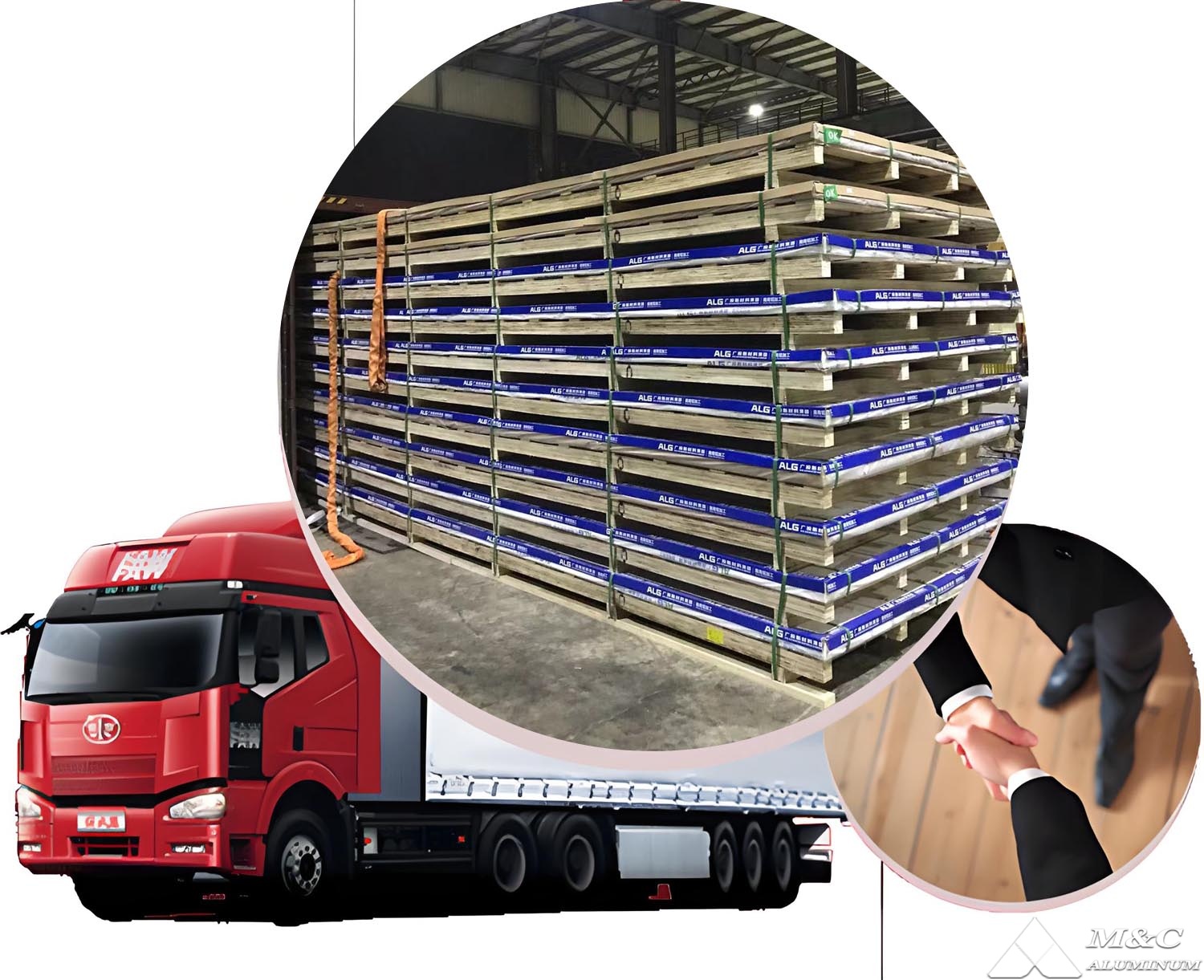
As an export-oriented aluminum sheet manufacturer, we pack 5083 aluminum sheet for long-distance sea transport. Standard export packing may include moisture barrier film, kraft paper, plastic wrapping, wooden pallets or cases, edge protection, steel straps, and clear shipping marks. For film-protected or surface-sensitive plates, additional handling requirements can be arranged before production and packing.
Offshore platform projects often involve phased delivery. We can organize production batches according to module fabrication schedules and provide plate marking for easier warehouse management. Each bundle can be labeled with alloy, temper, size, batch number, net weight, gross weight, and customer order reference.
How to Specify 5083 Aluminum Sheet for an Offshore Platform
To ensure accurate production and quotation, buyers should provide complete technical information. A typical inquiry should include alloy, temper, thickness, width, length, quantity, standard, certificate requirement, surface condition, tolerance requirement, and packing method. If the plate will be used for welding, bending, coating, or classification approval, these details should be stated at the inquiry stage.
A clear specification example is:
5083-H116 aluminum sheet, ASTM B928, thickness 6 mm, width 1500 mm, length 6000 mm, mill finish, with tensile test certificate and export seaworthy packing.
For projects requiring alternatives, 5086, 5059, 5456, and 6082 may also be considered depending on strength, corrosion, and fabrication requirements. For example, 5086 Marine Aluminum is often evaluated for marine welded structures where good corrosion resistance and formability are required.
Conclusion
5083 aluminum sheet for offshore platforms provides a practical combination of strength, corrosion resistance, weldability, and weight reduction. It is especially suitable for topside structures, access systems, marine decks, equipment enclosures, and auxiliary platform components exposed to saltwater atmosphere.
As a factory, we control the complete manufacturing process from alloy melting to final inspection and export packing. By selecting the proper temper, standard, thickness, and inspection requirements, 5083 aluminum plate can meet the engineering demands of offshore platform fabrication and long-term marine service.
Original Source: https://www.marinealum.com/a/5083-aluminum-sheet-for-offshore-platforms.html
Tag: 5083 aluminum sheet 5083 marine aluminum plate offshore platform aluminum plate marine grade aluminum sheet 5083 H116 aluminum sheet 5083 H321 marine aluminum sheet corrosion resistant aluminum sheet marine aluminum alloy