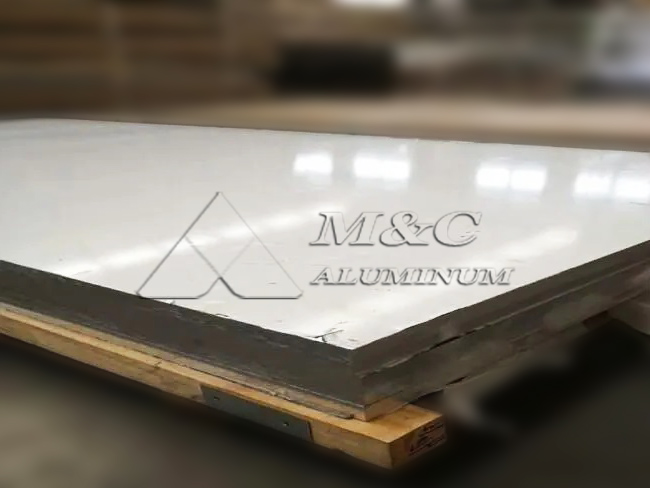
Aluminum 5083 H321 Sheet for Marine Hulls
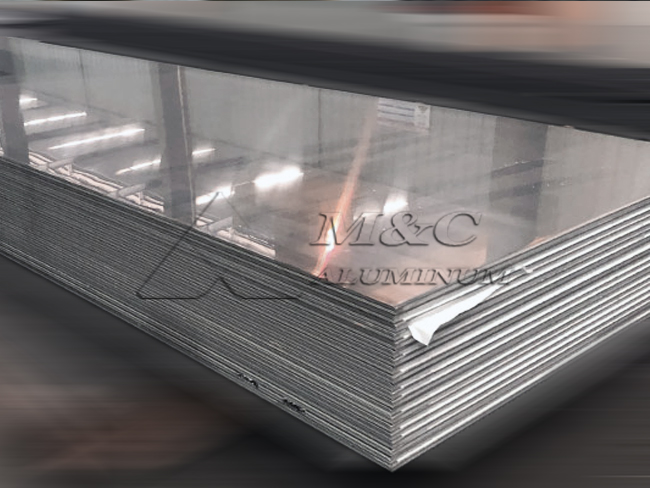
As an aluminum rolling mill and marine plate manufacturer, we produce Aluminum 5083 H321 sheet for marine hulls, decks, superstructures, bulkheads, and other welded shipbuilding structures. This alloy is widely used in commercial vessels, patrol boats, workboats, ferries, offshore service craft, and high-speed aluminum boats because it combines high strength, excellent seawater corrosion resistance, and reliable weldability.
For hull construction, material consistency is as important as nominal strength. Our production process focuses on controlled chemistry, stable rolling parameters, verified temper properties, flatness, clean surface quality, and traceable inspection records. The purpose is to supply 5083 H321 marine aluminum sheet that supports efficient forming, welding, and long-term performance in marine environments.
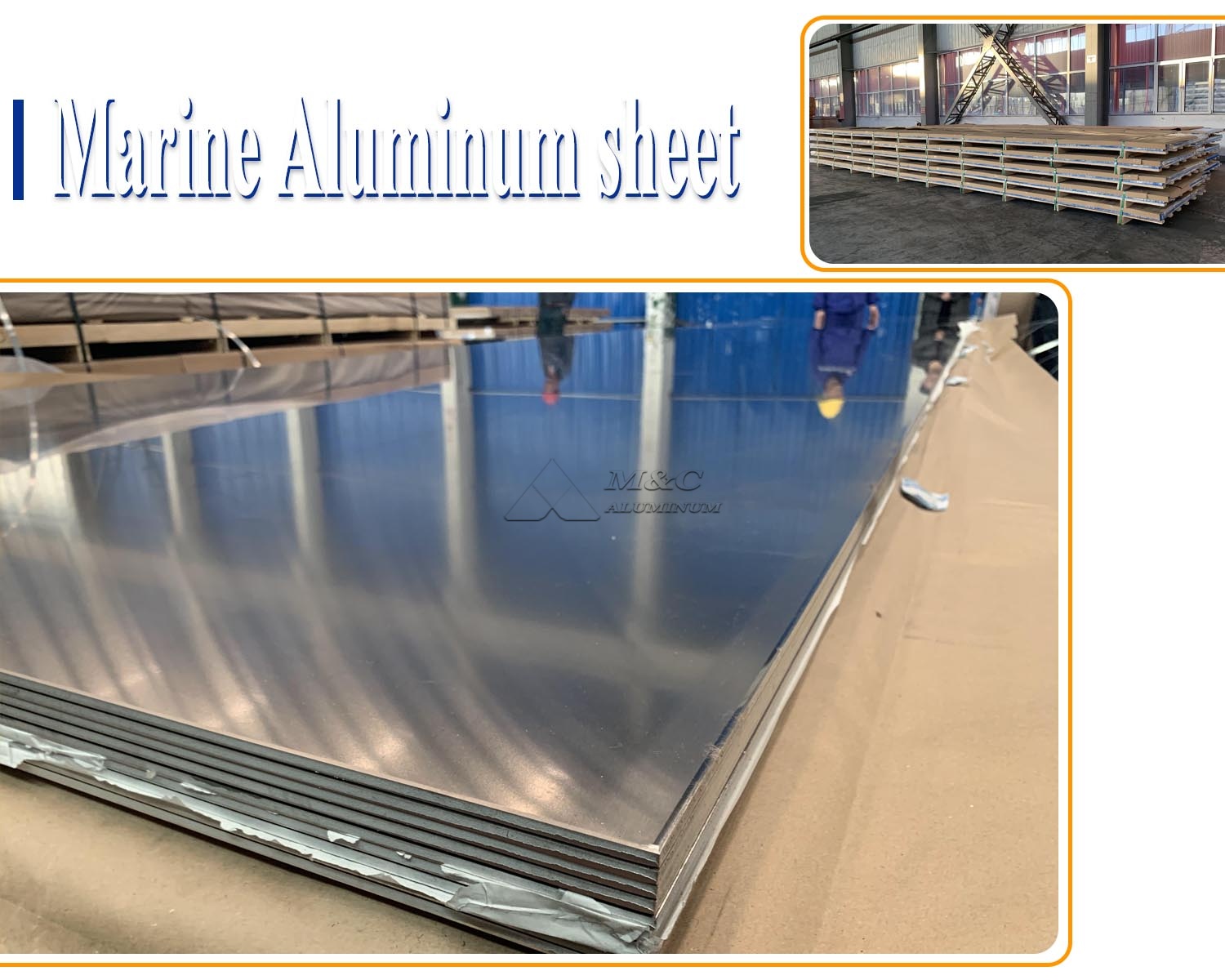
What Is 5083 H321 Marine Aluminum Sheet?
5083 is a non-heat-treatable aluminum-magnesium alloy. Its main strengthening element is magnesium, with manganese and chromium added to improve corrosion resistance and mechanical stability. The alloy is not strengthened by heat treatment. Instead, its mechanical properties are achieved through work hardening and controlled stabilization.
The H321 temper indicates that the material has been strain hardened and stabilized, with properties suitable for marine service. Compared with some harder tempers, H321 provides a practical balance between strength, ductility, forming performance, and resistance to stress corrosion in marine structures. This is one reason why 5083 H321 sheet is commonly specified for welded hull plates and structural panels exposed to seawater.
In our product range, 5083 Marine aluminum is supplied in sheet and plate forms for shipyards, boat builders, marine equipment manufacturers, and offshore engineering projects.
Why 5083 H321 Is Used for Marine Hulls
Marine hull material must withstand wave impact, vibration, cyclic loading, saltwater exposure, welding heat input, and forming operations. 5083 H321 Marine aluminum sheet is suitable for these requirements for several practical reasons.
First, it offers high strength among common non-heat-treatable marine aluminum alloys. This helps designers reduce structural weight while maintaining load-bearing capability. In many aluminum boat hulls, weight reduction contributes to improved fuel efficiency, higher payload, easier handling, and better speed performance.
Second, 5083 H321 has excellent resistance to seawater corrosion. The aluminum-magnesium alloy system forms a protective oxide film, and the controlled composition supports long-term service in humid and salt-rich environments. For hull bottoms, side shells, transoms, deck structures, and marine platforms, this corrosion resistance is a key reason for selecting 5083 marine grade aluminum.
Third, the alloy has strong weldability. Marine hulls usually require extensive MIG or TIG welding. 5083 H321 can be welded using common marine filler alloys such as 5183, 5356, or 5556, depending on design requirements and classification rules. Proper welding procedure control helps maintain joint quality and reduce deformation.
Fourth, 5083 H321 aluminum sheet provides stable fabrication performance. Shipyards require material that can be cut, bent, pressed, rolled, and welded with predictable behavior. Our manufacturing control supports consistent plate flatness, surface condition, and mechanical properties, which can help reduce processing interruptions in hull production.
Typical Applications in Hull Construction
5083 H321 aluminum sheet is suitable for both small and large marine structures. Common applications include hull side plates, bottom plates, deck panels, bulkheads, stringers, frames, cabin structures, engine room components, and internal stiffened panels. It is also used for marine tanks, gangways, floating platforms, and offshore equipment where welded aluminum structures are required.

For boat builders comparing materials within the broader Marine Aluminum Alloy category, 5083 H321 is often selected where higher strength and superior corrosion resistance are required, especially in hulls and structural members exposed to seawater.
Technical Parameters of Aluminum 5083 H321 Sheet
The following data represents typical manufacturing and supply parameters. Final values can be produced according to agreed standards, project specifications, and classification society requirements.
| Item | Typical Specification |
|---|---|
| Product name | Aluminum 5083 H321 sheet or plate |
| Alloy | 5083 |
| Temper | H321 |
| Main elements | Al-Mg-Mn-Cr |
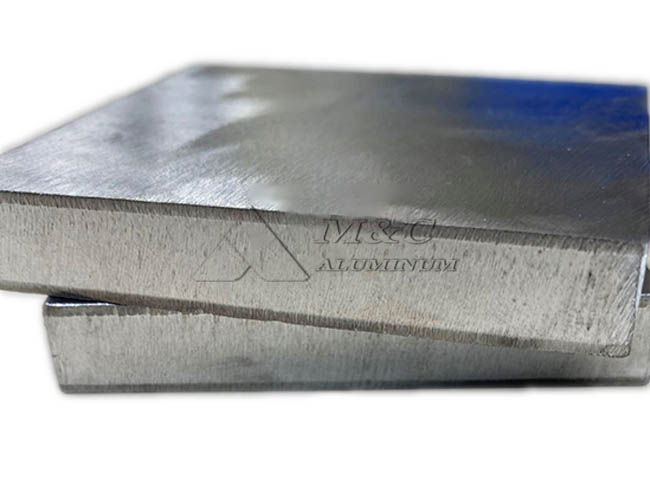
| Thickness range | 2.0 mm to 150 mm, depending on width and order standard |
| Width range | 1000 mm to 2600 mm, customized widths available |
| Length range | 2000 mm to 12000 mm, cut-to-length available |
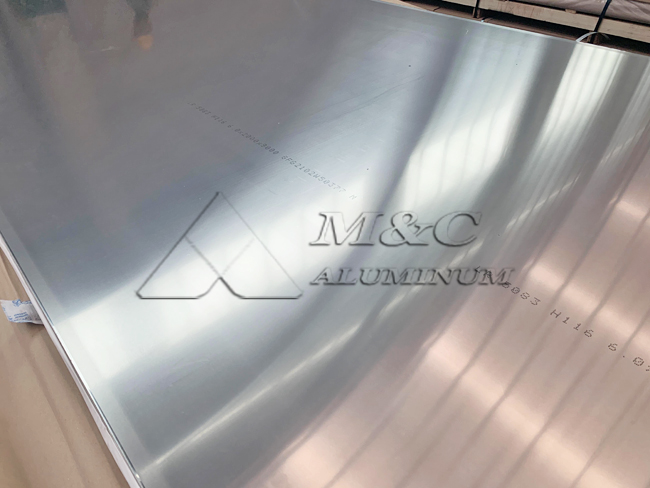
| Surface | Mill finish, clean and free from harmful defects |
| Processing | Hot rolling, cold rolling, leveling, cutting, inspection |
| Common standards | ASTM B928, ASTM B209, EN 485, EN 573, ABS, DNV, LR, BV, CCS as required |
| Typical use | Marine hulls, decks, bulkheads, superstructures, offshore structures |
Chemical Composition
Chemical composition is controlled during melting and casting to support corrosion resistance, weldability, and stable mechanical properties. The typical composition range is shown below. Exact requirements should be confirmed according to the order standard.
| Element | Typical Range, % |
|---|---|
| Si | <= 0.40 |
| Fe | <= 0.40 |
| Cu | <= 0.10 |
| Mn | 0.40 to 1.00 |
| Mg | 4.00 to 4.90 |
| Cr | 0.05 to 0.25 |
| Zn | <= 0.25 |
| Ti | <= 0.15 |
| Others, each | <= 0.05 |
| Others, total | <= 0.15 |
| Al | Balance |
Typical Mechanical Properties
Mechanical performance depends on thickness, production route, and applicable standard. As a manufacturer, we provide mill test certificates with each shipment. The following values are for reference and should not replace project-specific approval documents.
| Property | Typical Value for 5083 H321 |
|---|---|
| Tensile strength | 305 MPa to 385 MPa |
| Yield strength | >= 215 MPa, thickness dependent |
| Elongation | >= 10%, thickness dependent |
| Hardness | Typically 75 HB to 95 HB |
| Density | About 2.66 g/cm3 |
| Modulus of elasticity | About 70 GPa |
| Thermal conductivity | About 117 W/mK |
| Weldability | Excellent with proper marine welding procedures |
| Corrosion resistance | Excellent in seawater and marine atmosphere |
Manufacturing Control in Our Mill
Our production starts with raw material selection and controlled melting. Chemical composition is verified before casting, and the ingot structure is managed for subsequent rolling quality. Homogenization, scalping, hot rolling, cold rolling when required, stabilization, leveling, and cutting are performed according to the planned route for 5083 H321 sheet.
For marine hull aluminum plate, thickness tolerance and flatness are particularly important. Uneven plates can increase fitting time and welding stress during hull assembly. We use controlled rolling and leveling equipment to achieve stable geometry. Surface defects such as deep scratches, heavy oil stains, inclusions, and lamination are checked because they may affect corrosion performance or fabrication quality.
Traceability is maintained from melting batch to finished sheet. Each production lot can be linked to chemistry, rolling records, heat treatment or stabilization records, mechanical testing, and final inspection. For classification projects, we can prepare documentation according to the required inspection procedure.
Quality Inspection and Testing
Our quality control for 5083 H321 marine aluminum sheet includes visual inspection, dimensional measurement, tensile testing, chemical analysis, and surface quality verification. For projects requiring classification society approval, additional inspection and witnessing can be arranged according to contract requirements.
| Inspection Item | Purpose |
|---|---|
| Chemical analysis | Confirms alloy composition and marine grade suitability |
| Tensile test | Verifies strength, yield strength, and elongation |
| Dimension check | Confirms thickness, width, length, and tolerance |
| Flatness inspection | Supports efficient shipyard assembly and welding |
| Surface inspection | Checks surface cleanliness and visible defects |
| Ultrasonic testing | Available for thicker plates when required |
| Certificate review | Ensures traceability and compliance with order standards |
Marine projects often require consistent documentation. We provide material test certificates, packing lists, heat numbers, and product labels. When requested, we can coordinate with third-party inspection agencies or classification societies before shipment.
Fabrication Guidance for Shipyards
5083 H321 aluminum sheet is suitable for cutting by shearing, sawing, waterjet, plasma, or CNC routing, depending on thickness and edge requirements. For bending and forming, minimum bend radius should be selected according to thickness, grain direction, and equipment condition. Trial bending is recommended for critical hull components.
During welding, clean joint preparation is essential. Oil, moisture, oxide, and contamination should be removed before welding. Suitable filler wire, controlled heat input, appropriate shielding gas, and correct joint design help reduce porosity and distortion. Because aluminum conducts heat quickly, welding parameters should be developed by qualified personnel and verified through procedure qualification when required.
After welding, the structure should be inspected for cracks, porosity, undercut, distortion, and dimensional accuracy. In marine hull construction, the combination of material quality and welding process control determines the final reliability of the vessel.
Surface Condition and Corrosion Protection
Aluminum 5083 H321 has strong natural corrosion resistance, but good fabrication and maintenance practices are still necessary. Direct contact with dissimilar metals should be managed to reduce galvanic corrosion. Insulation materials, compatible fasteners, sealants, coatings, or cathodic protection may be used according to the design environment.
For painted hulls, surface preparation should follow the coating supplier's procedure. Proper cleaning, abrasion, primer selection, and coating thickness control improve adhesion and service life. For unpainted workboat structures, regular cleaning and inspection help maintain the protective oxide surface.
Packing and Shipment
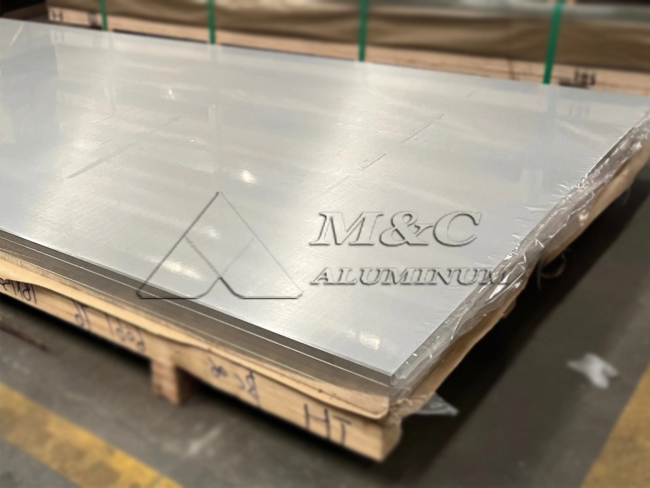
Marine aluminum sheet must be protected during transportation because surface damage can create extra work for shipyards. Our packing is selected according to sheet size, thickness, destination, and transport method. Common packing methods include waterproof paper or film, wooden pallets, steel straps, edge protection, and clear product labeling.
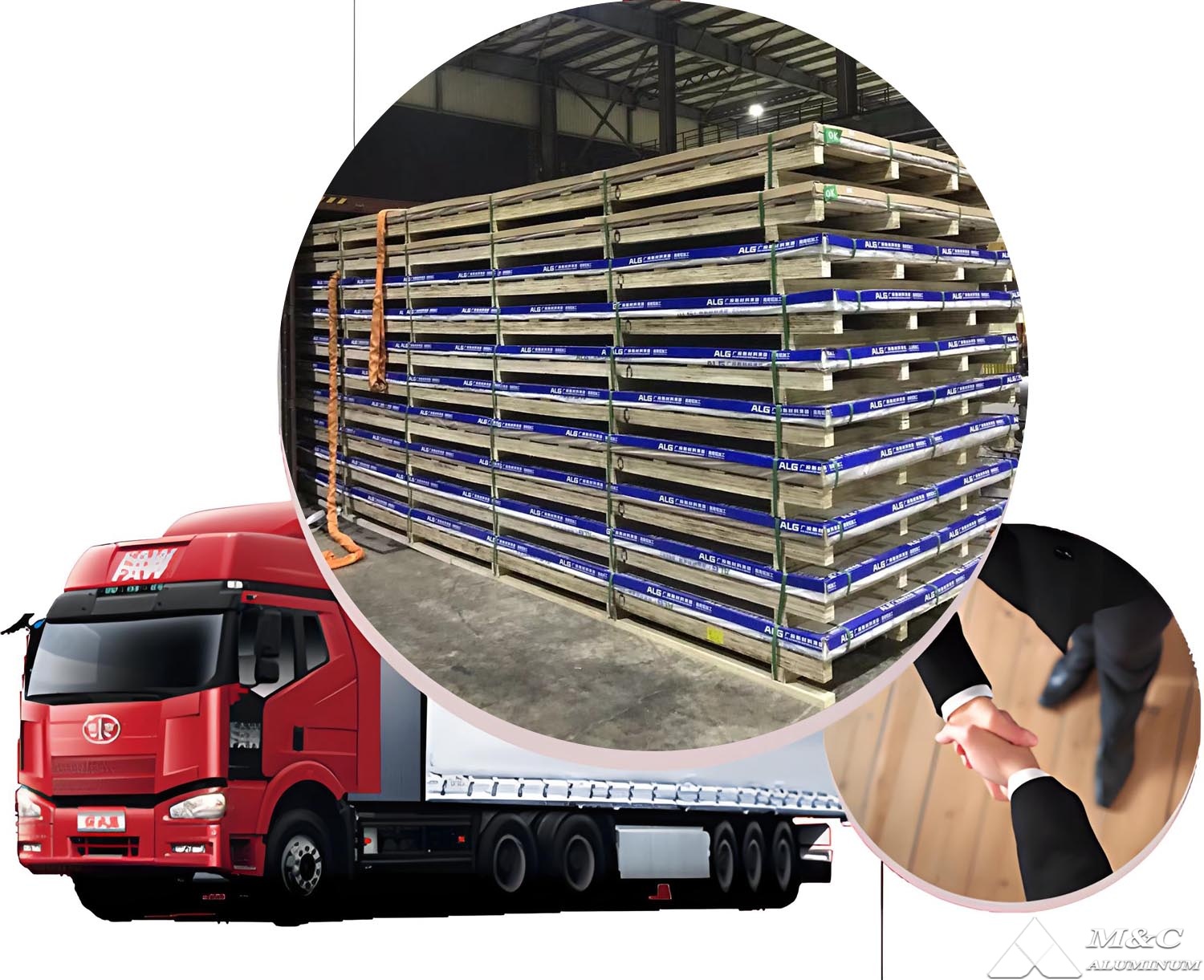
For export orders, we arrange seaworthy packing and provide shipping marks for identification. Bundles are prepared to reduce movement during loading and transit. We also support mixed thickness shipments when the project requires several hull plate sizes in one order.
Ordering Information
To quote and manufacture Aluminum 5083 H321 sheet for marine hulls accurately, we recommend providing alloy, temper, thickness, width, length, quantity, standard, certification requirement, packing method, and destination port. If the sheet will be used for classification-approved vessels, the relevant society and inspection requirements should be stated before production.
As a factory, our role is to supply stable, traceable, and specification-compliant marine aluminum sheet that supports efficient vessel construction. Through controlled manufacturing, technical documentation, and practical export packing, we provide 5083 H321 marine aluminum sheet for shipyards and marine fabricators requiring dependable hull materials.
Original Source: https://www.marinealum.com/a/aluminum-5083-h321-sheet-for-marine-hulls.html
Tag: Aluminum 5083 H321 sheet 5083 H321 marine aluminum sheet marine hull aluminum plate aluminum sheet for boat hulls 5083 marine grade aluminum shipbuilding aluminum sheet marine aluminum sheet manufacturer