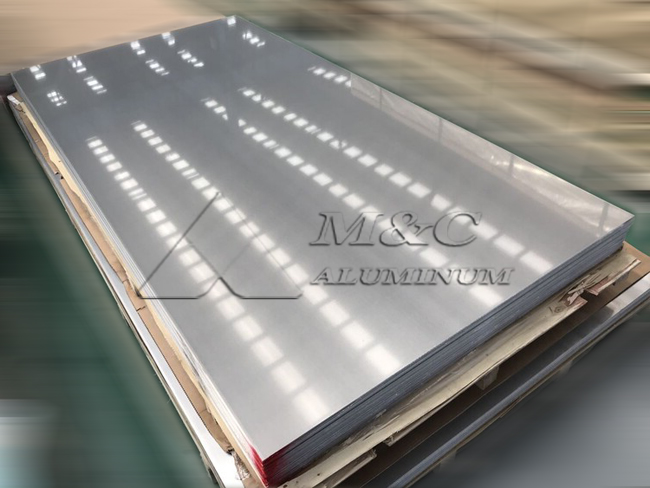
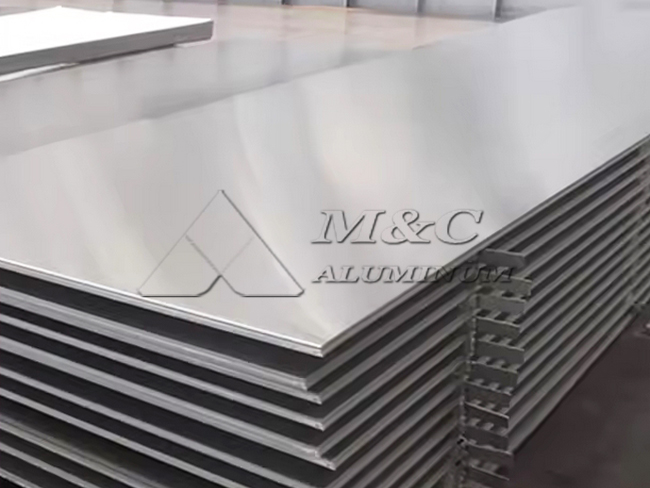
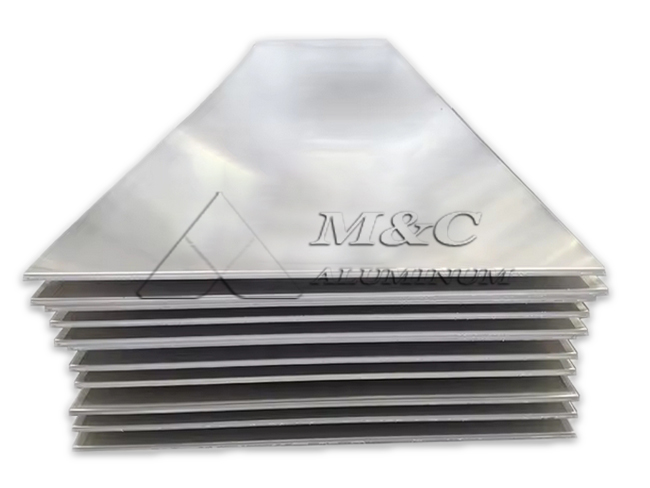
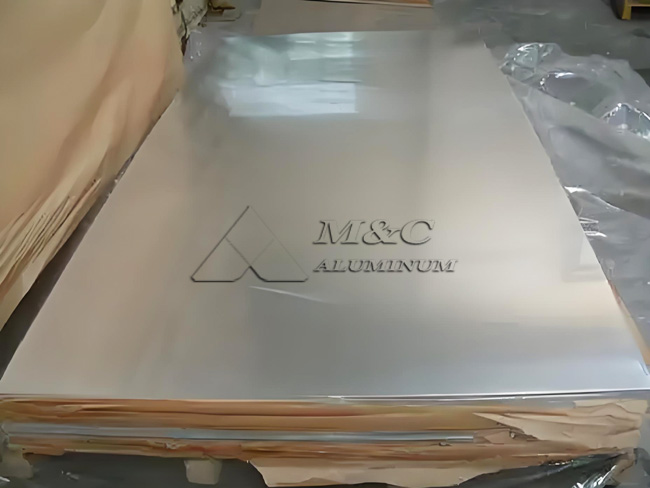
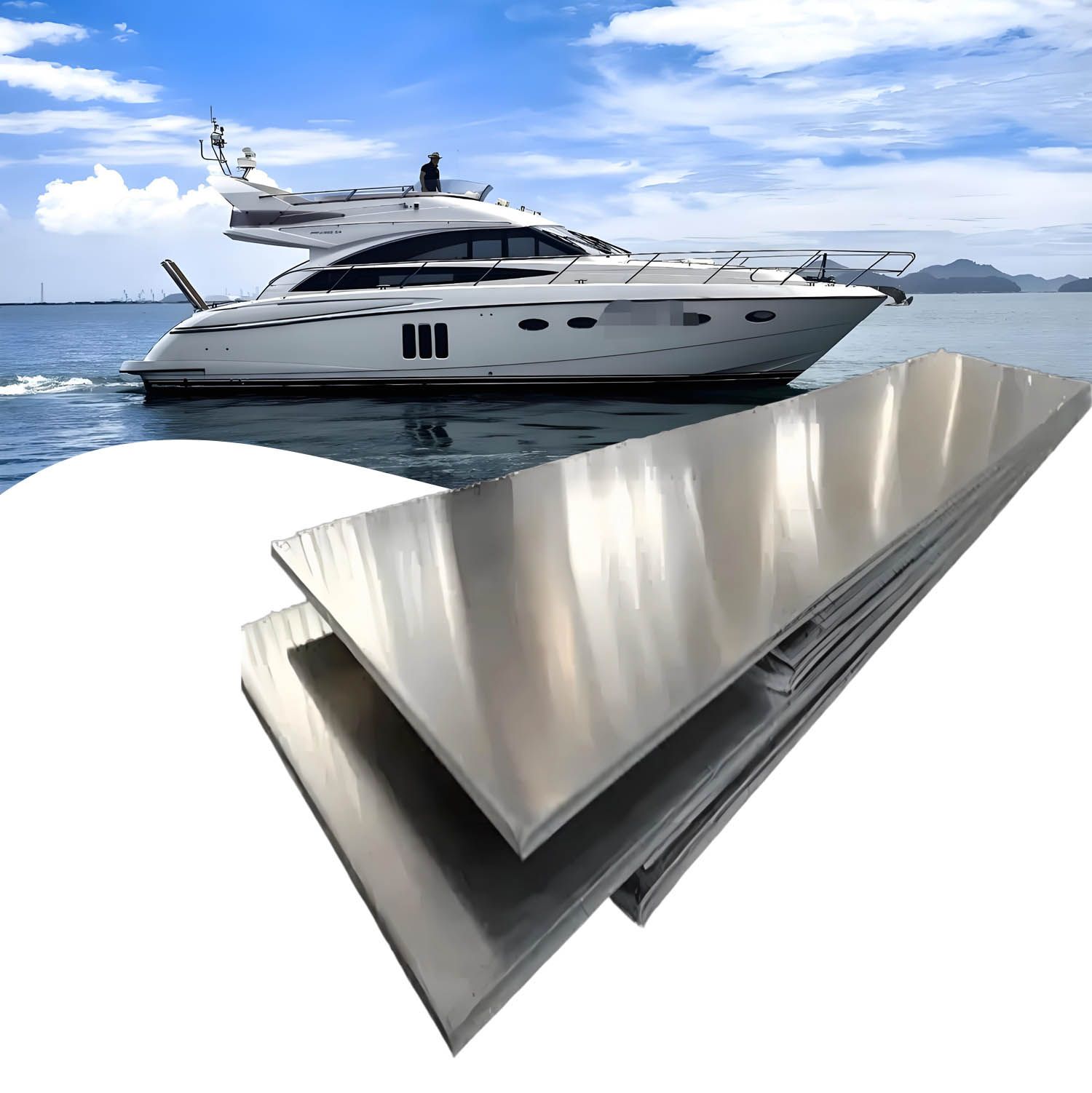
As an aluminum sheet manufacturer serving yacht builders, shipyards, and marine equipment fabricators, we produce anti-corrosive 5000 series aluminum sheet for yacht hulls, decks, superstructures, cabins, fuel tanks, and auxiliary marine components. The 5000 series is based on aluminum-magnesium alloy chemistry, offering a practical combination of seawater corrosion resistance, weldability, moderate to high strength, and good forming performance.
For yacht construction, material selection is not only a question of strength. The alloy must resist marine atmosphere, salt spray, bilge moisture, fuel exposure, and repeated wet-dry cycles. It must also remain stable during cutting, bending, rolling, welding, surface preparation, and coating. Our factory focuses on controlled composition, flatness, mechanical performance, surface quality, and traceable production so that each batch of marine grade aluminum sheet can meet engineering and fabrication requirements.
Why 5000 Series Aluminum Is Used In Yacht Construction
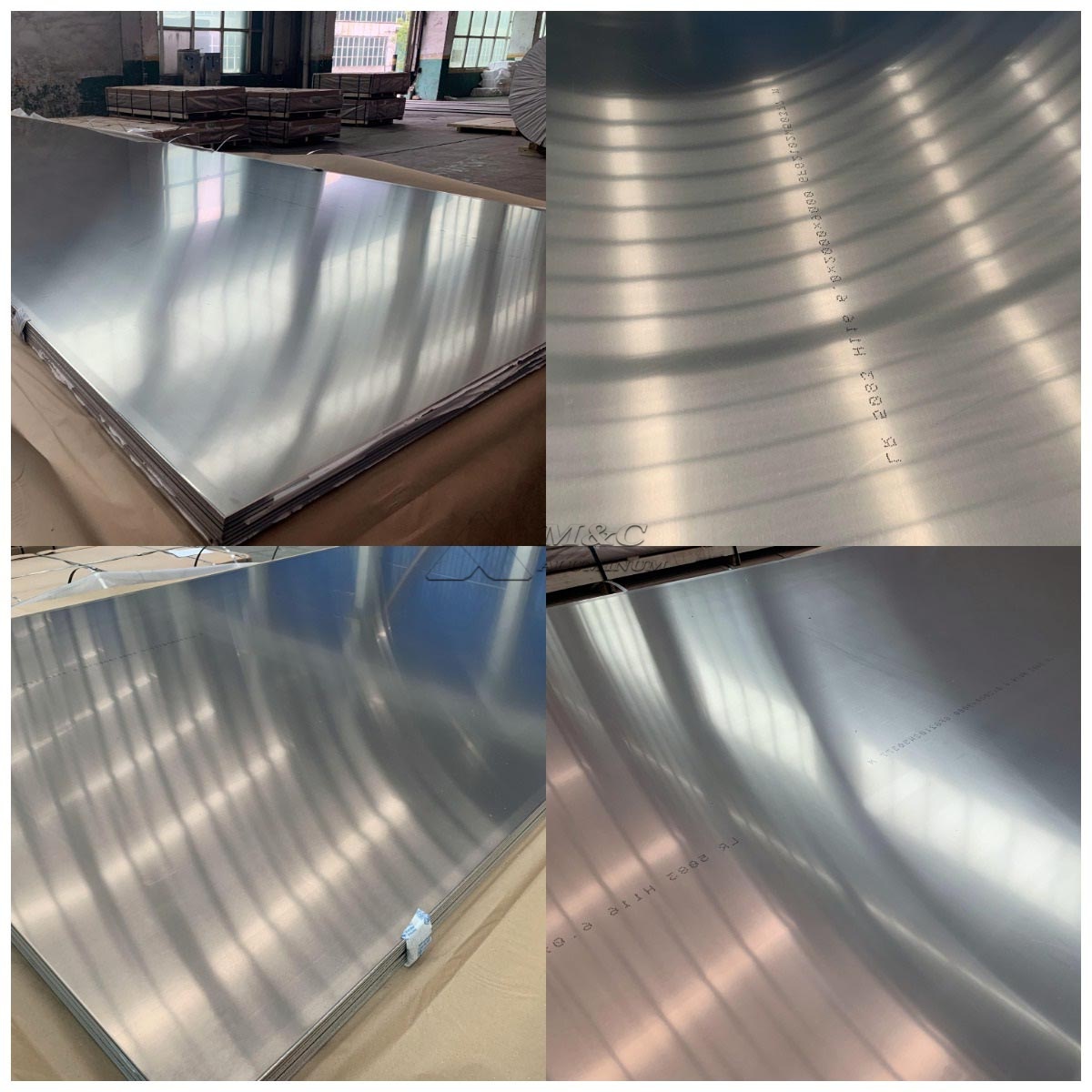
5000 series aluminum sheet contains magnesium as the main alloying element. This alloy system is non-heat-treatable and obtains strength mainly through solid solution strengthening and work hardening. Compared with many general industrial aluminum grades, marine 5000 series alloys provide better resistance to chloride environments, which is important for yachts operating in coastal waters and open sea conditions.
Typical yacht applications include bottom plates, side shell plates, bulkheads, decks, pilothouse panels, interior structures, tanks, platforms, and outfitting parts. In these areas, corrosion resistance, weld seam quality, fatigue behavior, and dimensional consistency are all important. For large panels, the sheet must also maintain good flatness to reduce fitting time and improve assembly accuracy.
As a manufacturer, we recommend alloy selection according to service position, forming level, welding process, design strength, and certification requirements. For example, 5083 Marine aluminum is widely used for high-strength hull structures, while 5052 Marine aluminum is suitable for parts requiring good formability and reliable corrosion resistance.
Main Alloys For Anti-Corrosive Yacht Aluminum Sheet
Several 5000 series marine aluminum alloys are commonly used in yacht and marine fabrication. Each grade has a different balance of strength, corrosion resistance, and processing behavior.
5052 marine aluminum sheet offers excellent corrosion resistance and formability. It is suitable for cabin panels, interior marine structures, covers, tanks, hatches, and components requiring bending or moderate forming. 5052 is often supplied in H32, H34, and H112 tempers.
5083 marine aluminum sheet provides high strength among non-heat-treatable aluminum alloys and performs well in seawater. It is commonly used for yacht hull plates, side plates, bottom structures, bulkheads, decks, and welded marine structures. 5083 is one of the most recognized marine aluminum alloys for demanding shipbuilding applications.
5086 marine aluminum sheet offers good weldability, corrosion resistance, and mechanical performance. It is used for hulls, deck structures, gangways, marine platforms, and medium to heavy welded components. It is often selected where reliable service in saltwater conditions is required.
5754 marine aluminum sheet provides good corrosion resistance and medium strength. It is suitable for flooring, deck panels, tanks, and auxiliary structural parts. It also offers stable performance during bending and fabrication.
5456 marine aluminum sheet has higher magnesium content and higher strength than some standard marine alloys. It can be used in marine structures requiring increased mechanical performance, subject to design and project specifications.
Technical Parameters Of 5000 Series Yacht Aluminum Sheet
The following table lists common parameters for marine aluminum sheet used in yacht construction. Final values depend on alloy, temper, thickness, production standard, and customer specification.
| Item | Typical Specification |
|---|---|
| Product | Anti-corrosive 5000 series aluminum sheet for yacht |
| Main alloys | 5052, 5083, 5086, 5754, 5456, 5059, 5383 |
| Tempers | O, H111, H112, H116, H321, H32, H34 |
| Thickness range | 1.0 mm to 200 mm, subject to alloy and width |
| Width range | 500 mm to 2650 mm, customized upon project requirement |
| Length range | 1000 mm to 12000 mm, cut-to-size available |
| Surface | Mill finish, film protected, brushed, coated, or prepared for painting |
| Standards | ASTM B209, EN 485, EN 573, GB/T, or agreed marine specification |
| Key properties | Saltwater corrosion resistance, weldability, formability, fatigue resistance |
| Processing | Cutting, leveling, shearing, bending, CNC cutting, surface protection |
| Inspection | Chemical composition, tensile test, hardness, flatness, surface inspection |
| Application | Yacht hull, deck, cabin, bulkhead, tank, platform, marine fittings |
For yacht hulls and welded structures, H116 and H321 tempers are often considered when resistance to exfoliation corrosion and stability after marine exposure are required. For formed parts, softer tempers or work-hardened conditions may be selected according to bending radius and forming route.
Corrosion Resistance In Marine Environments
The anti-corrosive performance of 5000 series marine aluminum sheet is closely related to alloy chemistry, microstructure control, surface condition, and fabrication practice. Magnesium improves resistance to seawater and marine atmosphere, while proper control of impurities such as iron and silicon helps maintain stable mechanical and corrosion performance.
In yacht service, corrosion may occur from direct seawater contact, salt deposits, trapped moisture, galvanic contact with dissimilar metals, and poor drainage design. Aluminum naturally forms a thin oxide layer, but correct design and maintenance are still necessary. When aluminum is connected with stainless steel, copper alloys, or carbon steel, insulation materials, sealants, and suitable fasteners should be used to reduce galvanic corrosion.
Our production process emphasizes stable ingot quality, controlled rolling, correct annealing or stabilization, and surface protection during packing. For marine grade aluminum sheet, uniform structure and reliable surface quality support long-term anti-corrosive performance after welding, painting, or anodic protection systems.
Mechanical Performance And Weldability
Yacht aluminum sheet must support structural loads while maintaining resistance to dynamic stress from waves, vibration, and propulsion systems. 5000 series marine aluminum has good toughness and fatigue resistance, making it suitable for welded marine structures. However, design engineers should consider strength reduction in the heat-affected zone after welding, especially for work-hardened tempers.
Common welding methods include MIG welding, TIG welding, and automated welding systems. Filler metal selection should match base alloy, required strength, and corrosion performance. Clean surface preparation before welding is essential. Oil, moisture, oxide, and contamination should be removed to reduce porosity and improve weld seam consistency.
As a factory, we can supply sheet with controlled thickness tolerance, stable mechanical properties, and consistent surface condition to help shipyards improve weld quality and reduce rework. For large yacht projects, we recommend confirming welding procedure qualification, bending tests, and coating compatibility before mass fabrication.
Surface Quality And Dimensional Control
Yacht construction often uses large aluminum panels, where flatness and surface quality affect assembly efficiency and final appearance. Our production lines include rolling, stretching, leveling, trimming, and inspection procedures designed to control plate shape and minimize surface defects.
Surface requirements may vary by application. Hull plates and deck panels may need a clean mill finish suitable for blasting, priming, and painting. Interior panels may require better appearance quality or protective film. Components used for visible structures may need additional surface treatment.
Dimensional control covers thickness tolerance, width tolerance, length tolerance, diagonal accuracy, and flatness. When customers provide nesting drawings or CNC cutting plans, we can supply cut-to-size aluminum sheet to reduce material waste and improve processing efficiency at the shipyard.
Manufacturing Process In Our Factory
Our factory production of marine aluminum sheet starts with qualified raw materials and alloying elements. Chemical composition is tested before casting to ensure the alloy meets the required standard. After homogenization, slabs are hot rolled and, when necessary, cold rolled to the specified thickness. Heat treatment or stabilization is performed according to the required temper.
The main process flow includes melting, casting, scalping, homogenization, hot rolling, cold rolling if required, annealing or stabilization, tension leveling, shearing, surface inspection, mechanical testing, marking, and packing. For thick marine aluminum plate, ultrasonic testing or additional inspection can be arranged according to project requirements.
Each batch is traceable by heat number, production lot, specification, and test result. We provide mill test certificates including chemical composition and mechanical properties. For projects requiring third-party inspection or marine classification approval, we coordinate inspection documents and sampling according to contract conditions.
Quality Control For Yacht Aluminum Sheet
Quality control is applied at each stage of production. Chemical analysis confirms alloy composition. Mechanical testing verifies tensile strength, yield strength, and elongation. Surface inspection checks scratches, stains, roll marks, edge cracks, and other visible defects. Flatness and thickness are measured according to applicable tolerance standards.
For yacht manufacturing, consistency across batches is particularly important. Different panels may be welded into the same structure, so variations in strength, forming behavior, and surface condition should be minimized. We maintain production records and inspection reports to support repeat orders and long-term supply for yacht builders.
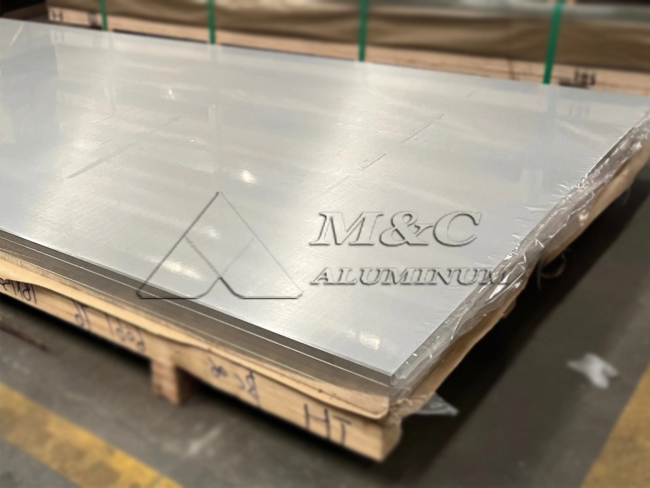
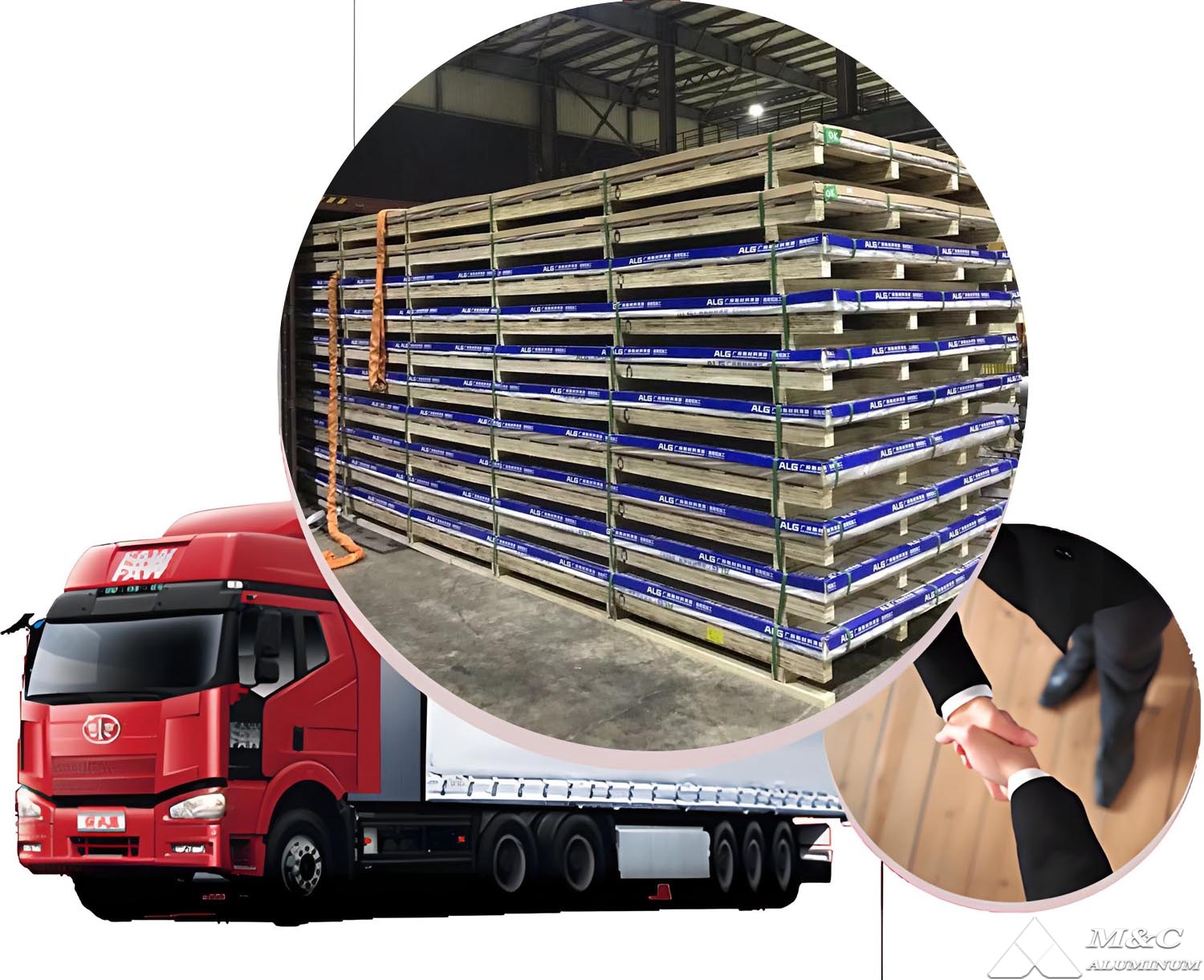
Packing is also part of quality control. Marine aluminum sheets are separated with paper or film when required, protected with moisture-resistant packaging, fixed on wooden pallets or frames, and reinforced for export shipment. Proper packing helps prevent friction marks, water stains, and edge damage during transportation.
Selection Guidelines For Yacht Builders
When selecting anti-corrosive 5000 series aluminum sheet for a yacht project, the following factors should be evaluated:
Structural position, such as hull, deck, cabin, tank, or non-load-bearing panel.
Required strength and expected service load.
Welding method and filler metal.
Forming requirements, including bending radius and rolling direction.
Exposure level to seawater, bilge water, and marine atmosphere.
Surface treatment, such as blasting, priming, painting, or coating.
Applicable standards, classification requirements, and inspection documents.
Sheet size, cutting plan, and fabrication sequence.
For high-strength hull and deck structures, 5083 or 5086 is often selected. For formed covers, tanks, and panels, 5052 or 5754 may be more suitable. For specialized structures requiring higher performance, 5059, 5383, or 5456 can be evaluated according to engineering design.
Factory Supply Capability
We supply marine grade aluminum sheet and plate in standard sizes and customized dimensions. Thickness, width, length, temper, surface protection, and packing can be adjusted according to project drawings and procurement requirements. For yacht manufacturers, stable supply and batch consistency are as important as material performance.
Our engineering and production teams review specifications before production to confirm alloy, temper, tolerance, surface condition, and inspection requirements. This helps reduce misunderstandings and supports smooth processing at the customer site. Whether the order is for prototype yacht construction, repair material, or serial production, we focus on reliable manufacturing rather than excessive claims.
Conclusion
Anti-corrosive 5000 series aluminum sheet is a proven material choice for yacht hulls, decks, cabins, tanks, and marine structures. Its advantages include seawater corrosion resistance, good weldability, favorable strength-to-weight ratio, and practical fabrication performance. Correct alloy selection, controlled production, proper welding practice, and suitable surface protection all contribute to long service life.
As a direct manufacturer, we provide 5052, 5083, 5086, 5754, 5456, 5059, and 5383 marine aluminum sheet with traceable quality control and export packing. By matching alloy and temper to the actual yacht application, we help shipyards and marine fabricators obtain stable materials for efficient and durable construction.
Original Source: https://www.marinealum.com/a/anti-corrosive-5000-series-aluminum-sheet-for-yacht.html
Tag: anti-corrosive 5000 series marine aluminum sheet yacht aluminum sheet marine grade aluminum sheet 5083 marine aluminum 5052 marine aluminum aluminum sheet for yacht hull corrosion resistant aluminum plate