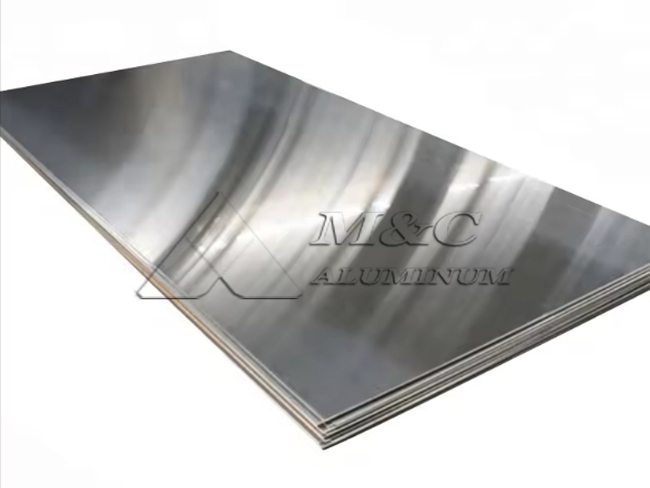
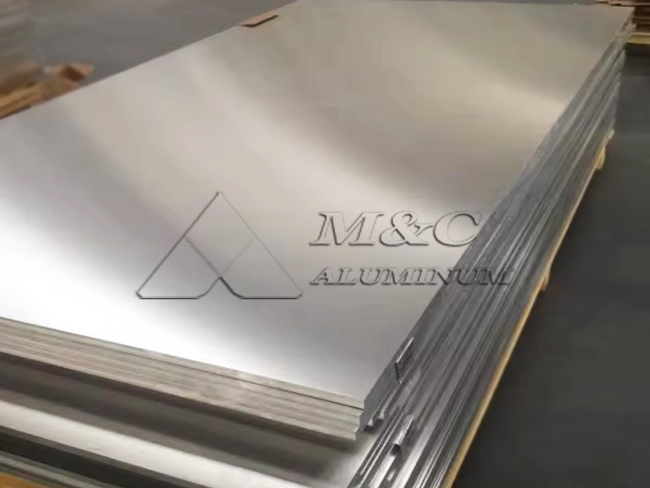
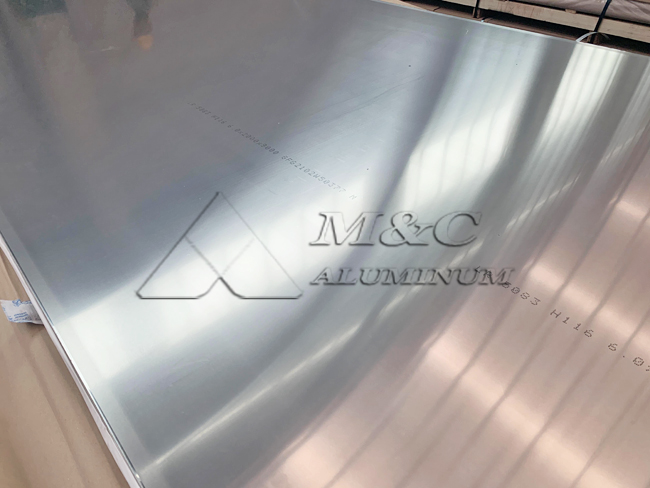
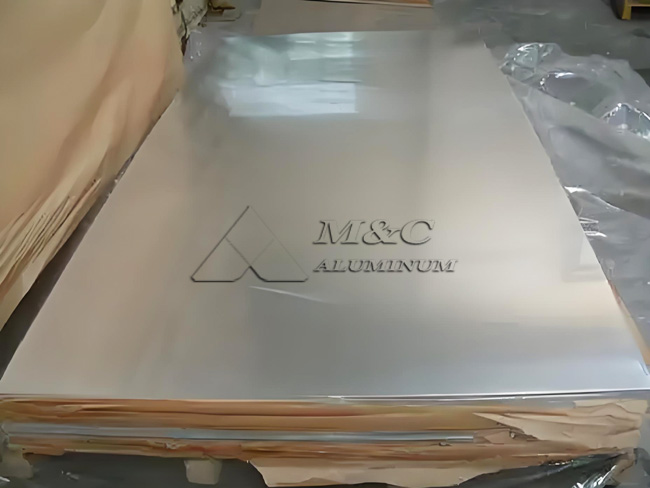
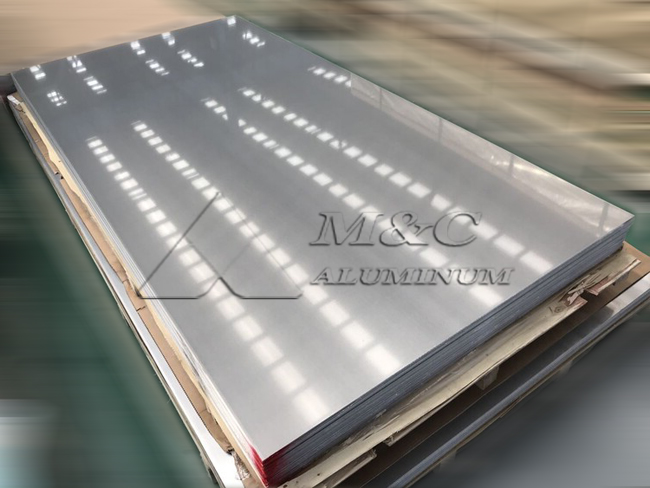
As an aluminum rolling and processing factory, we supply 5xxx series marine aluminum sheet and plate for shipyards, boat builders, offshore fabricators, tank manufacturers, and engineering contractors. Among marine grade aluminum materials, 5052, 5083, and 5754 are widely selected because they combine corrosion resistance, weldability, formability, and practical strength without requiring heat treatment.
This article provides a factory-level overview of these three alloys, including typical properties, tempers, applications, processing considerations, and purchasing points. The purpose is to help engineering buyers select the correct marine aluminum sheet based on vessel type, forming requirement, welding method, and service environment.
Why 5xxx Series Aluminum Is Used in Marine Environments
5xxx series aluminum is an aluminum-magnesium alloy family. Magnesium is the primary alloying element, and it improves strength while maintaining good resistance to seawater and industrial atmospheres. Unlike 2xxx or 7xxx series aluminum, 5xxx marine aluminum sheet is not strengthened by heat treatment. Its mechanical performance is mainly controlled by magnesium content, rolling reduction, and temper.
For shipbuilding and marine equipment, this is a practical advantage. The material retains good corrosion resistance after welding, and welded structures can be produced without complex post-weld heat treatment. In addition, 5xxx aluminum has a favorable strength-to-weight ratio, which helps reduce hull weight, improve fuel efficiency, and simplify handling during fabrication.
In our production and inspection process, marine aluminum sheet is controlled not only by chemical composition and mechanical properties, but also by flatness, surface quality, thickness tolerance, ultrasonic quality when required, and traceability. For projects involving classification society approval, we can organize production and documentation according to the relevant order requirements.
Overview of 5052, 5083, and 5754 Marine Aluminum Sheet
Although 5052, 5083, and 5754 all belong to the 5xxx family, they are not interchangeable in every marine application. Their differences are mainly related to magnesium content, strength level, forming performance, and typical service position.
5052 Marine aluminum is a versatile alloy with excellent corrosion resistance and good formability. It is often used for boat interiors, small vessel components, covers, cabinets, non-pressure tanks, deck fittings, and parts requiring bending or shallow drawing.
5083 marine aluminum sheet is a higher-strength alloy used for hull plates, decks, superstructures, pressure-related structures, and heavy-duty marine fabrication. For shipbuilding projects that require higher mechanical strength and reliable welded performance, 5083 Marine aluminum is one of the most established choices.
5754 marine aluminum sheet sits between 5052 and 5083 in many selection scenarios. It offers good corrosion resistance, good weldability, and better strength than some general-purpose aluminum sheets. It is commonly used in small boats, marine panels, vehicle and marine equipment, floor plates, and formed structural parts.
Typical Technical Parameters
The following table summarizes common technical information for reference. Actual values depend on temper, thickness, standard, and order specification. Engineering buyers should confirm the final requirements according to the drawing, classification rule, or purchase standard.
| Alloy | Main Alloying Element | Common Tempers | Typical Tensile Strength Range | Corrosion Resistance | Weldability | Typical Marine Uses |
|---|---|---|---|---|---|---|
| 5052 | Mg 2.2-2.8 percent | O, H32, H34, H111 | 170-260 MPa | Excellent | Excellent | Small boat parts, covers, tanks, panels, interior marine components |
| 5083 | Mg 4.0-4.9 percent, Mn | O, H111, H112, H116, H321 | 270-350 MPa | Excellent, especially in seawater | Excellent | Hull plates, decks, bulkheads, superstructures, offshore structures |
| 5754 | Mg 2.6-3.6 percent | O, H111, H22, H24, H32 | 190-290 MPa | Excellent | Excellent | Boat panels, floor plates, formed parts, marine equipment housings |
| Parameter | Factory Supply Range and Control Points |
|---|---|
| Thickness | Commonly 1.0-150 mm, subject to alloy, temper, and width |
| Width | Commonly 1000-2600 mm for sheet and plate, special widths by order review |
| Length | Cut-to-length sheet, standard plate length, or customized length |
| Surface | Mill finish, clean surface, no harmful defects affecting use |
| Inspection | Chemical analysis, mechanical testing, dimension inspection, surface inspection |
| Documentation | Mill test certificate, traceability record, packing list, optional third-party inspection |
5052 Marine Aluminum Sheet: Balanced Formability and Corrosion Resistance
5052 aluminum sheet is widely used where the structure requires moderate strength, excellent corrosion resistance, and reliable forming performance. Compared with 5083, 5052 has lower strength but better general formability. This makes it suitable for bent, rolled, or formed components used in boats and marine equipment.
In production, 5052 is commonly supplied in O, H32, H34, and H111 tempers. O temper provides maximum softness for forming. H32 and H34 provide higher strength through strain hardening and partial stabilization. H111 is often selected when slight strain hardening and improved dimensional stability are needed.
Typical marine applications include small boat cabin panels, instrument panels, marine tanks, non-structural bulkheads, enclosures, hatch covers, and decorative or functional marine sheet parts. It also performs well in humid coastal environments, dock equipment, and marine service components.
From a fabrication perspective, 5052 marine aluminum sheet can be welded by MIG or TIG processes, and it has good resistance to cracking. Proper filler selection and cleaning before welding are still important. As a manufacturer, we recommend that buyers specify bending radius, surface requirement, temper, and final part use when placing orders, especially when the material will be formed after delivery.
5083 Marine Aluminum Sheet: High Strength for Hull and Structural Use
5083 aluminum plate is one of the most recognized aluminum alloys for marine structural applications. Its higher magnesium content gives it greater strength than 5052 and 5754, while maintaining excellent resistance to seawater corrosion. For hull structures, decks, bulkheads, and welded marine assemblies, 5083 provides a strong balance between mechanical performance and durability.
Common tempers include O, H111, H112, H116, and H321. For marine plate exposed to seawater, H116 and H321 are often specified because they are designed to provide resistance to exfoliation corrosion and stress corrosion under marine service conditions. H112 is also used for plate products where controlled mechanical properties and good stability are required.
5083 marine aluminum sheet and plate are commonly used in fishing vessels, patrol boats, workboats, ferries, LNG-related marine equipment, offshore platforms, and welded structural parts. The alloy is also valued in cryogenic applications because it maintains good toughness at low temperature.
During factory production, control of hot rolling, cold rolling, annealing, stretching or leveling, and final inspection is important. Thickness tolerance and flatness are particularly important for large hull plates, because poor dimensional control can increase welding workload and assembly correction. For shipyard orders, we focus on stable batch quality, plate identification, and packaging suitable for long-distance transport.
5754 Marine Aluminum Sheet: Practical Choice for Panels and Formed Structures
5754 aluminum sheet is another important 5xxx marine grade aluminum material. It provides excellent corrosion resistance and good weldability, with strength higher than 5052 in many specifications but generally lower than 5083. Its balanced properties make it suitable for formed marine components and medium-duty structures.
5754 is often selected for marine panels, deck plates, walkways, small boat structures, equipment covers, vehicle-marine combined components, and flooring systems. It also performs well in tread plate form when slip resistance and corrosion resistance are required.
In fabrication, 5754 offers good bending and forming behavior, especially in softer tempers such as O and H111. H22, H24, and H32 tempers provide higher strength for flat or lightly formed parts. When the component involves deep forming, tight bending, or visible surface requirements, it is important to confirm temper and surface finish before production.
For buyers comparing 5754 with 5052, the final decision usually depends on strength requirement, forming method, and availability of the required size. For buyers comparing 5754 with 5083, the key point is whether the part is structural and heavily loaded, or mainly a formed panel or medium-duty component.
How We Control Marine Aluminum Sheet Quality in Production
As a factory, we understand that marine aluminum plate is not only a metal product but also a project material. Consistency across batches is important for cutting, welding, forming, and final assembly. Our quality control begins from raw material selection and continues through melting, casting, scalping, homogenization, hot rolling, cold rolling when required, heat treatment, leveling, cutting, inspection, and packing.
Chemical composition is tested to confirm that magnesium, manganese, chromium, iron, silicon, and other elements remain within the specified range. Mechanical properties are verified by tensile testing. For plates used in demanding marine structures, additional inspection items can be arranged according to project requirements, such as ultrasonic testing or third-party witness inspection.
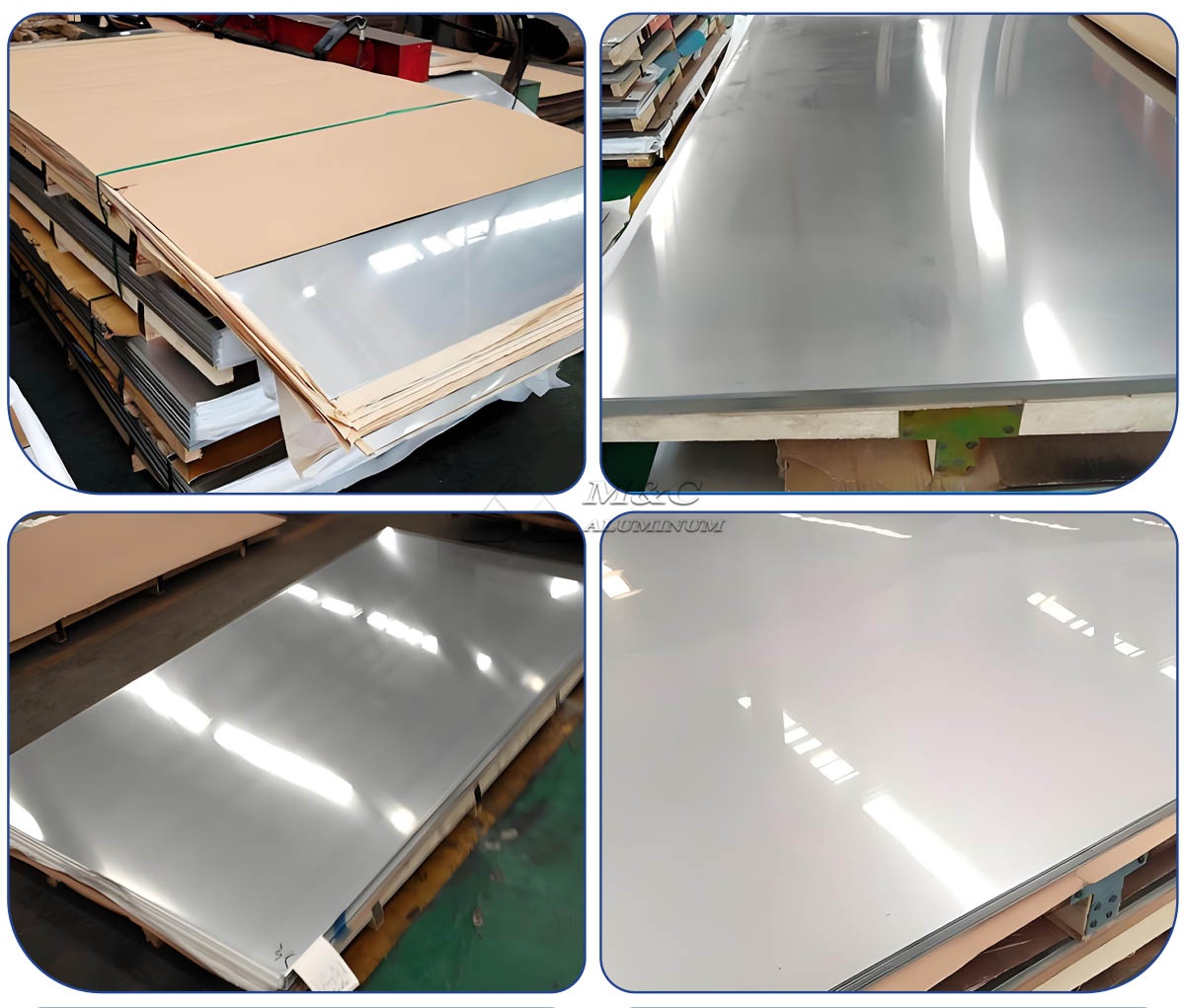
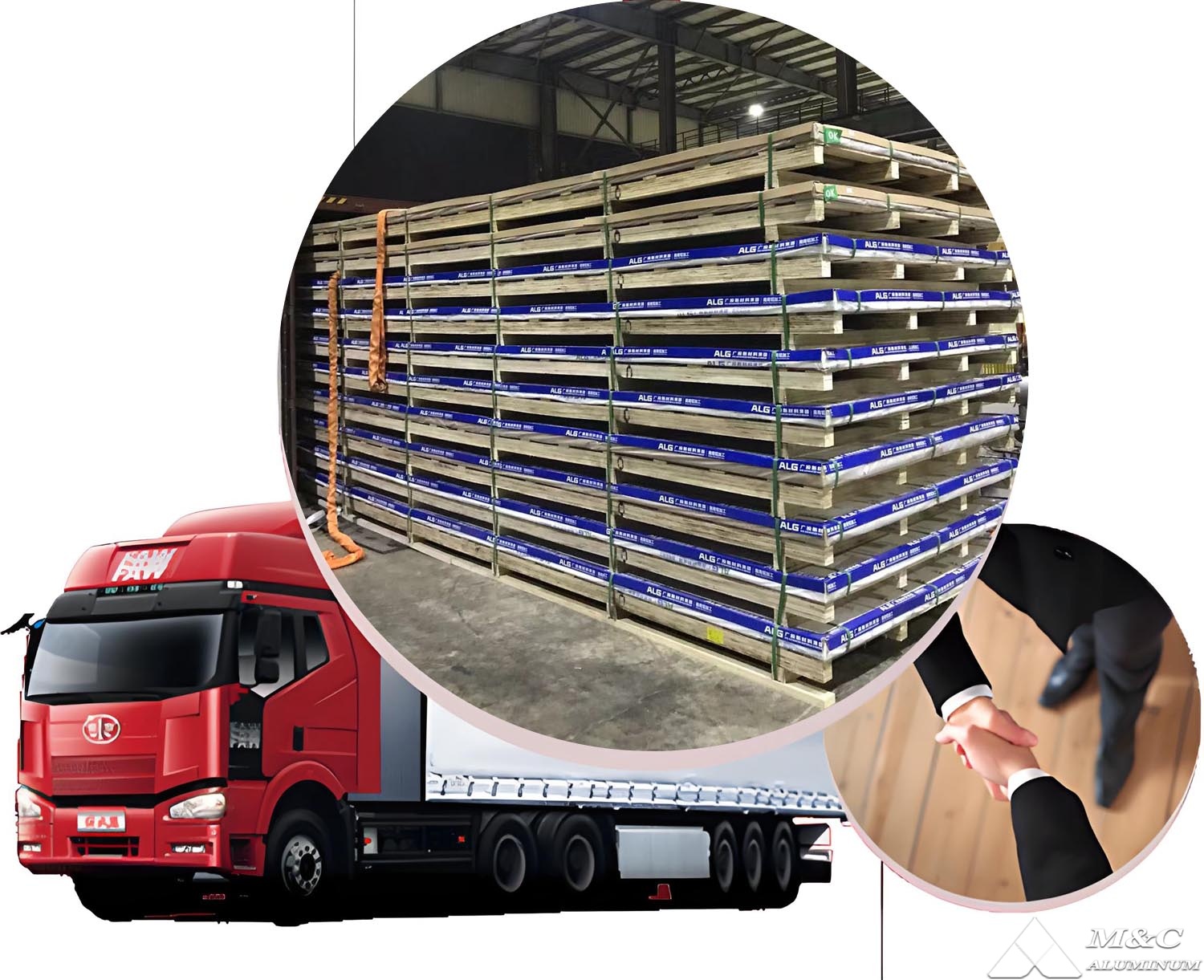
Surface quality is also controlled. Marine aluminum sheet should be free from defects that may affect forming, welding, corrosion resistance, or appearance. Minor mill marks may be acceptable for industrial plate, but scratches, inclusions, oil contamination, or severe waviness can create problems during fabrication. For export orders, we use protective packaging methods such as waterproof paper, plastic film, wooden pallets, and reinforced strapping according to product size and shipping route.
Selection Guidelines for Engineering Buyers
When selecting 5xxx series marine aluminum sheet, buyers should not rely only on alloy name. The correct specification should include alloy, temper, thickness, width, length, tolerance standard, surface requirement, quantity, inspection requirement, and application.
For formed parts, 5052 or 5754 in softer tempers may reduce cracking risk and improve production efficiency. For hull plates and welded structures requiring higher strength, 5083 in marine tempers is often more suitable. For panels, covers, and equipment housings, 5052 and 5754 are cost-effective and technically practical options.
Welding design should also be considered. Although 5xxx aluminum alloys have excellent weldability, welded strength is affected by heat input, filler metal, joint design, and operator procedure. For marine fabrication, clean surfaces and correct storage before welding are essential. Aluminum sheet should be kept dry and protected from salt, dust, and moisture before processing.
If classification approval or project certification is required, this should be confirmed before production. Different classification societies and shipbuilding standards may have specific requirements for alloy temper, testing frequency, marking, and documentation. Early communication helps avoid delays in production and shipment.
Conclusion
5052, 5083, and 5754 are three practical and widely used 5xxx series marine aluminum sheet materials. 5052 is suitable for corrosion-resistant formed parts and moderate-strength marine components. 5083 is preferred for high-strength hull and structural applications. 5754 provides a balanced option for panels, formed parts, and medium-duty marine structures.
As a marine aluminum sheet manufacturer, we focus on stable alloy composition, controlled mechanical properties, accurate dimensions, clean surface quality, and reliable export packaging. By matching alloy, temper, thickness, and inspection requirements to the actual service environment, shipyards and engineering buyers can achieve better fabrication efficiency and long-term performance in marine applications.
Original Source: https://www.marinealum.com/a/5xxx-series-marine-aluminum-sheet-5052-5083-and-5754-alloy-overview.html
Tag: 5xxx series marine aluminum sheet 5052 marine aluminum 5083 marine aluminum 5754 marine aluminum marine grade aluminum sheet aluminum sheet for boat building corrosion resistant aluminum plate