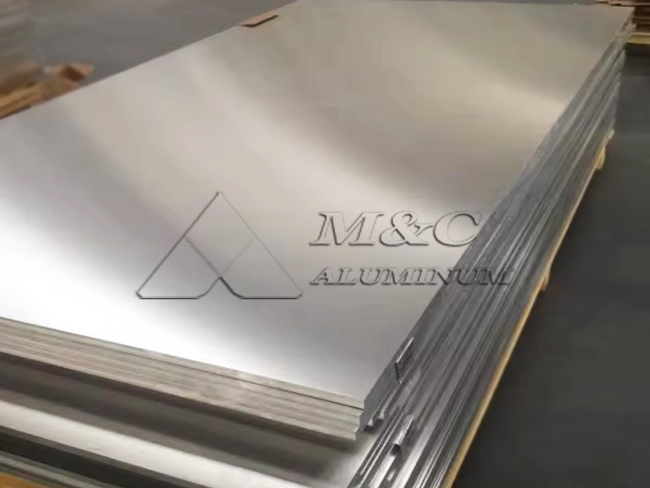
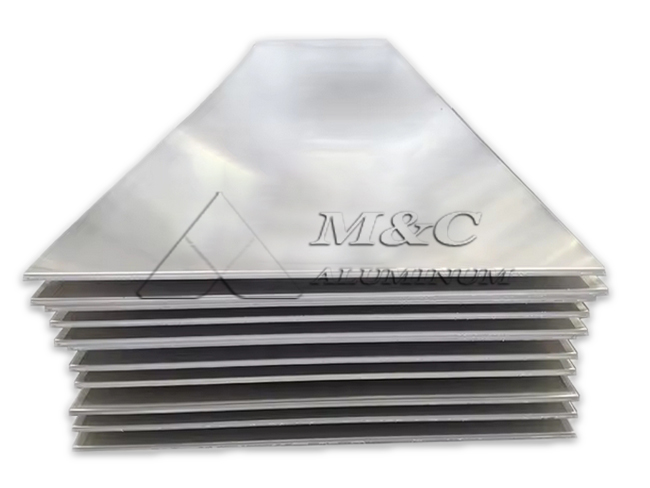
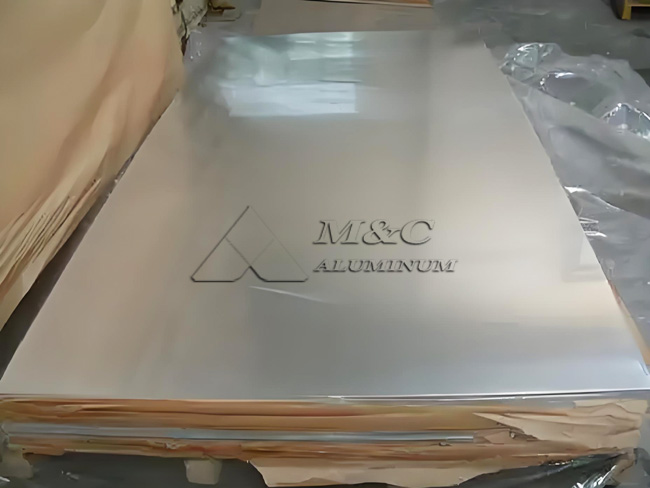
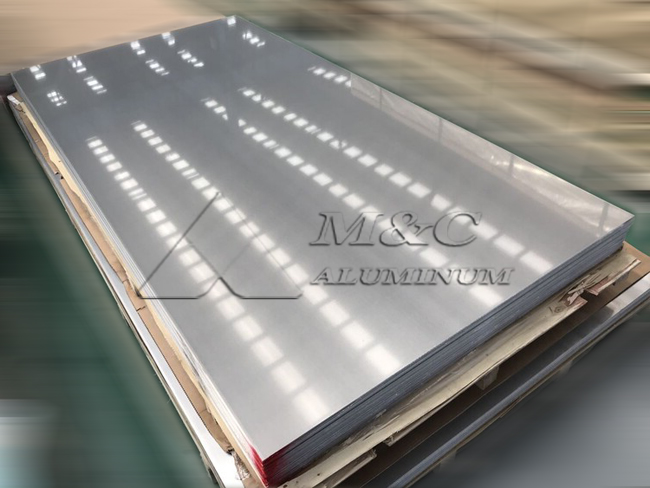
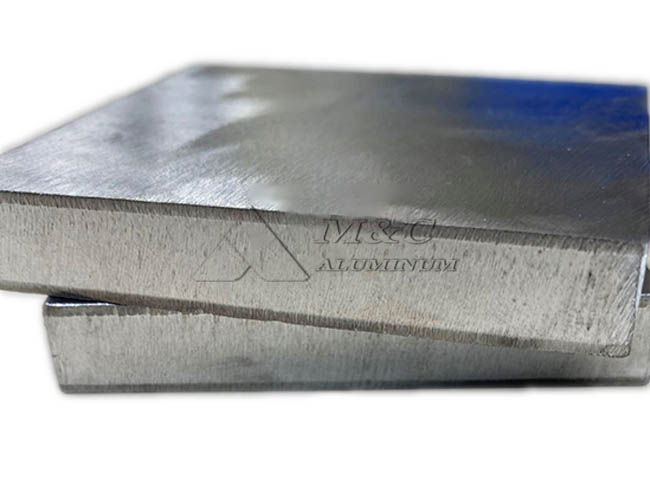
As an aluminum sheet and plate manufacturer, we supply 5083-O temper aluminum sheet for marine structures that require reliable corrosion resistance, good formability, and stable mechanical performance. In shipbuilding and offshore engineering, material selection is not limited to strength alone. The alloy must also withstand seawater exposure, fabrication stress, welding heat, and long-term service in humid or saline environments.
5083 aluminum belongs to the Al-Mg series. It is a non-heat-treatable alloy strengthened mainly by magnesium and controlled cold working. In the O temper, the material is fully annealed, giving it excellent ductility and forming capability. For marine use, 5083-O aluminum sheet is often selected for formed panels, curved components, tanks, superstructure parts, cabin structures, and other applications where bending or shaping is required before welding or assembly.
Our Manufacturing Position
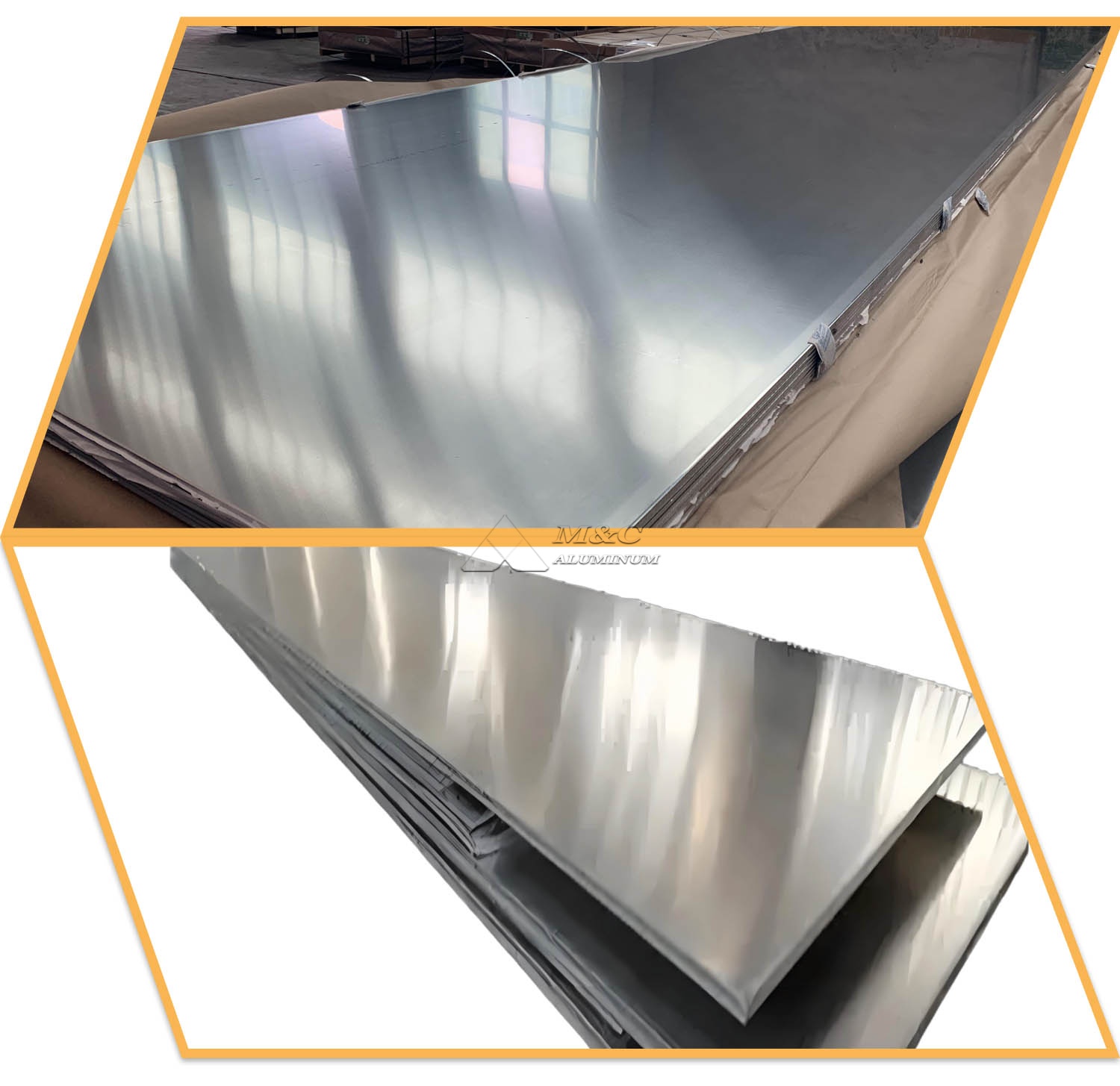
We produce marine aluminum sheet from controlled raw materials through melting, casting, scalping, hot rolling, cold rolling, annealing, leveling, cutting, inspection, and packaging. As a factory, our responsibility is to provide consistent chemical composition, stable temper condition, accurate dimensions, and traceable quality documents for each batch.
For customers comparing different grades within the Marine Aluminum Alloy range, 5083-O offers a practical balance between formability and marine corrosion resistance. When higher strength in a stabilized temper is required, H116 or H321 may be specified, but O temper remains important where deep forming, bending, or low residual stress is a priority.
Why 5083-O Temper Is Used in Marine Applications
The marine environment exposes aluminum to chloride ions, moisture, temperature variation, and mechanical vibration. 5083 aluminum sheet performs well because of its magnesium content and controlled manganese addition, which improve resistance to seawater corrosion and enhance structural reliability.
The O temper provides the softest condition for 5083 alloy. It is not selected because it has the highest strength, but because it allows easier fabrication. Many shipyard components need to be bent, rolled, flanged, pressed, or shaped before final welding. If the material is too hard, cracking risk increases during forming. 5083-O aluminum sheet reduces this risk and helps fabricators achieve accurate shapes without excessive springback.
Typical marine uses include hull interior parts, curved bulkhead sections, deck fittings, fuel and water tanks, small boat panels, workboat components, engine room structures, and welded assemblies requiring post-forming dimensional stability. The final design should always consider the exact plate thickness, welding method, joint configuration, and applicable classification society requirements.
Performance Advantages of 5083-O Marine-Grade Aluminum Plate
1. Corrosion Resistance: With a magnesium content of approximately 4.0%–4.9%, 5083-O aluminum plate forms a dense, stable surface oxide film that offers exceptional resistance to chloride ions found in seawater.
2. Workability: It exhibits optimal ductility in the fully annealed state, allowing for processes such as deep drawing and complex curved-surface bending; it is ideal for manufacturing deep-drawn components like oil tanks and hatch covers.
3. Weldability: It supports various welding methods, including MIG and TIG; weld joint strength can reach over 90% of the base metal, with a very low tendency for micro-cracking in the heat-affected zone.
4. Lightweighting: With a density of only 2.7 g/cm³—approximately one-third that of steel—it enables a 30%–50% weight reduction compared to steel structures for equivalent strength requirements. This significantly boosts vessel speed and improves fuel economy while lowering the center of gravity to enhance navigational stability.
5. Non-magnetic and Non-sparking: These properties enhance safety during maritime operations and make the material suitable for environments containing magnetically sensitive shipboard equipment.
6. Mechanical Properties: Even after full annealing, it retains a tensile strength of approximately 270 MPa, enabling it to withstand external impacts in harsh sea conditions without sacrificing metallic toughness.
Technical Parameters of 5083-O Aluminum Sheet
The following data are typical factory reference values. Final values may vary according to thickness, standard, inspection method, and customer specification. We can manufacture and inspect according to ASTM, EN, GB/T, or project-specific technical requirements.
| Item | Typical Specification |
|---|---|
| Alloy | 5083, EN AW-5083, AlMg4.5Mn0.7 |
| Temper | O, annealed |
| Product Form | Sheet, plate, cut-to-size blank |
| Thickness Range | 0.5 mm to 150 mm, subject to order requirements |
| Width Range | Up to 2600 mm, depending on thickness and production route |
| Length Range | Coil cut length or custom plate length |
| Density | Approx. 2.66 g/cm3 |
| Tensile Strength | Typically 270 to 350 MPa for O temper |
| Yield Strength | Typically 110 to 145 MPa, depending on thickness and standard |
| Elongation | Typically 12% to 20%, depending on gauge and test direction |
| Main Standards | ASTM B209, ASTM B928, EN 485, EN 573, customer specifications |
| Surface Finish | Mill finish, PVC film, paper interleaved, or customized protection |
| Inspection | Chemical composition, mechanical properties, dimensions, surface, ultrasonic test if required |
Chemical Composition Reference
Chemical composition is controlled during melting and casting. This control is essential for corrosion performance, welding behavior, and final mechanical properties.
| Element | Typical Range, % |
|---|---|
| Si | Max. 0.40 |
| Fe | Max. 0.40 |
| Cu | Max. 0.10 |
| Mn | 0.40 to 1.00 |
| Mg | 4.00 to 4.90 |
| Cr | 0.05 to 0.25 |
| Zn | Max. 0.25 |
| Ti | Max. 0.15 |
| Others Each | Max. 0.05 |
| Others Total | Max. 0.15 |
| Al | Balance |
These values are listed for engineering reference. For formal orders, the agreed standard and mill test certificate should be used as the controlling document.
Manufacturing Process and Temper Control
The performance of marine aluminum sheet depends on both alloy composition and process control. In our production, molten aluminum is treated, refined, and cast into slabs. After homogenization and scalping, slabs are hot rolled to improve internal structure and reduce casting defects. Depending on final thickness, further cold rolling may be applied to improve dimensional accuracy and surface condition.
For 5083-O temper aluminum sheet, annealing is a key step. The annealing cycle must be controlled to achieve a fully softened structure without unnecessary grain coarsening. After annealing, sheets are leveled and cut according to the purchase order. Surface inspection and dimensional measurement are performed before packaging.
Because marine components are often welded, we also pay attention to cleanliness and surface condition. Oil, heavy scratches, laminations, or embedded contaminants can affect fabrication quality. Protective film or paper interleaving can be supplied when the customer needs additional surface protection during transport or storage.
Advantages for Fabrication and Welding
5083-O aluminum sheet is widely used by boatyards and marine equipment manufacturers because it supports several fabrication methods. It can be bent, rolled, cut, punched, machined, and welded using conventional aluminum processing equipment. Compared with harder tempers, the O temper allows smaller bending radii under proper tooling conditions.
Welding is generally performed using MIG or TIG processes. Common filler metals include 5183, 5356, or other suitable Al-Mg filler alloys, depending on design requirements and service conditions. Welding parameters should be selected to reduce heat input, distortion, and porosity. Clean joint preparation is important, especially for parts exposed to seawater.
For structural marine design, engineers should consider that the heat-affected zone may have different mechanical properties from the base metal. Therefore, final material selection should be made together with welding procedure qualification, design code, and classification rules.
Marine Applications of 5083-O Aluminum Sheet
5083-O temper aluminum sheet is suitable for marine parts where corrosion resistance and formability are more important than maximum yield strength. It is often specified for the following applications:
Curved hull plates for small vessels and workboats
Cabin panels and superstructure components
Marine fuel tanks and water tanks
Bulkhead panels and internal partitions
Deck covers, access panels, and hatch components
Formed structural brackets and welded assemblies
Offshore equipment housings and non-pressure marine enclosures
For heavy-duty hull structures or high-stress load-bearing areas, project engineers may select other tempers of 5083 Marine aluminum, such as H116 or H321, according to classification society approval and design calculations. We can support customers with production information, material certificates, and specification confirmation before order placement.
Surface Quality and Dimensional Tolerance
Marine aluminum sheet must be easy to process and reliable during assembly. Surface defects such as cracks, corrosion marks, oil stains, or severe roll marks may affect downstream fabrication. Our factory inspection includes visual checking under defined conditions, thickness measurement, width and length verification, flatness evaluation, and edge quality inspection.
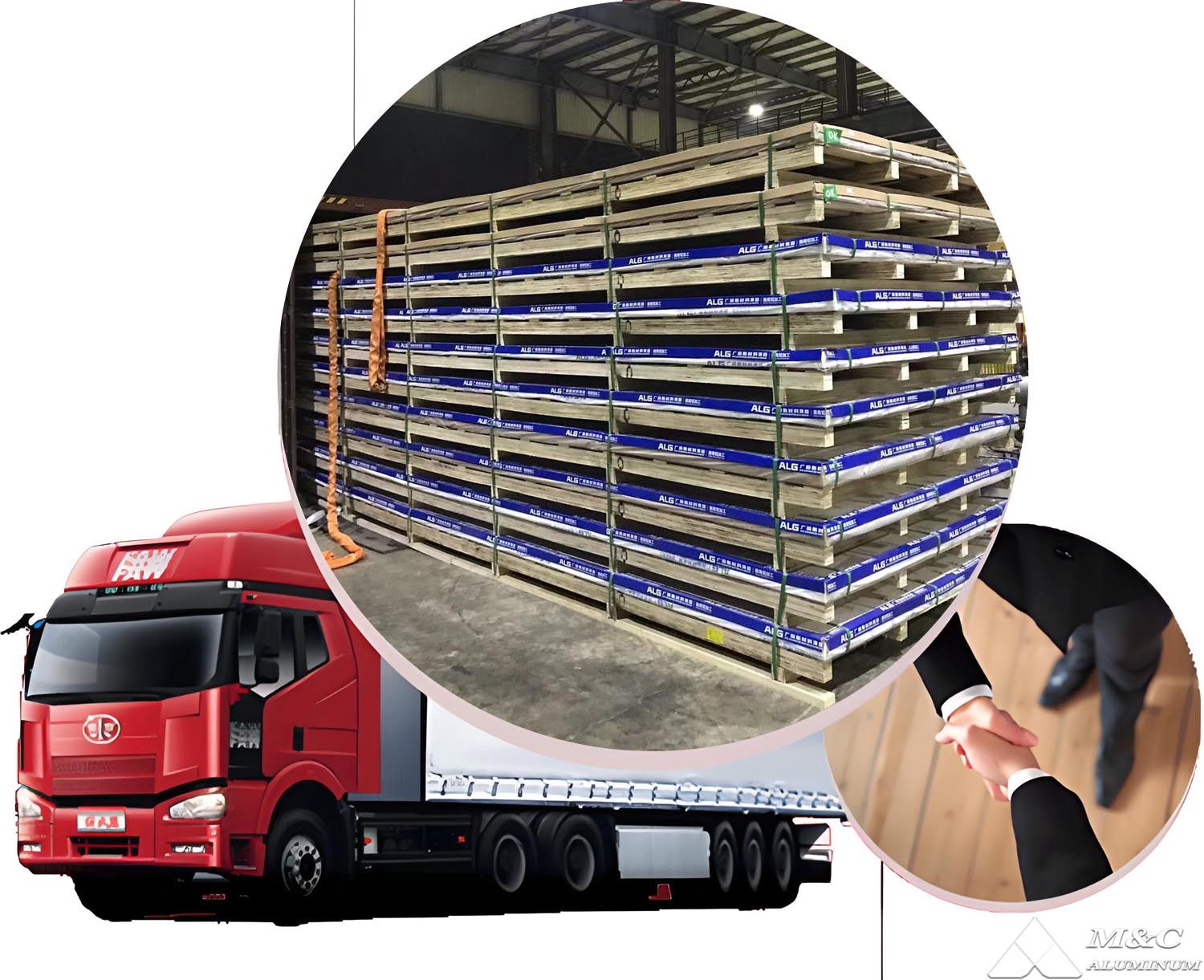
For projects requiring tighter tolerances, customers should provide drawings or technical documents at the inquiry stage. We can discuss achievable tolerance ranges based on thickness, width, length, and cutting method. Where necessary, we can provide sheared edges, sawn edges, PVC-coated surfaces, or palletized export packaging suitable for long-distance ocean transport.
Comparison With Other Marine Aluminum Grades
5083-O is not the only aluminum alloy used in marine environments. Different alloys are selected according to strength level, corrosion resistance, forming method, and cost structure.
5052 offers good corrosion resistance and excellent workability, but it is generally lower in strength than 5083. 5086 is also used for marine plate and provides good seawater resistance. 5754 is used in applications requiring good forming and corrosion performance. 6061 and 6082 are heat-treatable alloys, commonly used where machinability and medium strength are important, but their marine corrosion and welded performance must be evaluated carefully for each application.
For a formed marine sheet part, 5083-O is often preferred when the design requires stronger corrosion resistance than lower-magnesium alloys while still maintaining high ductility. The best choice depends on the operating environment, structural role, fabrication route, and required certification.
Ordering Information From Our Factory
To produce the correct 5083-O aluminum sheet for marine use, we recommend that customers provide the following order details:
| Required Information | Example |
|---|---|
| Alloy and Temper | 5083-O |
| Standard | ASTM B209, ASTM B928, EN 485, or project specification |
| Thickness | 3.0 mm, 6.0 mm, 10.0 mm, etc. |
| Width and Length | 1500 x 3000 mm, 2000 x 6000 mm, or custom size |
| Quantity | Sheets, tons, or project batch quantity |
| Surface Requirement | Mill finish, PVC film, paper interleaved |
| Edge Requirement | Sheared edge, sawn edge, trimmed edge |
| Inspection Requirement | MTC, third-party inspection, ultrasonic test if required |
| Packaging | Export wooden pallet, waterproof wrapping, steel strapping |
Clear technical information helps us select the correct production route and avoid unnecessary tolerance or surface disputes after delivery. For marine projects, we also recommend confirming whether classification society approval, additional testing, or special marking is required before production.
Quality Documentation and Traceability
Every batch of marine aluminum sheet should be traceable from raw material to finished product. We provide mill test certificates showing alloy, temper, heat number, chemical composition, mechanical properties, dimensions, and production standard. If the project requires additional inspection, arrangements can be made before shipment.
Traceability is particularly important for shipbuilding and offshore engineering. Material records help shipyards manage welding procedures, quality audits, and final project documentation. As a manufacturer, we maintain production records and inspection data according to our quality management procedures.
Storage and Handling Recommendations
Although 5083 aluminum has strong corrosion resistance, proper handling remains necessary. Sheets should be stored in a dry, ventilated warehouse and kept away from alkaline materials, acids, and standing water. If packaging becomes wet during transportation, it should be opened and dried promptly to reduce the risk of water staining.
During lifting and cutting, operators should avoid dragging sheets against hard surfaces. Soft slings, clean pallets, and suitable separators are recommended. When PVC film is used, it should be removed within the recommended period, especially if the material will be exposed to high temperature or direct sunlight.
Conclusion
5083-O temper aluminum sheet is a practical material for marine applications requiring a combination of seawater corrosion resistance, weldability, and excellent formability. It is especially useful for formed panels, tanks, cabin structures, internal components, and welded marine assemblies.
As a factory manufacturer, we focus on alloy control, temper stability, surface quality, dimensional accuracy, and export packaging. By confirming the correct standard, size, surface requirement, inspection level, and application conditions before production, customers can receive 5083-O aluminum sheet that is suitable for reliable marine fabrication and long-term service.