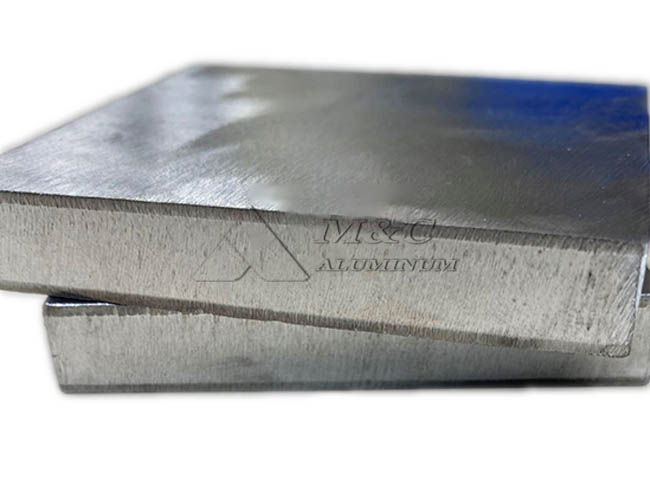
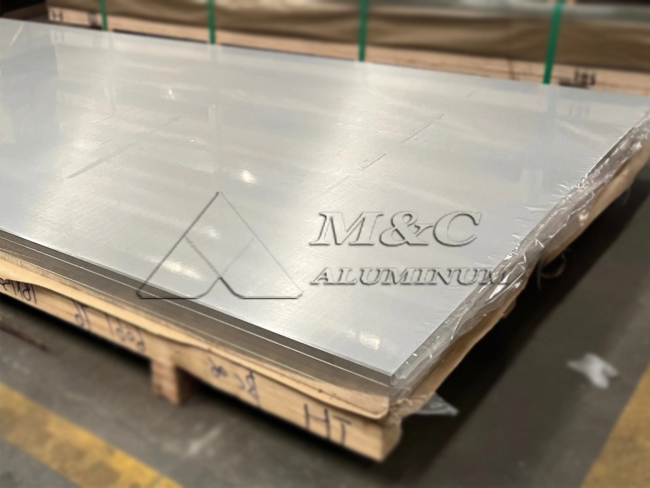
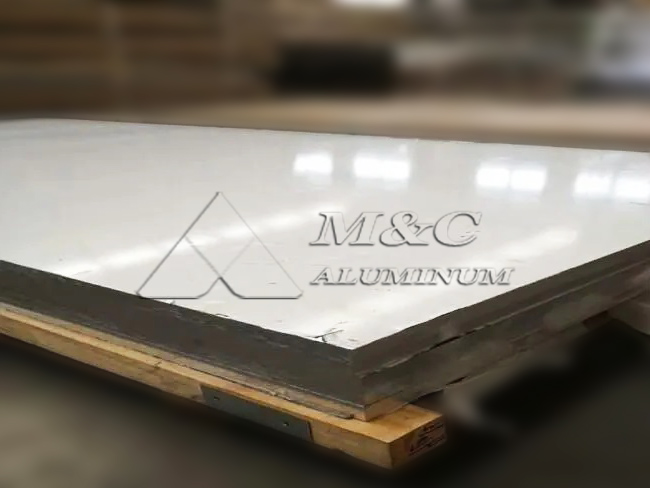
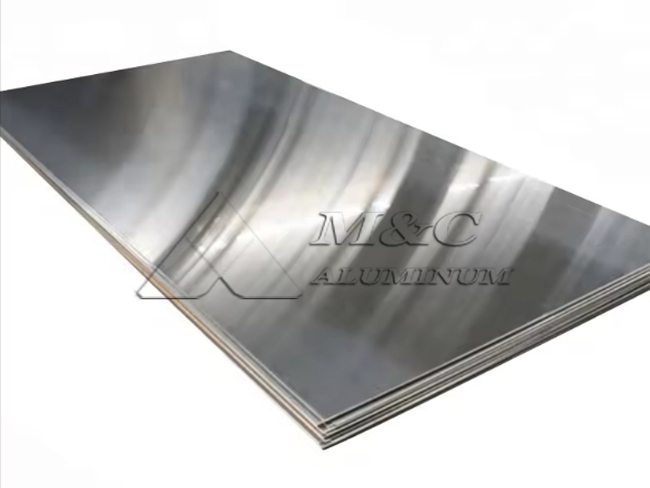
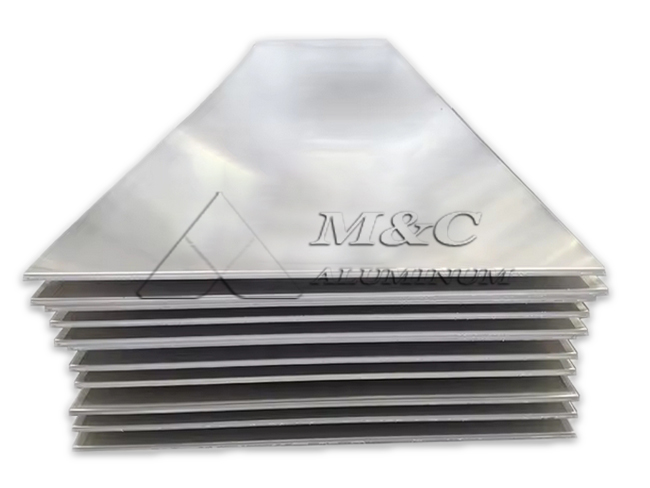
Marine grade aluminum plate is widely used in shipbuilding and offshore engineering. Compared with traditional shipbuilding steel, aluminum alloy has a density of only about one-third of steel. This means that under the same strength design, the hull weight can be significantly reduced, resulting in higher speed, lower fuel consumption, and better stability.
In shipbuilding and marine engineering, marine grade aluminum plate has become an important alternative to steel due to its lightweight properties, high strength, and excellent seawater corrosion resistance. So, what is the current market price per ton?
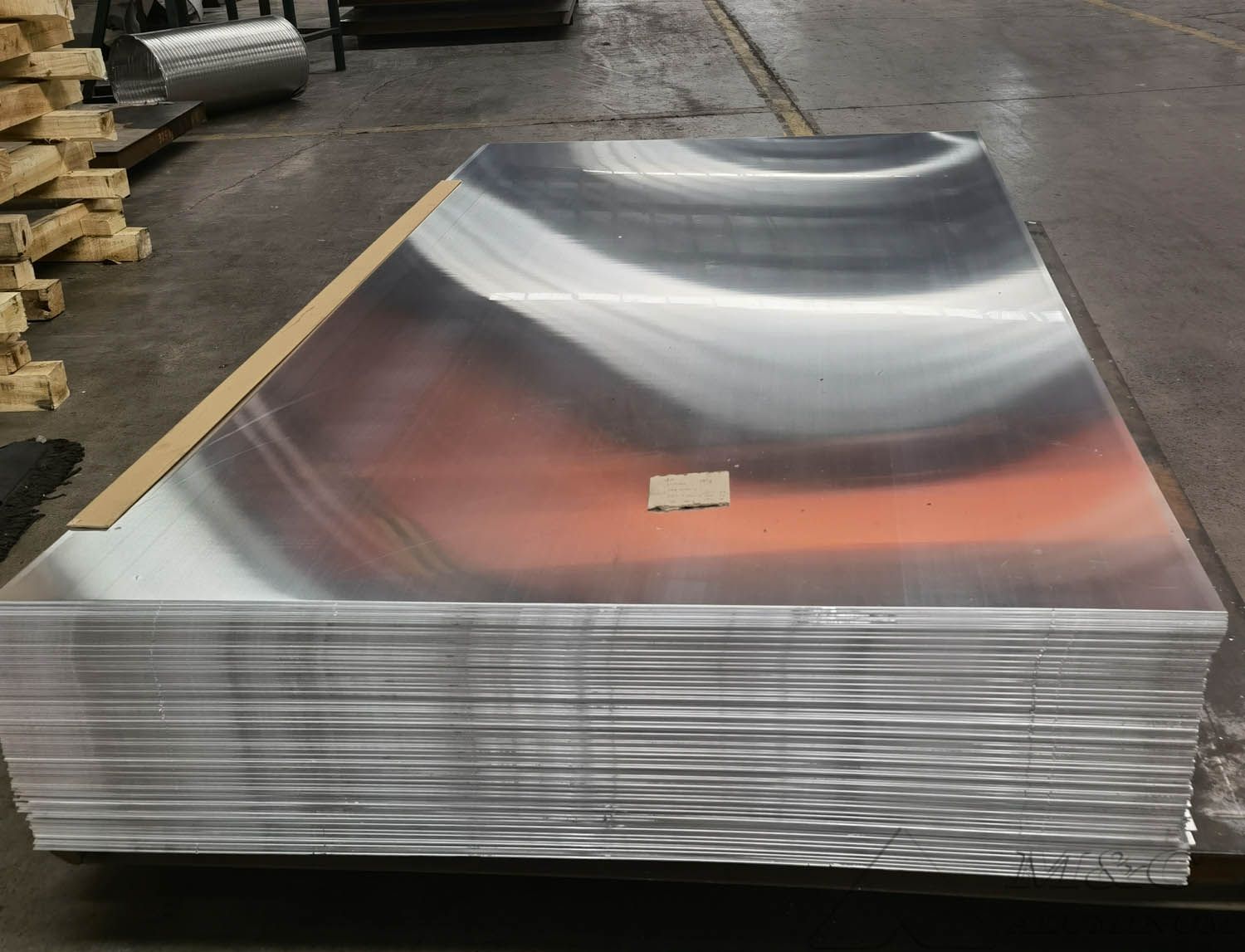
Why Choose Marine Grade Aluminum Plate?
1. Excellent Corrosion Resistance
Marine environments have high salinity and humidity. Marine aluminum plates (such as the well-known 5083 alloy) contain magnesium (Mg), which forms a dense oxide layer on the surface, effectively preventing seawater corrosion.
2. Lightweight Advantage
Aluminum has only about one-third the density of steel. Replacing steel with aluminum can significantly reduce hull weight, improving speed, fuel efficiency, and payload capacity.
3. Excellent Formability and Weldability
Marine grade aluminum has good low-temperature performance. Even in extremely cold environments, it does not become brittle and may even slightly increase in strength. Its excellent weldability ensures structural stability in shipbuilding applications.
4. High Strength-to-Weight Ratio and Toughness
Although aluminum is softer than steel, its yield strength and fracture toughness are sufficient to meet structural requirements in harsh marine conditions.
5. Good Low-Temperature Performance
Aluminum alloys do not become brittle in low temperatures, making them suitable for vessels operating in cold regions.
6. Non-Magnetic and Safety Advantages
Aluminum alloys are non-magnetic, making them ideal for minesweepers or vessels requiring electromagnetic shielding. They also provide improved safety due to their non-combustible nature.
Marine Aluminum Alloy Grades
| Grade | Alloy System | Key Features | Typical Applications |
| 5083 | Al-Mg (Mg 4.0–4.9%) | Excellent seawater corrosion resistance, good weldability, medium strength | Hull plates, keel, deck, LNG tanks |
| 5086 | Al-Mg (Mg 3.5–4.5%) | Similar to 5083, better stress corrosion resistance | Hull structures, offshore platforms |
| 5454 | Al-Mg (Mg 2.4–3.0%) | Excellent resistance to seawater and chloride corrosion | Superstructures, bulkheads, pipelines |
| 5456 | Al-Mg (Mg 4.7–5.5%) | Higher strength than 5083 | High-speed boats, military ships |
| 6061 | Al-Mg-Si | Medium strength, excellent machinability | Superstructures, fittings, stair components |
| 6082 | Al-Mg-Si | Good bending performance, heat-treatable | Masts, structural components |
2026 Marine Aluminum Plate Price Overview
Final pricing is generally calculated as:
Final Price = Aluminum ingot price (SMM daily average) + processing cost + certification cost + shipping cost
Cost Breakdown:
Aluminum ingot price: Core variable influenced by global market conditions and energy costs, updated daily.
Processing cost: Marine-grade plates require high precision flatness and internal structure control, resulting in higher processing costs than decorative aluminum.
Certification cost: Marine materials must be certified by classification societies such as DNV, LR, BV, ABS, or CCS.
Shipping cost: Depends on route, weight, packaging, and container type (FCL or LCL).
Currently, influenced by international conditions, aluminum ingot prices are maintaining a high level of approximately US$3,400–3,600 per ton, thus affecting the price of marine aluminum plates. Specific prices will be quoted based on the aluminum ingot price on the day of the transaction.
FAQ
Q1: What is the most commonly used temper for marine aluminum plate?
For 5083 alloy, H116 and H321 are the most commonly used tempers. They undergo special exfoliation corrosion testing (ASSET) to prevent intergranular and exfoliation corrosion in marine environments.
Q2: How to distinguish normal 5083 from certified marine-grade 5083?
It is difficult to distinguish visually. The main difference lies in the Mill Test Certificate (MTC). Certified plates are inspected per batch, tested for mechanical properties, and stamped or labeled by classification societies.
Q3: What is the typical delivery time for marine aluminum plate?
Standard sizes (such as 2000x6000mm) are usually in stock. Custom widths, lengths, or special thickness plates typically require 15–30 days production time.
Q4: Why do processing costs vary significantly between suppliers?
Processing costs depend on production line capability. High-end manufacturers produce plates with better flatness and tighter tolerances, which significantly reduces welding difficulty and material waste in shipbuilding.
Original Source: https://www.marinealum.com/a/marine-grade-aluminum-plate-sheet-price-per-ton-2026.html
Tag: marine aluminum plate price 2026 marine grade aluminum for sale marine aluminum price marine aluminum stock 5000 series marine aluminum alloy 6000 series marine aluminum alloy marine aluminum supplier shipbuilding aluminum plate 5083 marine alumin