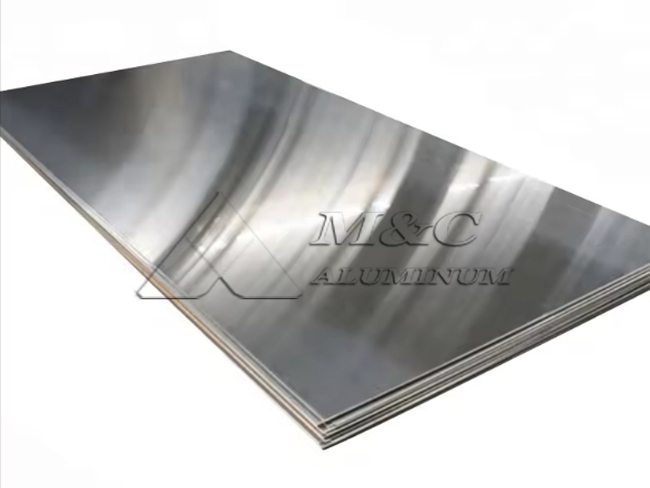
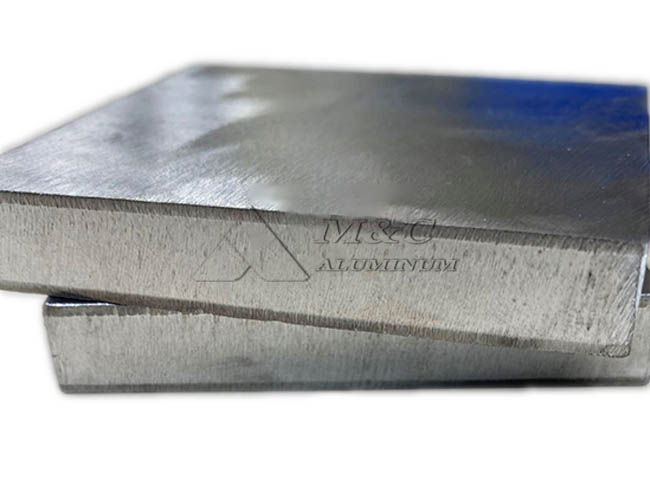
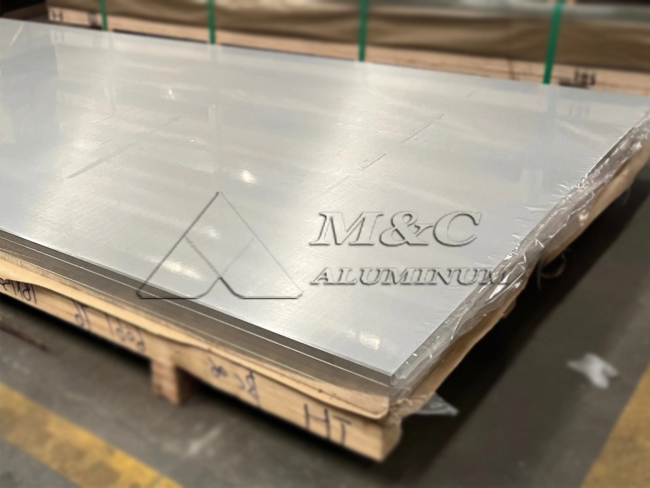
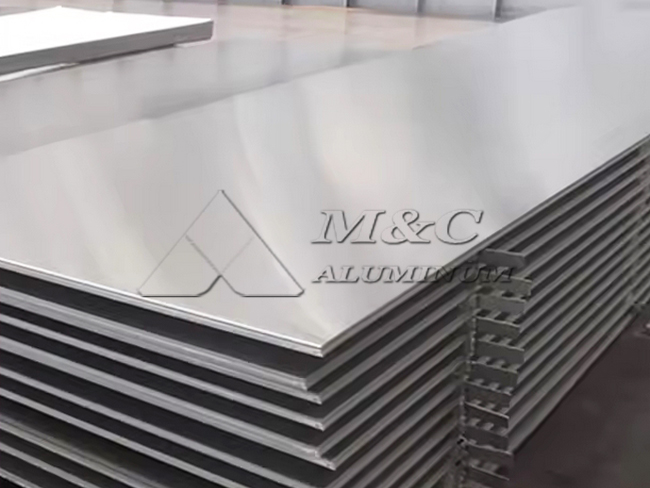
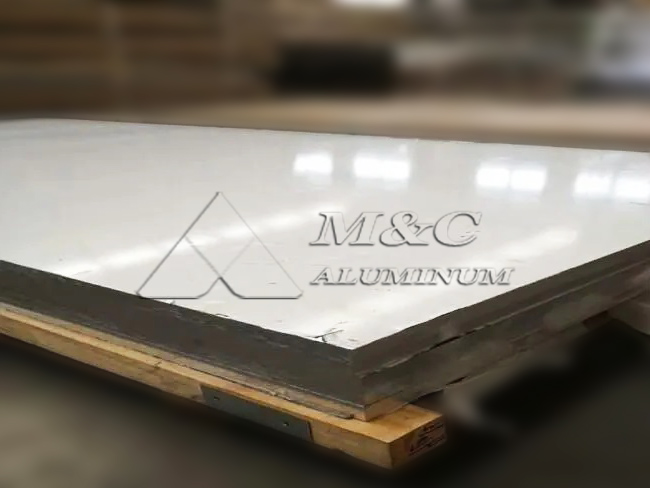
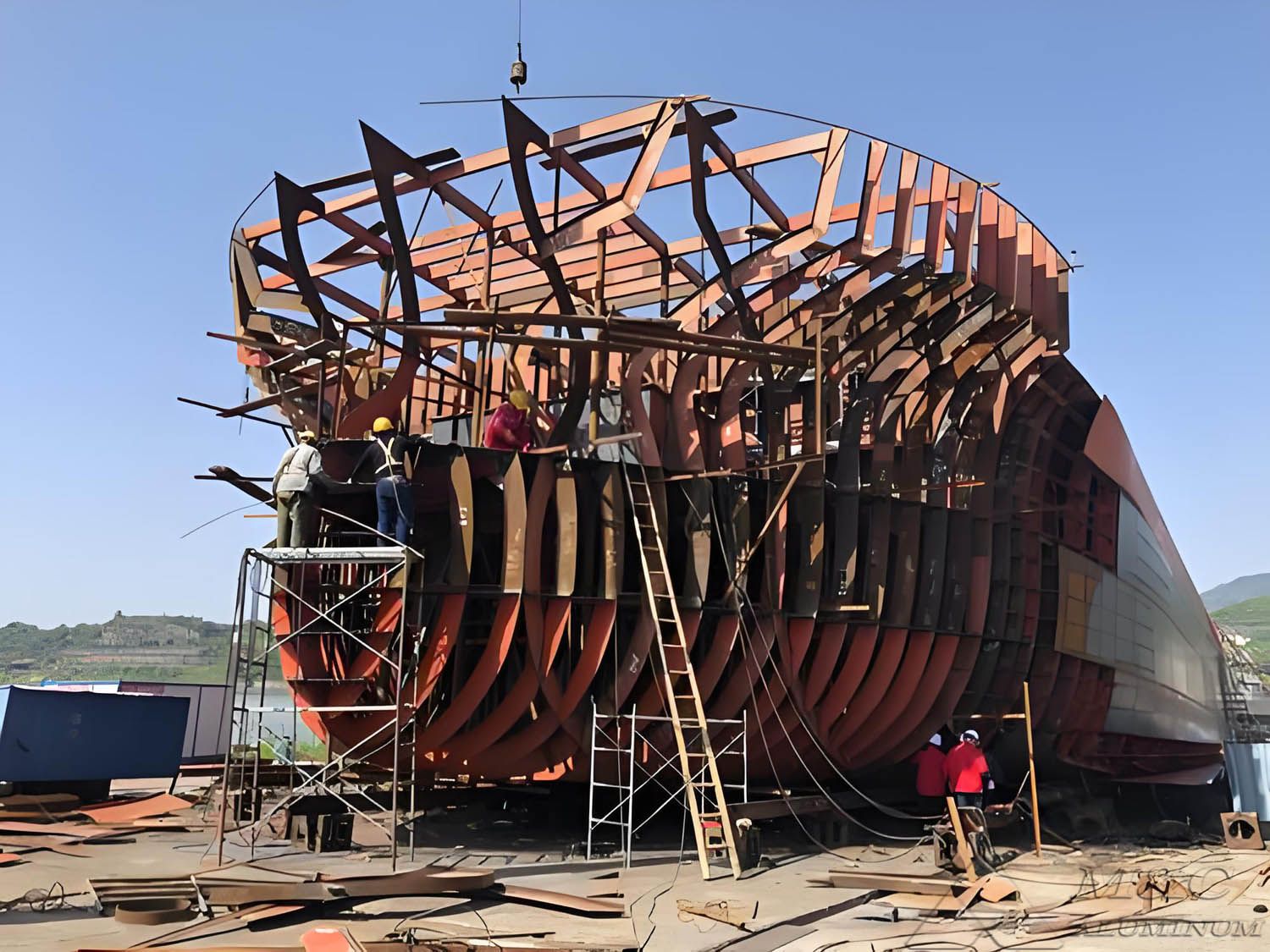
In modern shipbuilding, the keel is known as the "backbone" of a vessel. It determines not only structural strength but also directly affects sailing stability and service life.
According to industry data, vessels utilizing aluminum alloy keels-compared to those with steel keels-can achieve a 20% to 30% reduction in hull weight and a 15% to 25% decrease in fuel consumption. Furthermore, their maintenance cycles are extended to 3 to 5 years, thereby significantly enhancing both the economic efficiency and safety of vessel operations. Consequently, aluminum alloy has emerged as the predominant material for the keels of modern small-to-medium-sized vessels, high-speed passenger ships, patrol boats, yachts, and similar craft; notably, different grades of aluminum alloy are selected to meet the specific requirements of distinct vessel types and operational scenarios.
Why Choose Aluminum Alloys for Ship Keels?
Compared with traditional steel, aluminum alloys offer:
Lightweight: Density is about half of steel, improving speed and fuel efficiency
Corrosion Resistance: Natural oxide layer protects against seawater corrosion
Weldability: Most structural alloys support deep-penetration welding
Workability: Suitable for extrusion, cutting, and bending for customized keel designs
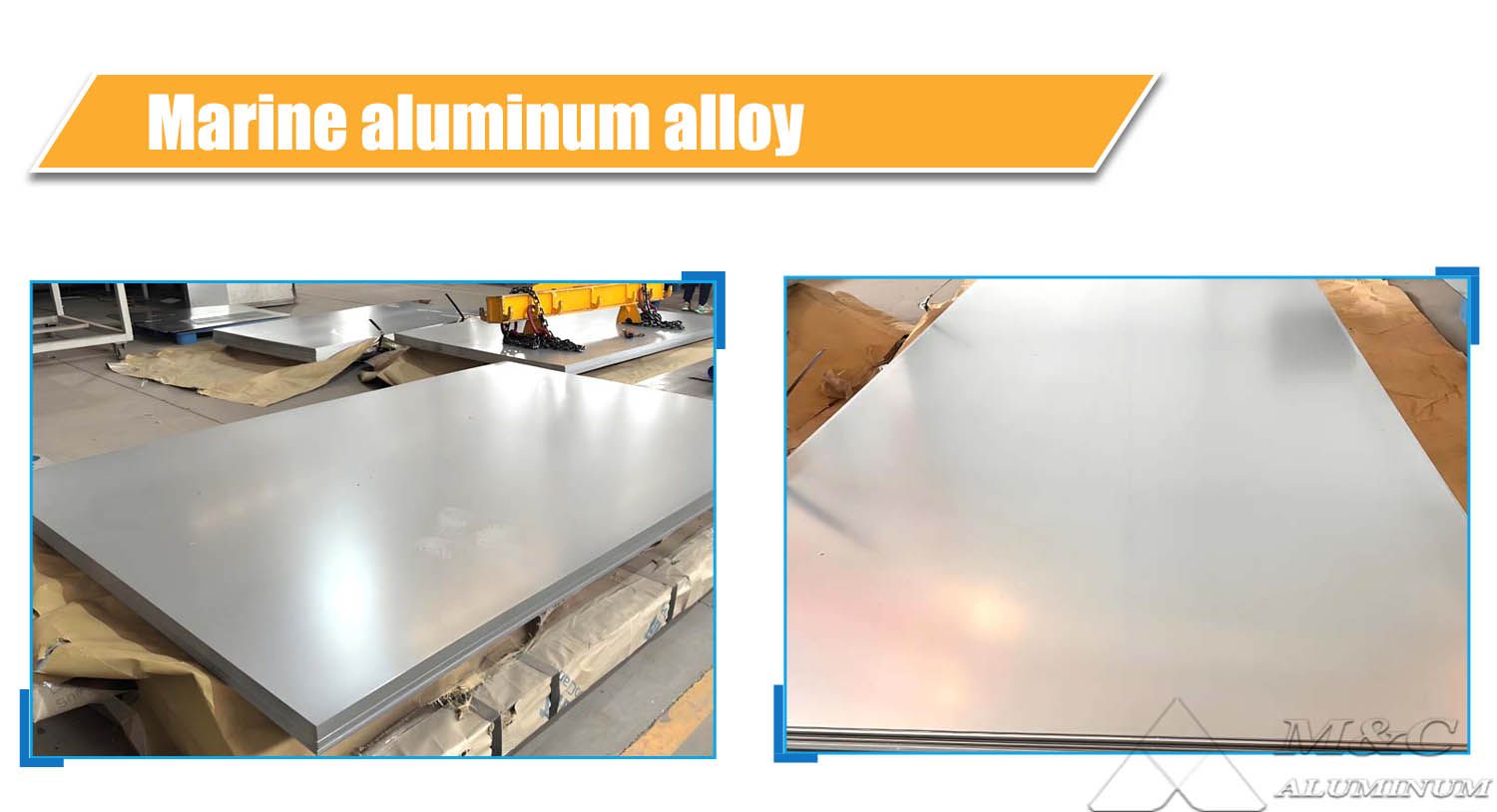
Common Aluminum Alloys for Ship Keel
Ship keel materials are mainly from the 5xxx series (Al-Mg) and 6xxx series (Al-Mg-Si) aluminum alloys.
1. 5xxx Series (Al-Mg Alloys)
These are the most widely used marine aluminum alloys due to excellent corrosion resistance.
5083 aluminum alloy – The "King" of Marine Aluminum
High magnesium content
Excellent tensile strength and weldability
Recommended Tempers: H116 / H321 (excellent resistance to intergranular corrosion)
Applications: Main keel plates, bottom plates, side structures
5086 aluminum alloy – Balanced Strength & Toughness
Slightly lower Mg than 5083
Excellent weld strength retention
Good fatigue resistance
Applications: Longitudinal keels for small and medium vessels, patrol boats
2. 6xxx Series (Al-Mg-Si Alloys)
Mainly used for structural frameworks and extruded profiles.
6061 aluminum alloy – Versatile Alloy
Good mechanical properties and machinability
Lower corrosion resistance than 5xxx, but can be improved with coatings
Applications: Extruded keel components, reinforcements
6082 aluminum alloy – Preferred in Europe
Higher strength than 6061
Better performance in marine environments
Applications: Structural keel components in high-end yachts
Specifications
| Alloys | 5083, 5086, 6061, 6082, etc. |
| Temper | O, H321, H111, H112, T5, T6, etc. |
| Plate Thickness | 3 – 50 mm |
| Plate Width | 1000 – 3000 mm |
| Plate Length | 3000 – 12000 mm |
| Profile Thickness | 3 – 20 mm |
| Profile Length | ≤ 12 m |
| Section Type | T-bar / I-beam / Channel / Custom |
| Supply Form | Cut-to-size / Customized |
Mechanical Properties
| Alloy | Temper | Tensile Strength (MPa) | Yield Strength (MPa) | Elongation (%) |
| 5083 | O | 270-350 | ≥125 | ≥12 |
| 5083 | H321 | 305-385 | ≥215 | ≥10 |
| 5086 | O | 240-320 | ≥95 | ≥12 |
| 5086 | H116 | 275-350 | ≥205 | ≥10 |
| 6061 | T6 | ≥310 | ≥275 | ≥8 |
Typical Applications
1. Ship Keel Structures
Main keel plates (5083 / 5383)
Longitudinal reinforcement members
Structural backbone components
2. High-Speed Vessels
Passenger ferries
Patrol boats
Naval ships
3. Yachts & Leisure Boats
Lightweight hull structures
Corrosion-resistant keel systems
4. Offshore Engineering
Marine platforms
Structural supports in harsh environments
Usage Precautions
1.Welding Consumable Selection:When welding 5083 keel sections, it is imperative to use 5183 or 5556 welding wire to ensure that the weld strength matches that of the base material.
1.Insulation: When aluminum keel sections come into contact with stainless steel or copper components, insulating gaskets must be utilized to prevent electrochemical corrosion (galvanic corrosion).
3. Protective Coating: Even with corrosion-resistant aluminum alloys, applying specialized anti-fouling paint and zinc-rich primer below the waterline can further extend the material's service life.
FAQ
1. Which aluminum alloy is best for ship keel?
5083 is the most widely used due to its excellent corrosion resistance and weldability. For higher performance, 5383 is recommended.
2. Do you provide classification society certification?
Yes, we can provide:ABS,DNV,LR,CCS
3. Can you customize sizes and specifications?
Yes, we support:
Custom thickness and dimensions
Special tempers (H116 / H321 / T6)
Profile extrusion design
4. What is your MOQ?
Standard MOQ: 3–5 tons (flexible based on specifications)
5. What is the delivery time?
Standard products: 15–25 days
Custom orders: 20–35 days
6. Can I get samples before bulk order?
Yes, we provide:
Free standard samples
Custom samples upon request
About Us
MC Aluminum is a professional marine aluminum manufacturer specializing in 5xxx and 6xxx series alloys. We provide certification from leading classification societies such as DNV, LR, and CCS, ensuring true marine-grade quality.
Our products are exported to more than 40 countries and regions worldwide. We offer sample testing, factory-direct pricing, and reliable supply-making us a trusted partner for your shipbuilding needs.
Original Source: https://www.marinealum.com/a/marine-aluminum-alloys-for-ship-keel.html
Tag: marine aluminum alloy ship keel aluminum 5083 aluminum alloy marine plate 5086 aluminum alloy shipbuilding plate 6061 aluminum alloy 6082 aluminum alloy marine aluminum marine grade aluminum plate keel material shipbuilding aluminum alloy hull st