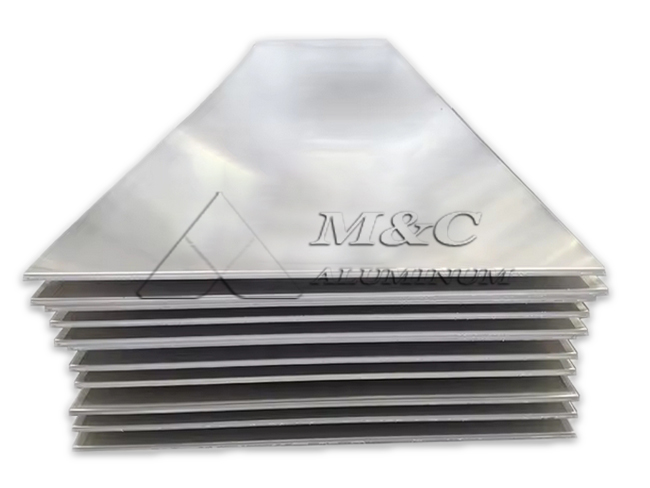
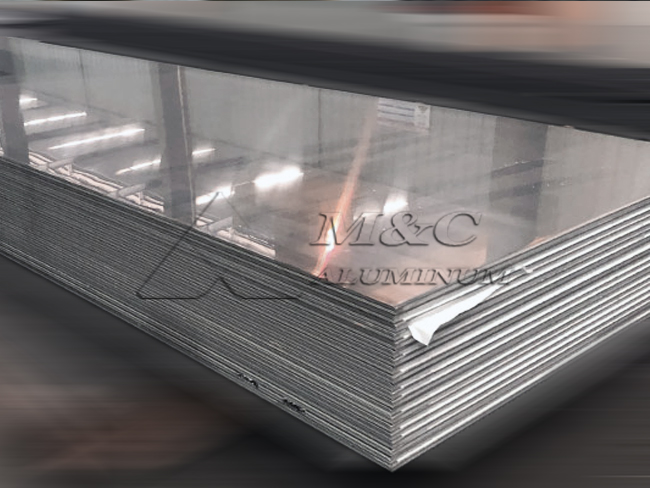
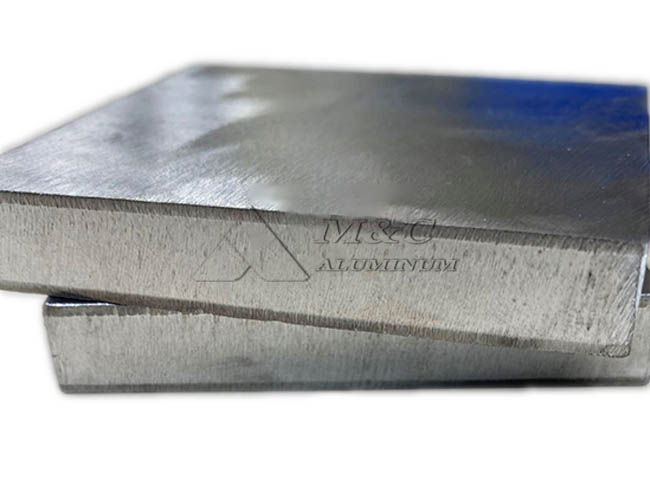
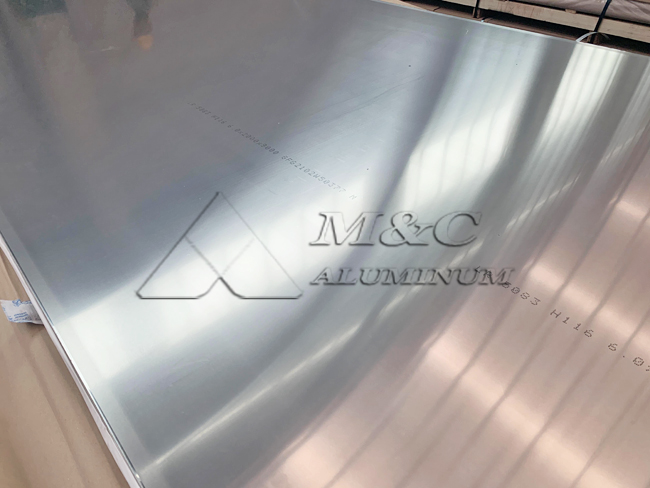
As a manufacturer of marine aluminum sheet and plate, we supply 5000 series aluminum sheet for saltwater fishing boats used in hulls, decks, cabins, transoms, fuel tank structures, and other welded marine components. Saltwater fishing boats operate in a demanding environment where material selection directly affects service life, structural safety, maintenance cost, and fabrication efficiency. For this application, 5000 series aluminum alloys are widely specified because they combine seawater corrosion resistance, weldability, moderate to high strength, and good forming performance.
Our production focuses on marine grade aluminum sheet in controlled chemical composition, stable temper, accurate thickness tolerance, and clean surface quality. For boatyards and engineering buyers, choosing the correct alloy and temper is not only a purchasing decision. It is part of the vessel design process, especially when the boat will be exposed to salt spray, bilge moisture, abrasion, cyclic loading, and welded construction.
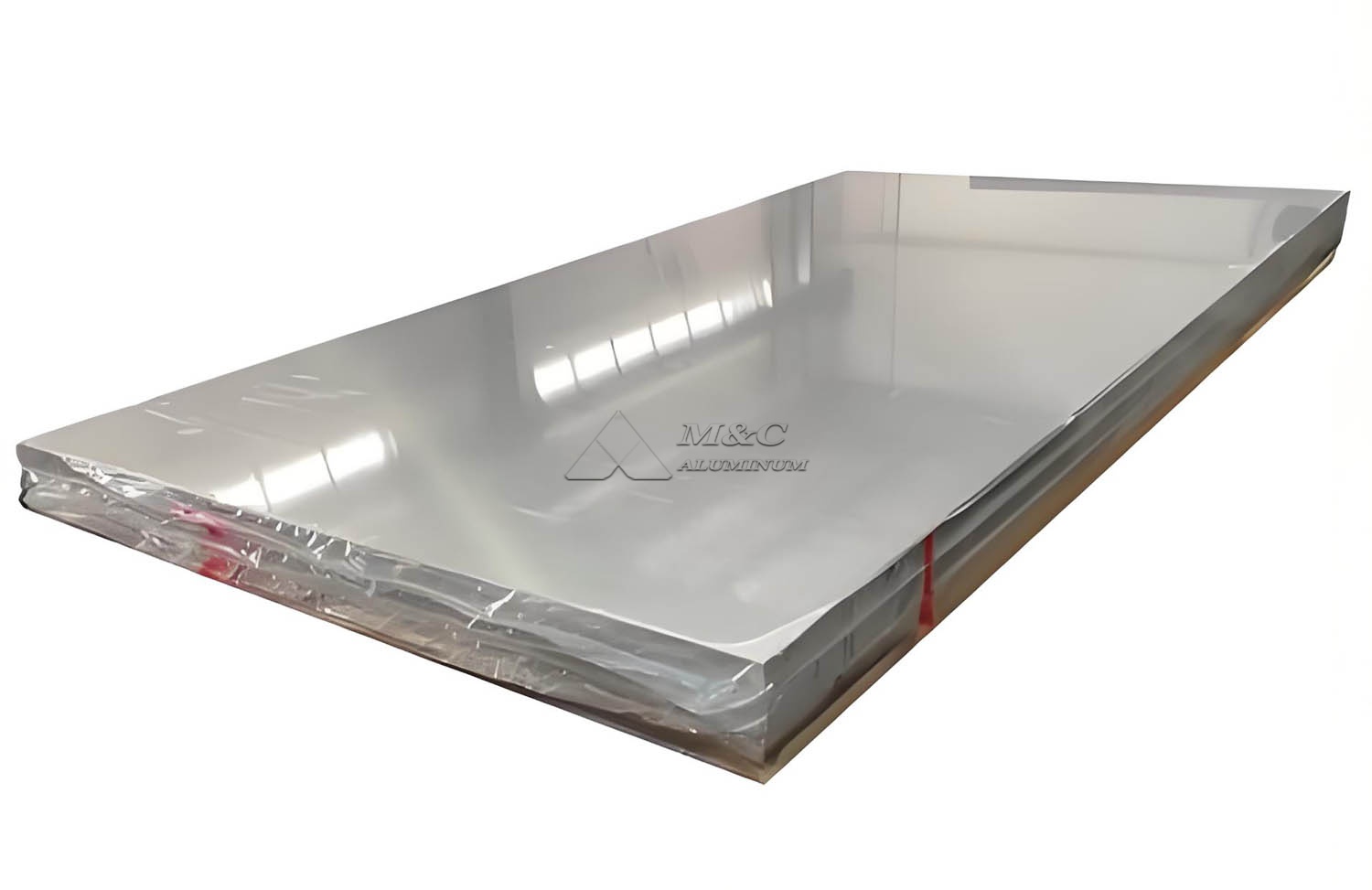
Why 5000 Series Aluminum Is Used in Saltwater Fishing Boats
5000 series aluminum alloys are aluminum-magnesium alloys. Magnesium improves strength while maintaining excellent resistance to marine corrosion. Unlike heat treatable 6000 series alloys, 5000 series marine aluminum gains its strength mainly through solid solution strengthening and strain hardening. This makes the material suitable for welded boat structures, because the properties around weld areas are more predictable than many heat treated alloys.
For saltwater fishing boats, material performance must be considered under real operating conditions. The hull may contact seawater daily. Decks and cabin structures may experience salt spray and cleaning chemicals. Structural members may be welded, bent, cut, and fitted during construction. 5000 series aluminum sheet supports these requirements with a balanced performance profile.
Common advantages include:
Strong resistance to seawater and marine atmosphere corrosion
Good weldability by MIG and TIG welding processes
Suitable strength for hull panels and structural parts
Good formability for curved plates and boat components
Low density, helping reduce vessel weight and fuel consumption
Non-sparking and non-magnetic material characteristics
Among available grades, 5083, 5086, 5052, 5754, 5456, 5383, and 5059 are commonly evaluated for marine service. In many saltwater fishing boat projects, 5083 Marine aluminum is selected for main hull structures, while 5052 or 5754 may be used for lighter non-critical panels depending on design requirements.
Main Alloy Options for Fishing Boat Construction
Different parts of a saltwater fishing boat require different strength levels, bending performance, and plate thickness. As a factory, we recommend selecting the alloy based on actual design drawings, welding procedure, classification requirements, and service environment.
5083 Aluminum Sheet
5083 aluminum sheet is one of the most widely used marine grade aluminum materials for welded hulls and high-load components. It offers high strength among non-heat-treatable aluminum alloys and excellent resistance to seawater. For offshore fishing boats, patrol boats, workboats, and medium to large hull structures, 5083 is a common specification.
Typical applications include bottom plates, side shell plates, deck structures, bulkheads, and welded frames. H116 and H321 tempers are frequently used when resistance to exfoliation and stress corrosion in marine environments is required.
5086 Aluminum Sheet
5086 aluminum sheet provides good corrosion resistance and weldability, with strength slightly lower than 5083 in many conditions. It is often used in boat hulls, decks, superstructures, and components requiring good performance after welding. For builders seeking a balance of corrosion resistance, formability, and structural performance, 5086 Marine Aluminum is a practical choice.
5052 Aluminum Sheet
5052 aluminum sheet has excellent corrosion resistance and good formability. Its strength is lower than 5083 and 5086, but it performs well in lighter-duty marine applications. It is commonly used for interior panels, cabin panels, covers, lockers, small tanks, decorative panels, and some deck fittings. For small fishing boats, 5052 may also be used in selected structural areas when approved by design calculations.
5754, 5456, 5383, and 5059 Aluminum Sheet
5754 aluminum is valued for corrosion resistance and formability. 5456 offers relatively high strength and is used in more demanding welded marine structures. 5383 and 5059 are advanced marine alloys designed for higher strength and good corrosion performance. These alloys may be specified for specialized fishing vessels or high-performance marine applications.
Technical Parameters of 5000 Series Marine Aluminum Sheet
The following table shows typical parameters for reference. Final values depend on alloy, temper, thickness, production standard, and customer specification.
| Item | Typical Specification |
|---|---|
| Product | 5000 series marine aluminum sheet and plate |
| Main alloys | 5052, 5083, 5086, 5754, 5456, 5383, 5059 |
| Common tempers | O, H111, H112, H116, H321, H32, H34 |
| Thickness range | 1.0 mm to 200 mm, subject to alloy and order requirement |
| Width range | 500 mm to 2650 mm, customized widths available |
| Length range | 1000 mm to 12000 mm, cut-to-length service available |
| Surface | Mill finish, clean surface, PVC film optional upon request |
| Processing | Hot rolling, cold rolling, leveling, shearing, cutting, inspection |
| Welding suitability | Suitable for MIG and TIG welding with proper filler selection |
| Key properties | Seawater corrosion resistance, weldability, strength, formability |
| Main applications | Hull plate, deck plate, bulkhead, cabin, transom, tank, structural parts |
| Standards | ASTM, EN, GB/T, classification society requirements upon agreement |
| Quality documents | Mill test certificate, chemical composition, mechanical properties |
Recommended Thickness by Boat Component
Thickness selection should be confirmed by naval architects and classification rules. However, the following practical range is often used for reference in fishing boat manufacturing.
| Boat Component | Common Alloy | Typical Thickness Range |
|---|---|---|
| Bottom hull plate | 5083, 5086, 5383, 5059 | 4 mm to 12 mm |
| Side shell plate | 5083, 5086 | 3 mm to 10 mm |
| Deck plate | 5083, 5086, 5052 | 3 mm to 8 mm |
| Bulkhead | 5083, 5086, 5052 | 3 mm to 8 mm |
| Cabin and roof panel | 5052, 5754, 5086 | 2 mm to 6 mm |
| Fuel tank or water tank | 5052, 5083, 5086 | 2 mm to 6 mm |
| Reinforcement and frame parts | 5083, 5086, 5456 | 5 mm to 20 mm |
For small inshore saltwater fishing boats, thinner sheets may be sufficient for cabin and deck fittings. For offshore or commercial fishing vessels, thicker aluminum plate and higher strength alloys are usually required. We can produce sheets and plates according to drawing dimensions to reduce cutting loss at the boatyard.
Corrosion Resistance in Saltwater Environments
Saltwater corrosion is one of the main reasons 5000 series aluminum sheet is preferred in fishing boat construction. The aluminum surface naturally forms an oxide film that helps protect the material. The magnesium content in 5000 series alloys improves mechanical strength without significantly reducing marine corrosion resistance when the correct alloy and temper are selected.
For 5083 and similar high-magnesium alloys, temper control is important. Marine tempers such as H116 and H321 are used to improve resistance to exfoliation corrosion and stress corrosion cracking. This is especially important for hull plates that remain in long-term saltwater exposure or areas that experience repeated wet and dry cycles.
Good corrosion performance also depends on correct fabrication and maintenance. Builders should avoid direct contact between aluminum and dissimilar metals without insulation. Stainless steel fasteners, copper alloys, and carbon steel components should be isolated from aluminum surfaces to reduce galvanic corrosion. Proper drainage design, coating systems, and welding cleanliness also contribute to long service life.
Weldability and Fabrication Considerations
Saltwater fishing boats are often built with welded aluminum structures. 5000 series aluminum sheet is suitable for marine welding when proper welding procedures are used. Common welding processes include MIG welding and TIG welding. Suitable filler wires often include 5356, 5183, or other marine-grade filler metals depending on the base alloy and mechanical requirements.
During fabrication, the following points should be controlled:
Remove oil, moisture, oxide, and contamination before welding
Use correct filler wire according to base alloy and design requirements
Control heat input to reduce distortion and preserve mechanical properties
Apply suitable joint design for hull plates and structural members
Avoid grinding contamination from carbon steel tools
Maintain clean workshop conditions for marine aluminum processing
5000 series aluminum sheet also has good cutting and forming properties. It can be processed by shearing, sawing, plasma cutting, waterjet cutting, bending, rolling, and CNC machining. For curved hull panels, proper temper selection is important. Softer tempers such as O or H111 may be easier to form, while H116 and H321 are selected for specific marine corrosion performance.
Manufacturing and Quality Control at Our Factory
As a marine aluminum sheet manufacturer, our work begins with raw material control and continues through melting, casting, rolling, heat treatment or temper stabilization, leveling, surface inspection, and final packaging. Stable quality is essential because marine boat construction requires consistent mechanical properties and reliable weld performance.
Our quality control process includes:
Chemical composition verification for each heat number
Thickness, width, length, and diagonal tolerance inspection
Surface inspection for dents, oil stain, scratches, oxide defects, and rolling marks
Mechanical property testing such as tensile strength, yield strength, and elongation
Temper verification according to order specification
Flatness and edge quality inspection
Packaging inspection before export shipment
For marine aluminum sheet for saltwater fishing boats, surface quality is important because deep scratches, embedded contamination, or uneven surfaces may affect coating performance and appearance. We provide mill finish sheet and plate, and protective film can be applied when required for certain fabrication processes.
Packaging and Export Supply
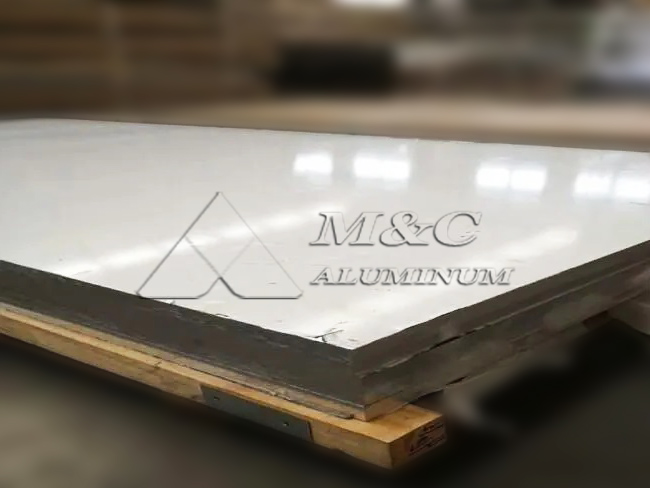
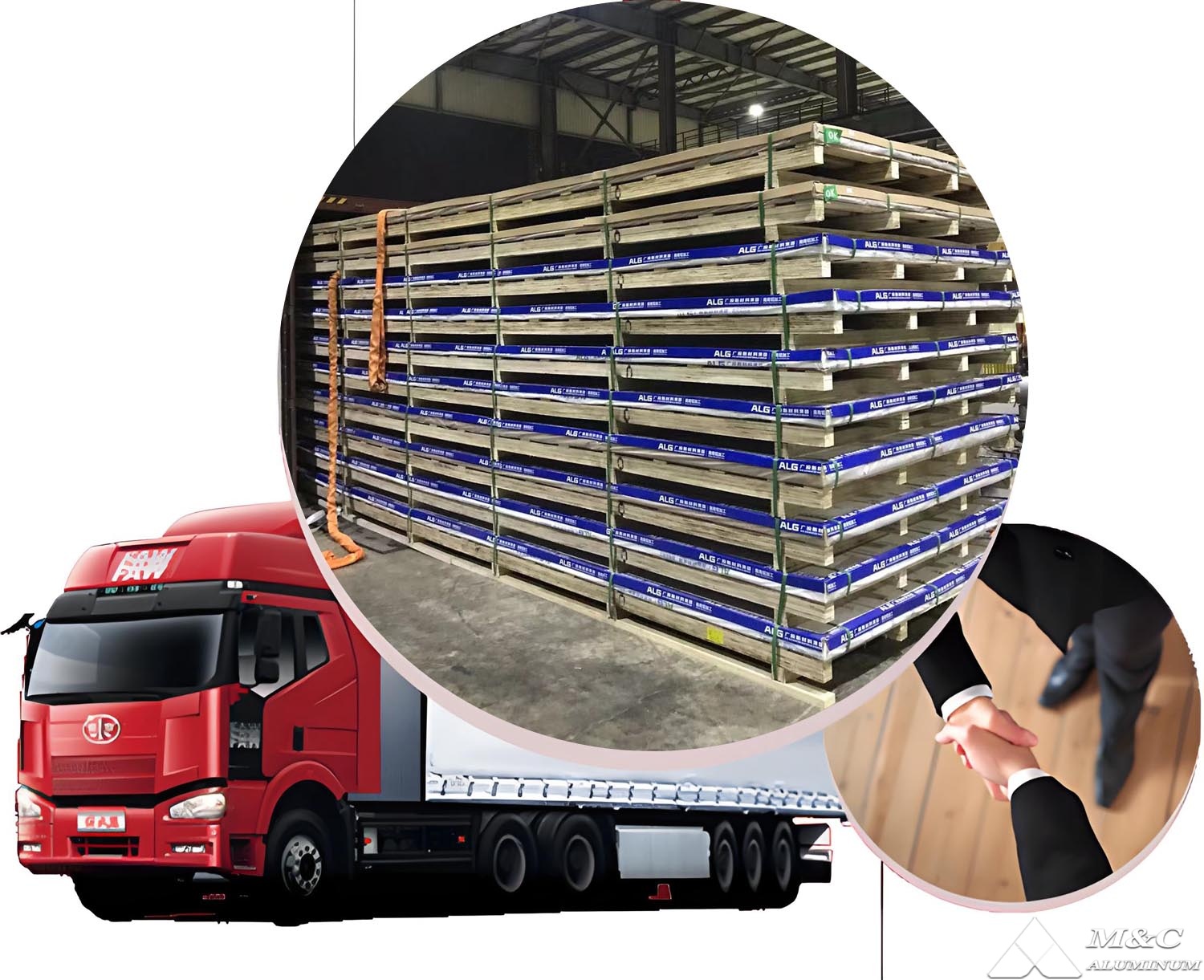
Marine aluminum sheet is usually supplied in wooden pallets or wooden cases suitable for sea transportation. Moisture protection, paper interleaving, plastic film, and steel or aluminum straps are selected according to product size and shipping conditions. Heavy marine aluminum plates are packed to support loading, unloading, and warehouse handling.
For export buyers, we provide product identification on labels and documents. Information may include alloy, temper, size, batch number, net weight, gross weight, and order reference. Mill test certificates can be supplied with shipment documents for engineering review and incoming inspection.
How to Select the Right 5000 Series Aluminum Sheet
Before ordering aluminum sheet for saltwater fishing boats, buyers should confirm the following information:
Alloy and temper required by design drawings
Thickness, width, length, and quantity
Application position, such as hull, deck, cabin, or tank
Welding process and filler metal plan
Classification society or standard requirements
Surface requirement and protective film requirement
Packaging and delivery conditions
Required inspection documents and test certificates
If the project is in the early design stage, our technical team can provide material data sheets, typical mechanical properties, size availability, and production suggestions. Final structural design should be confirmed by qualified marine engineers.
Conclusion
5000 series aluminum sheet is a practical and reliable material for saltwater fishing boats because it offers seawater corrosion resistance, good weldability, suitable strength, and efficient fabrication performance. For main hull structures, 5083 and 5086 are widely used. For lighter panels and formed components, 5052 and 5754 may be suitable. For higher-performance or specialized vessels, 5383, 5456, and 5059 can be considered according to engineering requirements.
As a factory manufacturer, we produce marine aluminum sheet and plate with controlled alloy composition, stable temper, accurate dimensions, and export-ready packaging. By selecting the proper 5000 series alloy and matching it with correct welding and fabrication practices, boatbuilders can manufacture saltwater fishing boats with durable structures and consistent marine performance.
Original Source: https://www.marinealum.com/a/5000-series-aluminum-sheet-for-saltwater-fishing-boats.html
Tag: 5000 series marine aluminum sheet marine aluminum sheet aluminum sheet for saltwater fishing boats 5083 marine aluminum 5086 marine aluminum corrosion resistant aluminum sheet boat hull aluminum plate marine grade aluminum plate