Marine aluminum flat bars are widely specified for vessels, offshore structures, docks, gangways, and coastal equipment because they combine low weight, useful corrosion resistance, consistent mechanical properties, and efficient fabrication. As a manufacturer of marine-grade aluminum flat bar, we produce extruded and cut-to-size sections for shipbuilders, marine equipment fabricators, and engineering contractors that require reliable material performance in demanding saltwater environments.
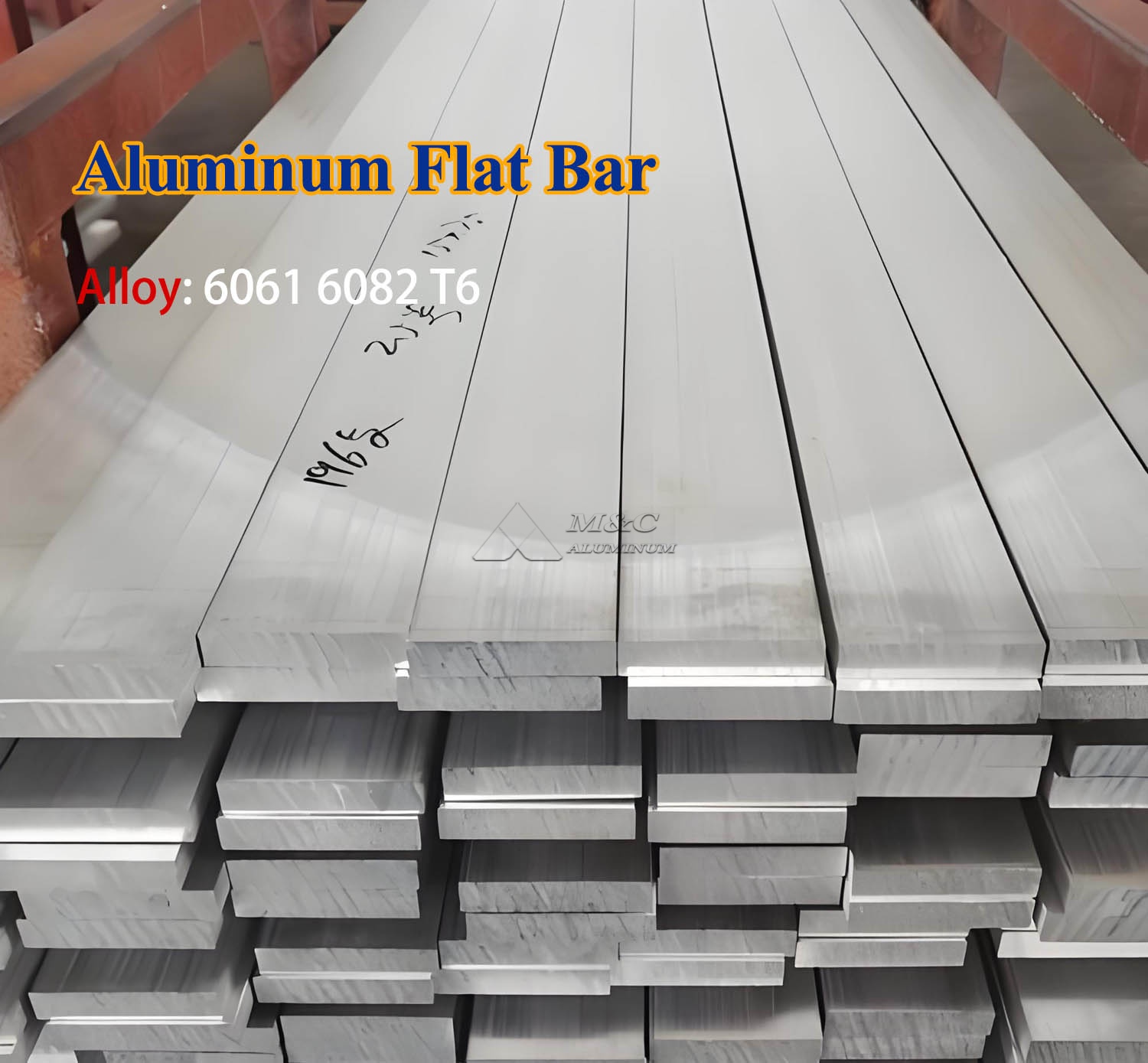
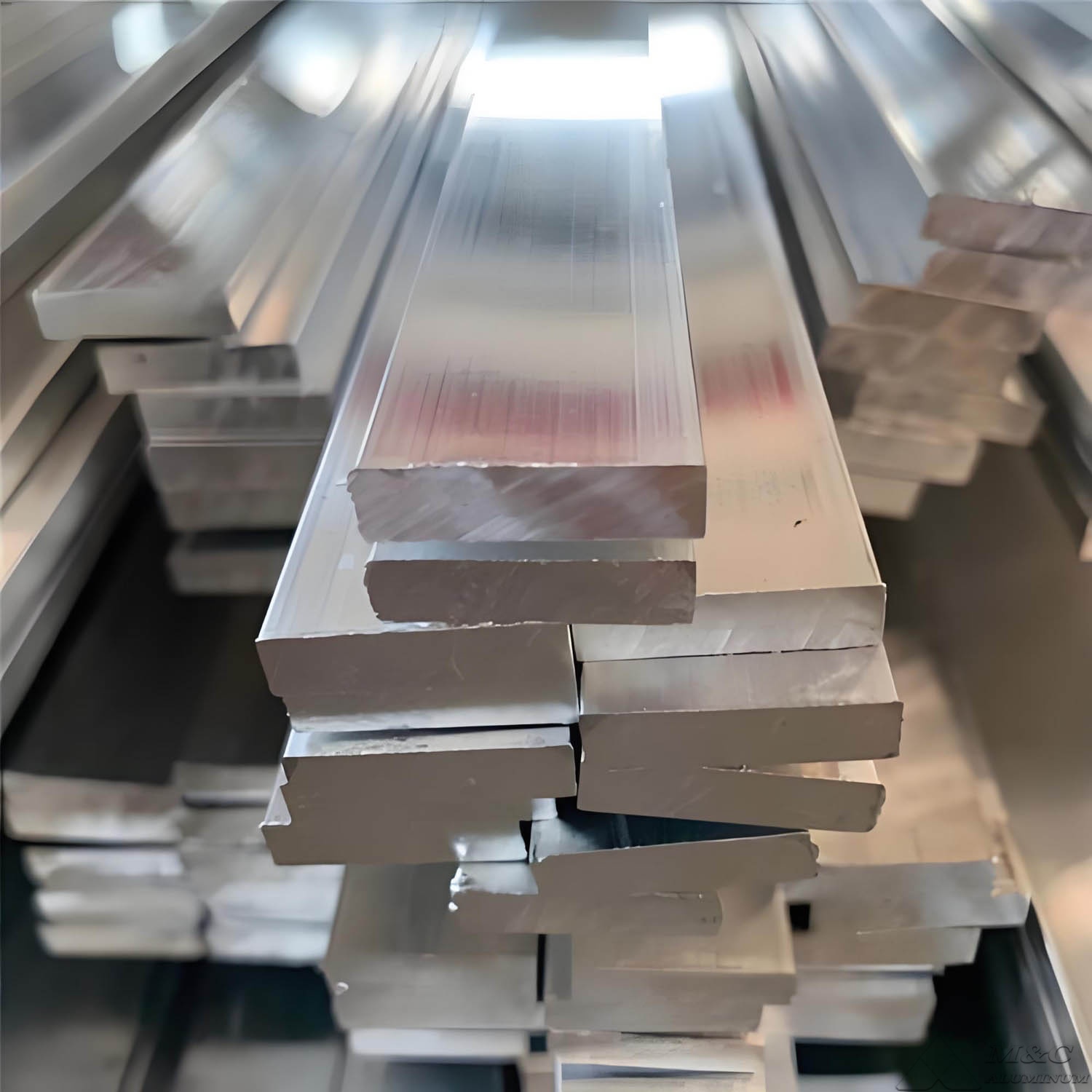
A flat bar has a simple rectangular cross-section, but its role in marine construction is important. It can be used as a stiffener, bracket, edge reinforcement, support strip, mounting rail, joining member, or trim component. Compared with heavier steel alternatives, aluminum flat bars for boats help reduce structural mass while supporting practical welding, machining, bending, and assembly operations.
Corrosion Resistance in Saltwater Service
The principal reason for selecting a marine aluminum flat bar is its resistance to atmospheric and seawater corrosion. Aluminum naturally forms a thin, adherent oxide layer when exposed to air. This layer provides a first level of protection against further oxidation. When the correct alloy and temper are selected, aluminum can deliver stable performance in humid, splash-zone, and marine atmospheric conditions.
For direct exposure to seawater, 5xxx series alloys, especially 5083, 5086, and 5052, are commonly preferred. These non-heat-treatable aluminum-magnesium alloys have strong resistance to marine corrosion and good weldability. They are suitable for structural components, hull-related supports, deck fittings, and fabricated marine assemblies.
However, corrosion resistance depends on more than alloy selection. Good marine design should avoid water traps, crevices, and direct contact between aluminum and dissimilar metals. Where aluminum flat bars are connected to stainless steel, carbon steel, copper-containing alloys, or other dissimilar materials, insulation and suitable fasteners should be considered to reduce the risk of galvanic corrosion. We can supply surface conditions and dimensional tolerances appropriate for subsequent anodizing, coating, or fabrication where added environmental protection is required.
Weight Reduction Supports Vessel Efficiency
Weight is a critical design factor in the marine industry. A lighter vessel can improve payload capacity, reduce fuel consumption, support higher operating speeds, or create more flexibility in the design of onboard systems. Aluminum has a density of approximately 2.70 g/cm3, which is about one-third that of carbon steel.
By using marine-grade aluminum flat bars in non-critical and structural support applications, fabricators can reduce the total weight of rails, frames, access systems, equipment brackets, deck supports, and interior components. This is particularly valuable in high-speed ferries, workboats, fishing vessels, patrol boats, yachts, passenger vessels, and lightweight superstructures.
Weight reduction does not mean that every part should be made thinner. Material thickness and bar dimensions must be calculated according to load cases, span, connection method, fatigue requirements, and applicable marine standards. Our production team assists buyers by manufacturing aluminum flat bar dimensions that match approved drawings and practical fabrication requirements.
Suitable Alloys and Technical Parameters
Different marine projects require different combinations of strength, corrosion resistance, weldability, and machinability. The table below summarizes common alloys used for aluminum flat bars in marine applications.
| Alloy | Common Temper | Typical Tensile Strength | Main Marine Characteristics | Typical Applications |
|---|---|---|---|---|
| 5052 | H32, H34 | 210-260 MPa | Good corrosion resistance, good formability, good weldability | Brackets, trim, light frames, interior marine fittings |
| 5083 | H111, H112 | 270-350 MPa | Excellent seawater resistance, high strength, excellent weldability | Structural supports, deck components, vessel structures |
| 5086 | H111, H116, H321 | 275-350 MPa | Excellent corrosion resistance and welding performance | Hull-related supports, workboat structures, marine frames |
| 6061 | T6, T651 | 290-320 MPa | High strength, good machinability, moderate marine corrosion resistance | Machined parts, hardware supports, engineered assemblies |
| 6063 | T5, T6 | 190-240 MPa | Good extrudability, smooth surface, good anodizing response | Architectural marine rails, trim, lightweight profiles |
| Standard Production Parameter | Typical Range or Requirement |
|---|---|
| Thickness | 3 mm to 50 mm, subject to alloy and production method |
| Width | 10 mm to 300 mm, with custom sizes available |
| Length | 1,000 mm to 6,000 mm, or cut to drawing requirements |
| Surface | Mill finish, brushed, anodized-ready, or protective film |
| Dimensional tolerance | Produced according to agreed standard, drawing, or project specification |
| Inspection options | Chemical composition, mechanical properties, dimensions, surface inspection, traceability documentation |
Values shown are typical references only. Final alloy, temper, dimensions, and property requirements should be confirmed against the project specification, classification requirements, and intended service conditions.
Flat Bar Geometry Makes Fabrication Efficient
The rectangular shape of an aluminum flat bar is practical for marine fabrication. It provides broad contact surfaces for welding, bolting, riveting, bonding, or mounting. Fabricators can cut, drill, mill, bend, and form flat bars using standard aluminum-processing methods. This versatility reduces the need for complex custom profiles in many support and reinforcement applications.
In our manufacturing process, we control cross-sectional dimensions, straightness, edge condition, and surface quality to help customers achieve stable results in downstream fabrication. Clean edges and consistent dimensions are important when flat bars are used in repetitive assembly work, such as equipment skids, ladder supports, deck modules, door frames, and handrail systems.
For projects requiring a broader selection of extruded cross-sections, our Aluminum Profile range can be matched with flat bar components to simplify system design and material sourcing.
Good Weldability for Marine Structures
Welded fabrication is common in aluminum boatbuilding and marine equipment production. 5xxx series marine alloys are favored because they maintain useful corrosion resistance and mechanical performance after welding when appropriate filler metal and welding procedures are used.
For example, 5083 aluminum flat bar is often selected for welded structural work because of its combination of strength and seawater resistance. Proper joint design, heat input control, filler selection, and post-weld cleaning are essential. Excessive heat input can affect the heat-affected zone and may reduce local mechanical properties, so fabricators should follow qualified welding procedures.
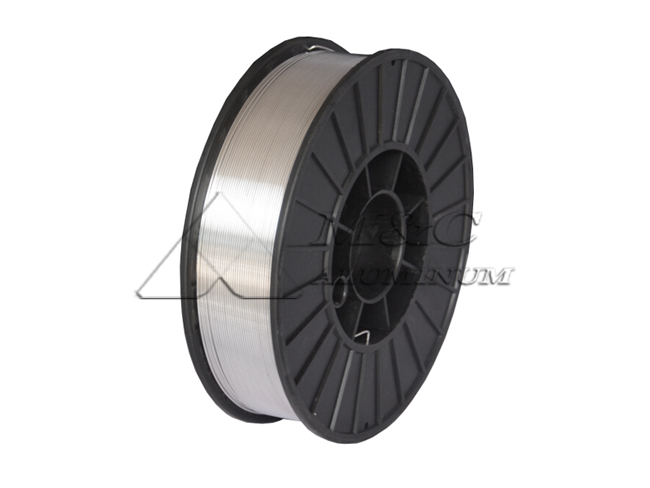
The selection of compatible filler metal also matters. In many marine aluminum welding applications, 5183, 5356, or 5556 filler alloys may be considered depending on the base alloy, required strength, corrosion environment, and project specification. Our Aluminum welding wire options can support customers who need compatible consumables for fabricated marine aluminum assemblies.
Strength, Durability, and Fatigue Considerations
Marine structures experience repeated loading from waves, vibration, machinery operation, thermal cycling, and impact. For this reason, a corrosion resistant aluminum bar must be selected not only for initial strength but also for its performance under cyclic service conditions.
The correct section size is important. A flat bar used as a local stiffener may need sufficient thickness to prevent buckling or distortion. A bar used as a bolted mounting rail may require adequate width for edge distance and fastener spacing. For highly loaded welded structures, designers should consider the reduced strength in the heat-affected zone and evaluate fatigue-sensitive details carefully.
As a manufacturer, we recommend that buyers provide application information when requesting quotations. Useful details include alloy requirements, temper, width, thickness, length, quantity, surface treatment, processing needs, and applicable standards. This allows us to propose a marine aluminum flat bar solution that is compatible with the part design and fabrication route.
Common Marine Applications
Aluminum flat bars are used throughout marine construction because they adapt easily to different structural and non-structural functions. Common applications include:
Deck edge reinforcements and support strips.
Equipment mounting rails and machinery brackets.
Handrail, ladder, walkway, and gangway components.
Door, hatch, window, and partition frames.
Interior outfitting supports for cabins and service areas.
Dock, pontoon, platform, and marina hardware.
Solar panel supports and electrical equipment frames.
Trailer, davit, storage rack, and access system fabrication.
Repair sections for corroded or damaged metal components.
For offshore and coastal equipment, aluminum flat bars can also be integrated with plates, tubes, angles, and custom extrusions. Their simple geometry helps maintain efficient material utilization and reduces machining time compared with more complex sections.
Manufacturing Quality and Traceability Matter
Not all aluminum flat bars are interchangeable. Marine buyers should confirm alloy chemistry, temper, dimensional consistency, and documentation before placing an order. Material intended for seawater exposure must be produced from suitable alloy billets and processed under controlled extrusion, rolling, straightening, and inspection procedures.
Our factory uses defined production controls to verify the key requirements of each order. Depending on the project, we can provide mill test certificates, chemical composition reports, mechanical property data, dimensional inspection records, and marking or packaging requirements. We also use protective packing methods to reduce surface damage and contamination during export transport.
Surface condition is another practical consideration. Mill finish is commonly suitable for concealed structural parts, while brushed or anodized-ready surfaces may be specified for visible marine fittings. When a coating system is required, proper pretreatment and compatibility with the chosen alloy should be confirmed before application.
Conclusion
Aluminum flat bars are popular in the marine industry because they offer a practical balance of low weight, corrosion resistance, weldability, strength, and fabrication flexibility. Alloys such as 5083 and 5086 are particularly suitable for seawater-exposed and welded applications, while 6061 can be appropriate for machined or high-strength components with suitable corrosion protection.
For reliable results, marine engineers and fabricators should select the alloy and temper according to the operating environment, structural load, joining method, and required service life. As an aluminum flat bar manufacturer, we supply marine-grade materials in controlled dimensions and project-specific lengths to support efficient fabrication and dependable marine performance.
Original Source: https://www.marinealum.com/a/why-are-aluminum-flat-bars-popular-in-the-marine-industry.html
Tag: marine aluminum flat bar aluminum flat bars for boats 5083 aluminum flat bar 6061 aluminum flat bar corrosion resistant aluminum bar marine grade aluminum flat bar aluminum flat bar manufacturer