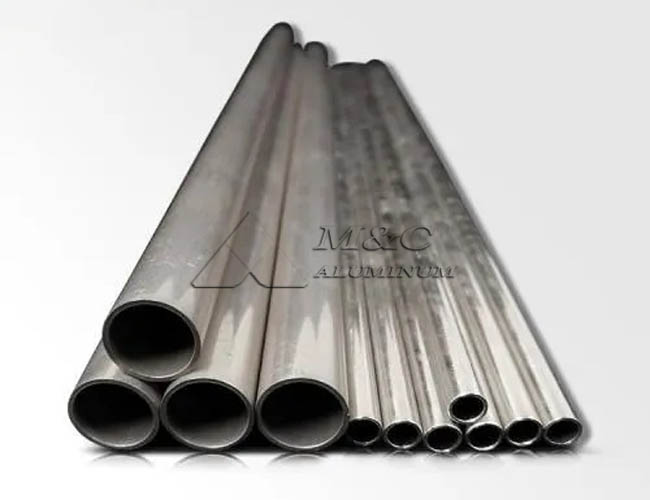
Copper Nickel 90/10 Seamless Pipe Overview
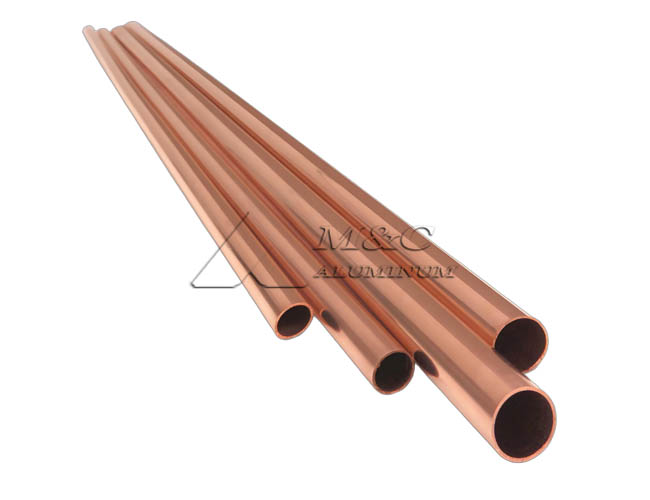
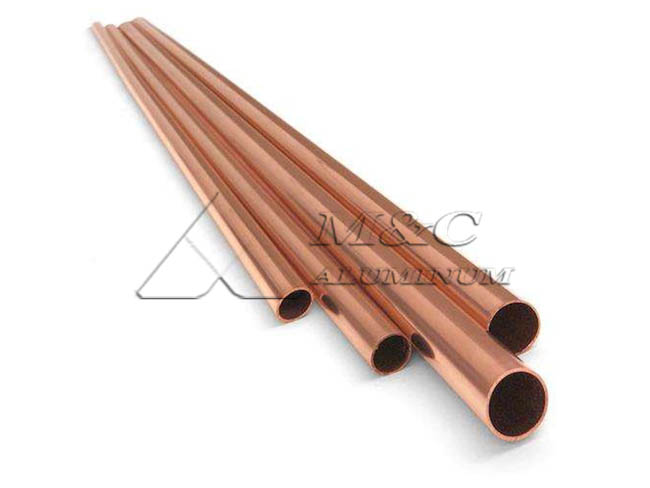
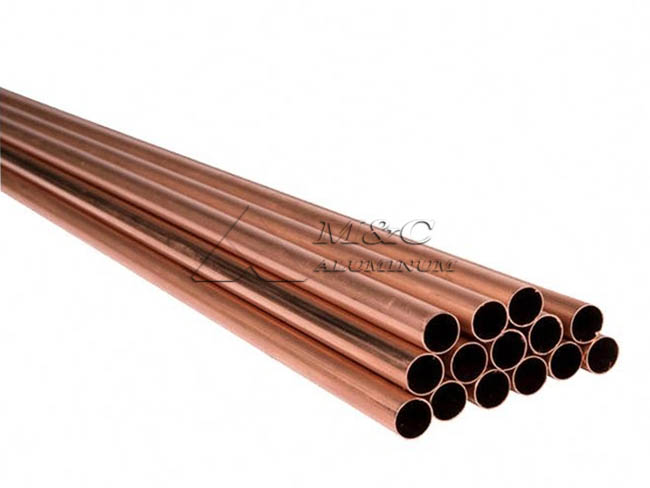
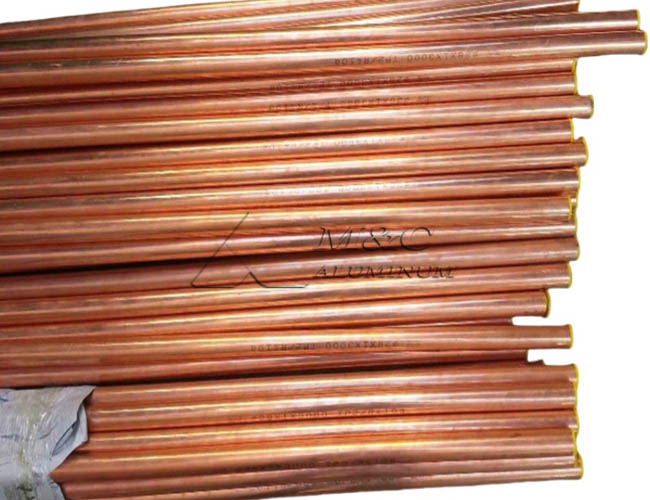
Copper Nickel 90/10 Seamless Pipe, also known as CuNi 90/10 seamless pipe or UNS C70600 copper-nickel seamless pipe, is a copper-nickel alloy tube primarily composed of copper with approximately 10% nickel content.
The material offers excellent resistance to seawater corrosion, erosion-corrosion, and marine atmospheric exposure, as well as good fabrication performance. The seamless manufacturing process eliminates potential weak points associated with welded seams, providing stable pressure resistance and high reliability.
C70600 CuNi 90/10 seamless pipe is a preferred material for seawater piping systems, heat exchangers, LNG auxiliary pipelines, marine ballast water systems, seawater fire-fighting pipelines, cooling-water systems, and desalination equipment.
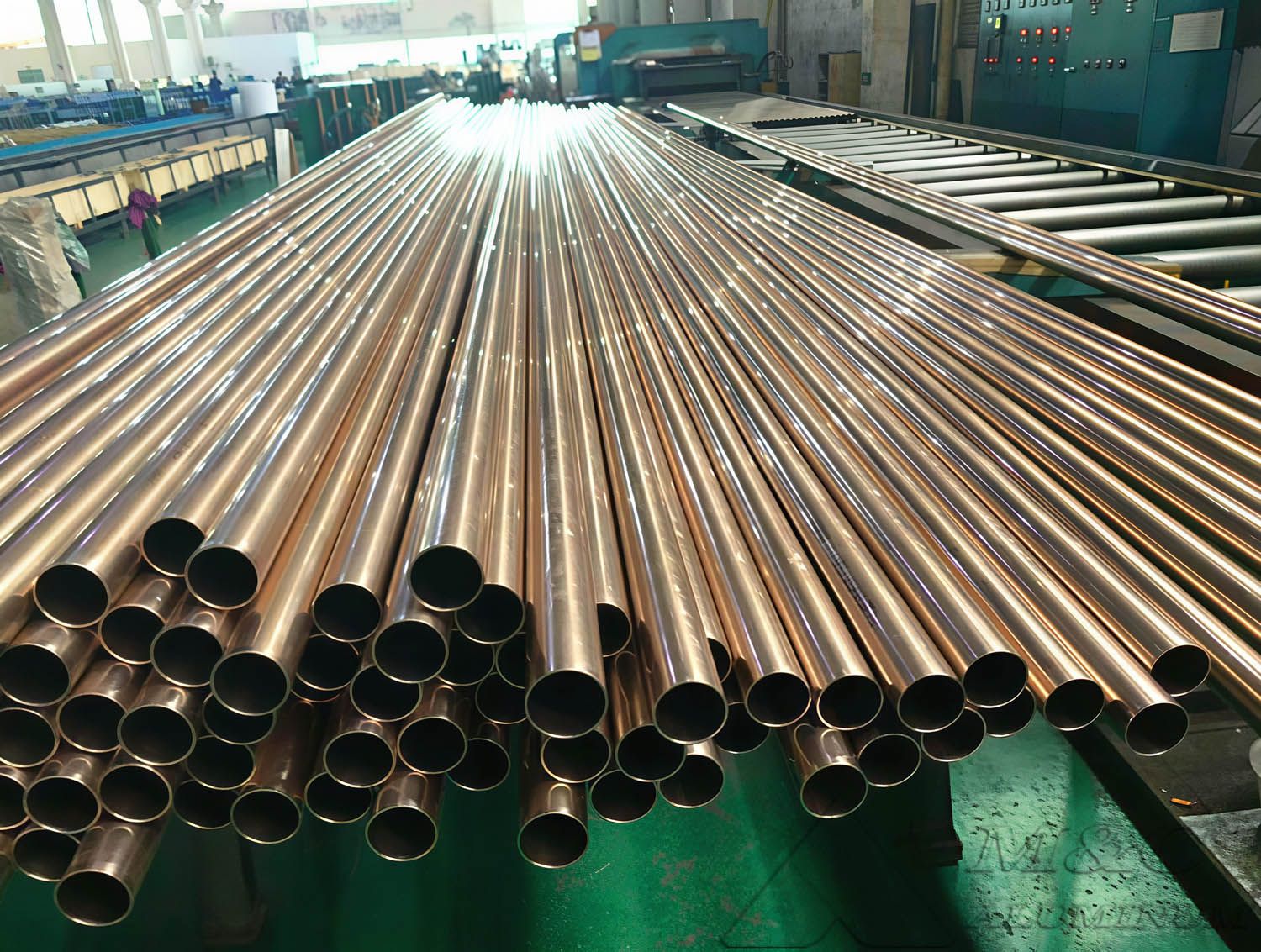
Key Characteristics of 90/10 Copper-Nickel Seamless Pipes
1. Excellent Resistance to Seawater Corrosion
C70600 copper-nickel seamless pipes exhibit superior resistance to corrosion from seawater, salt spray, marine atmospheres, and media containing chloride ions. A stable protective oxide film gradually forms on the pipe surface, mitigating continuous erosion of the pipe wall by the surrounding medium.
This property makes them particularly well-suited for marine seawater piping systems, offshore platforms, seawater intake and discharge systems, cooling water circulation loops, and desalination plants.
2. Strong Resistance to Erosion-Corrosion
In environments with high-velocity seawater or circulating water, conventional metal pipes are prone to localized thinning—or even perforation—due to fluid impact, abrasion from sediment particles, or cavitation. 90/10 copper-nickel alloy offers robust resistance to erosion-corrosion, making it ideal for pipe sections subject to significant flow velocity fluctuations, such as elbows, tees, pump outlets, and the inlets/outlets of heat exchangers.
3. Uniform Structure and Stable Pressure-Bearing Capacity
As they lack longitudinal weld seams, these seamless pipes possess a uniform internal structure, allowing them to withstand consistent internal pressure and temperature variations. They offer a distinct advantage in systems requiring high reliability, such as those used for seawater transport, condensers, heat exchangers, and the conveyance of high-pressure fluids.
4. Good Thermal Conductivity
90/10 copper-nickel alloy features excellent thermal conductivity, making it highly effective for use in condensers, evaporators, heat exchangers, thermal management equipment, and seawater cooling systems. It provides an optimal balance between thermal efficiency and corrosion resistance, meeting the demands of long-term heat exchange operations.
5. Excellent Weldability and Fabricability
C70600 copper-nickel seamless pipes can be easily processed through cutting, bending, flaring, flanging, and welding. By employing appropriate welding techniques, compatible filler materials, and rigorous cleaning protocols, one can achieve highly reliable welded joints.
Common Connection Methods for Copper Nickel 90/10 Seamless Pipe
The connection method for CuNi 90/10 seamless pipe should be selected based on pipe diameter, wall thickness, system pressure, operating temperature, fluid medium, installation space, disassembly frequency, and on-site construction conditions.
1. Welding
For marine piping systems involving high pressure, large diameters, or requirements for a permanent, hermetic seal, welding is the preferred method of connection. 90/10 copper-nickel alloy exhibits excellent weldability; common welding processes include Tungsten Inert Gas (TIG/GTAW) welding and Metal Inert Gas (MIG/GMAW) welding.
Butt Welding: Suitable for medium-to-large diameter seamless pipes. The joint preparation typically involves a V-shaped or U-shaped groove. When used with an appropriate filler metal (such as ERCuNi-7 welding wire), this method ensures that the weld seam possesses corrosion resistance and mechanical strength comparable to those of the base metal.
Socket Welding: Typically used for small-diameter piping (generally DN50 or smaller). The pipe end is inserted into the socket of a fitting and joined by a circumferential fillet weld; this configuration is compact and offers good resistance to vibration.
Technical Considerations: During the welding process, the interpass temperature must be strictly controlled to prevent overheating, which could lead to grain coarsening or compositional segregation. Following welding, all slag and oxide scale must be thoroughly removed to prevent the initiation of localized pitting corrosion.
2. Flanged Connection
Flanged connections are typically used in piping sections that require frequent maintenance or disconnection, such as at the inlets and outlets of seawater pumps, filters, heat exchanger interfaces, valve assemblies, and sensor connections—serving as detachable joints within welded piping systems. For 90/10 copper-nickel seamless piping, two types of flanged configurations are commonly employed: copper-nickel weld-neck flanges (WNF) and lap-joint (flanged-end) assemblies.
Weld-neck flanges: The flange body is made of C70600 copper-nickel alloy and is TIG-welded to the pipe. This configuration offers high structural strength and is suitable for medium- to high-pressure operating conditions.
Lap-joint (flanged-end) assemblies: The end of the copper-nickel pipe is flared (flanged), and a loose-fitting (lap-joint) flange—typically made of carbon steel or stainless steel—is used. In this setup, only the flared copper-nickel surface comes into contact with the medium; this design helps reduce procurement costs and is frequently used in low-pressure piping systems.
3. Threaded Connections
Threaded connections are primarily suitable for small-diameter C70600 copper-nickel seamless pipes, instrumentation piping, low-pressure auxiliary lines, discharge lines, and certain systems transporting non-critical media.
This method typically involves machining external or internal threads onto the pipe ends and using threaded pipe fittings to complete the connection. To enhance the sealing effect, materials such as PTFE (polytetrafluoroethylene) sealing tape, joint sealant, or other appropriate thread-sealing compounds may be applied.
4. Brazing and Soldering
For low-pressure, small-diameter instrumentation piping, auxiliary cooling water lines, or air conditioning system piping, silver brazing is a highly efficient joining process.
Typically, a silver-based filler metal (such as those in the BAg series) or a copper-phosphorus filler metal is used. At relatively low temperatures, the filler metal wets the surfaces and penetrates the mating gaps, creating a strong bond via capillary action.
This method offers rapid installation and minimizes the heat-affected zone on thin-walled seamless pipes.
5. Mechanical Press-Fitting and Quick-Connect Couplings
In scenarios where space is restricted, open-flame work is prohibited (e.g., repairs within ship compartments), or rapid installation is required for non-critical branch lines, advanced mechanical press-fittings or compression-style (ferrule) couplings are increasingly being utilized.
These systems employ specialized hydraulic tools to compress the fitting, while an internal O-ring (often made of a material like FKM/fluororubber) ensures a physical seal.
Note: It is essential to verify the compatibility of both the O-ring material and the metal components of the fitting with seawater. Furthermore, these methods are generally not recommended for primary seawater piping systems subject to high temperatures or intense vibration.
Technical Specifications
| Parameter | Specification |
| Material Composition | Cu ≥ 90%, Ni = 9–10% |
| Wall Thickness | 2–20 mm |
| Pipe Diameter Range | DN15–DN600 |
| Operating Temperature | -200°C to +400°C |
| Working Pressure | ≤25 MPa |
| Corrosion Resistance Level | Higher than AISI 316L in seawater service |
| Electrical Resistivity | 0.22–0.25 Ω·mm²/m |
| Thermal Expansion Coefficient | 16.5 × 10⁻⁶ /°C |
Typical Application Areas
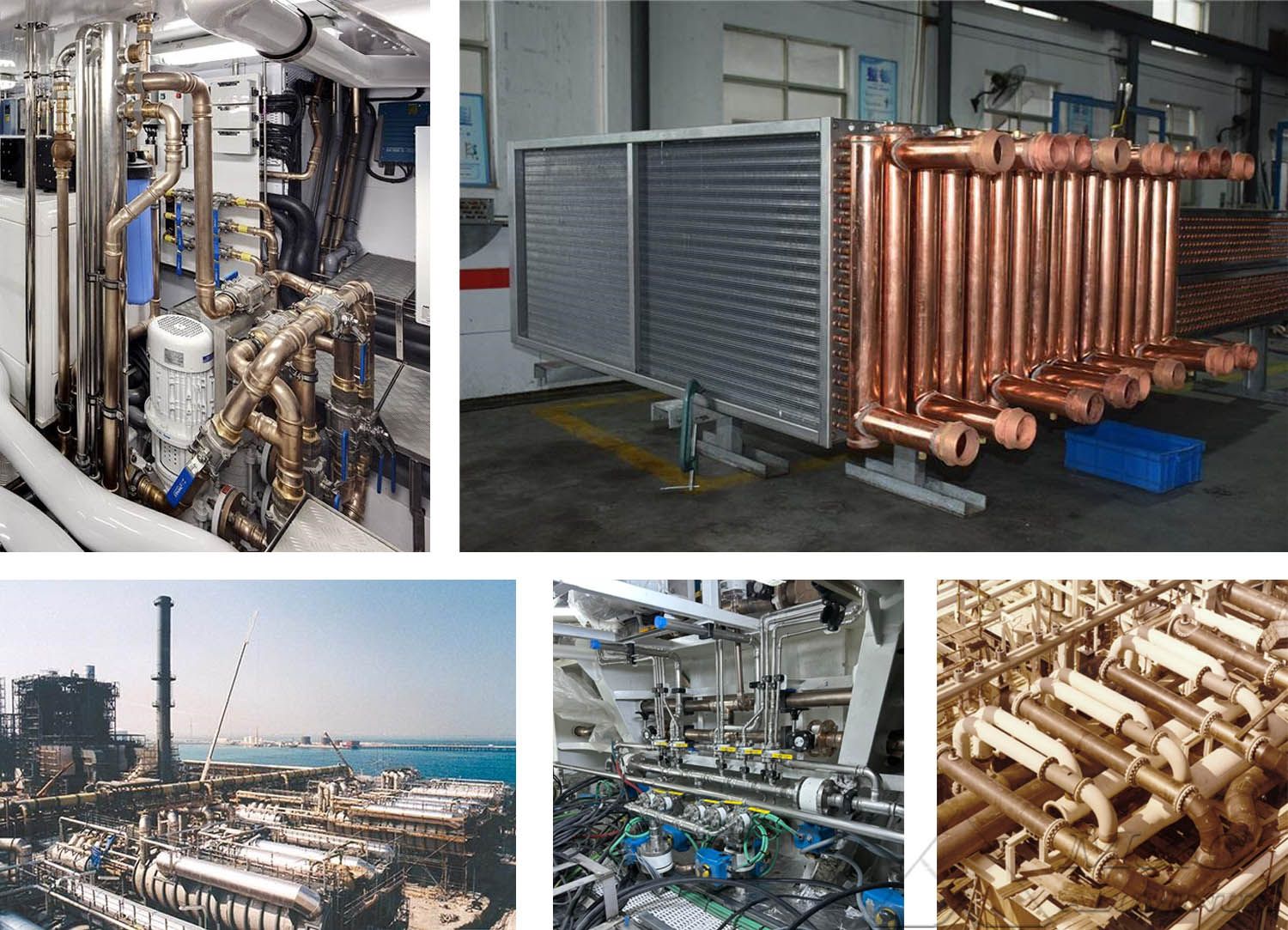
Leveraging the aforementioned scientific and well-established connection methods, 90/10 copper-nickel seamless pipe systems demonstrate exceptional reliability in the following applications:
Marine Industry: Main seawater cooling systems, ballast water piping, fire-fighting lines, and sanitary and fresh water piping.
Offshore Engineering: Fresh water and desalination units on offshore oil drilling platforms, as well as cooling water systems for FPSOs (Floating Production, Storage, and Offloading vessels).
Industrial Manufacturing: Condensers in power plants, and high-pressure feed water and brine discharge piping for seawater desalination plants (utilizing Multi-Stage Flash [MSF] or Reverse Osmosis [RO] technologies).
General Installation Considerations for CuNi 90/10 Piping Systems
1. Prevent Galvanic Corrosion Between Dissimilar Metals
Copper-nickel alloys have different electrochemical potentials from carbon steel, stainless steel, and other metals. When connecting CuNi piping to equipment or pipelines made from different materials, insulating flanges, insulating gaskets, dielectric sleeves, or other isolation measures should be considered to reduce the risk of galvanic corrosion.
2. Control Seawater Flow Velocity
C70600 Copper Nickel 90/10 can withstand higher seawater design velocities than ordinary copper pipe. However, when the flow velocity exceeds approximately 3 m/s, welded connections are generally preferred.
Reducing the number of joints can help lower erosion-corrosion risks, especially at turbulent locations such as elbows, tees, valves, and pump discharge lines.
3. Maintain Surface Cleanliness
Throughout fabrication and installation, contamination from carbon-steel tools, iron dust, grinding particles, or steel wire brushes should be avoided.
Iron-contaminated spots can become initiation sites for localized corrosion in seawater environments. Dedicated non-ferrous tools, clean work areas, and proper surface protection are recommended.
4. Provide Thermal Expansion Compensation
Copper-nickel alloy has a higher thermal expansion rate than carbon steel. For long piping systems, appropriate expansion loops, expansion bends, sliding supports, or expansion compensators should be designed to reduce additional stress at joints and equipment connections.
Original Source: https://www.marinealum.com/a/copper-nickel-9010-seamless-pipe-connection-methods.html
Tag: Copper Nickel 90/10 Seamless Pipe C70600 Copper Nickel Seamless Pipe Marine C70600 CuNi Seamless Pipe Marine Seamless Pipe Copper Nickel Flange CuNi 90/10 Pipe Seawater Corrosion-Resistant Copper Pipe Marine Copper Nickel Alloy Pipe Desalination C