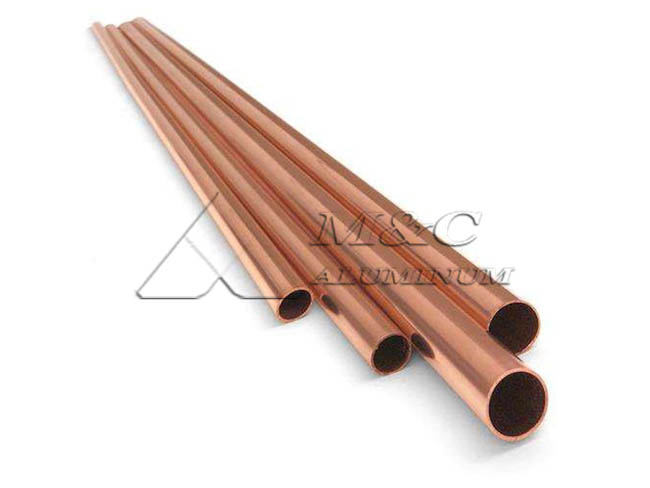
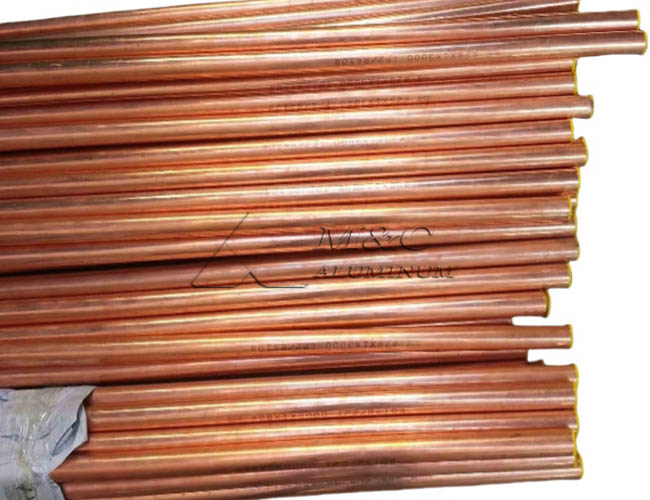
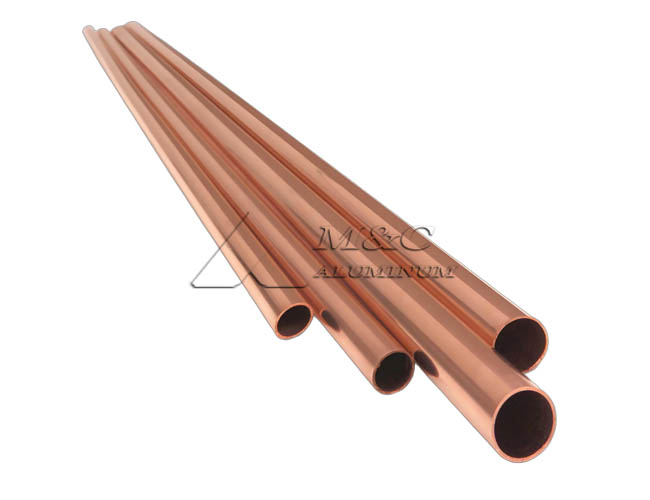
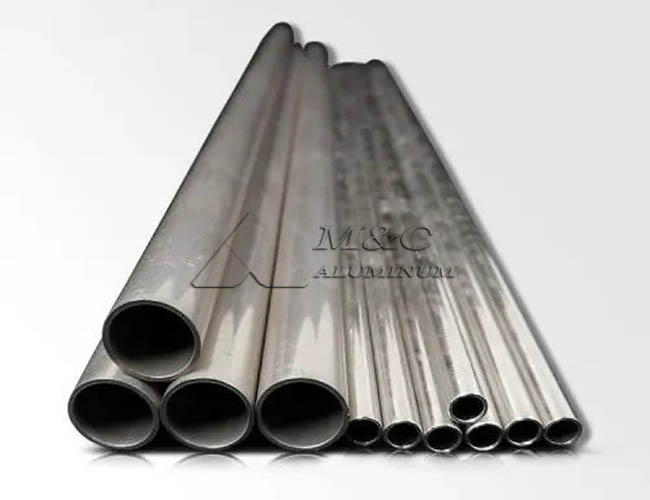
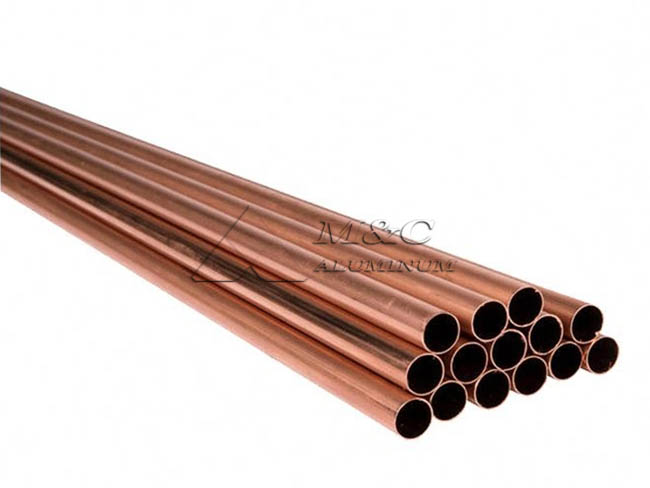
Seawater is one of the most corrosive environments for piping materials. High chloride content, dissolved oxygen, marine microorganisms, and continuous water flow can rapidly corrode traditional steel pipes, leading to leakage, high maintenance costs, and unexpected downtime. To improve the corrosion resistance, service life, and operational reliability of piping systems, 90/10 copper nickel pipe has become a widely used and well-established material choice for seawater piping systems.
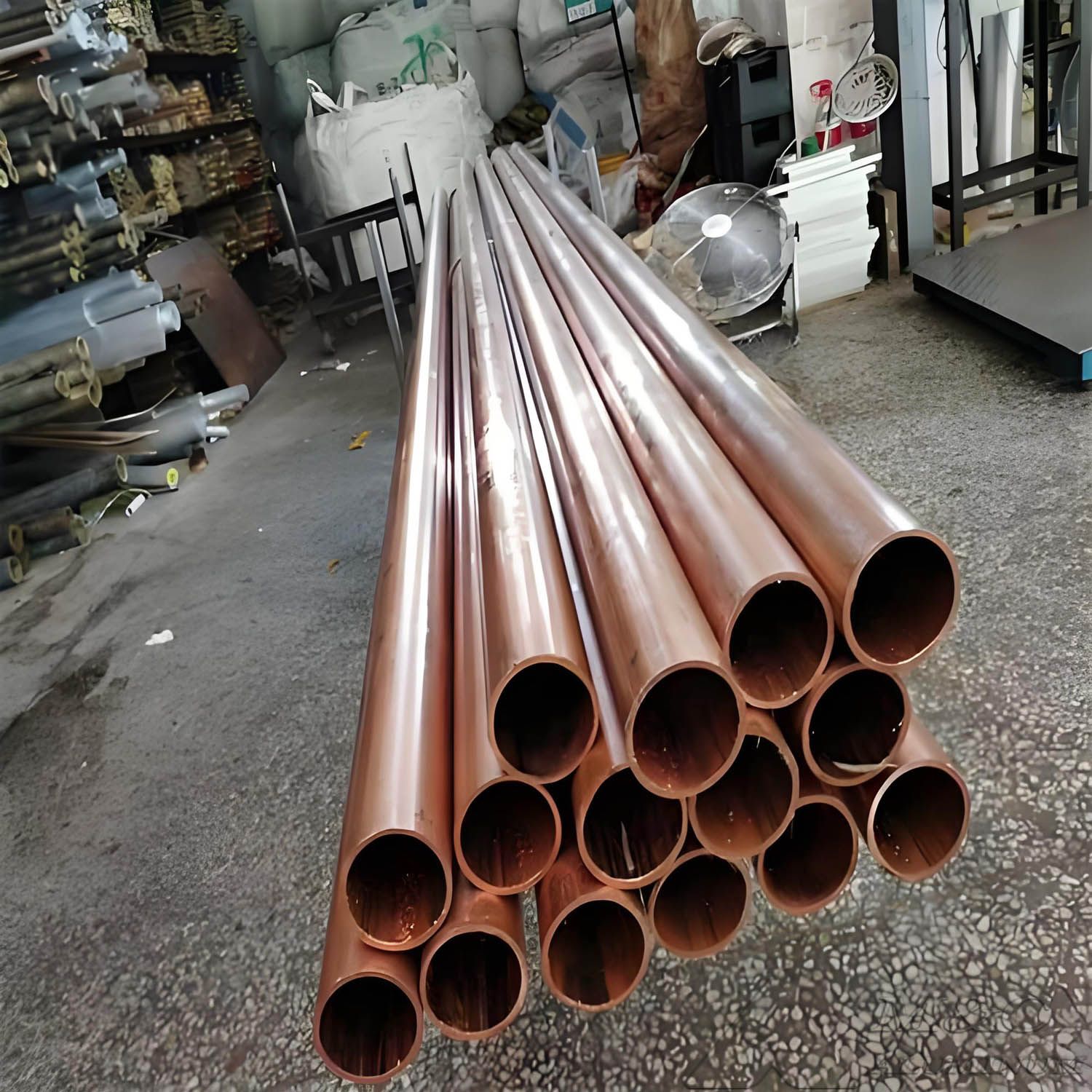
90/10 copper nickel pipe generally refers to copper nickel alloy pipe containing approximately 90% copper and 10% nickel. Common grades include C70600 and CuNi10Fe1Mn. This material combines excellent seawater corrosion resistance, erosion resistance, thermal conductivity, and good fabrication and welding performance. It is widely used in various seawater transportation, cooling, heat exchange, and fire-fighting piping systems.
Why Choose 90/10 Copper Nickel Alloy Pipe for Seawater Systems?
1. Excellent Seawater Corrosion Resistance
In seawater environments, copper nickel alloy can form a stable, dense, and protective oxide film on its surface. This film effectively slows down the corrosion of seawater on the base metal, allowing the pipe to maintain a low corrosion rate during long-term service.
2. Strong Resistance to Erosion Corrosion
After adding appropriate amounts of iron and manganese to C70600 copper nickel pipe, the stability of the protective film on the alloy surface is improved. As a result, the pipe can still maintain good corrosion resistance in flowing seawater.
3. Excellent Resistance to Biofouling
The copper element in copper nickel alloy has a certain inhibitory effect on the attachment of marine organisms. Compared with some plastic pipes, stainless steel pipes, and ordinary steel pipes, the inner wall of C70600 copper nickel pipe is less likely to develop severe attachment of shellfish, algae, and microorganisms.
4. Good Thermal Conductivity
Copper nickel alloy inherits the good thermal conductivity of copper. Although its thermal conductivity is lower than that of pure copper, it is still significantly better than many steel materials. In seawater cooling systems, good thermal conductivity helps improve heat exchange efficiency and reduce equipment operating temperatures.
5. Good Fabrication and Welding Performance
90/10 copper nickel pipe has good plasticity and processing performance. It can be processed by bending, flaring, expanding, welding, flange connection, and other methods. Conventional welding processes such as gas tungsten arc welding, GTAW/TIG, can be used. The corrosion resistance of the welded joint is comparable to that of the base material, making this alloy highly suitable for complex marine piping systems.
6. Long Service Life and Low Maintenance Cost
Although the initial purchase cost of 90/10 copper nickel pipe is usually higher than that of ordinary carbon steel pipe, its strong corrosion resistance, good resistance to marine biofouling, low maintenance frequency, and reduced downtime risk often make its total service cost more advantageous.
CuNi 90/10 Alloy Pipe Specifications
| Item | Specification |
| Material Grade | C70600 / CuNi 90/10 |
| Copper Content | Approx. 90% |
| Nickel Content | Approx. 10% |
| Standard | ASTM B111, ASTM B466, ASTM B466M, ASME SB111 |
| Manufacturing | Seamless / Welded |
| Outside Diameter | 6 mm – 508 mm |
| Wall Thickness | SCH 5S – SCH XXS or Customized |
| Length | 6 m, 12 m, or Customized |
| Surface Finish | Pickled, Bright Annealed, Polished |
| Inspection | Hydrostatic Test, Eddy Current Test, PMI, Dimensional Inspection |
Applications of CuNi 90/10 Alloy Pipe
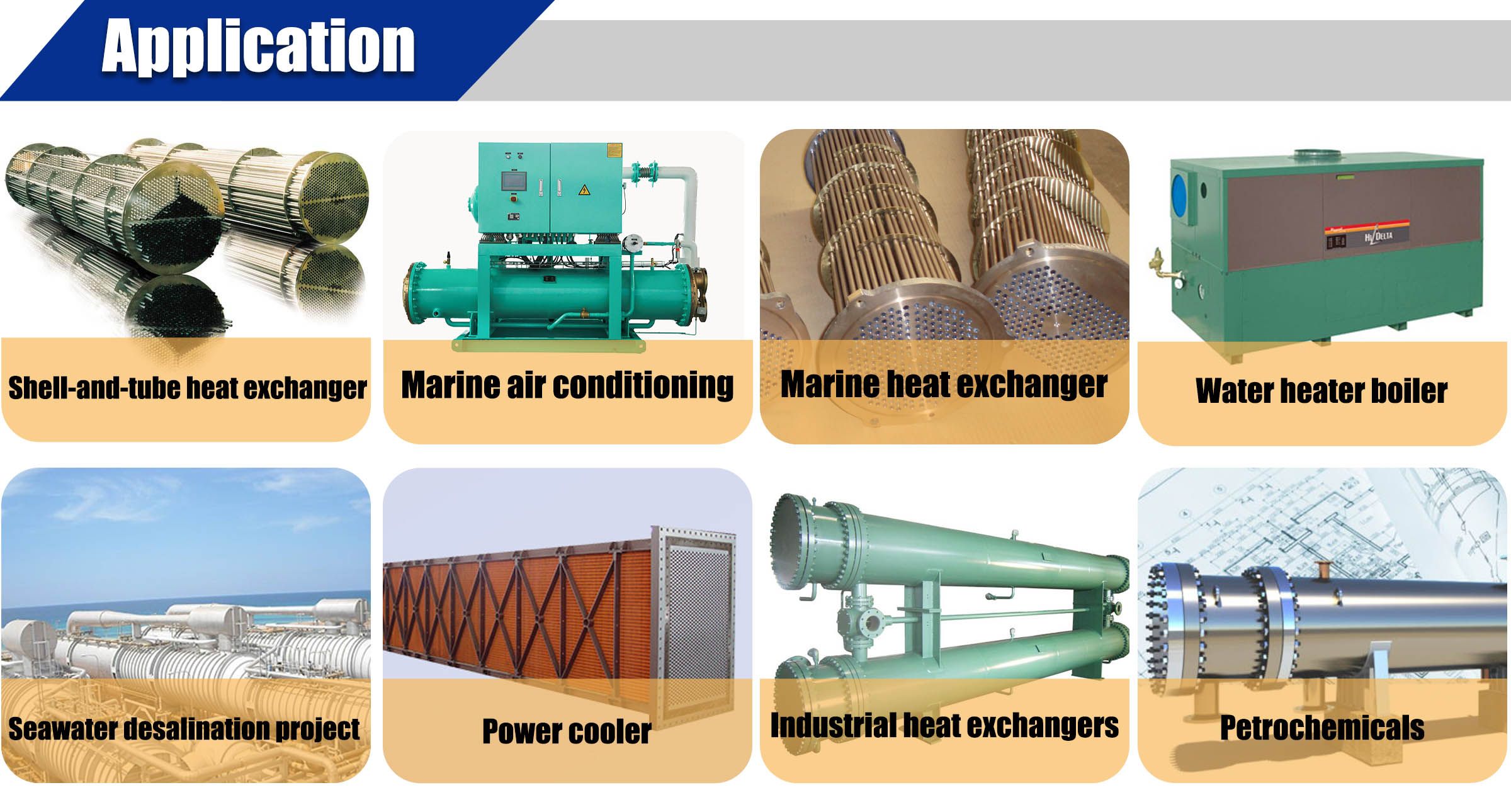
Offshore Oil and Gas Platforms: Used in seawater cooling systems, fire water systems, sprinkler systems, offshore oil platforms, FPSO units, and other offshore facilities.
Shipbuilding and Naval Applications: Used in seawater cooling systems, ballast water systems, bilge piping, and fire water pipelines.
Coastal Power Plants: Used in seawater cooling circulation systems and condenser tube bundles.
Desalination Plants: Used in pipelines, evaporator shells, tube sheets, and other components in multi-stage flash, MSF, and multi-effect distillation, MED, plants.
Product Standards
90/10 copper nickel pipes are supported by a complete standard system.
| Standard | Application Scope |
| ASTM B466 | Seamless copper nickel tubes and pipes |
| ASTM B467 | Welded copper nickel pipes |
| ASTM B111 | Copper nickel tubes for heat exchangers and condensers |
| EEMUA 144 / 234 | Copper nickel alloy piping for marine engineering |
| MIL-T-16420K | Military specification for copper nickel tubes |
| GB/T 8890 | Chinese standard for copper nickel tubes |
Pipe diameter range: Seamless pipes can reach approximately 400 mm. Larger diameter pipes, up to about 1.37 m, can be manufactured by welding plates. Wall thickness and pressure rating can be selected according to system design requirements.
Product Forms
| 90/10 copper nickel seamless pipe | 90/10 copper nickel welded pipe | 90/10 copper nickel fittings |
C70600 copper nickel pipe | CuNi 90/10 alloy pipe | 90/10 copper nickel straight pipe |
C70600 copper nickel seamless pipe | C70600 copper nickel welded pipe | Marine 90/10 copper nickel pipe |
Precautions for Using 90/10 CuNi Pipe in Seawater Piping Systems
1. Flow Velocity Control
Flow velocity is one of the most important parameters in the design of C70600 copper nickel piping systems. When seawater velocity is too high, the protective film may be eroded and damaged, resulting in erosion-corrosion.
The generally recommended design flow velocity is 1.8–2.5 m/s. Under well-defined piping conditions, the maximum safe velocity for 90/10 copper nickel alloy is usually about 3.5 m/s. In more open structures, where hydrodynamic conditions are different, the allowable velocity before erosion occurs may be higher.
Good design and operating practices should avoid conditions that increase flow velocity, such as partially throttled valves, sharp bends with small angles, and obstacles inside the piping system.
2. Galvanic Corrosion Protection
Copper nickel alloy occupies an intermediate position in the galvanic series. When connected with steel and aluminum, copper nickel alloy is more noble and may not cause serious problems. However, when connected with passive stainless steel, high-nickel alloys, and titanium, copper nickel alloy may preferentially corrode. Therefore, galvanic compatibility between different materials must be considered during design.
3. Shutdown and Standby Conditions
Shutdown periods are among the highest-risk stages for corrosion. Stagnant water remaining in the pipeline after shutdown or hydrostatic testing may produce sulfides, leading to pitting corrosion. Therefore, pipelines should be drained or flushed as soon as possible after shutdown. When the pipe is subsequently exposed to oxygen-containing water, a higher corrosion rate may occur before a new protective film forms.
FAQ
1. Why is 90/10 copper nickel pipe an ideal choice for seawater piping systems?
It offers excellent resistance to seawater corrosion, erosion-corrosion, biofouling, and chloride attack, ensuring long service life and minimal maintenance.
2. What is the difference between 90/10 copper nickel alloy pipe and 70/30 copper nickel alloy pipe?
90/10 copper nickel alloy pipe is suitable for most seawater applications and offers excellent cost performance. 70/30 copper nickel alloy pipe has higher strength and provides better corrosion resistance under high-velocity seawater and more severe offshore conditions.
3. Which standards are commonly used for CuNi 90/10 pipes?
Common standards include ASTM B111, ASTM B466, ASTM B466M, ASME SB111, and customer-specific marine specifications.
4. Can you provide custom sizes and fittings?
Yes. We provide custom-sized pipes as well as matching elbows, tees, reducers, flanges, caps, and other copper nickel alloy fittings.
5. Which industries commonly use 90/10 copper nickel alloy pipes?
This alloy is widely used in shipbuilding, offshore oil and gas, desalination plants, power plants, marine cooling systems, fire water systems, and heat exchanger units.
Original Source: https://www.marinealum.com/a/9010-copper-nickel-pipe-for-seawater-piping-systems.html
Tag: 90/10 copper nickel pipe CuNi 90/10 pipe C70600 copper nickel pipe 90/10 copper nickel alloy pipe seawater piping system marine copper nickel pipe ASTM B111 copper nickel pipe desalination copper nickel pipe CuNi pipe manufacturer copper nickel f