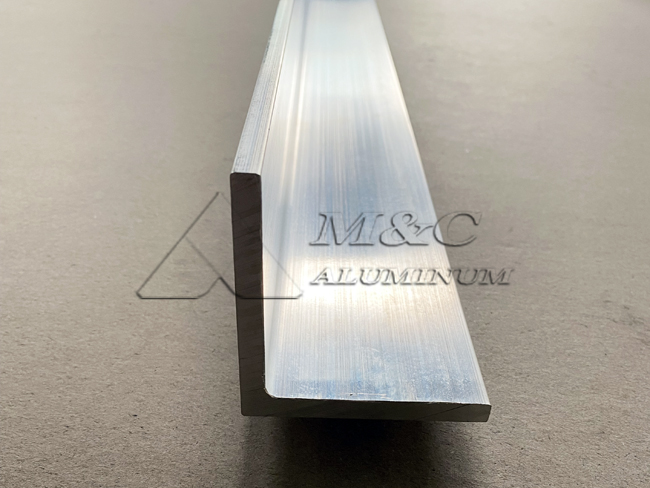
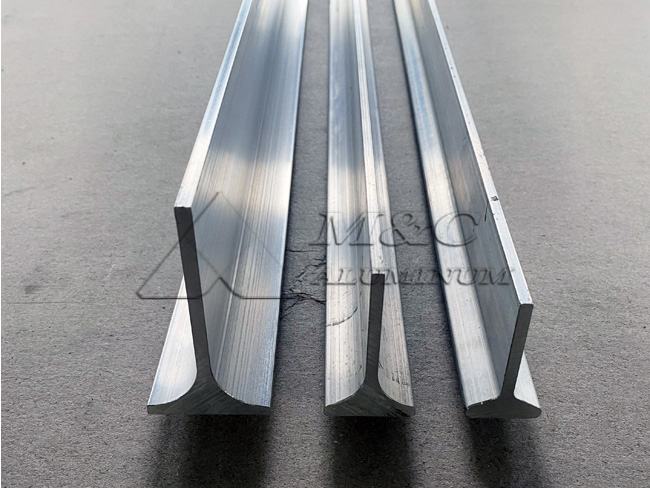
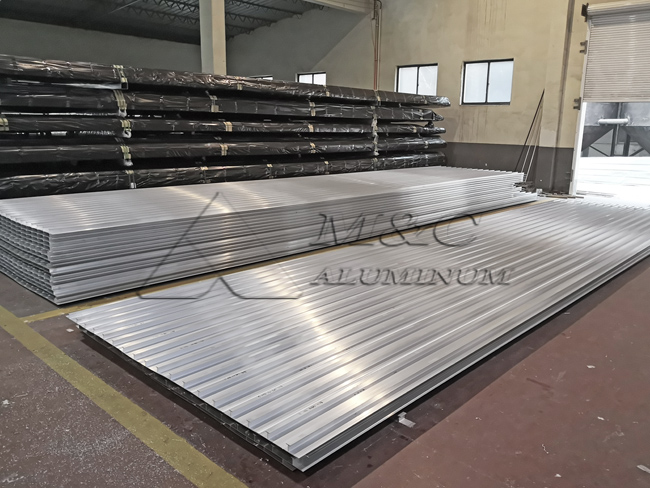
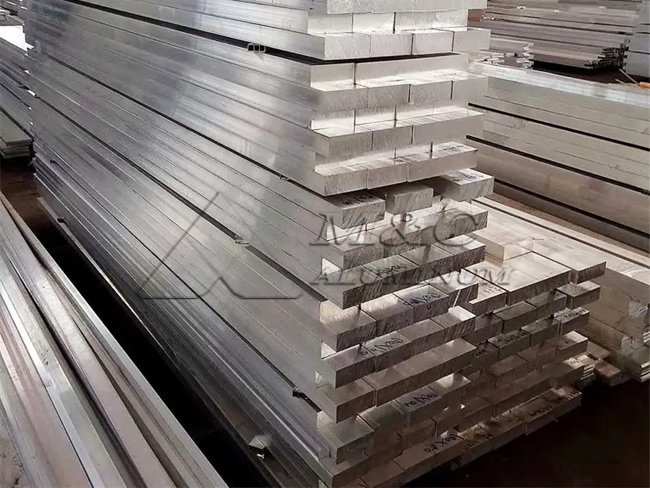
Marine deck reinforcement aluminum flat bar is a structural material used to strengthen aluminum deck panels, walkways, hatches, platforms, bulkhead connections, and supporting frames. As a manufacturer of marine-grade aluminum products, we produce aluminum flat bars for shipbuilding and offshore applications where low weight, corrosion resistance, weldability, and dimensional consistency are essential.
Our marine aluminum flat bar is supplied in suitable alloys and tempers for welded deck structures. It can be used as a longitudinal stiffener, transverse reinforcement, edge support, local backing bar, or connecting member in vessels and marine equipment. The final material selection depends on deck loading, welding process, corrosion exposure, section dimensions, and classification requirements.
Why Aluminum Flat Bar Is Used for Marine Deck Reinforcement
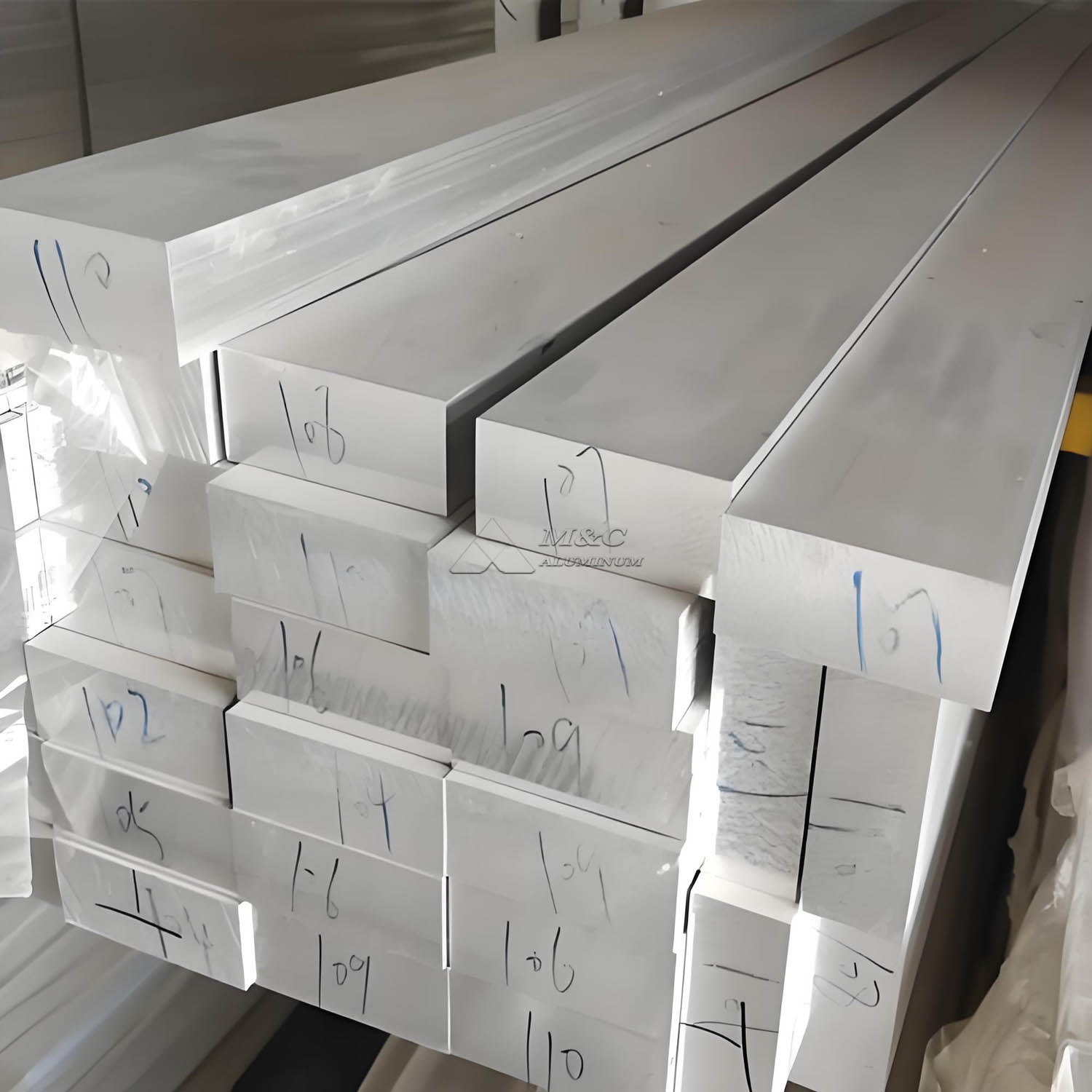
Deck structures are subject to repeated loads from personnel, cargo, vehicles, machinery vibration, wave impact, and thermal expansion. Reinforcement members must support these loads without adding unnecessary dead weight to the vessel. Marine deck reinforcement aluminum flat bar provides an effective balance between structural performance and lightweight construction.
Compared with conventional steel reinforcement, aluminum flat bar reduces the overall weight of deck assemblies. This can support improved payload capacity, lower fuel consumption, and easier handling during fabrication. Aluminum also forms a natural oxide film that contributes to corrosion resistance in humid and saltwater environments. For marine service, the alloy grade, welding procedure, coating system, and drainage design should all be considered together.
Our factory manufactures marine aluminum flat bar with controlled chemistry, stable mechanical properties, and clean surface quality. We support standard and custom dimensions for use in passenger vessels, workboats, fishing boats, patrol craft, ferries, offshore access platforms, pontoon systems, and marine deck modules.
Common Applications in Deck Structures
Marine-grade aluminum flat bar can be integrated into many deck reinforcement designs. It is commonly welded directly to aluminum plate or extruded deck panels to increase local rigidity and distribute operating loads.
Typical applications include:
Longitudinal deck stiffeners beneath aluminum deck plate.
Transverse reinforcement around hatches, manholes, and access openings.
Edge bars for deck panels, ramps, gangways, and platform sections.
Backing and support bars for welded joints and equipment foundations.
Reinforcement for non-slip deck plates and aluminum checker plate assemblies.
Local strengthening around cleats, bollards, rail supports, and deck fittings.
Frame components for engine-room walkways, service decks, and maintenance platforms.
Supporting members for modular marine structures and offshore access equipment.
For projects requiring a coordinated structural package, our Flat Aluminum products can be supplied alongside sheets, plates, extrusions, and other fabricated aluminum components according to the required drawings.
Recommended Alloys for Marine Aluminum Flat Bar
The 5xxx series aluminum alloys are widely used in marine construction because of their good corrosion resistance and welding performance. Among them, 5083 and 5086 are common choices for structural deck reinforcement. Alloy 6061 may also be selected for specific machined or bolted components, although its welded heat-affected zone properties must be evaluated carefully.
| Alloy | Typical Temper | Main Characteristics | Recommended Marine Use |
|---|---|---|---|
| 5083 | O, H111, H112 | High strength, excellent seawater corrosion resistance, good weldability | Heavily loaded decks, hull structures, offshore platforms |
| 5086 | O, H111, H112 | Very good corrosion resistance, reliable welded performance | Deck panels, workboats, walkways, superstructures |
| 5052 | H32, H34, H112 | Good formability and corrosion resistance, moderate strength | Light deck supports, covers, interior marine structures |
| 6061 | T6, T651, T4 | Good machinability and structural strength before welding | Bolted members, machined fittings, non-welded reinforcement parts |
For welded marine deck systems, we generally recommend 5083 or 5086 aluminum flat bar when corrosion resistance and post-weld structural reliability are primary considerations. Material selection should be confirmed against design calculations, vessel operating conditions, and the applicable certification standard.
Technical Parameters
Our marine deck reinforcement aluminum flat bar can be manufactured to customer drawings, relevant ASTM, EN, ABS, DNV, LR, BV, or other project specifications where applicable. The following table shows typical supply capabilities. Actual tolerances and dimensions can be confirmed during quotation and technical review.
| Parameter | Typical Range or Option |
|---|---|
| Product form | Rolled aluminum flat bar, sawn flat bar, machined flat bar |
| Available alloys | 5083, 5086, 5052, 6061, and other specified grades |
| Typical tempers | O, H111, H112, H32, H34, T4, T6, T651 |
| Thickness | 3 mm to 100 mm |
| Width | 20 mm to 600 mm |
| Standard length | 1,000 mm to 6,000 mm |
| Custom length | Available according to cutting schedule or drawing |
| Surface finish | Mill finish, brushed, protective film, customer-specified finish |
| Edge condition | Mill edge, sawn edge, deburred edge, machined edge |
| Cutting method | Saw cutting, CNC cutting, waterjet cutting, machining as required |
| Straightness | Controlled according to product size and agreed tolerance |
| Inspection | Chemical composition, dimensions, surface condition, mechanical properties |
| Documentation | Mill test certificate, packing list, inspection report, third-party documents when specified |
Mechanical properties vary by alloy, temper, bar thickness, and direction of testing. For structural applications, our technical team reviews the requested specification before production to ensure that the supplied marine aluminum flat bar is appropriate for the intended fabrication process.
Manufacturing Control for Marine Applications
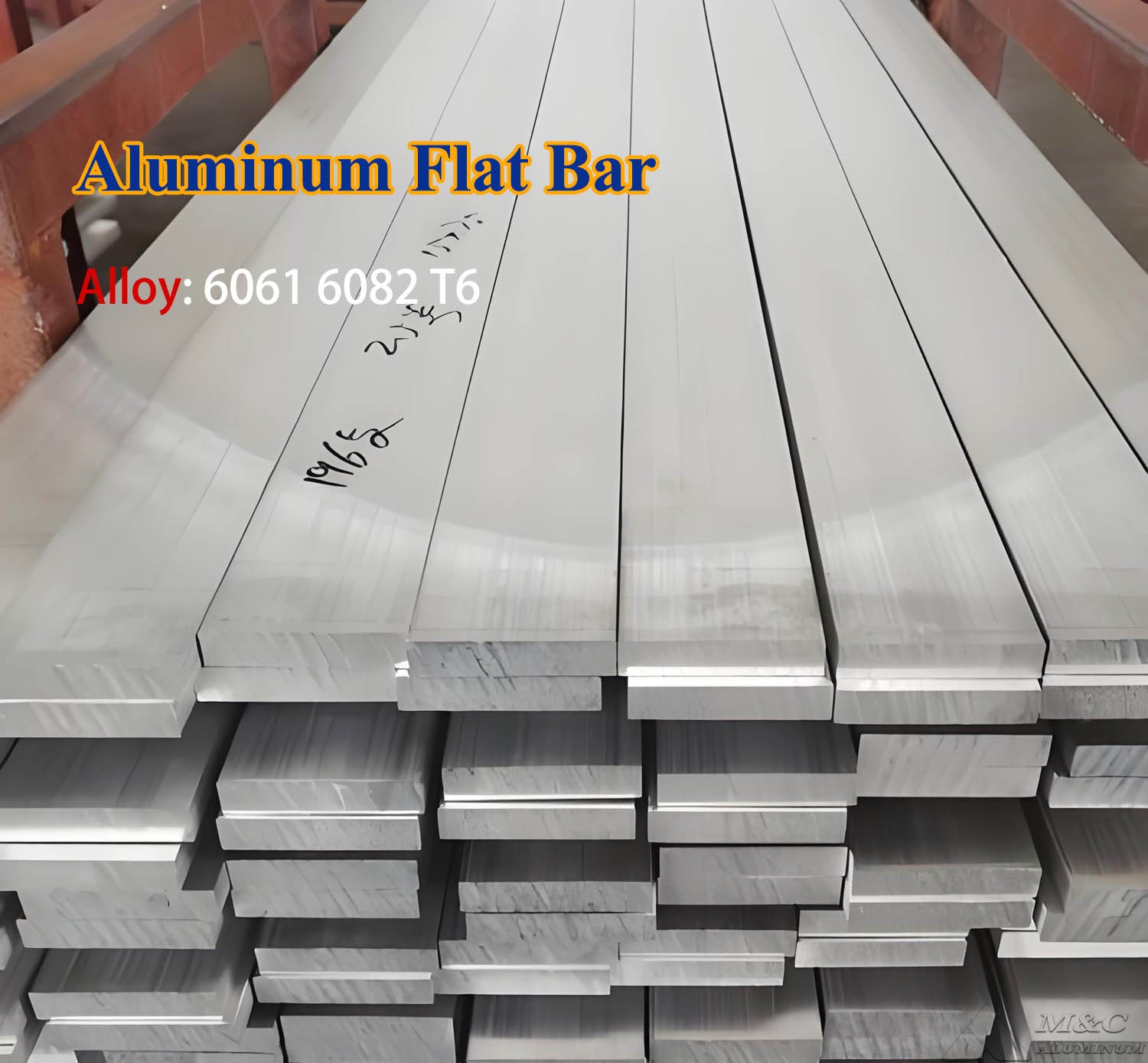
As a manufacturer, we control the production process from raw material selection through cutting, inspection, packing, and shipment preparation. Marine deck reinforcement materials require more than a nominal alloy designation. Surface condition, dimensional stability, edge quality, and traceability can directly affect welding efficiency and final assembly quality.
Our manufacturing process includes incoming billet or plate verification, controlled rolling or processing, precision cutting, deburring where required, dimensional inspection, and final identification. We maintain batch traceability so that material certificates can be matched to the supplied bars.
For flat bars that will be welded into deck assemblies, clean edges and surfaces help reduce preparation time. We can provide cut-to-length bars with specified tolerances, reducing on-site trimming and material waste. Where CNC-drilled holes, slots, chamfers, or machined details are needed, these can be incorporated based on approved drawings.
In larger deck fabrication programs, aluminum flat bar is often used together with extruded stiffeners and deck profiles. Our Aluminum Profile range can support integrated procurement for structural framing, edge sections, and custom extruded components.
Welding Considerations for Aluminum Deck Reinforcement
Welding is a critical part of marine deck construction. Proper alloy selection, joint design, surface preparation, filler metal, and heat control are necessary to achieve sound welds. Before welding, the aluminum flat bar and deck plate should be free from moisture, oil, heavy oxide, paint, and contaminants.
For 5083 and 5086 reinforcement bars, MIG and TIG welding are commonly used. Filler selection should match the base alloy and project welding procedure specification. In many marine applications, 5183 or 5356 filler wire may be considered, subject to the approved welding procedure. Because welding introduces heat, the properties in the heat-affected zone should be included in structural calculations.
Recommended fabrication practices include:
Use qualified welding procedures for the relevant alloy and thickness.
Maintain clean, dedicated tools to prevent ferrous contamination.
Avoid excessive heat input that may cause distortion or reduce local strength.
Design reinforcement spacing based on deck plate thickness and calculated loads.
Provide drainage and avoid crevices where water and contaminants can collect.
Isolate aluminum from dissimilar metals when galvanic corrosion is possible.
Inspect welds and reinforcement alignment before coating or final assembly.
Corrosion Protection and Service Life
Marine aluminum alloys offer good resistance to atmospheric and seawater exposure, but corrosion performance depends on the whole structure rather than the alloy alone. Poor drainage, stagnant seawater, damaged coatings, and contact with copper-bearing or steel components can increase corrosion risk.
For exposed deck reinforcement, we recommend a practical corrosion-control strategy that includes correct alloy selection, smooth fabrication details, suitable sealants, electrical isolation from dissimilar metals, and an appropriate coating system where required. In service areas with high abrasion, such as work decks and cargo zones, protective finishes should be selected based on expected traffic and cleaning methods.
Regular inspection is also important. Owners and fabricators should check weld areas, drainage points, fastener interfaces, and coated edges as part of routine vessel maintenance. Proper design and maintenance help preserve the performance of marine deck reinforcement aluminum flat bar throughout the operating life of the structure.
Ordering Information for Custom Flat Bars
To manufacture the correct aluminum flat bar for marine deck reinforcement, we recommend providing the following information with your inquiry:
Required alloy and temper, such as 5083-H111 or 5086-H112.
Flat bar thickness, width, length, and quantity.
Drawing requirements for cut-outs, holes, radii, chamfers, or machining.
Surface and edge requirements, including deburring or protective film.
Applicable standard, classification requirement, or documentation request.
Intended use, including whether the bar will be welded, bolted, or machined.
Packing, marking, and delivery requirements.
Our factory supplies marine aluminum flat bar in standard stock sizes and made-to-order dimensions. By matching the alloy, temper, processing method, and inspection scope to the deck design, we help shipbuilders and marine fabricators obtain reinforcement materials suitable for efficient assembly and dependable structural performance.
Original Source: https://www.marinealum.com/a/marine-deck-reinforcement-aluminum-flat-bar.html
Tag: marine deck reinforcement aluminum flat bar marine aluminum flat bar 5083 aluminum flat bar 5086 aluminum flat bar aluminum deck stiffener shipbuilding aluminum flat bar marine grade aluminum bar welded aluminum deck reinforcement