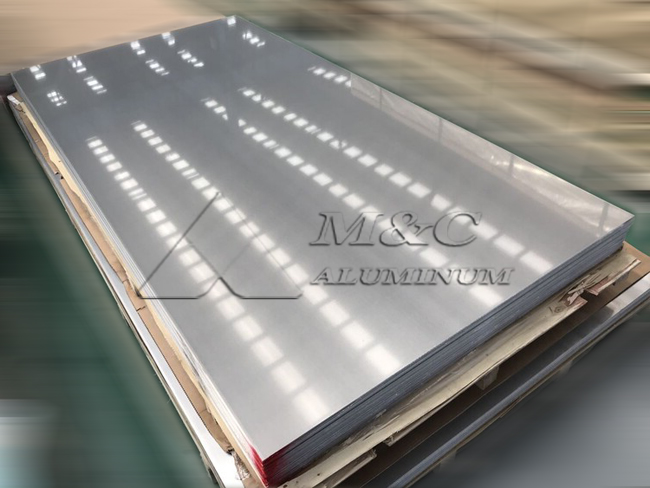
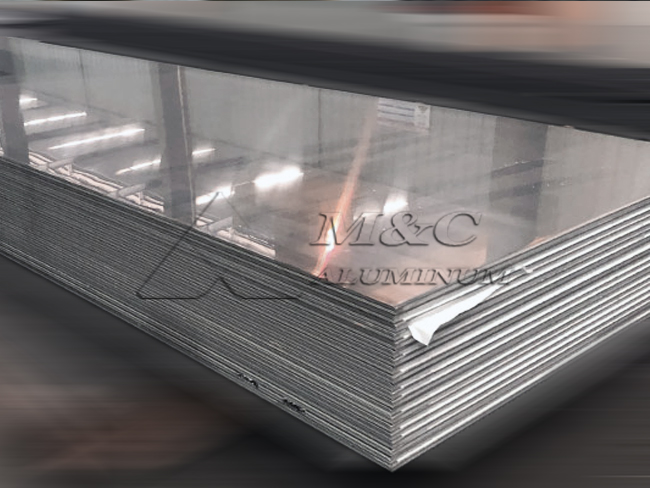
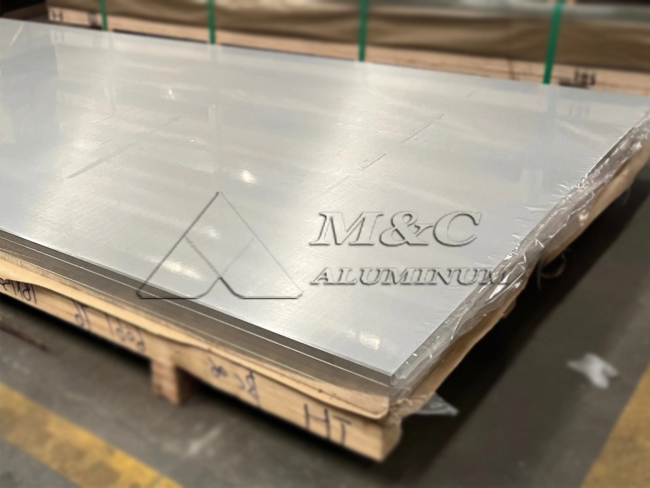
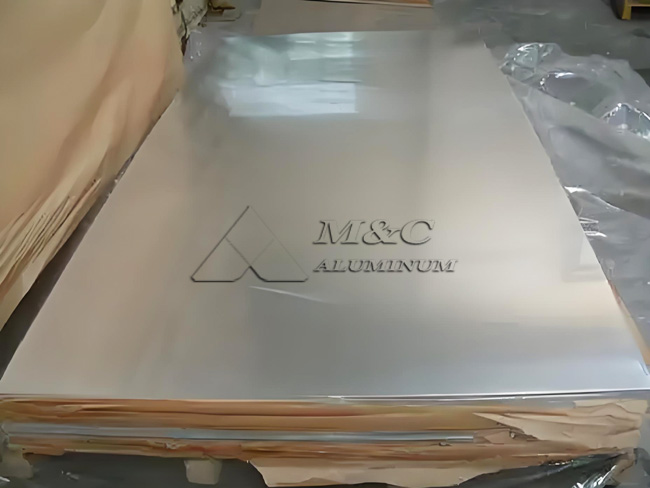
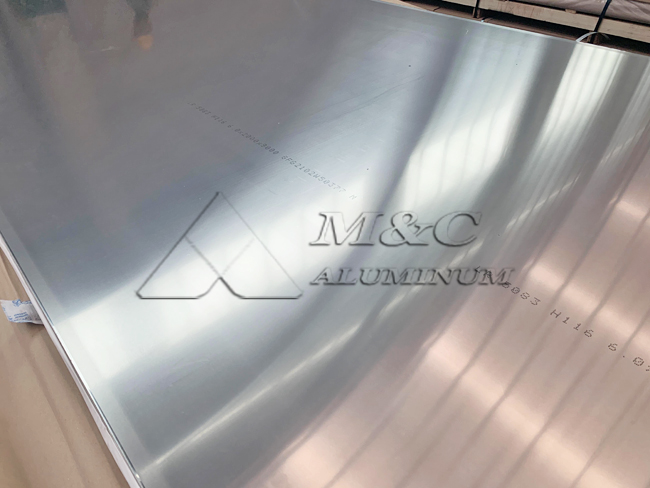
As an aluminum plate manufacturer serving shipyards, offshore fabricators, and marine equipment builders, we produce 5083 H116 marine-grade aluminum plate with controlled chemistry, stable mechanical properties, and certification support from recognized classification societies. This product is designed for welded marine structures where corrosion resistance, strength, traceability, and inspection documentation are essential.
5083 aluminum in H116 temper is widely used in hull structures, decks, superstructures, bulkheads, workboats, patrol vessels, ferries, offshore platforms, and LNG or chemical marine equipment. Compared with general industrial aluminum plate, marine-grade 5083 H116 plate requires stricter process control, particularly in magnesium content, rolling deformation, intergranular corrosion resistance, flatness, ultrasonic quality, and certification documentation.
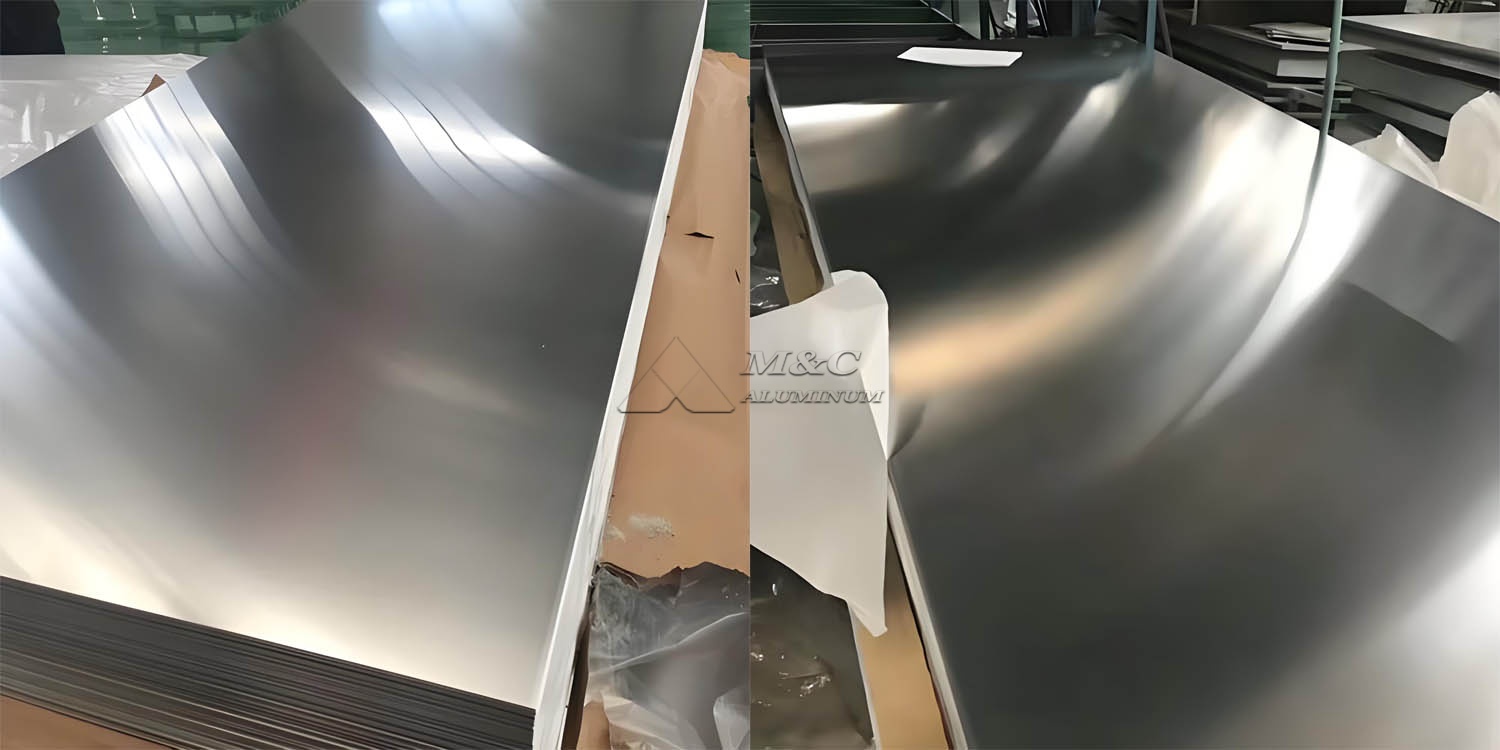
What Is 5083 H116 Marine-Grade Aluminum Plate?
5083 aluminum alloy is a non-heat-treatable Al-Mg alloy with magnesium as the main strengthening element. It provides high strength among 5xxx series aluminum alloys, excellent weldability, and strong resistance to seawater corrosion. The H116 temper indicates a strain-hardened condition with special control for marine service, including improved resistance to exfoliation corrosion and intergranular corrosion.
For shipbuilding applications, 5083 H116 is commonly specified when the plate will be exposed to marine atmosphere, seawater splash, bilge environment, or cyclic loading after welding. Our production route is arranged to meet the requirements of marine aluminum plate standards and the survey procedures of classification societies.
For projects requiring detailed alloy selection, our 5083 Marine aluminum product range can be supplied in plates, sheets, and cut-to-size blanks according to approved drawings and purchase specifications.
Classification Society Certification
Marine projects often require aluminum plates to be certified by an independent classification society. Depending on the vessel registration, project specification, and buyer requirement, certificates may be issued or accepted according to ABS, DNV, LR, BV, CCS, NK, KR, RINA, or other recognized classification bodies.
As a manufacturer, we coordinate production inspection and testing according to the required society rules. Certification is based on actual production batches, heat numbers, plate dimensions, test results, and inspection records. Each certified marine aluminum plate is supplied with traceable documentation, including chemical composition, mechanical properties, heat treatment or temper condition, and inspection results.
Typical certification documents may include:
Mill Test Certificate, MTC, with heat number and batch traceability
Classification society certificate, when required by order
Chemical composition report
Tensile test report
Intergranular corrosion or exfoliation corrosion test report, where applicable
Ultrasonic testing report, if specified
Packing list and plate identification record
Main Technical Parameters
The following values are typical reference data for 5083 H116 marine-grade aluminum plate. Final supply conditions depend on the applicable standard, classification society rule, thickness range, and contract specification.
| Item | Typical Specification |
|---|---|
| Alloy | 5083 |
| Temper | H116 |
| Product | Marine-grade aluminum plate |
| Main elements | Al-Mg-Mn alloy |
| Thickness range | 3 mm to 150 mm, subject to order and standard |
| Width range | Up to 2600 mm, subject to rolling capability |
| Length range | Up to 12000 mm or cut to size |
| Surface | Mill finish, clean and free from harmful defects |
| Standards | ASTM B928, EN 485, EN 573, EN 586, or project standard |
| Certification | ABS, DNV, LR, BV, CCS, NK, KR, RINA, as applicable |
| Testing | Tensile test, chemical analysis, corrosion test, UT if required |
| Application | Hull plate, deck, bulkhead, superstructure, offshore structure |
Chemical Composition Control
Stable chemical composition is the basis of marine performance. In our melting and casting process, magnesium, manganese, chromium, iron, and silicon are controlled within the specified range. Excessive impurity content can affect corrosion resistance and weld performance, so incoming raw materials, melt refining, filtration, and casting parameters are controlled according to our quality plan.
| Element | Typical Range, % |
|---|---|
| Si | Max. 0.40 |
| Fe | Max. 0.40 |
| Cu | Max. 0.10 |
| Mn | 0.40 to 1.00 |
| Mg | 4.00 to 4.90 |
| Cr | 0.05 to 0.25 |
| Zn | Max. 0.25 |
| Ti | Max. 0.15 |
| Others, each | Max. 0.05 |
| Others, total | Max. 0.15 |
| Al | Balance |
The above composition is provided as a general reference. For certified orders, the actual chemical composition is listed on the certificate for each heat number.
Mechanical Properties
5083 H116 marine aluminum plate combines strength with good elongation, making it suitable for welded structures that must withstand dynamic loads. The H116 temper is specifically important because it is developed for marine environments and is not simply a general hard temper.
| Thickness Range | Tensile Strength | Yield Strength | Elongation |
|---|---|---|---|
| 3 mm to 12.5 mm | Typically 305 MPa min. | Typically 215 MPa min. | Typically 10% min. |
| Over 12.5 mm to 40 mm | Typically 305 MPa min. | Typically 215 MPa min. | Typically 10% min. |
| Over 40 mm | Subject to applicable standard | Subject to applicable standard | Subject to applicable standard |
Actual values are tested according to the relevant standard and certificate requirements. For classification society certified aluminum plate, mechanical testing is normally performed on representative samples from the certified lot.
Manufacturing Process in Our Factory
Our 5083 H116 marine-grade aluminum plate is produced through a controlled manufacturing route, from melting to final inspection. The main production steps include:
Raw material selection and furnace charging
Alloying, refining, degassing, and filtration
Direct chill casting of aluminum slabs
Homogenization treatment for slab structure stability
Scalping and surface preparation before rolling
Hot rolling and controlled cold rolling if required
Temper control to achieve H116 condition
Leveling, cutting, and dimensional inspection
Mechanical, chemical, and corrosion testing
Marking, packaging, and certificate preparation
During rolling, we control reduction ratio, temperature, deformation distribution, and leveling parameters. These factors are important for plate flatness, residual stress, grain structure, and long-term corrosion performance.
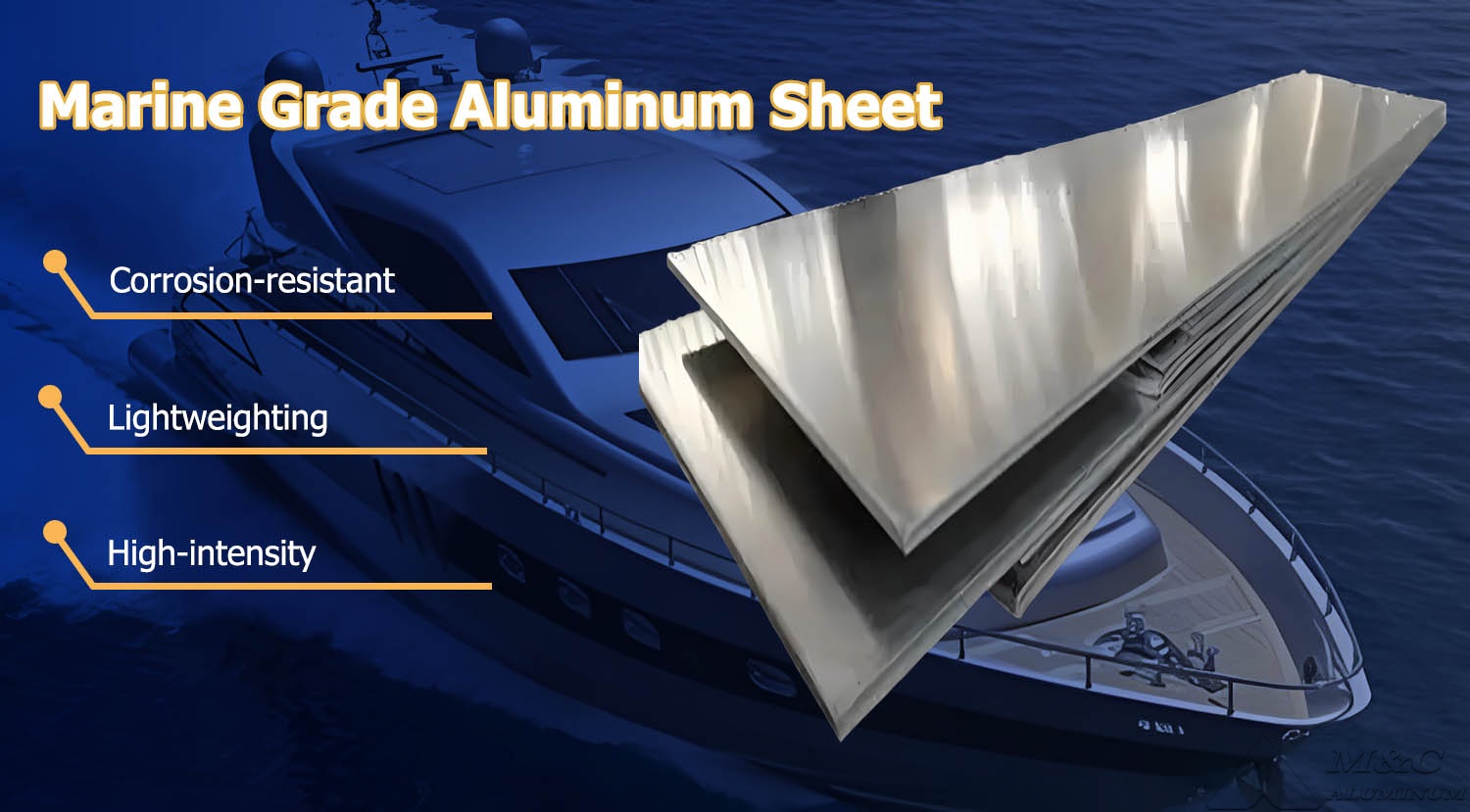
Corrosion Resistance for Marine Environments
The marine environment is demanding because aluminum structures may be exposed to chloride ions, moisture, temperature variation, and galvanic contact with other metals. 5083 H116 aluminum plate is selected because it has strong resistance to seawater corrosion, especially when proper welding procedures, insulation design, and surface maintenance are applied.
For classification society certified supply, corrosion performance may be verified by tests such as intergranular corrosion evaluation or exfoliation corrosion resistance testing, depending on the specified rule and plate thickness. The H116 temper is intended to reduce the risk of sensitization and intergranular attack in service.
In shipbuilding, correct material selection is only one part of corrosion protection. Designers should also consider drainage, coating systems, cathodic protection, and isolation from dissimilar metals. When stainless steel or carbon steel components are connected to aluminum structures, proper gaskets, sealants, or transition materials should be used.
Welding and Fabrication Performance
5083 H116 marine aluminum plate has excellent weldability with common marine welding processes, including MIG and TIG welding. Typical filler metals include 5183, 5356, or other fillers selected according to design strength, corrosion requirement, and welding procedure qualification.
After welding, the heat affected zone of non-heat-treatable aluminum alloys may show a reduction in strength compared with the base metal. Therefore, welding design should follow the relevant marine standard and approved welding procedure specification. We recommend that shipyards confirm the final filler metal, pre-cleaning method, interpass temperature, and inspection plan before production welding.
For formed parts, the bending radius should be selected according to plate thickness, direction of rolling, and fabrication method. Our factory can provide plates with controlled flatness and clean surfaces to support cutting, bending, machining, and welding operations.
Applications in Shipbuilding and Offshore Structures
5083 H116 marine-grade aluminum plate is used in both commercial and specialized marine structures. Common applications include:
Vessel hull plating
Deck panels and walkways
Bulkheads and internal partitions
Superstructures and cabins
Engine room and service platforms
Patrol boats and rescue boats
Passenger ferries and high-speed craft
Offshore accommodation modules
Marine equipment frames
Cryogenic and LNG-related aluminum structures, subject to design approval
In many projects, 5083 is used together with other marine aluminum grades. For example, 5086 may be selected for certain hull or structural components requiring good corrosion resistance and formability. We also manufacture 5086 Marine Aluminum for buyers who need alloy alternatives under the same marine quality control system.
Dimensional Tolerance and Surface Quality
Marine aluminum plate must meet the dimensional and visual requirements of shipyards and fabrication workshops. We inspect thickness, width, length, diagonal deviation, flatness, edge condition, and surface quality before shipment.
| Inspection Item | Control Focus |
|---|---|
| Thickness tolerance | According to standard or purchase specification |
| Width and length | Confirmed against order drawing or cutting list |
| Flatness | Controlled by leveling and final inspection |
| Surface quality | Free from cracks, corrosion, oil contamination, and harmful defects |
| Edge condition | Mill edge or cut edge as ordered |
| Marking | Alloy, temper, size, heat number, batch number, certificate reference |
| Packing | Seaworthy wooden pallet or customized export packing |
For CNC cutting or precision assembly, customers may specify stricter tolerance requirements. We review these requirements before production to ensure feasibility.
Traceability and Quality Assurance
Traceability is a key requirement for classification society certified marine aluminum plate. Each plate is linked to a heat number, production batch, test sample, and certificate. Identification is maintained during rolling, cutting, inspection, packing, and shipment.
Our quality assurance system covers incoming material inspection, process control, laboratory testing, final inspection, and document review. Before release, the certificate data must match the plate markings, packing list, and commercial documents. This process reduces the risk of material mismatch at the shipyard and supports project acceptance by owners, surveyors, and classification societies.
Packaging and Export Supply
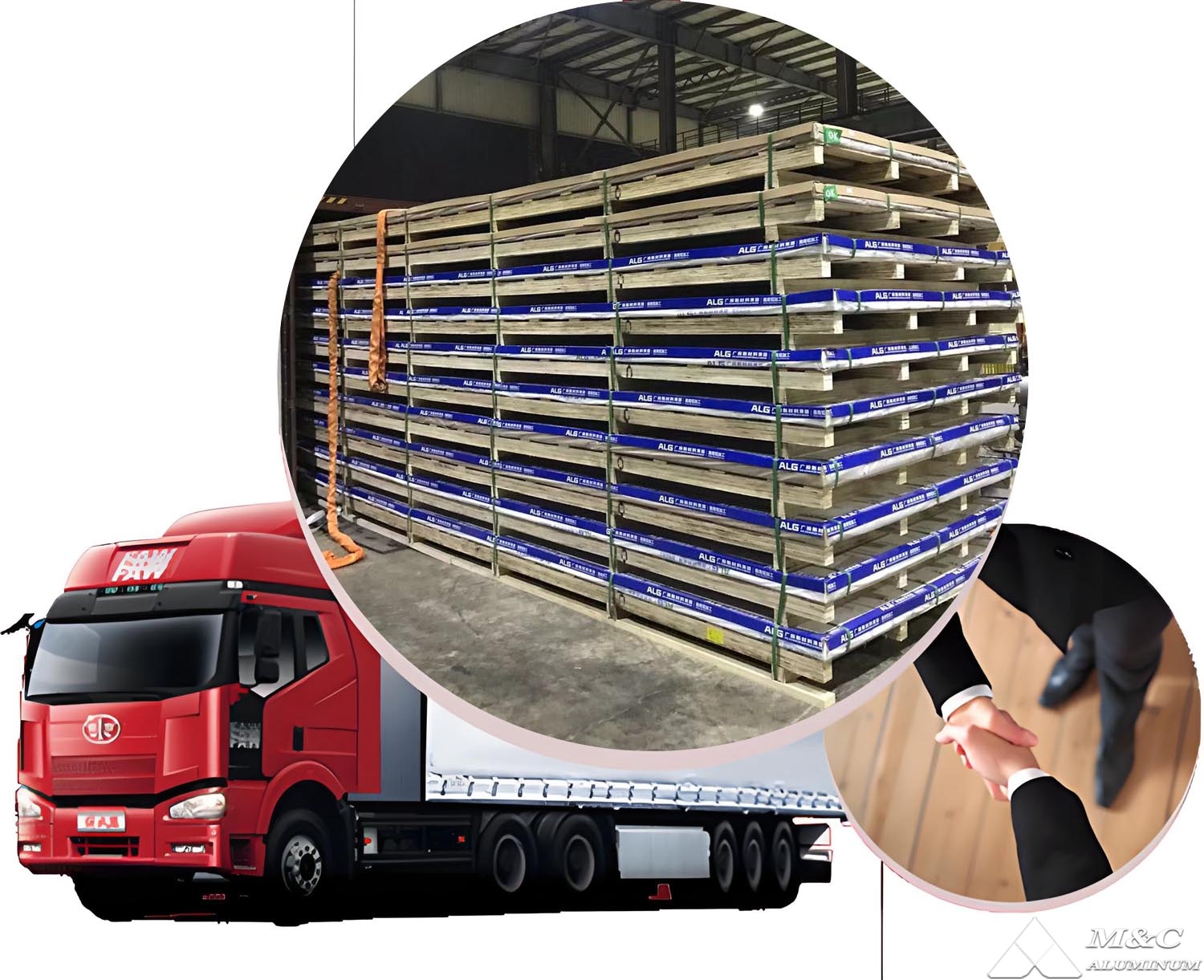
For international shipment, 5083 H116 marine-grade aluminum plates are packed with moisture protection, paper or film separation, edge protection, and strong wooden pallets or crates. The packing method is selected according to plate size, shipping route, container loading plan, and customer handling conditions.
We can supply full-size plates, cut-to-size plates, or mixed-size packing according to project requirements. Plate markings are kept visible or recorded separately for easy identification after arrival. For large shipbuilding projects, we can arrange batch delivery according to construction schedule.
How to Specify 5083 H116 Marine Aluminum Plate
To ensure accurate production and certification, buyers are advised to provide the following information when placing an inquiry:
Alloy and temper, such as 5083 H116
Required standard, such as ASTM B928 or EN standard
Classification society, such as ABS, DNV, LR, BV, or CCS
Thickness, width, length, and quantity
Application or vessel project name, if applicable
Required tests, such as tensile, corrosion, or ultrasonic testing
Surface, edge, and packing requirements
Certificate and marking requirements
Delivery schedule and port of destination
Clear specifications allow our technical and production teams to confirm the manufacturing route, testing plan, certification process, and delivery arrangement before production starts.
Conclusion
5083 H116 marine-grade aluminum plate certified by a classification society is a critical material for modern shipbuilding and offshore engineering. Its value comes from the combination of controlled alloy composition, marine temper stability, corrosion resistance, weldability, mechanical strength, and complete traceability.
As a factory manufacturer, we focus on producing certified 5083 H116 aluminum plate under documented process control rather than simply supplying stock material. For shipyards and marine fabricators, this provides a reliable basis for material approval, fabrication, inspection, and long-term service in demanding marine environments.
Original Source: https://www.marinealum.com/a/5083-h116-marine-grade-aluminum-plate-certified-by-a-classification-society.html
Tag: 5083 H116 marine-grade aluminum plate 5083 marine aluminum plate classification society certified aluminum plate marine aluminum plate manufacturer shipbuilding aluminum plate H116 aluminum plate ABS DNV LR BV certified aluminum