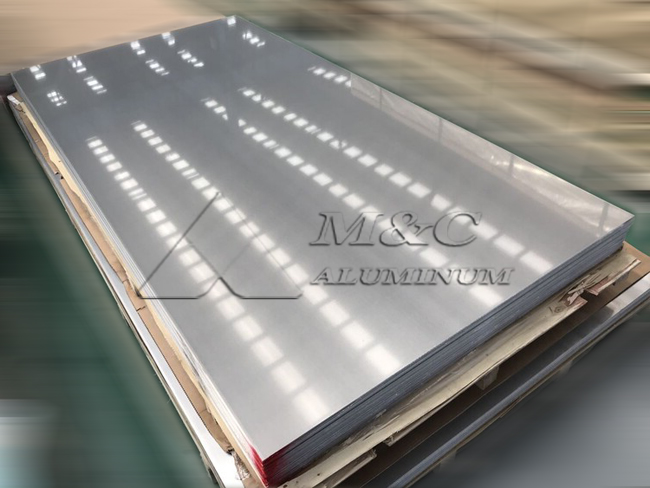
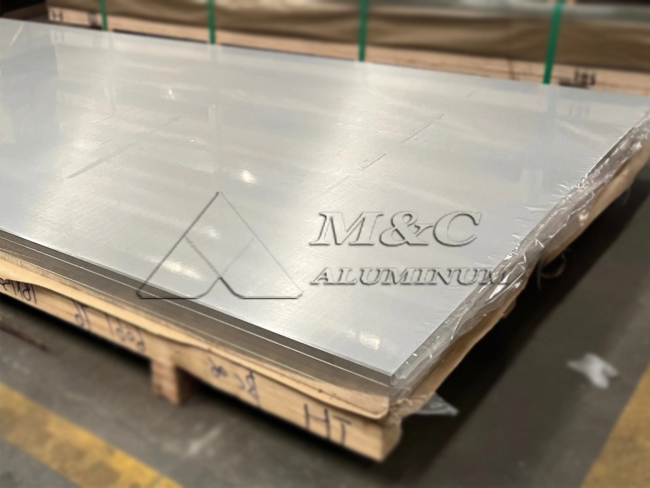
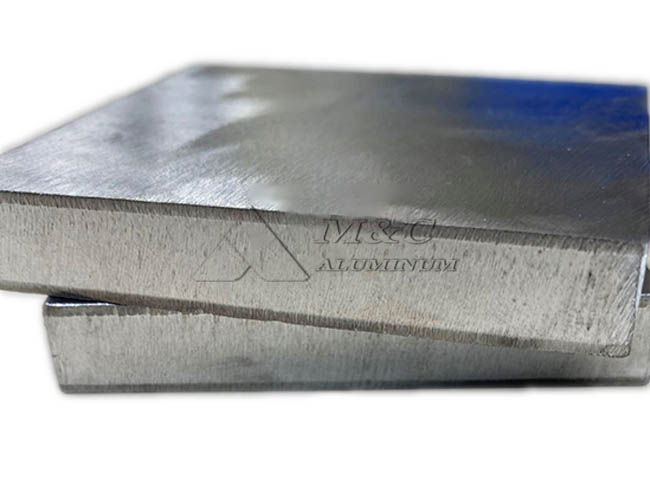
As a manufacturer of marine grade aluminum sheet and plate, we regularly receive technical inquiries from boatyards, hull fabricators, and marine engineering companies about the difference between 5052 and 5083 aluminum for boat building. Both alloys belong to the 5xxx aluminum-magnesium series, both offer good corrosion resistance in marine environments, and both can be supplied in sheet or plate form. However, they are not interchangeable in every structural position of a vessel.
The correct choice depends on the boat type, hull design, plate thickness, forming process, welding procedure, and classification requirements. This article explains the practical differences between 5052 aluminum and 5083 aluminum from a manufacturing and application perspective.
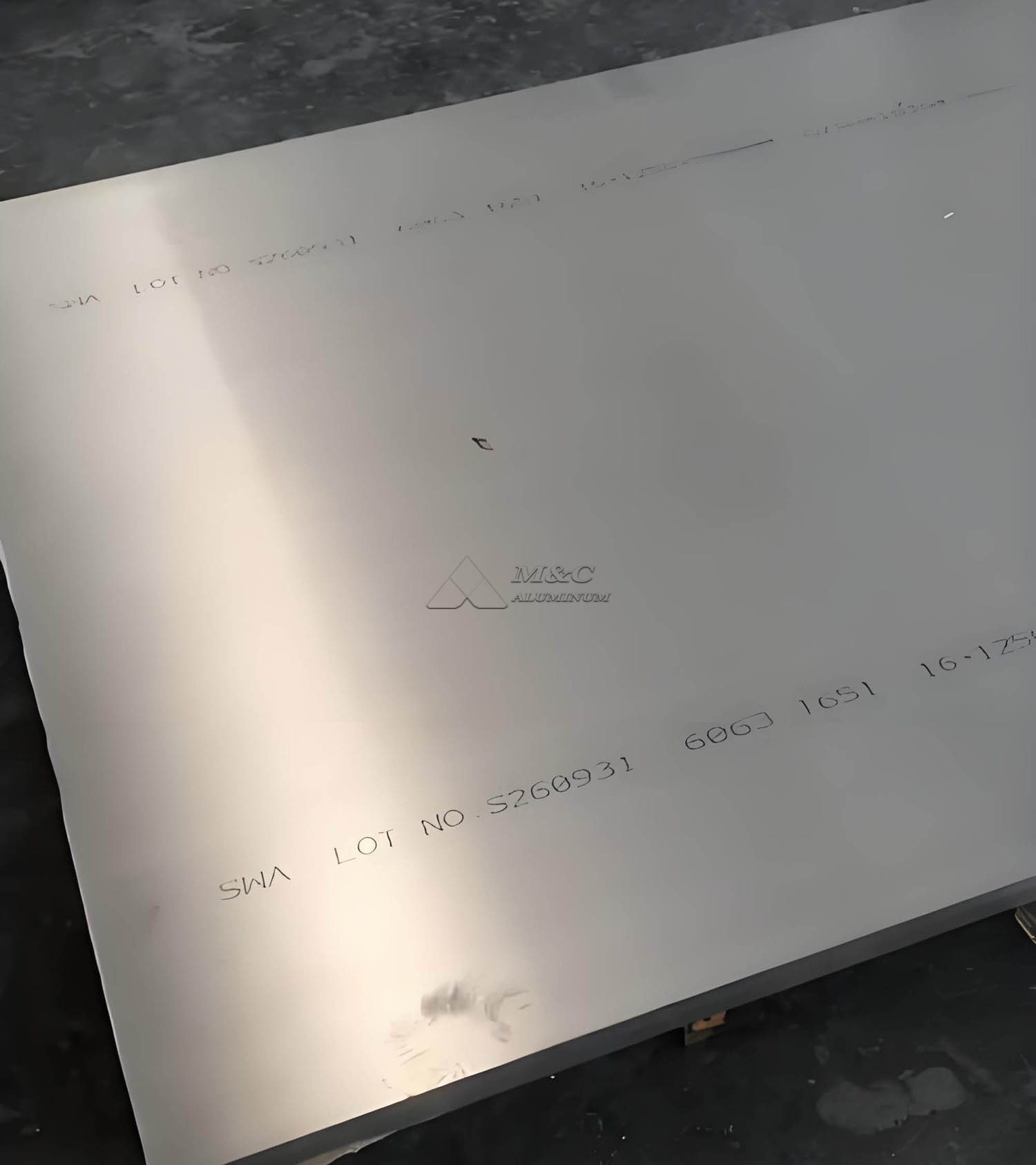
Overview of 5052 and 5083 Marine Aluminum
5052 aluminum is a medium-strength aluminum-magnesium alloy with excellent formability and reliable corrosion resistance. In boat building, it is commonly used for small craft components, interior panels, decks, covers, fuel tanks, cabin parts, and non-critical formed structures.
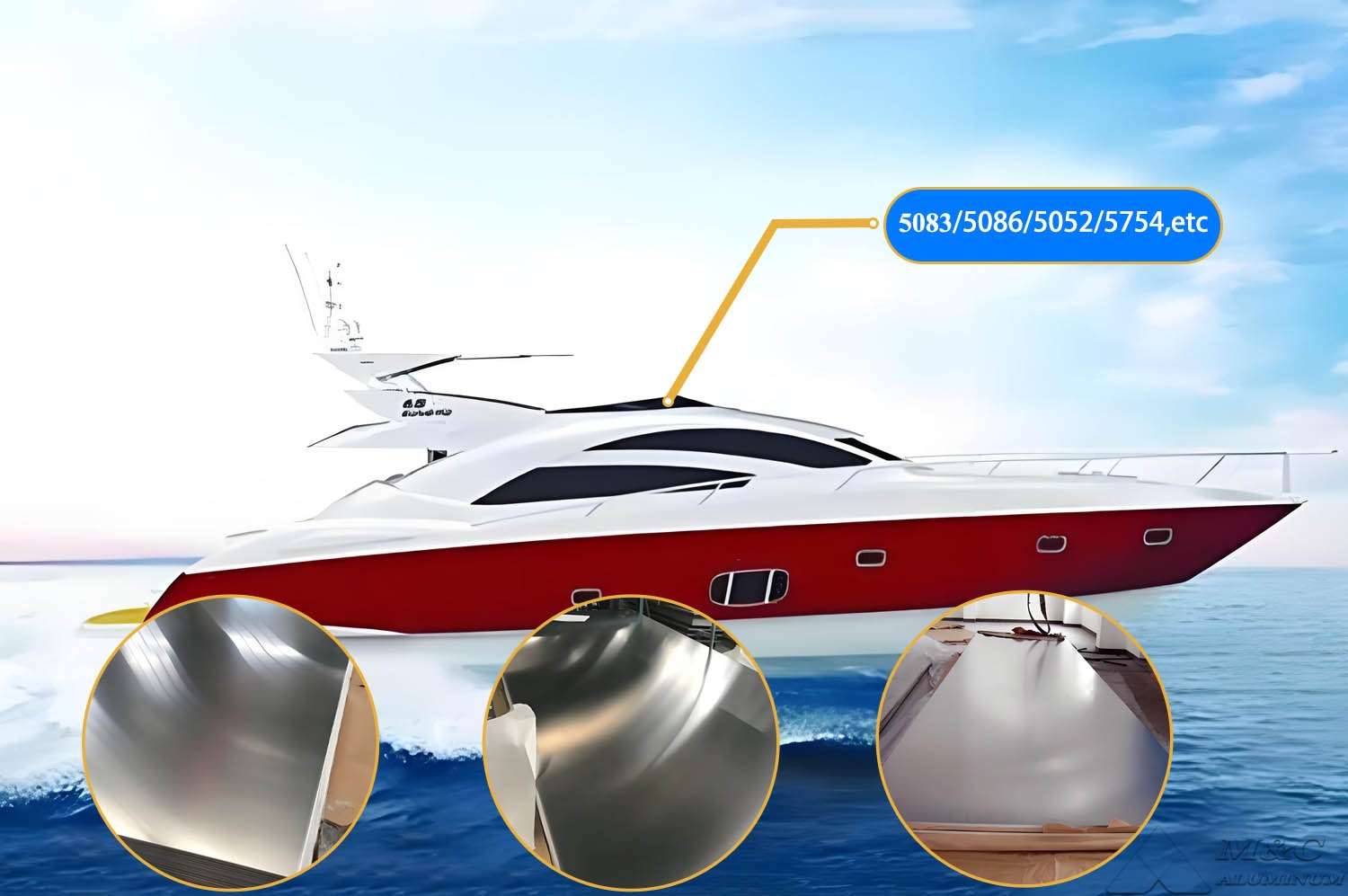
5083 aluminum is a higher-magnesium marine alloy developed for applications requiring superior strength, seawater resistance, and welded performance. It is widely used for hull plates, side shells, decks, bulkheads, superstructures, workboats, patrol boats, ferries, and other welded marine structures.
In our production planning, we usually recommend 5052 Marine aluminum for projects where forming performance and moderate strength are the main considerations. For hull structures and load-bearing marine plates, 5083 Marine aluminum is normally the preferred material.
Chemical Composition Comparison
The chemical composition is the foundation of the performance difference between 5052 and 5083 aluminum. 5083 contains a higher magnesium level than 5052, which improves strength and marine corrosion resistance but reduces formability to some extent.
| Alloy | Main Alloying Elements | Mg Content | Mn Content | Typical Standard |
|---|---|---|---|---|
| 5052 | Al-Mg-Cr | 2.2% to 2.8% | Max 0.10% | ASTM B209, EN 485 |
| 5083 | Al-Mg-Mn | 4.0% to 4.9% | 0.4% to 1.0% | ASTM B209, EN 485, marine standards |
The higher magnesium and manganese content in 5083 gives it higher tensile strength and better resistance to deformation under load. This is the main reason 5083 aluminum plate is frequently specified for welded hull structures.
Mechanical Properties
Mechanical properties vary according to thickness, temper, and applicable standard. The following table provides typical values for common marine tempers used in sheet and plate production.
| Alloy and Temper | Tensile Strength | Yield Strength | Elongation | Main Characteristics |
|---|---|---|---|---|
| 5052-H32 | 210 to 260 MPa | 130 to 180 MPa | 7% to 12% | Good strength, excellent bending performance |
| 5052-H34 | 230 to 280 MPa | 160 to 210 MPa | 6% to 10% | Higher hardness, suitable for panels and covers |
| 5083-H111 | 270 to 350 MPa | 125 to 200 MPa | 12% to 16% | Good welded structure performance |
| 5083-H116 | 305 to 385 MPa | 215 MPa min | 10% to 15% | Marine plate temper with high corrosion resistance |
| 5083-H321 | 305 to 385 MPa | 215 MPa min | 10% to 15% | Stable performance for marine plate applications |
For boat building, 5083 provides a clear advantage in strength, especially in thicker plates and welded structures. 5052 is suitable where forming and moderate loading are more important than maximum structural strength.
Corrosion Resistance in Marine Environments
Both 5052 and 5083 have good resistance to general atmospheric corrosion and seawater exposure. The difference becomes more important when the vessel operates in saltwater for long periods or when welded structures are exposed to cyclic loading and wet-dry conditions.
5083-H116 and 5083-H321 are commonly supplied for marine service because these tempers are designed to reduce the risk of exfoliation corrosion and stress corrosion in seawater environments. For hull plates below the waterline, offshore service boats, fishing vessels, and high-duty workboats, 5083 offers more reliable long-term performance.
5052 performs well in many marine components, especially freshwater boats, deck fittings, cabin panels, tanks, and formed parts. However, for primary hull shell plates in demanding saltwater applications, 5052 is usually not the first selection when 5083 is available and specified by the design.
Formability and Fabrication
5052 aluminum has better formability than 5083. It can be bent, rolled, stamped, and shaped with less risk of cracking, particularly in thinner gauges. For boat builders producing curved panels, small components, covers, lockers, and interior structures, 5052 can reduce forming difficulty and tooling stress.
5083 is stronger and less formable, especially in higher-strength tempers and thicker plates. It can still be fabricated successfully, but bending radius, forming direction, and tooling condition must be controlled. When tight bends are required, the design should confirm the minimum bend radius based on thickness and temper.
From our production and processing experience, 5052 is often selected for complex formed parts, while 5083 is selected for flat or moderately curved structural plates. When a boat design includes both material types, using each alloy in its suitable position can improve manufacturing efficiency and structural reliability.
Weldability and Post-Weld Strength
Weldability is one of the most important factors in aluminum boat building. Both 5052 and 5083 can be welded by MIG or TIG processes. Suitable filler wires include 5356, 5183, and other compatible marine welding consumables, depending on strength requirements and corrosion exposure.
5083 generally provides higher welded joint strength than 5052. This is one of the main reasons it is widely used for hulls, bulkheads, deck structures, and other welded load-bearing parts. In welded aluminum structures, the heat affected zone often controls the final structural performance, and 5083 maintains better strength after welding than lower-strength marine alloys.
5052 welds easily and has good corrosion resistance after welding, but its lower base metal strength limits its use in heavy-duty structural positions. For small boats or non-critical welded parts, it remains a practical and cost-effective option.
| Welding Factor | 5052 Aluminum | 5083 Aluminum |
|---|---|---|
| Weldability | Very good | Very good |
| Typical filler wire | 5356 | 5356 or 5183 |
| Welded joint strength | Moderate | Higher |
| Suitability for hull structure | Limited to light-duty designs | Strongly suitable |
| Heat affected zone concern | Moderate | Must follow qualified procedure |
Typical Thickness and Product Forms
As a factory, we supply both alloys in sheet and plate form according to project drawings, cutting plans, and technical standards. Thickness selection should be determined by naval architecture calculations rather than by alloy name alone.
| Application Area | Common Alloy | Typical Thickness Range | Notes |
|---|---|---|---|
| Small boat panels | 5052, 5083 | 1.5 to 4 mm | 5052 for formed panels, 5083 for stronger sections |
| Hull bottom plate | 5083 | 4 to 12 mm | H116 or H321 commonly used |
| Side shell plate | 5083 | 3 to 10 mm | Good welded strength and corrosion resistance |
| Deck plate | 5052, 5083 | 2 to 8 mm | Selection depends on load and structure |
| Cabin and interior panels | 5052 | 1 to 5 mm | Good bending and surface performance |
| Fuel and water tanks | 5052, 5083 | 2 to 6 mm | Confirm compatibility with design requirements |
For marine aluminum plate, we can provide mill finish surfaces, cut-to-size plates, protective film upon request, and packaging suitable for export shipment. Flatness, thickness tolerance, and surface quality are controlled during rolling, finishing, inspection, and packing.
Comparison by Boat Type
For small recreational boats, 5052 aluminum may be sufficient for many panels and non-critical structures, especially when the design emphasizes bending, appearance, and moderate strength. It is also useful in consoles, decks, storage boxes, hatches, and light fabricated parts.
For commercial fishing boats, landing craft, patrol boats, pilot boats, and welded workboats, 5083 aluminum is generally the better choice for the hull and main structure. These vessels operate under higher stress, impact, vibration, and long-term seawater exposure. The higher strength and marine-grade corrosion resistance of 5083 provide a more appropriate safety margin.
For high-speed craft and larger vessels, the material selection should follow class rules, welding qualification requirements, and structural calculations. In such projects, 5083-H116 or 5083-H321 is commonly specified for major plate structures, while 5052 may still be used for secondary components.
Cost Considerations
5052 aluminum is usually less expensive than 5083 because of its lower alloying content and lower strength level. For components that do not require the mechanical performance of 5083, selecting 5052 can help control material cost without compromising practical function.
However, material price should not be the only consideration in boat building. If 5052 is used in a position where 5083 is required, the design may need thicker plate to compensate for lower strength, and this can increase weight and reduce performance. In some cases, using the correct 5083 marine aluminum plate from the beginning is more economical over the service life of the boat.
Quality Control from Manufacturing
For marine aluminum products, consistent quality is essential. In our factory, production control begins with alloy composition verification and continues through casting, hot rolling, cold rolling or plate finishing, heat treatment where applicable, leveling, cutting, inspection, and packaging.
Key inspection items include chemical composition, mechanical properties, thickness tolerance, surface condition, flatness, and marking. For marine projects, we can supply material test certificates according to the ordered standard. When classification approval is required, the order should clearly state the applicable society and inspection conditions before production.
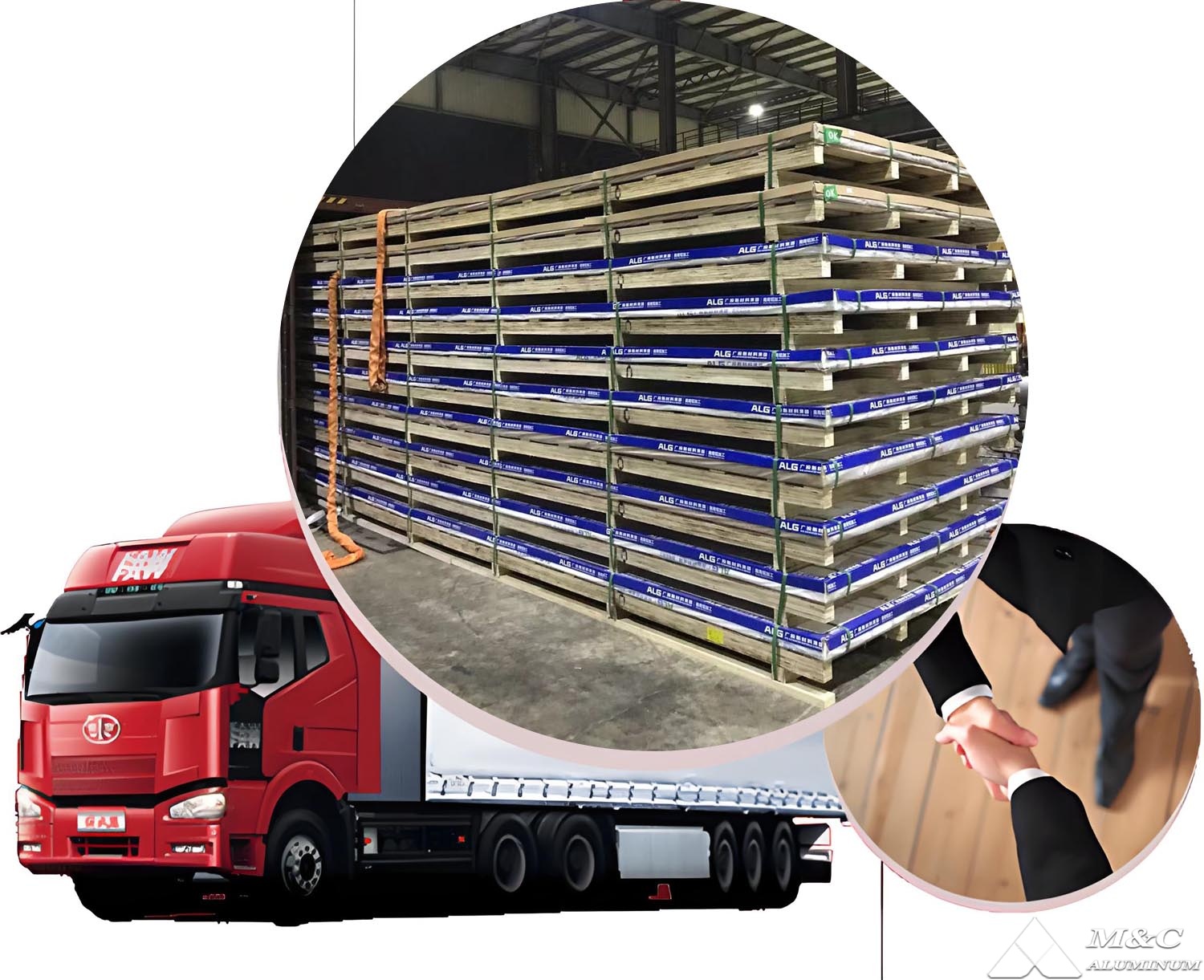
Proper packaging is also important for export projects. Marine aluminum sheets and plates should be protected against moisture, abrasion, and handling damage during transport. Wooden pallets, waterproof wrapping, edge protection, and clear identification are used according to shipment requirements.
How to Choose Between 5052 and 5083 Aluminum
The choice between 5052 and 5083 should be based on the actual function of the part. A practical selection method is as follows:
| Selection Question | Recommended Direction |
|---|---|
| Is the part a primary hull structure? | Choose 5083, usually H116 or H321 |
| Is high welded strength required? | Choose 5083 |
| Is the part a formed cover, panel, or cabin component? | Choose 5052 when strength demand is moderate |
| Is the boat used in severe saltwater service? | Prefer 5083 for exposed structural plates |
| Is tight bending required? | 5052 is usually easier to process |
| Is cost control important for non-structural parts? | 5052 can be suitable |
In many boat projects, the best solution is not choosing only one alloy. A reasonable material plan may use 5083 for the hull, deck beams, bulkheads, and structural plates, while using 5052 for formed covers, interior panels, and auxiliary fabricated parts.
Conclusion
5052 and 5083 are both valuable marine aluminum alloys, but their roles in boat building are different. 5052 aluminum offers excellent formability, good corrosion resistance, and practical performance for light-duty marine parts. 5083 aluminum provides higher strength, better welded structural performance, and stronger suitability for seawater hull applications.
From a manufacturing perspective, 5052 is appropriate for formed and secondary components, while 5083 is the preferred choice for hull plates and main welded marine structures. Before placing an order, boat builders should confirm the alloy, temper, thickness, standard, welding requirements, and inspection documents with the aluminum plate manufacturer. This ensures that the selected marine grade aluminum sheet or plate matches both engineering requirements and production conditions.
Original Source: https://www.marinealum.com/a/5052-vs-5083-aluminum-for-boat-building.html
Tag: 5052 marine aluminum sheet 5083 marine aluminum plate marine grade aluminum sheet aluminum boat building material 5052 vs 5083 aluminum marine aluminum alloy 5083 H116 marine aluminum sheet 5083-H321 marine aluminum sheet