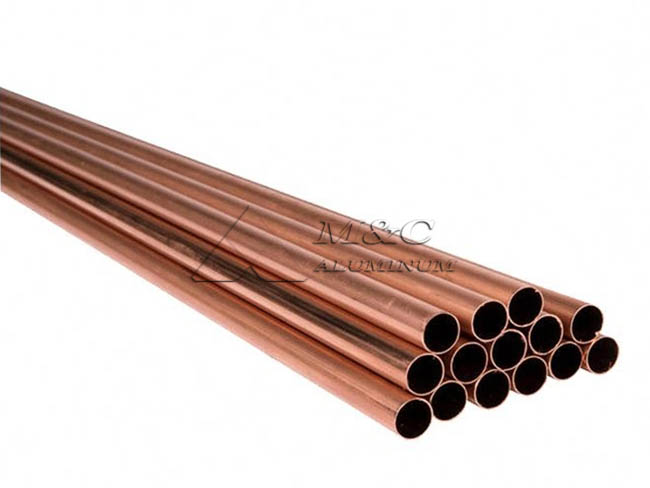
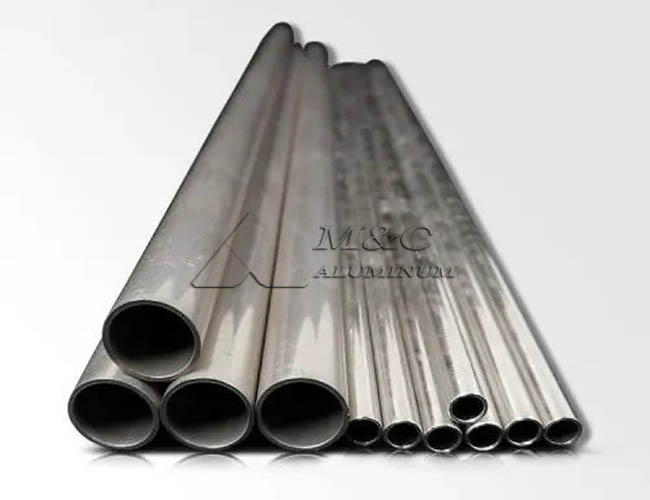
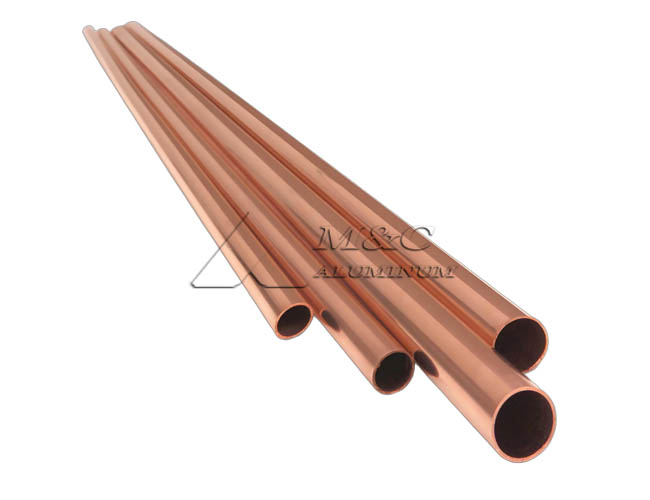
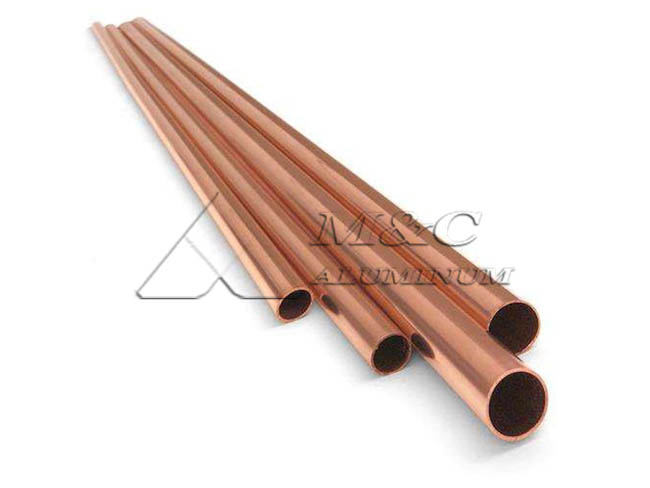
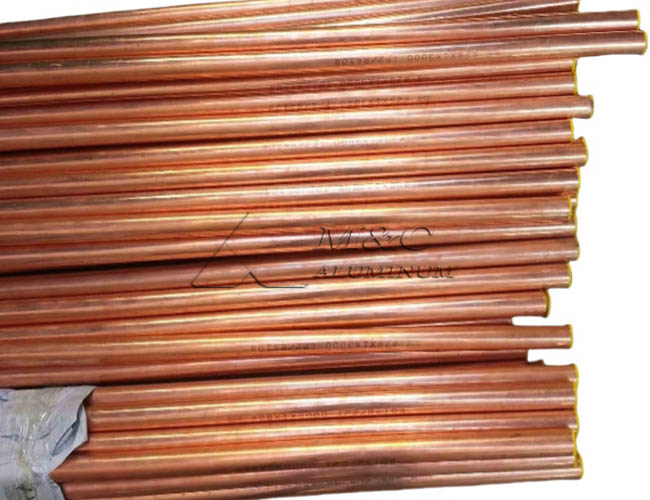
In marine seawater systems, offshore platforms, desalination plants, and nearshore industrial piping systems, tubing must withstand not only internal pressure but also prolonged exposure to seawater corrosion, flow-induced erosion, temperature fluctuations, vibration, mechanical shock, and complex service media.
Among the many seawater-resistant materials available, C70600 copper-nickel seamless pipe is widely used in marine seawater cooling, fire-fighting, ballast, bilge, condenser, and heat-exchange systems because of its excellent corrosion resistance, resistance to marine biofouling, and good fabrication and weldability.
However, in material selection and engineering design, chemical composition is only one consideration. Pressure rating is often the key parameter determining the safety, reliability, and service life of the piping system.
Basic Properties of C70600 Copper-Nickel Seamless Pipe
UNS C70600, commonly known as 90/10 copper-nickel or CuNi 90/10, contains approximately 90% copper and 10% nickel, with iron and manganese added to improve resistance to seawater flow corrosion and marine biofouling.
Its Chinese equivalent grade is commonly referred to as BFe10-1.6-1. C70600 is one of the most widely used copper-nickel alloys for marine seawater piping systems. It is commonly produced in accordance with standards such as ASTM B111 and ASTM B466/B466M, and may be supplied with approvals from major classification societies, including CCS, DNV, ABS, and LR.
Typical mechanical properties of annealed C70600 include:
Tensile strength: ≥290 MPa
Yield strength: ≥110 MPa
Elongation: ≥30%
Its excellent ductility allows the tube to be bent and welded on site. It can also withstand the continuous vibration and cyclic thermal loads encountered during vessel operation.
Suitable media: seawater, brackish water, and circulating cooling water. For seawater service, the recommended flow velocity is generally no more than 3.0–3.5 m/s. Excessive velocity can damage the protective passive film on the tube surface, causing erosion-corrosion and wall thinning, which can reduce long-term pressure-bearing capability.
Operating temperature range: approximately -196°C to 300°C. As service temperature increases, the allowable stress of the material decreases. Therefore, the allowable operating pressure for the same tube dimensions must be derated for high-temperature service.
C70600 resists chloride-containing seawater by forming a dense and protective oxide film after exposure. At the same time, the release of copper ions helps inhibit marine organism attachment. Compared with carbon steel and common stainless steels, C70600 offers significantly better service life in seawater environments.
For projects with higher flow velocities or more aggressive corrosion conditions, C71500 (70/30 copper-nickel alloy) is often selected as an upgraded alternative.
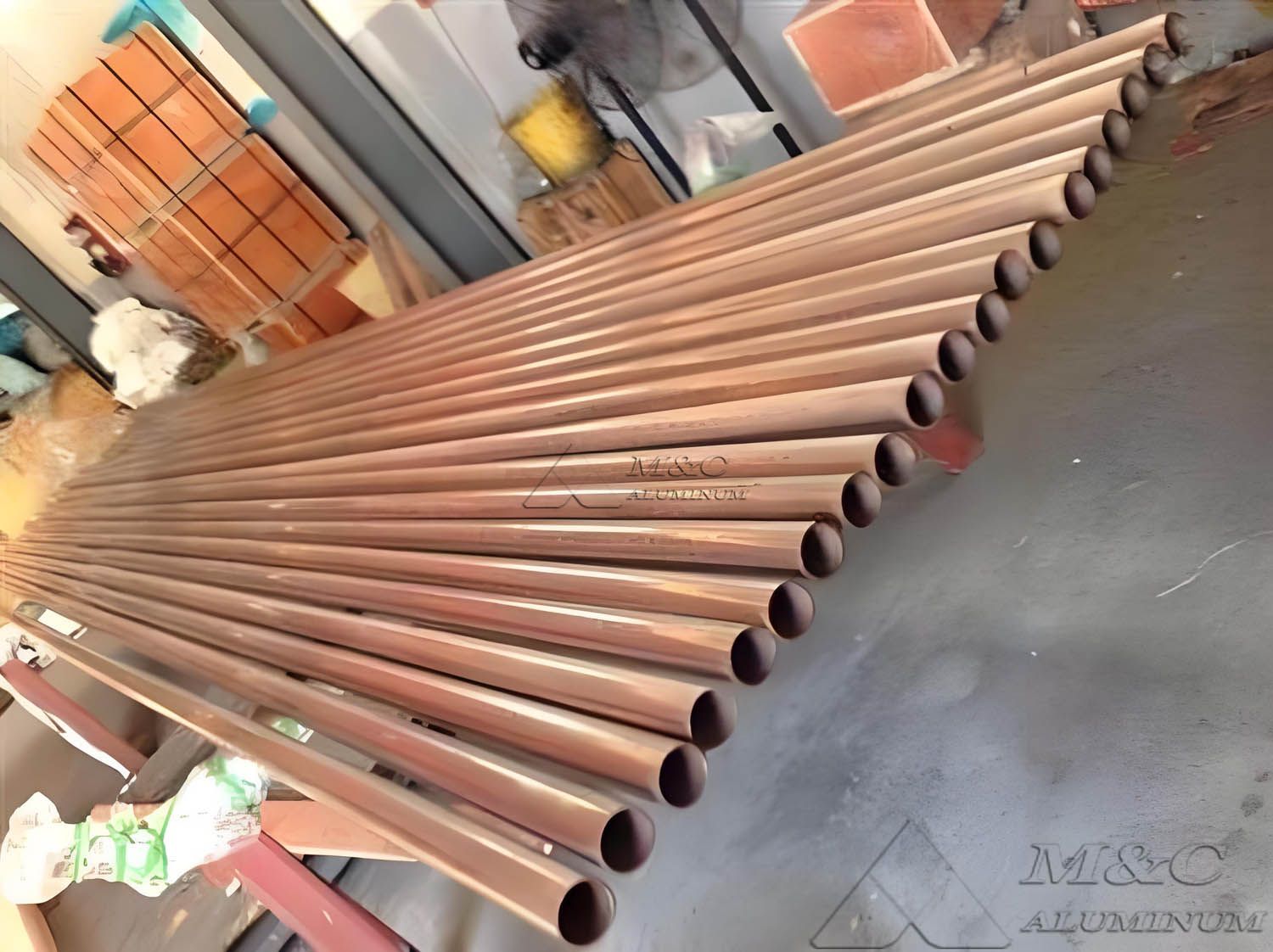
Main Pressure Rating Categories for C70600 Copper-Nickel Seamless Pipe
The pressure rating of marine copper-nickel seamless pipe is not a single fixed value. It is determined by factors such as nominal wall thickness, pipe size, design code, operating temperature, joint efficiency, corrosion allowance, and safety factor.
The following pressure-rating systems are commonly used by international classification societies and standards, including ABS, DNV, CCS, LR, and related marine engineering specifications.
1. 10 Bar and 16 Bar Systems
DIN 86019 / BS 2871 / EN 1057
European and international shipbuilding projects commonly use 10 bar and 16 bar as standard design pressure classes.
10 Bar Class
This class is commonly used for:
Low-pressure seawater cooling circulation systems
Bilge water systems
Ballast water systems
General drainage piping
16 Bar Class
This class is generally suitable for:
Medium-pressure seawater systems
Marine fire-fighting water piping
Applications with higher static pressure, including deeper installations
2. U.S. Standard Pipe Schedules and Pressure Classes
ASME B36.10M / ASTM B466
Under U.S. standards, C70600 copper-nickel tube is often specified by pipe schedule, such as Schedule 40 or Schedule 80, or by military pressure classes such as Class 200 and Class 700 under MIL-T-16420K.
(1) ASME B36.10M Pipe Schedules
Schedule 40 (STD):
At approximately 38°C, the indicative allowable pressure may be around 30 bar. At 100°C, it may decrease to approximately 26 bar; at 150°C, approximately 23 bar; and at 200°C, approximately 21 bar.
As operating temperature increases, allowable pressure continues to decrease. High-temperature cooling loops must therefore be evaluated using the applicable code-based temperature derating method.
Schedule 80:
Schedule 80 pipe has a thicker wall and provides higher pressure capacity. It is commonly used in high-pressure seawater circuits and marine fire main systems. However, increased wall thickness also results in higher material cost and greater piping weight.
(2) MIL-T-16420K Pressure Classes
Class 200: approximately 14 bar / 200 psi
This is generally a lighter-wall tube class suitable for medium- and low-pressure seawater service.
Class 700: approximately 48 bar / 700 psi
This heavy-wall class is designed for high-pressure, high-vibration, or particularly safety-critical seawater piping systems in marine compartments.
Actual allowable working pressure must be confirmed according to the applicable pipe dimensions, wall thickness, operating temperature, installation conditions, project specifications, and classification society rules.
Key Factors Affecting the Pressure Capacity of C70600 Seamless Tube
In real engineering applications, the allowable pressure of a piping system is not simply equal to its nominal pressure class. It is influenced by several factors.
1. Ratio of Outside Diameter to Wall Thickness: D/t Ratio
According to Barlow’s Formula, the internal pressure capacity of a tube is proportional to the allowable material stress and wall thickness, and inversely proportional to the outside diameter.
[
\sigma = \frac{P \times D}{2 \times t}
]
Where:
σ = hoop stress
P = internal pressure
D = outside diameter
t = wall thickness
A smaller outside diameter or greater wall thickness generally results in higher pressure-bearing capability.
2. Operating Temperature and Pressure Derating
C70600 retains good strength from room temperature to approximately 150°C. However, as temperature rises, its allowable stress gradually decreases.
For heat-exchange systems or high-temperature cooling media, the design pressure must be reduced in accordance with the relevant engineering code or classification society requirements.
3. Seawater Flow Velocity
To minimize erosion-corrosion, the continuous operating flow velocity for C70600 seawater piping is generally recommended to remain within approximately 2.5–3.5 m/s.
Excessive flow velocity can damage the protective oxide film on the surface of the tube, accelerate wall thinning, and indirectly compromise the long-term pressure safety of the piping system.
4. Wall Thinning During Bending and Fabrication
During cold bending or hot bending, the outer radius of a tube may experience wall thinning. When selecting tube wall thickness, it is generally advisable to reserve a wall-thickness allowance of approximately 10%–12.5% to account for bending and fabrication effects.
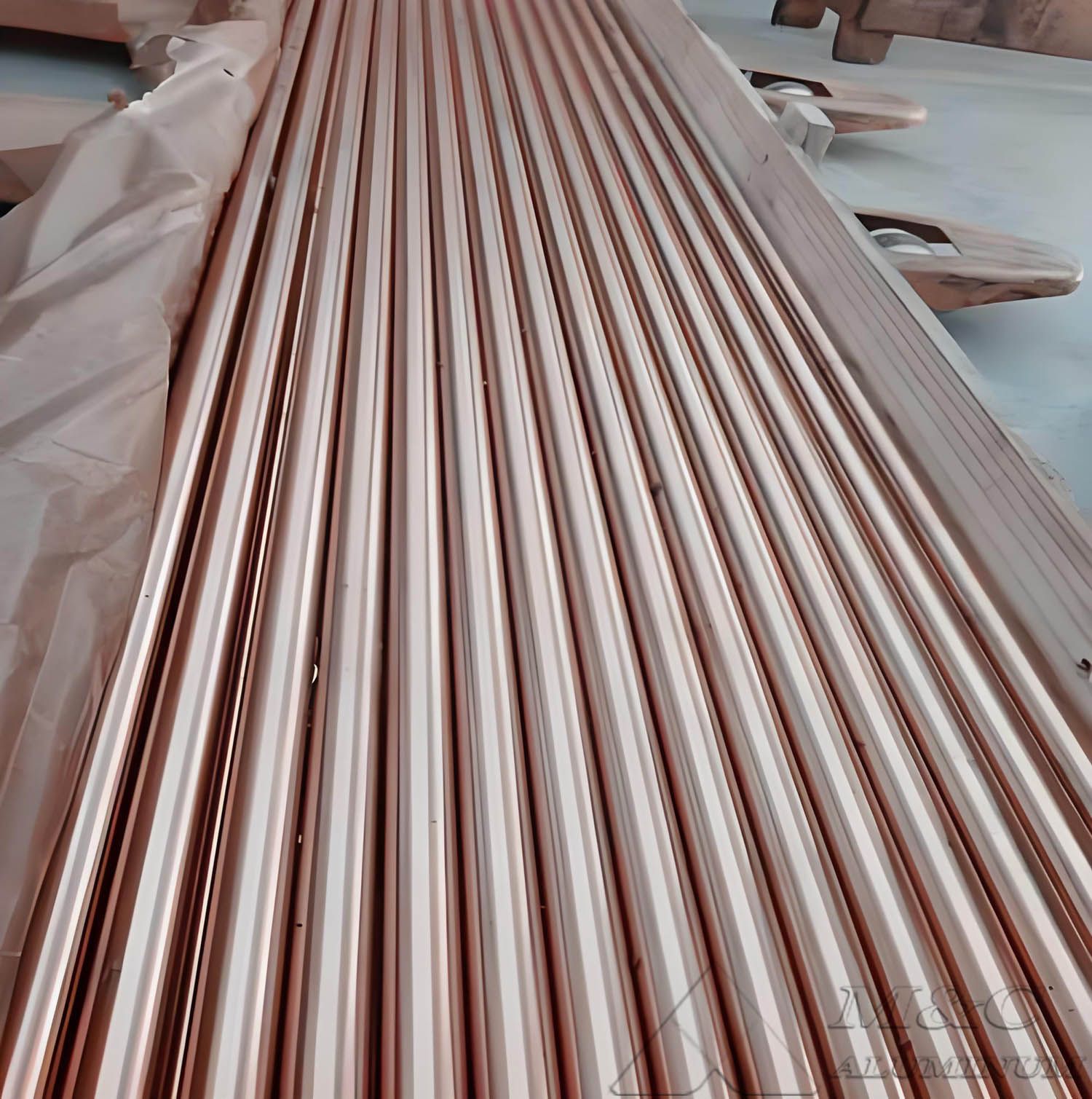
Advantages of Marine-Grade C70600 Copper-Nickel Seamless Tube
1. Excellent Seawater Corrosion Resistance
C70600 forms a protective surface film in seawater, reducing the risk of uniform corrosion and localized corrosion.
2. Good Resistance to Erosion-Corrosion
When seawater flow velocity is properly controlled, C70600 can withstand continuous seawater flow and erosion for long periods.
3. Resistance to Marine Biofouling
Copper-nickel alloys have a natural ability to limit marine organism attachment, helping maintain pipe flow capacity and reduce maintenance requirements.
4. High Thermal Conductivity
C70600 is suitable for condensers, heat exchangers, seawater coolers, and other heat-transfer equipment.
5. Good Mechanical Properties
The material can withstand pressure, vibration, temperature fluctuations, and other demanding marine service conditions. It also has good low-temperature toughness.
6. Excellent Fabrication and Weldability
It can be cut, bent, joined, welded, and installed efficiently, helping improve field fabrication and construction efficiency.
7. Good Resistance to Stress Corrosion
C70600 is suitable for piping systems exposed to seawater, internal pressure, and cyclic temperature variations over long periods.
8. Reliable Seamless Construction
Because seamless tube has no longitudinal welded seam, it reduces weld-related quality risks and is particularly suitable for high-integrity pressure piping and heat-exchange equipment. When produced in accordance with ASTM B466/B466M, the material can be controlled through mechanical testing, dimensional inspection, and non-destructive examination.
Typical Applications
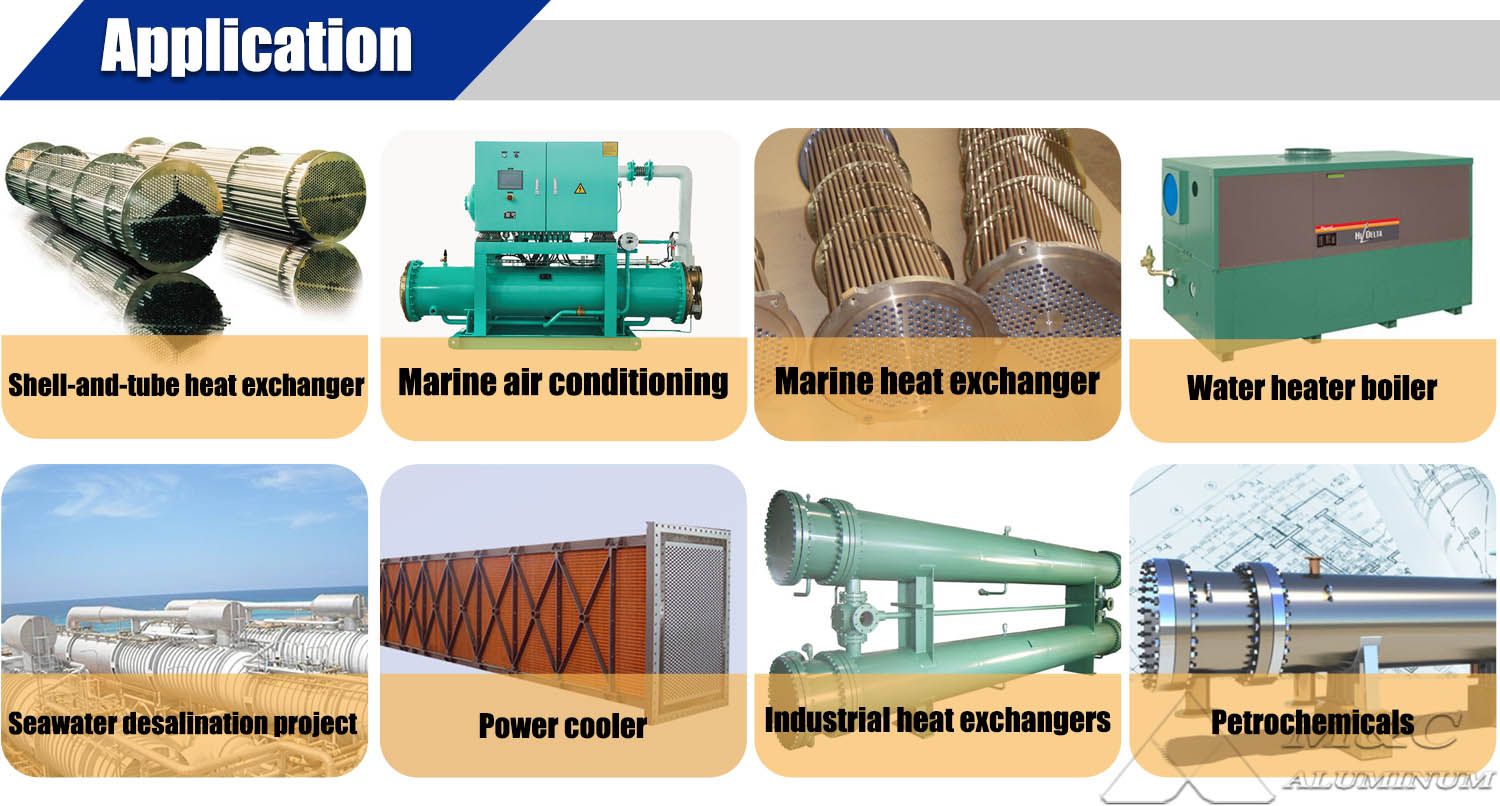
C70600 copper-nickel seamless tube is commonly used in the following applications, particularly where corrosion resistance and pressure reliability are required:
Marine cooling systems: including main engine cooling systems, auxiliary engine cooling systems, and HVAC cooling systems
Seawater intake, sampling, and treatment systems: including seawater pumps, filters, and piping
Oil and gas platforms: for seawater transport, water injection, and cooling-water systems
Oceanographic and marine research equipment: for hydrographic surveys and marine data collection
Offshore wind farms: for cooling systems and water-treatment systems
Shipboard fire-fighting systems: especially seawater fire mains and associated branches
Ballast, bilge, and desalination systems: where long-term seawater corrosion resistance is essential
Factors to Consider When Selecting the Correct Pressure Rating
When selecting the appropriate pressure rating for C70600 copper-nickel seamless tube, the following key factors should be evaluated:
Working Pressure
Determine the maximum expected operating pressure, including pressure fluctuations, pump pressure, surge pressure, and possible water hammer conditions.
Temperature Range
Identify the expected operating temperature range and account for the effect of temperature on the mechanical properties and allowable stress of C70600.
Corrosion Environment
Evaluate seawater salinity, oxygen content, water temperature, flow velocity, suspended solids, pollution level, and potential galvanic corrosion risks. Select a suitable alloy grade accordingly.
Pipe Dimensions
Determine the required outside diameter and wall thickness to ensure that the tube can withstand the design pressure under actual service conditions.
Standards and Codes
Follow applicable industry standards, shipbuilding specifications, project requirements, and classification society rules to ensure safety and compliance.
Safety Factor
Apply an appropriate safety factor and account for corrosion allowance, fabrication thinning, vibration loads, cyclic pressure, and long-term service degradation.