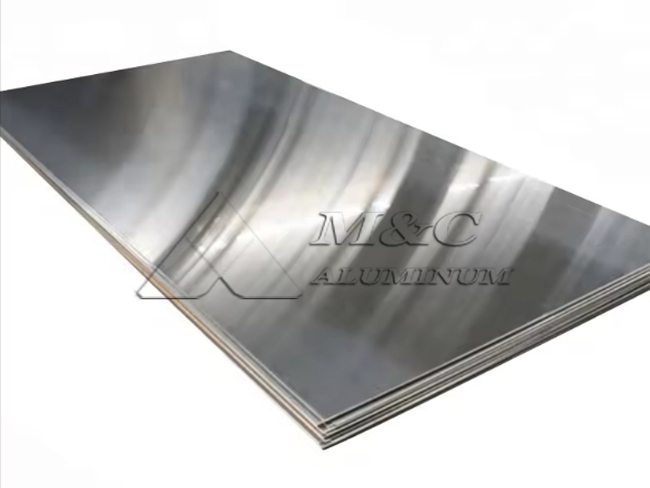
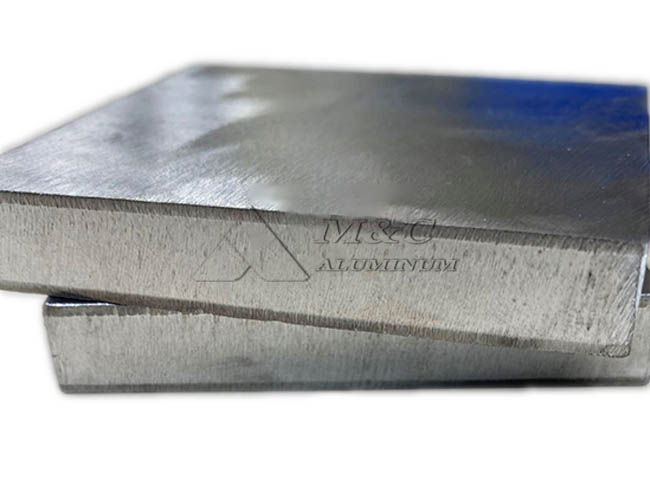
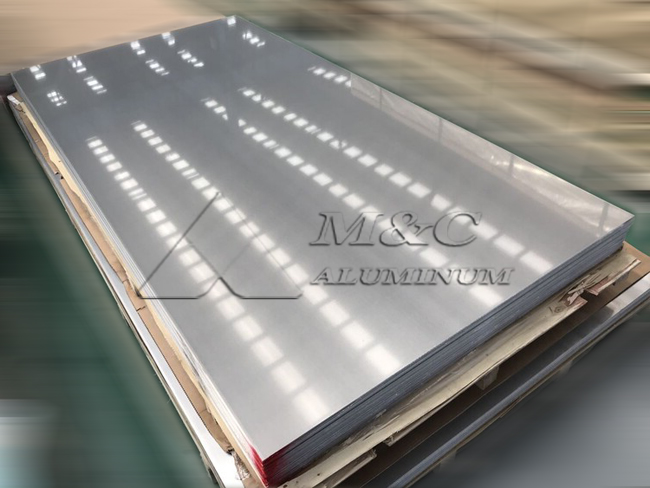
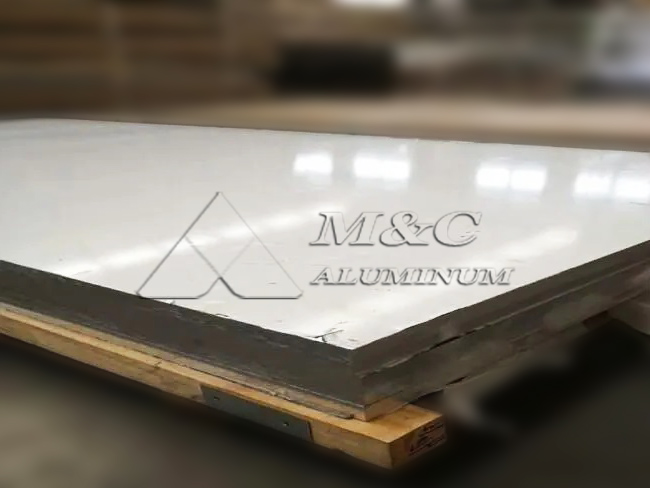
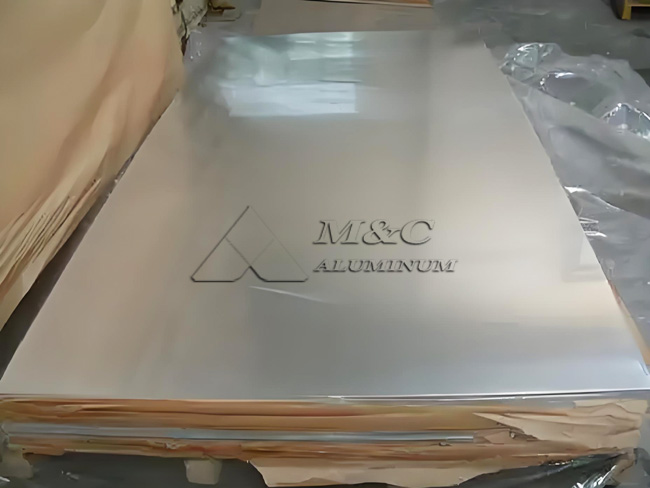
As a manufacturer of marine aluminum sheet and plate, we supply 5083 marine grade aluminum sheet for shipyards, boat builders, offshore equipment fabricators, and engineering contractors. This alloy is widely selected for hull structures, decks, superstructures, tanks, and welded marine components because it combines high strength, excellent seawater corrosion resistance, and reliable weldability.
5083 aluminum belongs to the Al-Mg alloy family. It is a non-heat-treatable alloy strengthened mainly by magnesium and controlled cold working. For marine service, the most common tempers are O, H111, H112, H116, and H321. Among them, 5083-H116 and 5083-H321 are frequently specified for hull plates and other structures exposed to seawater, especially when resistance to exfoliation corrosion and intergranular corrosion is required.
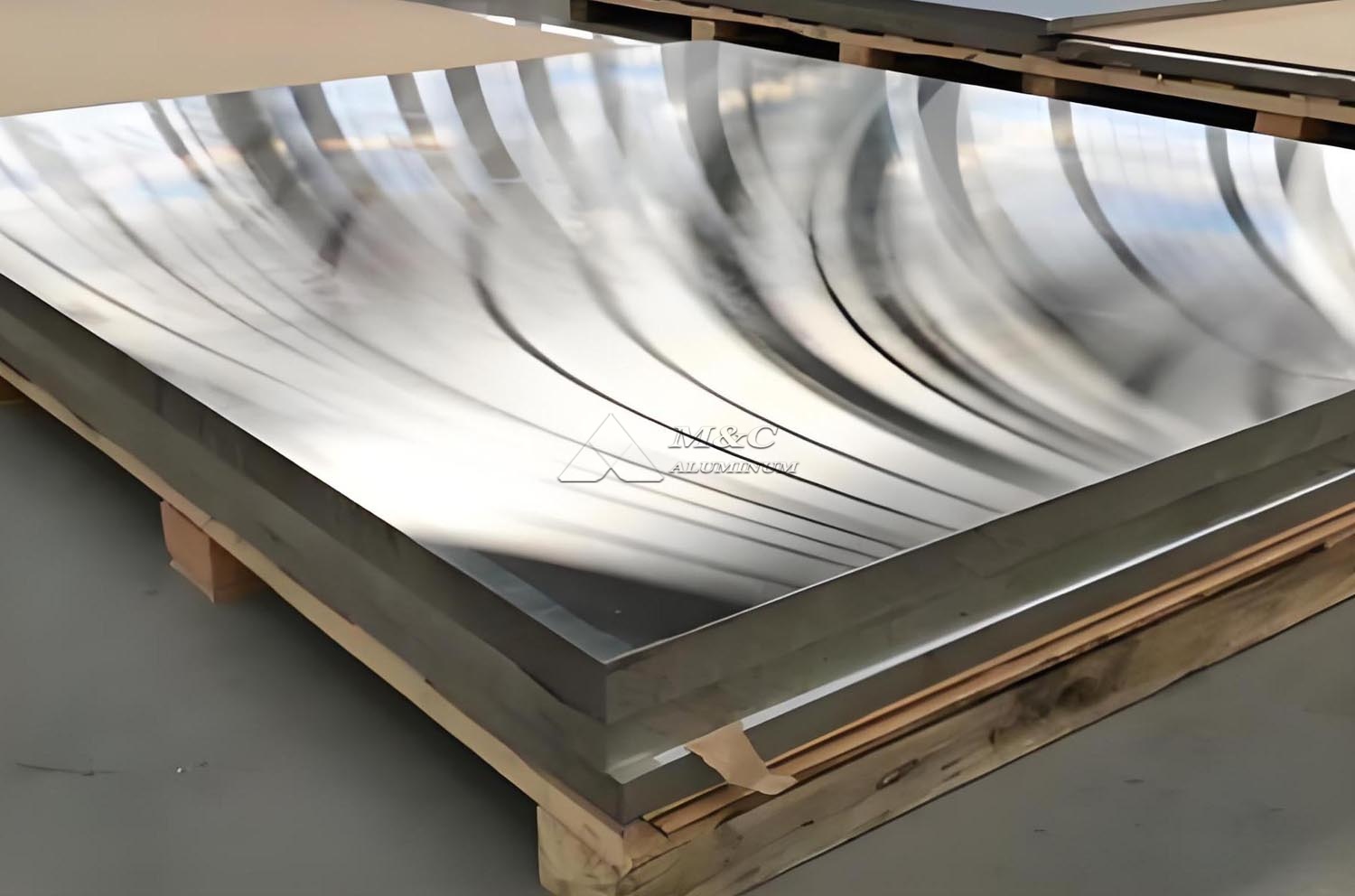
Overview of 5083 Marine Grade Aluminum Sheet
5083 marine aluminum sheet is designed for demanding environments where structural integrity and corrosion resistance are both important. Compared with general commercial aluminum sheets, marine grade aluminum requires stricter control of composition, temper, flatness, surface quality, mechanical properties, and corrosion performance.
In our production process, we control melting, casting, homogenization, hot rolling, cold rolling, annealing, leveling, cutting, and inspection according to customer specifications and applicable international standards. For marine projects, documentation can include mill test certificates, chemical analysis, mechanical test reports, ultrasonic inspection records when required, and certificates aligned with classification society rules.
For buyers evaluating 5083 Marine aluminum, the key selection factors are not limited to tensile strength. The alloy must also maintain stable performance after welding, resist marine atmosphere and seawater attack, and provide predictable forming and machining behavior during fabrication.
Chemical Composition of 5083 Aluminum
The performance of 5083 marine grade aluminum sheet is strongly related to its high magnesium content. Magnesium improves strength and corrosion resistance, while manganese and chromium help enhance structural stability and resistance to stress corrosion under appropriate processing conditions.
Typical chemical composition is shown below. Actual values are controlled according to the required standard and purchase specification.
| Element | Typical Range, % |
|---|---|
| Aluminum, Al | Balance |
| Magnesium, Mg | 4.00-4.90 |
| Manganese, Mn | 0.40-1.00 |
| Chromium, Cr | 0.05-0.25 |
| Iron, Fe | 0.40 max |
| Silicon, Si | 0.40 max |
| Zinc, Zn | 0.25 max |
| Copper, Cu | 0.10 max |
| Titanium, Ti | 0.15 max |
| Other each | 0.05 max |
| Other total | 0.15 max |
The low copper content is important for marine use because copper can reduce corrosion resistance in seawater. The controlled balance of magnesium, manganese, and chromium gives 5083 aluminum sheet its recognized combination of strength and durability.
Mechanical Properties by Temper
5083 is valued because it offers higher strength than many common marine alloys such as 5052 and 5754. The final mechanical properties depend on temper, thickness, rolling process, and applicable standard. The following values are typical reference ranges for marine grade sheet and plate.
| Temper | Tensile Strength, MPa | Yield Strength, MPa | Elongation, % | Typical Use |
|---|---|---|---|---|
| O | 275-350 | 125 min | 12-18 | Formed parts, deep forming, complex bending |
| H111 | 275-350 | 125 min | 12-16 | General marine sheet, moderate forming |
| H112 | 275 min | 125 min | 10-12 | Thick plate, structural parts |
| H116 | 305-385 | 215 min | 10-12 | Hull plate, seawater-exposed structures |
| H321 | 305-385 | 215 min | 10-12 | Marine plate requiring corrosion stability |
For hull construction, 5083-H116 and 5083-H321 are commonly preferred because they are processed for improved corrosion performance in marine environments. When a project requires a high level of formability before welding, O or H111 tempers may be more suitable.
Physical Properties
In addition to mechanical strength, physical properties affect vessel design, weight calculation, thermal behavior, and fabrication planning. The following values are typical for 5083 marine aluminum.
| Property | Typical Value |
|---|---|
| Density | 2.66 g/cm3 |
| Melting range | 570-640 deg C |
| Modulus of elasticity | 70 GPa |
| Thermal conductivity | 117 W/m.K |
| Electrical conductivity | About 29 % IACS |
| Coefficient of thermal expansion | 23.8 x 10^-6 /K |
| Poisson ratio | 0.33 |
The low density of 5083 aluminum helps reduce structural weight compared with steel. For marine vessels, weight reduction can improve payload, fuel efficiency, speed, and overall design flexibility. At the same time, engineers must consider the lower modulus of aluminum compared with steel and design section sizes accordingly.
Corrosion Resistance in Marine Environments
One of the most important 5083 marine grade aluminum sheet properties is its resistance to seawater corrosion. The alloy forms a stable oxide film on the surface, and the magnesium-rich composition provides strong performance in marine atmosphere, splash zones, and many freshwater applications.
For long-term service, temper selection and production control are critical. 5083-H116 and 5083-H321 are used when standards require improved resistance to exfoliation corrosion and intergranular corrosion. In our manufacturing inspection, marine plate can be supplied to standards that include corrosion performance requirements, depending on customer order conditions.
Good design and fabrication practices also influence corrosion life. Direct contact between aluminum and dissimilar metals should be isolated to reduce galvanic corrosion. Drainage design should avoid stagnant seawater pockets. When protective coating systems are specified, surface preparation must follow the coating supplier and shipyard requirements.
Weldability and Fabrication Performance
5083 aluminum sheet has excellent weldability and is widely used in MIG and TIG welding. Filler alloys such as 5183, 5356, or 5556 are commonly selected depending on strength requirements, corrosion resistance, and welding procedure qualification. The correct filler metal should be confirmed by the shipyard engineer or welding specialist.
Because 5083 is non-heat-treatable, it does not rely on solution heat treatment and artificial aging like 6-series alloys. However, welding still affects the heat-affected zone and may reduce local strength compared with the parent material. For this reason, structural calculations should use welded joint properties where applicable.
5083 sheet and plate can be cut, bent, rolled, drilled, milled, and formed with standard aluminum fabrication equipment. Bend radius should be selected according to thickness, temper, and grain direction. Softer tempers such as O and H111 provide better formability, while H116 and H321 provide higher strength and marine corrosion stability.
Common Standards and Supply Specifications
We manufacture 5083 marine aluminum sheet and plate according to customer drawings, project specifications, and applicable international standards. Common references include ASTM, EN, and marine classification requirements.
| Standard or Requirement | Main Scope |
|---|---|
| ASTM B209 | Aluminum and aluminum alloy sheet and plate |
| ASTM B928 | High magnesium aluminum alloy sheet and plate for marine service |
| EN 485 | Aluminum sheet, strip, and plate requirements |
| EN 573 | Chemical composition and alloy designation |
| ABS, DNV, LR, BV, CCS | Classification society approval as required by project |
| Customer specification | Thickness, width, length, temper, tolerance, inspection, packing |
When ordering for shipbuilding or offshore use, buyers should clearly state the required standard, temper, thickness range, plate dimensions, inspection level, and any classification society certificate. This allows the production route and inspection plan to be confirmed before manufacturing.
Typical Size Range and Manufacturing Capability
As a factory, we supply marine aluminum sheet and plate in cut-to-size sheets, standard plates, and customized dimensions. Availability depends on alloy, temper, thickness, width, and production schedule.
| Item | Typical Supply Range |
|---|---|
| Alloy | 5083 |
| Temper | O, H111, H112, H116, H321 |
| Thickness | 1.0-200 mm, subject to specification |
| Width | Up to 2500 mm, subject to thickness and order |
| Length | Custom cut length or standard plate length |
| Surface | Mill finish, smooth, clean, free from harmful defects |
| Packaging | Export seaworthy wooden pallets or customized packing |
For wide and thick marine plates, flatness, internal quality, and dimensional tolerance are important. We arrange production planning based on final application, not only nominal size. For example, hull plates may require more stringent flatness and surface control than general industrial panels.
Comparison With Other Marine Aluminum Alloys
5083 is often compared with 5052, 5086, 5059, 5383, 5754, and 6082. Each alloy has its own purpose. 5052 has good corrosion resistance and formability but lower strength. 5086 is also a common marine alloy with good weldability. 5059 and 5383 may be selected for higher strength marine structures. 6-series alloys such as 6061 and 6082 are heat-treatable and are often used for extrusions, frames, and machined parts.
For many shipbuilding applications, 5083 remains a practical choice because it provides a balanced combination of strength, weldability, corrosion resistance, and global availability. When a project includes multiple aluminum grades, we can supply the suitable Marine Aluminum Alloy according to the complete material list and engineering requirements.
Applications of 5083 Marine Grade Aluminum Sheet
5083 aluminum sheet and plate are used in a wide range of marine and offshore structures. Common applications include hull plating, side shell panels, bottom plates, decks, bulkheads, superstructures, gangways, pontoons, workboats, patrol boats, ferries, fishing vessels, LNG-related structures, storage tanks, pressure vessels, and offshore platform components.
The alloy is also used outside the marine industry where high corrosion resistance and welded strength are required. Examples include transportation equipment, cryogenic tanks, truck bodies, rail components, and industrial welded structures.

Quality Control in Our Factory
Marine aluminum sheet requires consistent process control from raw material to final shipment. Our quality control focuses on chemical composition, mechanical properties, thickness tolerance, width and length accuracy, surface condition, flatness, and packing protection.
During production, samples are tested according to the order standard. Mechanical testing may include tensile strength, yield strength, and elongation. For marine plate, additional testing or inspection can be arranged when specified, such as ultrasonic testing, corrosion test requirements, or third-party inspection.
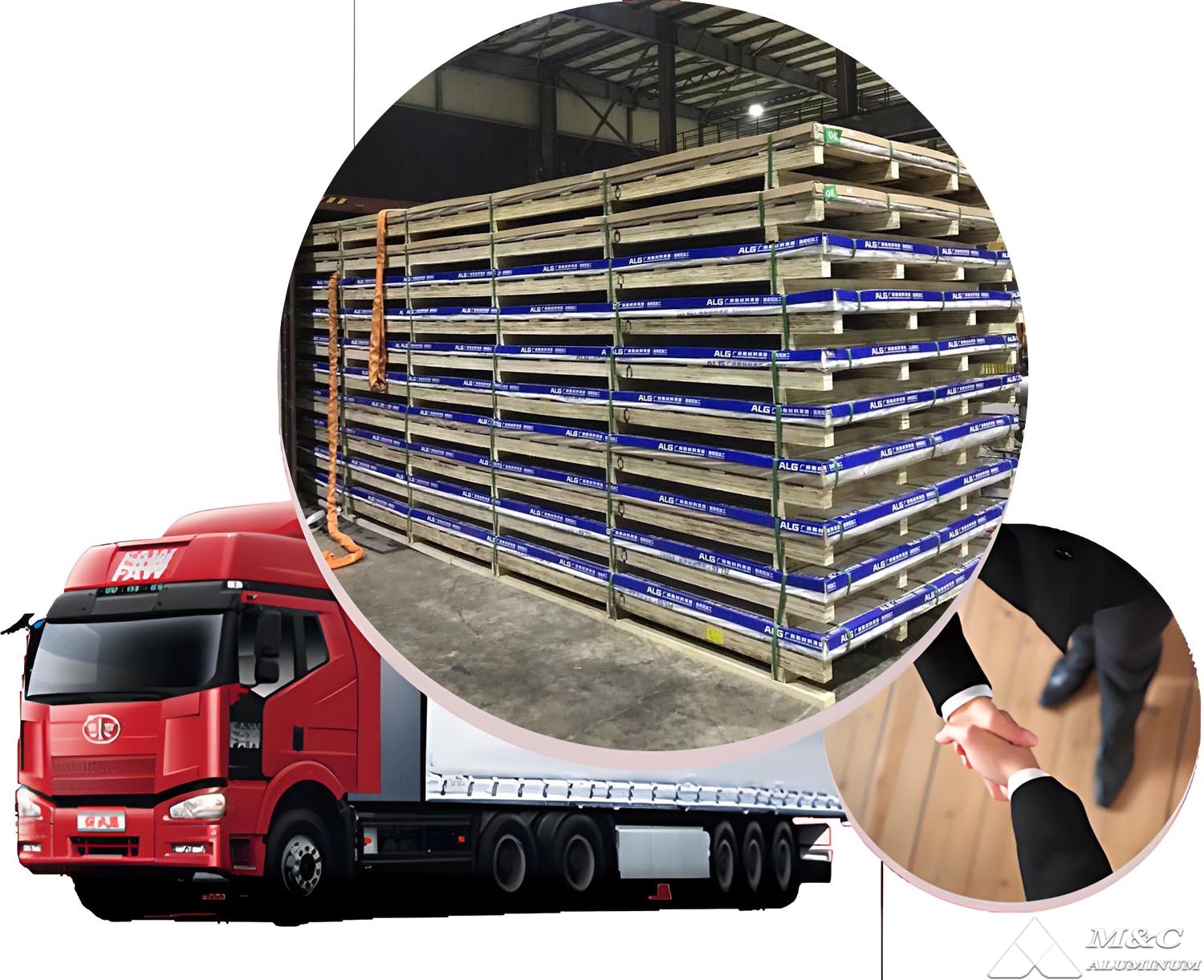
Surface quality is checked to ensure the sheet is clean and suitable for fabrication. Minor rolling marks may be acceptable within the standard, but defects that affect use, welding, or corrosion performance are controlled. Before shipment, plates are packed with moisture protection, edge protection, and stable palletizing for export transportation.
Ordering Guidance for Engineering Buyers
To specify 5083 marine grade aluminum sheet correctly, buyers should provide alloy, temper, thickness, width, length, quantity, standard, certificate requirement, application, and delivery condition. If the material will be welded, formed, or certified by a classification society, these requirements should be stated at the inquiry stage.
A complete inquiry helps avoid unsuitable temper selection and ensures that production, inspection, and documentation match the project. For example, 5083-H116 may be appropriate for seawater-exposed hull structures, while 5083-O may be preferred for formed parts that need higher ductility.
Conclusion
5083 marine grade aluminum sheet offers high strength, excellent corrosion resistance, good weldability, and reliable fabrication performance. These properties make it one of the most widely used aluminum alloys for shipbuilding and offshore engineering. As a manufacturer, we focus on stable chemical composition, controlled temper processing, accurate dimensions, clean surface quality, and complete inspection documentation.
For engineering buyers, the best result comes from matching alloy, temper, standard, and inspection requirements to the actual service environment. With proper specification and fabrication, 5083 marine aluminum sheet provides long-term performance in demanding marine structures.
Original Source: https://www.marinealum.com/a/5083-marine-grade-aluminum-sheet-properties.html
Tag: 5083 marine grade aluminum sheet 5083 marine aluminum marine aluminum sheet properties 5083 aluminum plate shipbuilding aluminum sheet corrosion resistant aluminum sheet 5083 H116 marine-grade aluminum sheet 5083 H321 marine-grade aluminum sheet m